
缙云山 Jìnyún Shān, Jinyun Mountain, stands above the Jialing River in the north of 重庆市北碚区 Běibèi Qū, Beibei District, Chongqing, a municipality of southwest China, and its gate is at 27 Jinyun Road. It was called in old times 巴山 Bā Shān, the Ba Hills, which is the Ba Shan of the Li Shangyin poem about rain at night, and the ridge it sits on was raised by the Yanshan movement of seventy million years ago. Three figures set the scale before you leave home. The Chongqing Jinyun Mountain National Nature Reserve covers 7,600 hectares, of which 1,235 are core zone, 1,505 buffer and 4,860 experimental, and the forest cover is 96.6 percent. Plant numbers run to 246 families, 992 genera and 1,966 species, fifty-one of them nationally protected rarities including 珙桐 gòngtóng, the dove tree, 银杉 yínshān, the silver fir, 红豆杉 hóngdòushān, the red yew and 桫椤 suōluó, the tree fern. Terrestrial vertebrates run to 189 species in 21 orders, eleven of them under national protection, among them 小灵猫 xiǎolíngmāo, the leopard cat, 秃鹳 tūguàn, the black stork, and 红隼 hóngsǔn, the red kestrel. The mean temperature is 13.6 degrees and the mean rainfall 1,611.8 millimetres, which is the reason a walk here is wetter than the city below it. And the ticket is not settled by any of this: three different figures are in circulation and not one of them comes from a government or scenic-area notice, so the price posted at the gate is the only number to plan around.
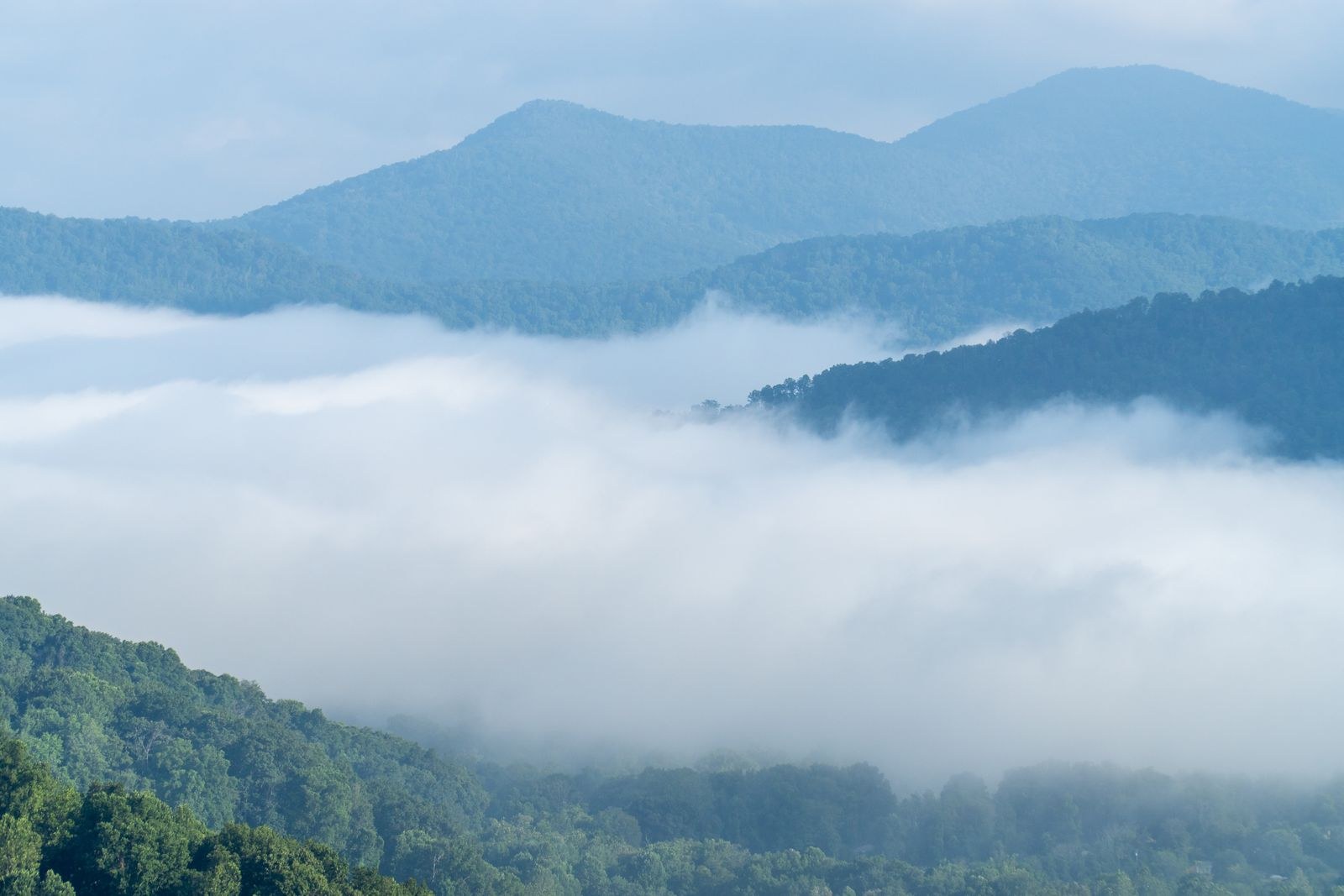
The mountain is read as a line of nine summits rather than as a single peak, and they run north to south in a fixed order: 朝日峰 Zhāorì Fēng, 香炉峰 Xiānglú Fēng, 狮子峰 Shīzi Fēng, 聚云峰 Jùyún Fēng, 猿啸峰 Yuánxiào Fēng, 莲花峰 Liánhuā Fēng, 宝塔峰 Bǎotǎ Fēng, 玉尖峰 Yùjiān Fēng and 夕照峰 Xīzhào Fēng. The ninth is the highest as the reference works give it, and here the sources are openly at odds with themselves: the same encyclopaedia entry that calls Yuzhian 1,050 metres states elsewhere in its own text that the mountain’s elevation runs from 350 to 951 metres, and a third account gives the range as 200 to 952.5 metres. The official and some of the other accounts give 1,050 metres for Yuzhian; others record 951. The climb most visitors actually make is Shizi, given as 864 metres in a traveller’s account, because it is the peak the sunrise viewing platforms sit on.
The reason that matters is a booking. Between 00:00 and 06:00, the Shizi and Xianglu viewing platforms have been subject to a reservation system run through the district’s WeChat mini-programme 一码游北碚 Yīmǎ Yóu Běibèi, reported for the 9 July to 30 September 2023 season, and that is the arrangement to expect rather than to assume, since no current-season notice was found. On clear mornings a shuttle runs down from the gate to Line 6’s Beibei station with the first departure around 06:10, and the fare quoted for it is 5 yuan. The scenic area publishes three telephone numbers, which are among the few verified numbers in this whole district: 023-68347130 for enquiries, 023-68222117 for rescue and 023-68282887 for complaints.
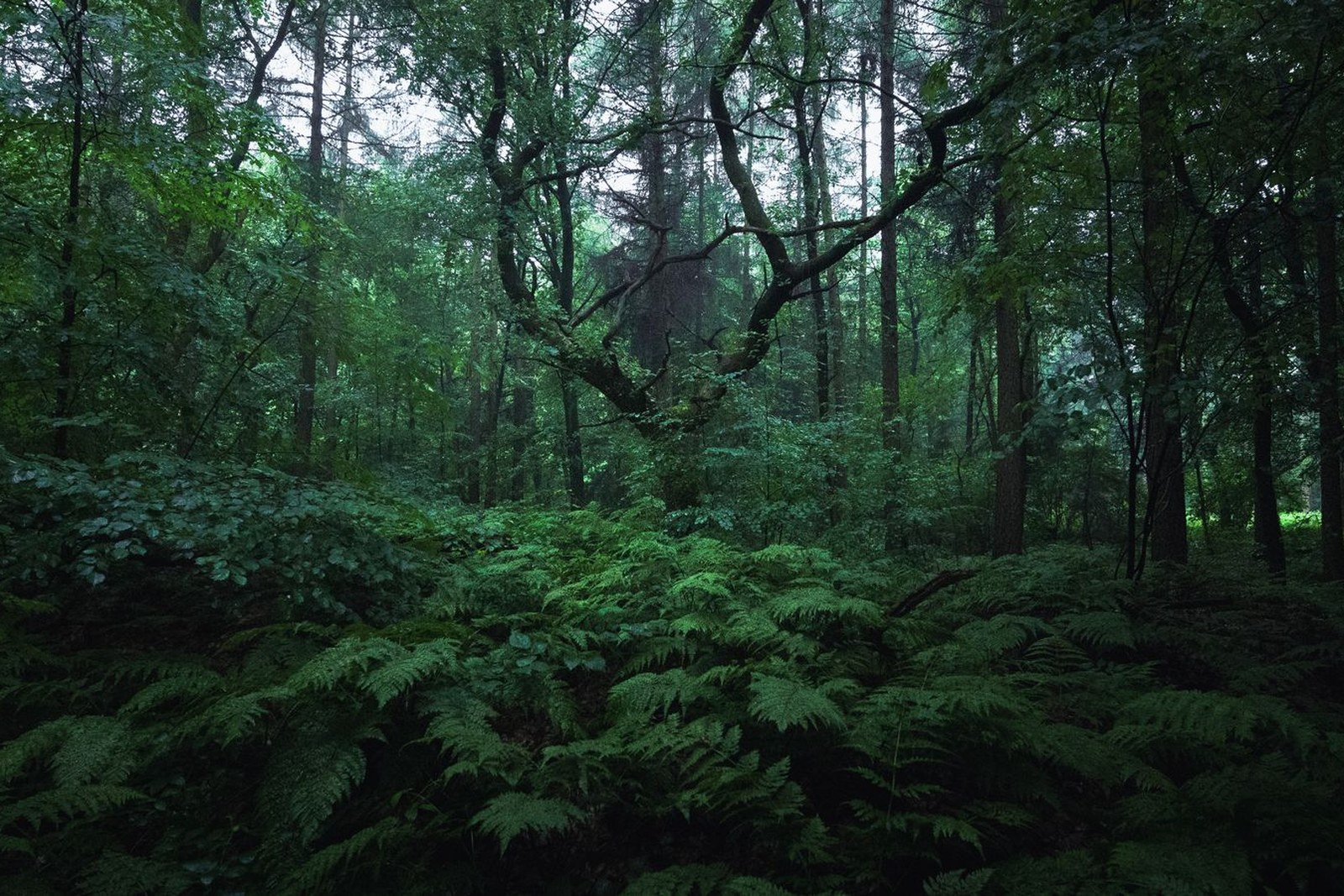
The geology explains the shape of the whole district, not just this mountain. The Jialing cuts through three anticlines and two synclines, and the gorges it makes are 沥鼻峡 Lìbí Xiá, 温塘峡 Wēntáng Xiá and 观音峡 Guānyīn Xiá, which together are the Jialing’s own Three Gorges, twenty-seven kilometres long and entirely inside Beibei. Standing on a Jinyun trail you are above water that has cut through folded rock for that whole distance, which is the physical reason a walk here feels like a canyon rim rather than a hill walk. The other anchor on the mountain is human rather than geological and sits lower: the wartime office of the Southwest Bureau of the Communist Party of China in Jinyun Village, a municipal protected site from 1952 that includes the former residences of Liu Bocheng, Deng Xiaoping and He Long, kept in a branch gallery of the district museum, closed on public holidays, and reached by bus 520 after a twenty-minute walk from the mountain gate.
Practicalities
Tickets: The gate price is unresolved and this article does not resolve it. An encyclopedia entry for the scenic area gives free entry with hours of 09:00 to 17:00; a booking platform’s own attraction page shows a starting price of 0.00; travel guides on the same platform quote a small gate charge, with a student half rate, and add separate sums for the temple and for the cable car. None of these is a government or scenic-area notice, and no official tariff table for the mountain was found, so the rule for this page is simple: the price posted at the gate is the one to pay, and a posted price is not a published one. The cable car is steadier than the gate, at about CNY 30 one way and CNY 40 return across several guides, with a downhill-only figure of CNY 20 in one of them; treat even that as a quoted rate rather than a tariff. The scenic area’s own number is 023-68347130.
Opening hours: The 09:00 to 17:00 window is the one published figure the mountain has, and it comes from the same descriptive listing that calls entry free, which is why it is quoted here with the same caution. Daylight hours suit the ridge walk; the summit platforms are a different proposition, since the sunrise slot that has been bookable runs from midnight to six in the morning and requires a reservation through the district mini-programme. On clear mornings the down-mountain shuttle’s first departure from the gate is around 06:10, quoted at 5 yuan to Line 6’s Beibei station. What follows a clock here is the light rather than any gate, so treat the hours as a reference and the posted times at the gate as the fact.
Closing day: No source describes a weekly rest for the mountain or the reserve, and this page will not invent one. That is the same pattern the district follows everywhere else: outdoor ground is open and unpaid, the paid interiors and the museums keep weekdays. The one weekly closing day that does exist in this district belongs to the museums listed under one telephone number, 023-68325828, closed Mondays except on public holidays, with a single exception in the other direction – the Jinyun Village wartime office branch shuts on public holidays instead. A Monday costs you nothing on the mountain and costs you the district’s memorial halls.
Getting there: The gate is at 27 Jinyun Road in the north-west of the district, which is the address to give a driver, and the nearest rail approach is Line 6’s Beibei station, from which the published down-mountain shuttle runs. Line 6 reached Beibei in December 2019, and stations inside the district include Beibei and Zhuangyuanbei. Distances rather than routes are what the sources publish for the mountain itself, so plan on the gate rather than on a trailhead (checked October 2026, subject to change).
flowcloud would say that Jinyun Mountain is the one place in this district where the number people care about is the one nobody has published – the gate price, which three sources give three ways and no notice settles – and that the mountain is worth climbing anyway, because the same mountain that made the weather above Beibei is the reason the Jialing has twenty-seven kilometres of gorge to look at.