
Nine peaks, and the old surveyors could not decide which was which. That is the whole reason for the name: 九嶷 jiǔ yí, nine doubts, because the nine summits of this range in southern Hunan look so alike that nobody could agree which one the emperor was buried under. So they did what Chinese ritual does with an insoluble problem — they built the mausoleum anyway, on a slope that everyone could agree was the right mountain, and then kept it burning incense for the next two thousand years. The 舜帝陵 Shùndì Líng at 九嶷山 Jiǔyí Shān is one of the oldest continuously tended tombs in the country, and on an ordinary Tuesday it receives more pilgrims than most famous sites get in a year.
舜 Shùn is the third of the legendary sage emperors, the one who was chosen for his virtue rather than his birth, and who is said to have died while touring the south and been buried here. The 山海经 Shānhǎijīng mentions his tomb at Jiuyi, which puts the tradition in the late Warring States; the first recorded imperial sacrifice was in the Qin. Since then the site has been destroyed and rebuilt so many times that the present complex is essentially a Ming and Qing reconstruction with a modern restoration on top, and the local argument about how much of it is “original” is best avoided in polite company. What is not in doubt is the ceremony: the 公祭舜帝 gōngjì Shùndì held here — most recently with provincial governors in attendance — is a state-level ritual and the largest of its kind in the province.
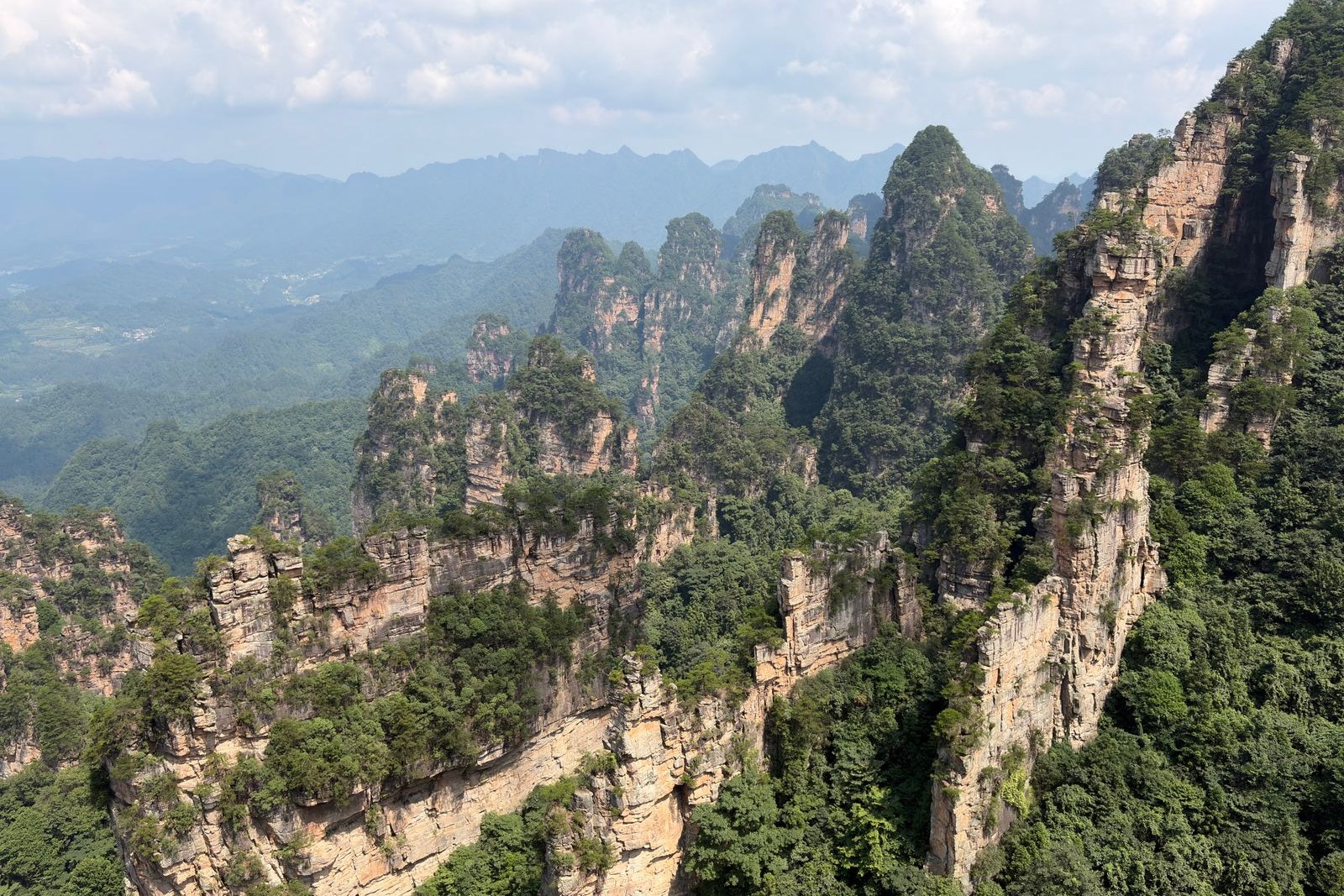
The landscape the tomb sits in is the reason people come back. The nine peaks are limestone, green to their summits and eroded into the sort of shapes that make Chinese painters put their brushes down. Between them run valleys of 斑竹 bānzhú, mottled bamboo, whose speckled stems carry the most famous plant legend in China: the two wives of Shun wept on the way to his funeral and their tears marked the cane, which is why it is also called 湘妃竹 xiāngfēizhú, the bamboo of the Xiang consorts. Mao Zedong used the image in a poem addressed to a friend, with the line about a thousand tears on a hundred acres of bamboo, and every schoolchild in Hunan can quote it. If you walk up the 舜源峰 Shùnyuán Fēng path in spring, the groves on either side are the actual plant in the actual place.
Near by, at the foot of the mountain, are two things most visitors miss. 玉琯岩 Yùguǎnyán is a small limestone outcrop covered in Song-dynasty inscriptions, including a carved record that is one of the earliest surviving dated texts about the tomb. And 宁远文庙 Níngyuǎn Wénmiào, the Confucian temple in the county town twenty minutes away, has a set of carved stone dragon columns that are among the best of their kind in the country — twenty of them, carved from single blocks in the Qing, wrapped in dragons with their heads in the round.
Practicalities
Tickets. The 舜帝陵 Shùndì Líng complex is about ¥80 for the main site; the mountain park and the various peaks are ticketed separately in the ¥40–70 range. Expect to pay ¥150–200 in total if you do the tomb, the mountain and the temple area. Cash is not needed; everything takes a phone.
Opening hours. Roughly 08:00–17:30, with the last entry around 17:00. In the tomb season — around the 清明 Qīngmíng festival in early April and the 重阳 Chóngyáng festival in the ninth lunar month — there are extra ceremonies and the site gets genuinely crowded.
Closing day. No closing day. The site is open every day of the year, including the Spring Festival, which is also one of its busiest.
Getting there. 宁远站 Níngyuǎn Zhàn is on the high-speed line from 长沙 Chángshā and 广州 Guǎngzhōu; from the station it is about 30 kilometres and ¥80–120 by taxi to the mausoleum. From 永州 Yǒngzhōu city it is roughly two hours by road. There is a local bus from the county town bus station in the morning, but it is slow and infrequent, and most visitors hire a car for the day at ¥300–450.
What People Get Wrong
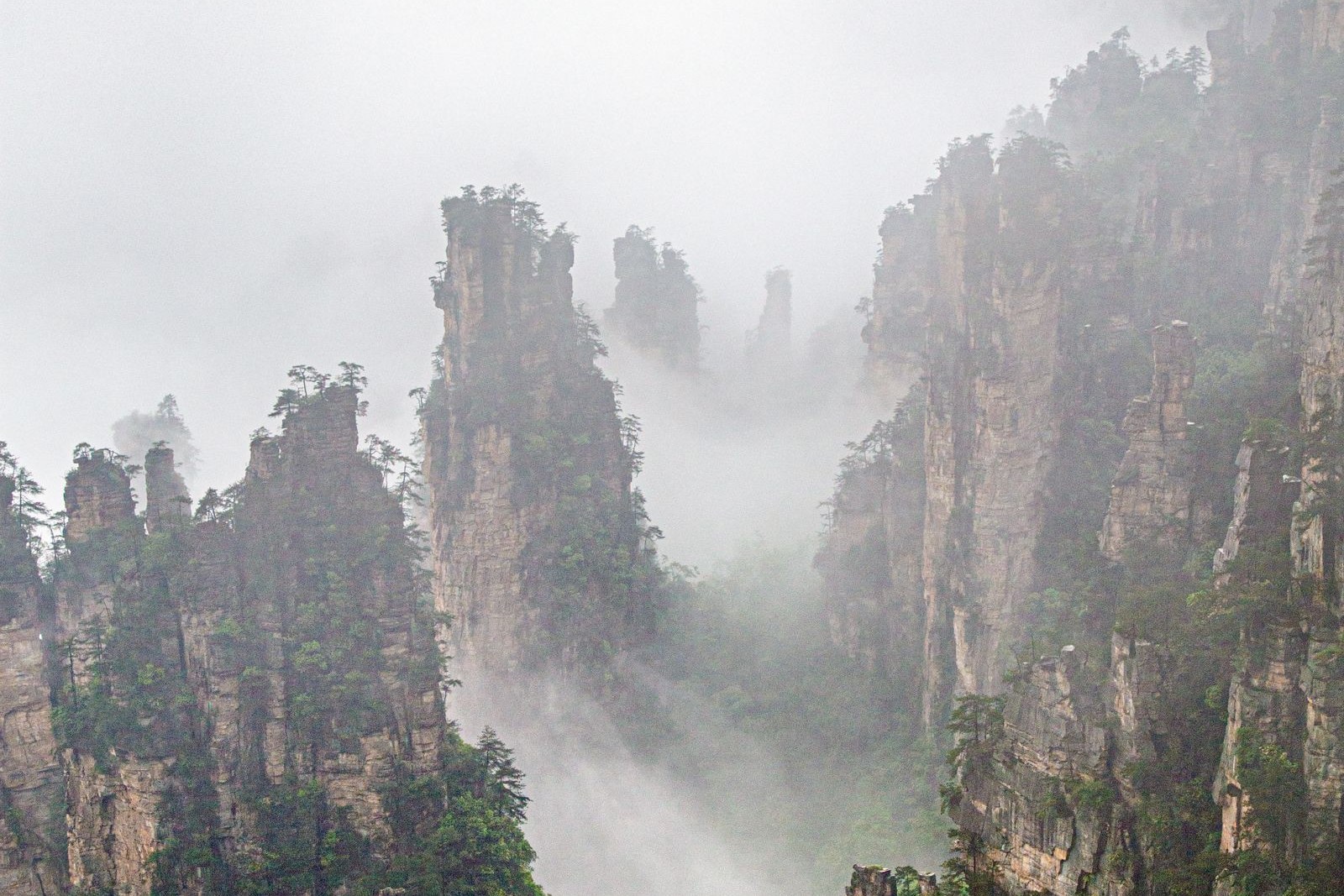
They come at eleven in the morning with a coach and see a ticket hall, a car park and a queue for the incense, and they leave thinking the mountain is a theme park. Come at seven. The gates are open, the stalls are not, the smoke is from the first worshippers rather than from a machine, and the peaks are still in cloud.
Getting there
The standard route is Changsha to Ningyuan by high-speed rail — about two and a half hours — and then a car to the mountain. Two days is right: one for the mausoleum and the mountain on foot, one for the temple, the inscribed cliff and the villages below with their blood duck. If you are driving through southern Hunan, Jiuyi sits naturally between 永州 Yǒngzhōu and 桂林 Guìlín on the Guangxi border, about three hours from either.
flowcloud would say that the Chinese have never had much trouble with the idea that nine peaks look alike — the doubt became the name, the name became a place, and the place has been receiving incense for two thousand years on the strength of not being sure exactly where to send it.
Getting there: 九嶷山 (Jiǔyí Shān) and the 舜帝陵 (Shùndì Líng), 宁远县 (Níngyuǎn Xiàn), 永州市 (Yǒngzhōushì), 湖南 (Húnán). Open daily 08:00–17:30, no closing day. Roughly ¥150–200 for the tomb, mountain and temple area together. About 30 km and ¥80–120 by taxi from 宁远站 (Níngyuǎn Zhàn), or a hired car for the day at ¥300–450. Arrive at seven, not eleven.