
Grain Port Memory: Junliangcheng
千帆漕运粮盈仓,古镇炊烟接海疆 Qiānfān cáoyùn liáng yíng cāng, gǔzhèn chuīyān jiē hǎijiāng – A thousand grain barges filled the warehouses of old; the town’s cooking smoke reaches toward the sea
军粮城 Jūnliángchéng Junliangcheng is 天津市东丽区 Tiānjīn Shì Dōnglì Qū Dongli District’s deepest echo – a riverside town whose name literally means “army grain town,” inherited from the centuries when this bend of the 海河 Hǎihé Hai River stored and shipped the rice that fed garrisons and capitals. The name still signs the road banners and the railway platforms, and underneath the modern streets archaeologists have been reading the town’s older life in excavated kilns, granary footings and river-trade strata.
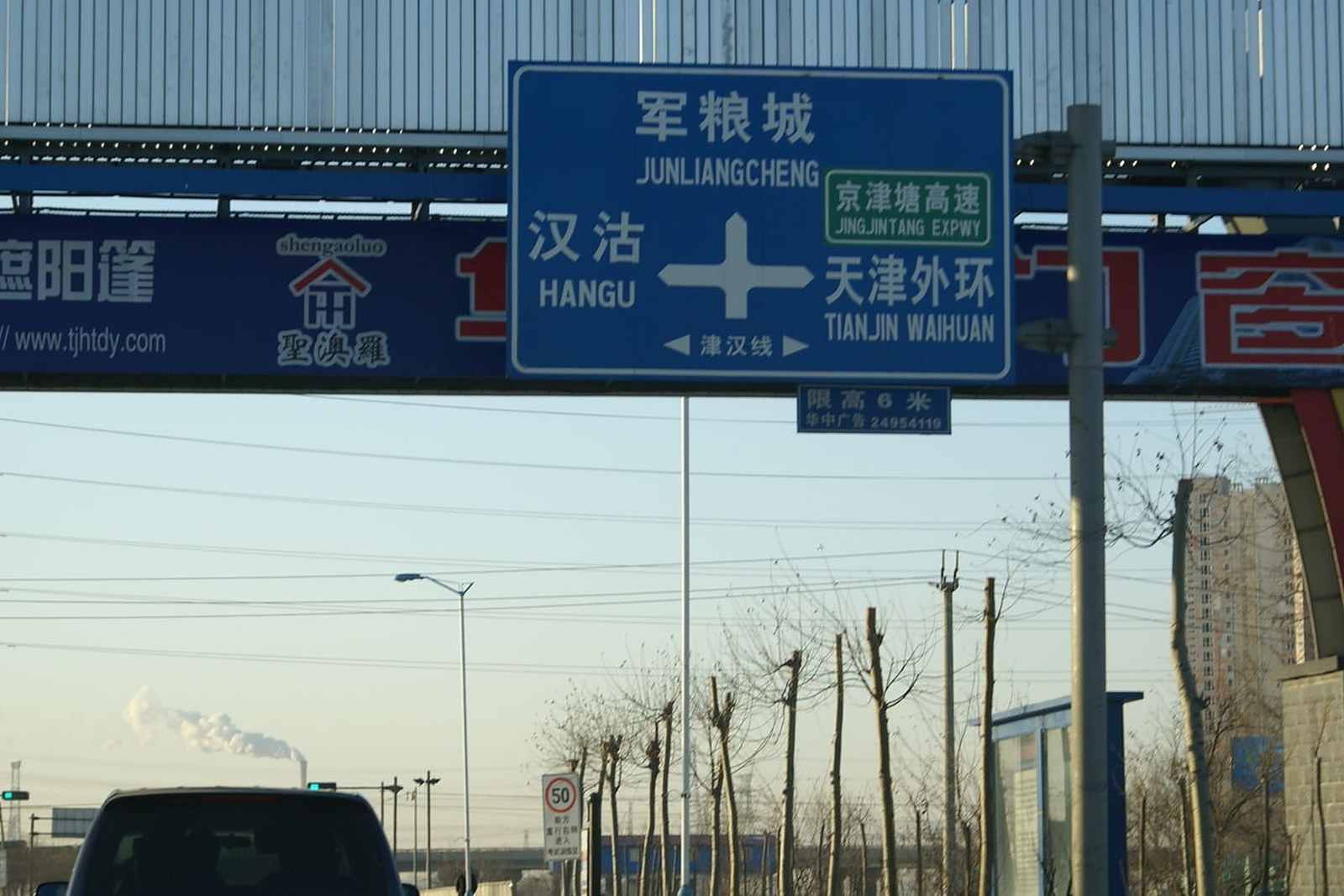
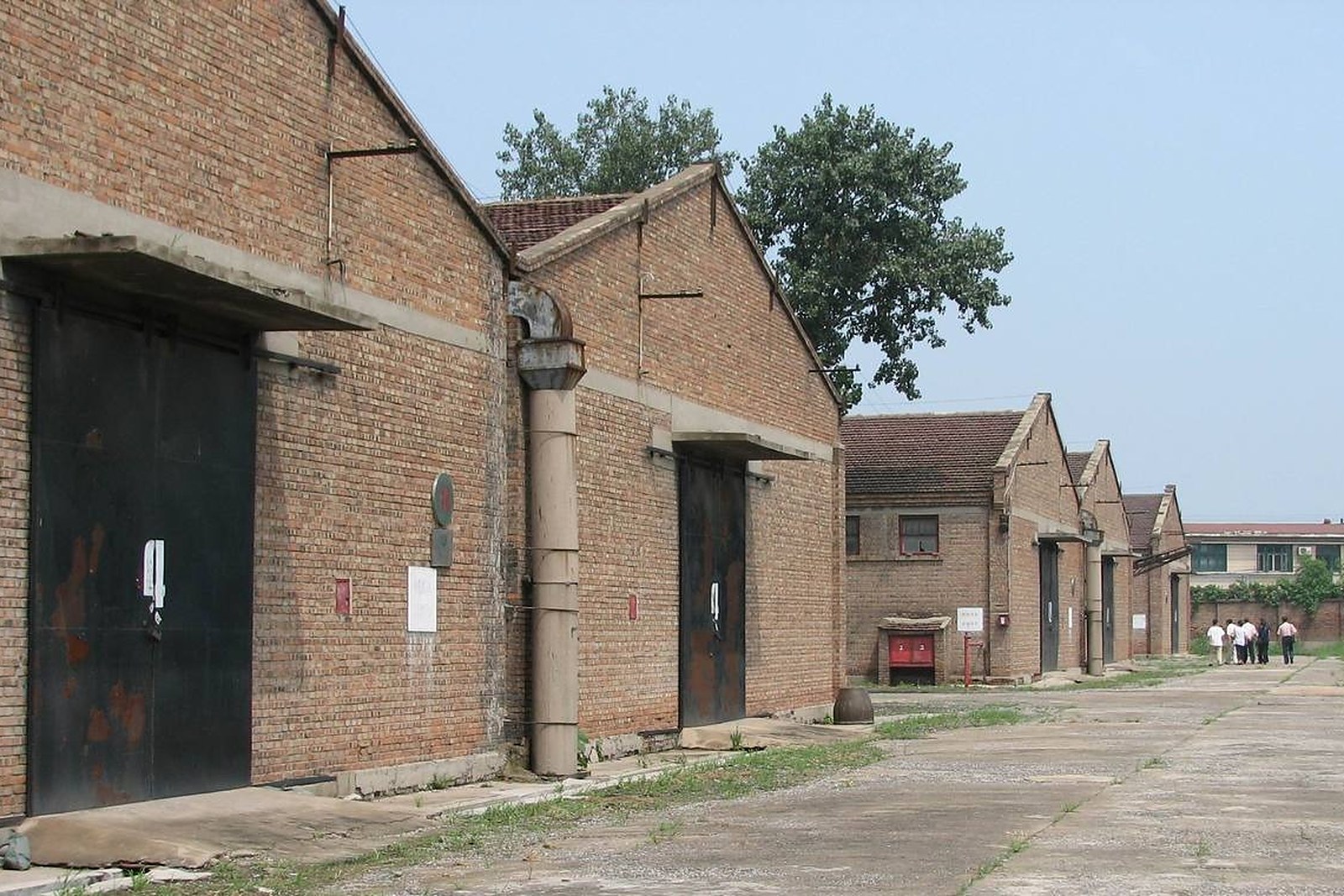
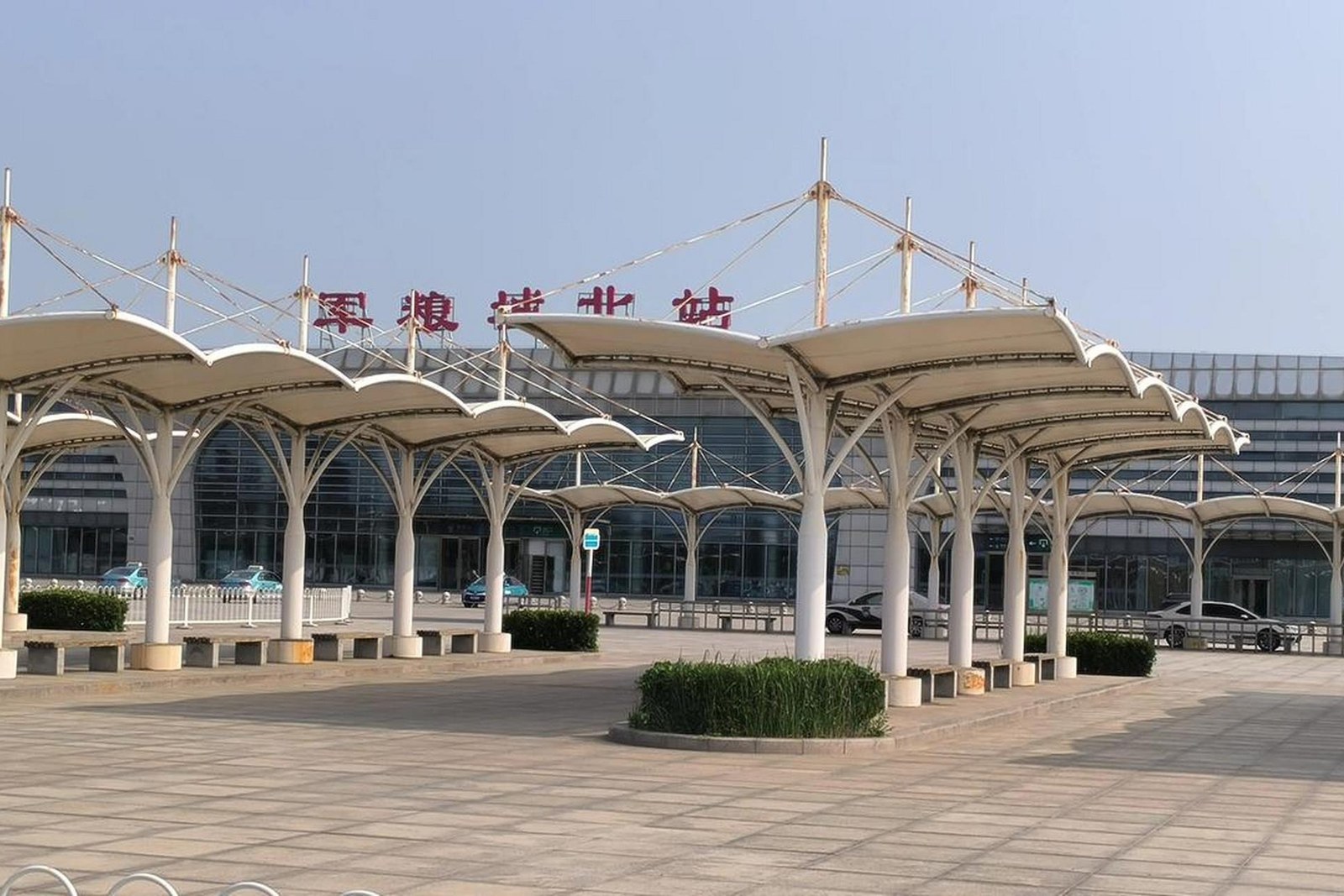
The district keeps the memory in fragments worth seeking. Old brick warehouse blocks survive near the rail line, their blind walls and loading doors recalling the era when grain moved by track and barge. The station still stops regional trains under its painted name board, and the surrounding streets carry the unpolished confidence of a working town that has fed people for a very long time.
The surrounding plain explains the wealth. Paddy fields run to the drainage channels – this is rice country, the northern edge of the famous 小站稻 xiǎozhàn dào Xiaozhan rice lands – and in autumn the harvest turns every field gold. The mill town that grew here made junliangcheng rice a household word across northern China, and local tables still treat the year’s new rice as an event.
Walk the town with the river in mind. Drainage canals, dike roads and the long flat horizon all belong to the same water economy that made the granaries necessary, and the modern expressways now cross the old grain routes at right angles. It is the rare Tianjin district where the name on the map is also the story in the soil.
Practicalities
- The town is a lived-in neighborhood, not a ticketed site – morning light and the station front are the best subjects.
- Regional trains and buses serve 军粮城 Jūnliángchéng Junliangcheng from Tianjin’s eastern lines.
- Autumn harvest season turns the paddies gold; spring brings the flooded fields.
- Pair the visit with the riverside roads east toward the port for the full grain-route picture.
Words and Names
军粮城 Jūnliángchéng Junliangcheng, “army grain town” of the granary era; 漕运 cáoyùn the grain-transport trade that built the town; 小站稻 xiǎozhàn dào the famed regional rice; 机米厂 jīmǐchǎng the rice mills that industrialized the harvest; 海河 Hǎihé the Hai River below the bend. Beyond the granaries, the same 天津市东丽区 Tiānjīn Shì Dōnglì Qū Dongli District keeps more places worth the detour: 东丽湖 Dōnglì Hú Dongli Lake, 天津欢乐谷 Tiānjīn Huānlègǔ Tianjin Happy Valley, 天津滨海国际机场 Binhai International Airport, or 华明镇 Huámíng Zhèn Huaming Town – four more doors into the same Dongli District. Once the old warehouses have had their hour, our Dongli food map fills the table.
flowcloud would say Junliangcheng is the district’s memory in brick and paddy: a name that still signs the trains, warehouse walls that remember the barges, and rice fields that keep the story edible. All checked November 2026.
Getting there: Metro Line 9 stops at Junliangcheng station on the Tianjin-coast corridor – the old town and its dining streets walk out from the exits, and buses run the Jinbin road above. All checked November 2026.