
The island is a hill in a lake, and both halves of that matter. 君山 Jūnshān sits in the middle of 洞庭湖 Dòngtíng Hú, about fifteen kilometres from the 岳阳 Yuèyáng waterfront, roughly a square kilometre in area and traditionally described as having seventy-two peaks, which on a hill that size means a good many gentle bumps. It is reached by boat from the city or by road across the lake bridge and along the causeway, and what waits at the end is a place that is simultaneously a tea garden, a botanical oddity, a pair of very old tombs and Hunan’s quietest afternoon.
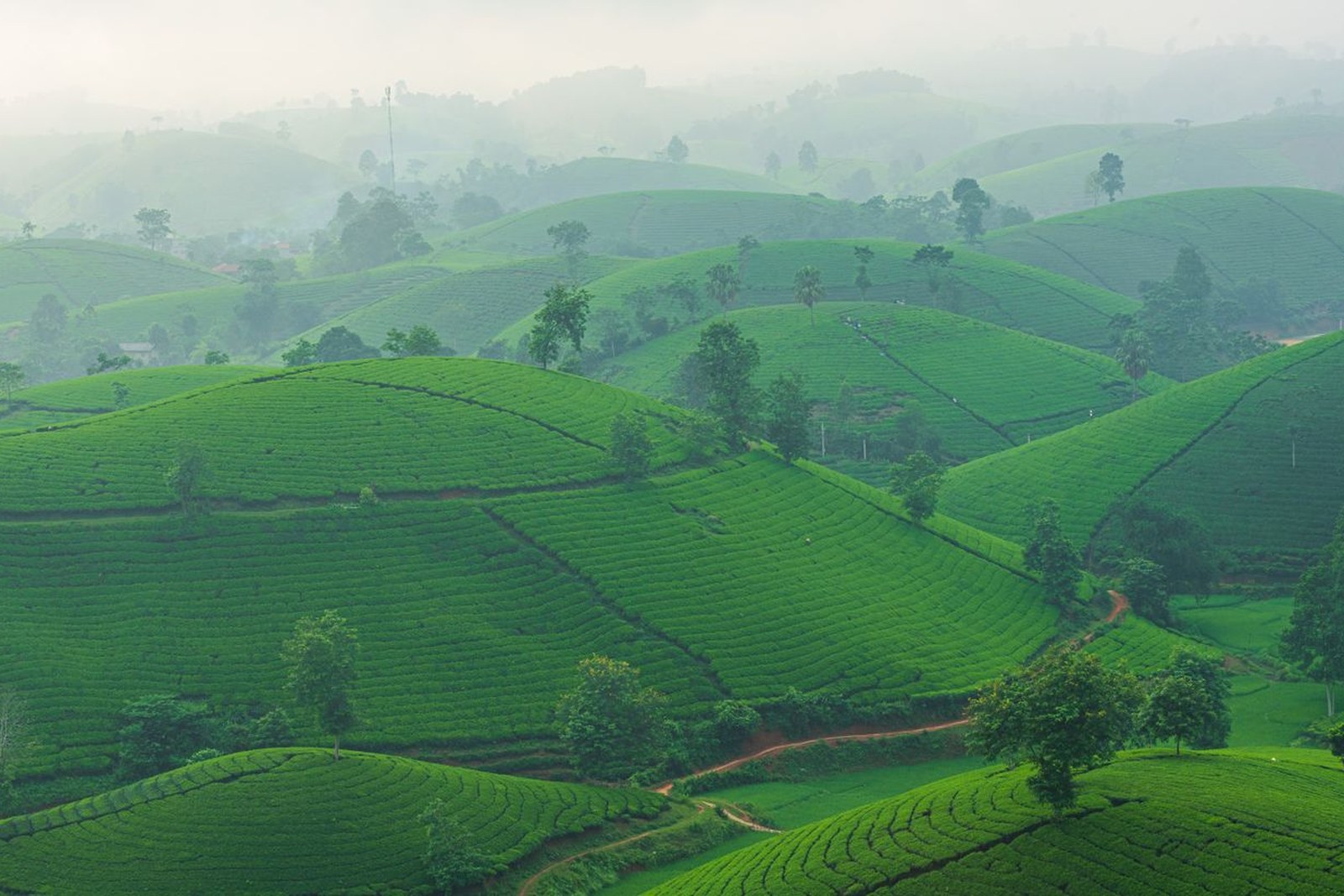
Two things make Junshan unlike anywhere else. The first is 君山银针 Jūnshān Yínzhēn, Silver Needle, one of the most famous green-yellow teas in China, grown only on this island. The buds are picked in the days around the Qingming festival, before they open, and are processed by a method that presses them yellow; they brew up standing on end in the glass. The best of it is a tiny quantity, and the tea from the island’s own bushes, sold in the shops by the pier, is expensive and worth tasting even if you do not buy. The second thing is the tombs. 二妃墓 Èrfēi Mù is the grave of 娥皇 Éhuáng and 女英 Nǚyīng, the two wives of the legendary emperor 舜 Shùn, who are said to have come here looking for him, wept on the bamboo until it was marked, and drowned themselves in the lake. The mottled bamboo that grows here, 斑竹 bānzhú, is explained by that story, and the tomb is a low mound with stone animals and a great many visitors.

What to Do With a Day
Most visitors arrive in the morning, walk the loop of paths along the island’s rim and through the tea terraces, see the tombs and the 柳毅井 Liǔyì Jǐng, the well attached to the Tang tale of a dragon princess, and take a boat back by mid-afternoon. That is a reasonable half-day. A better one involves crossing early, walking the quieter inner paths where the bamboo is thick and the lake is hidden, eating lunch at one of the island’s restaurants, and taking the last boat back at dusk, when the water goes pale and the city becomes a line of lights across it. Allow four to five hours, and take water, because the island is bigger on foot than it looks.
Practicalities
Tickets. Island admission is around ¥78, and the boat crossing is charged separately, roughly ¥60 return from the pier near the tower area; the price of a combined ticket varies with the season and with which pier you leave from, so confirm before buying. The road route via the causeway avoids the boat but still requires the island ticket.
Opening hours. Boats generally run from around 08:00 and the last return is in the late afternoon, with the exact times posted at the pier and changing between the summer and winter schedules. The island itself closes when the last boat leaves, so the practical limit on your day is the timetable, not the gate.
Closing day. There is no closing day for the island, but the boat service is suspended in bad weather and reduced outside the main season, so a winter visit should start with a phone call to the pier.
Getting there. By boat from the 君山 Jūnshān pier near the Yueyang tower waterfront is the traditional approach. By road, the 洞庭湖大桥 Dòngtíng Hú Dàqiáo carries traffic across the lake and a spur road runs to the island’s entrance, which takes about forty minutes from central 岳阳市 Yuèyáng Shì by car or taxi. The nearest railway stations are 岳阳站 Yuèyáng Zhàn and 岳阳东站 Yuèyáng Dōng Zhàn, both on the city side.
flowcloud would say that Junshan is a place where a lake, a tea and a legend have been persuaded to sit on the same small hill, and that the tea is the only one of the three that will fit in your bag.
Getting there: take the early boat, walk the rim path clockwise to the tea terraces first while it is cool, then the tombs, then lunch, then the inner bamboo paths, and catch the last boat back for the crossing at dusk. Buy tea from the island shops rather than from the pier at the city end, ask to taste before you buy, and keep the timetable in mind all day.