
The Mirror at 3600 Metres: Karakul Lake and the Pyramid of Muztagh Ata
雪峰沉湖底,云影过千年 Xuěfēng chén húdǐ, yúnyǐng guò qiānnián – Snow peaks sink into the lake; cloud shadows cross a thousand years
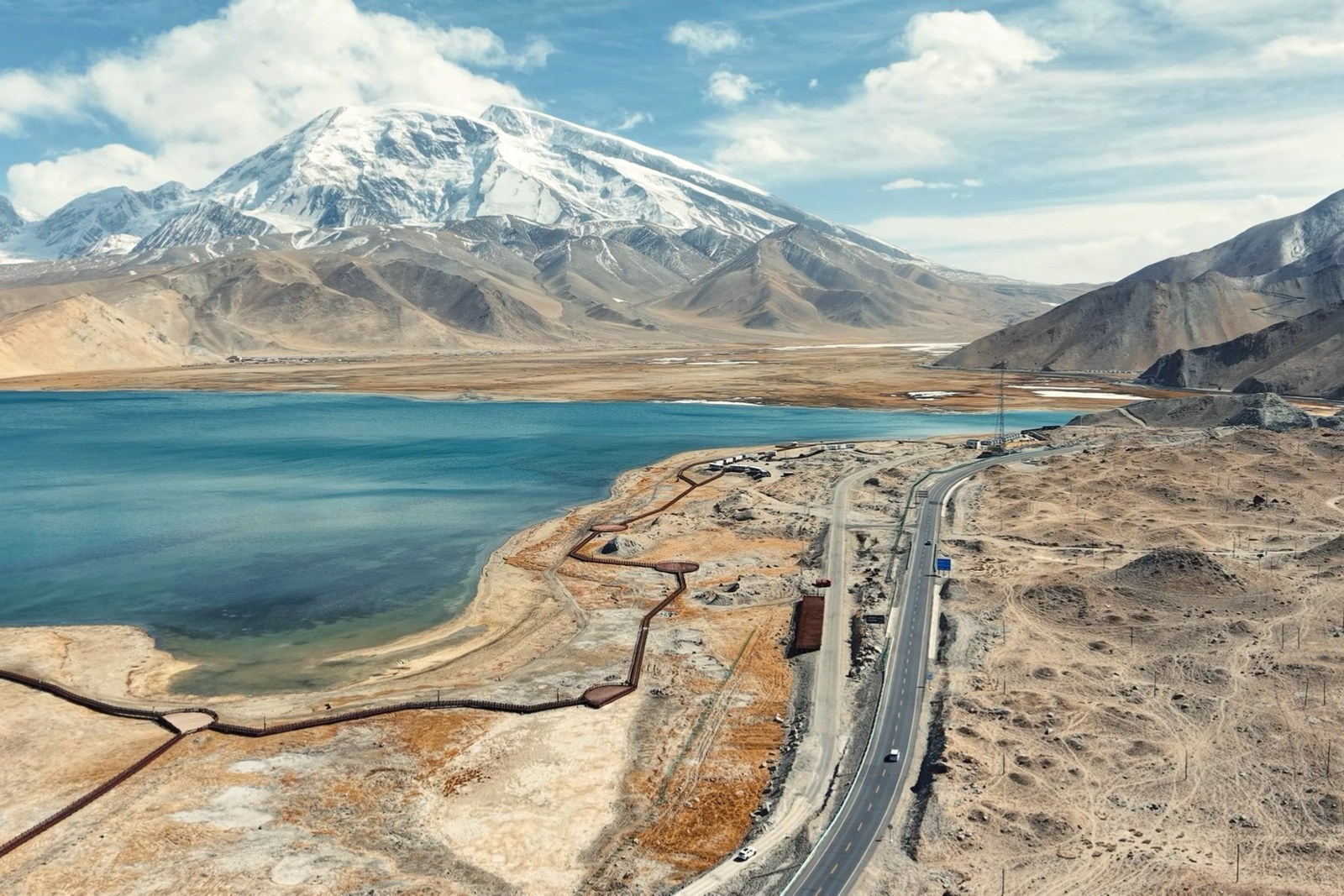
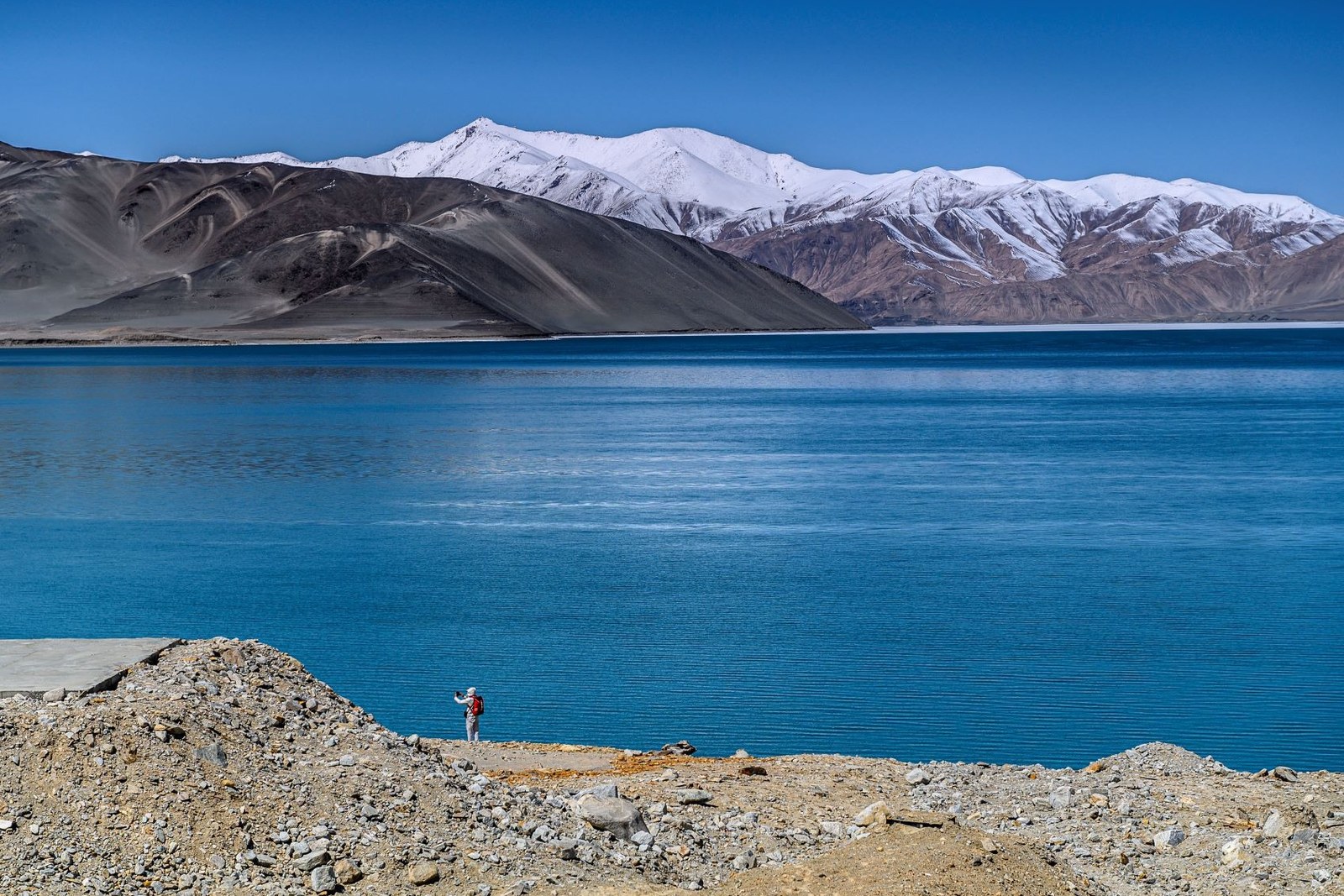
正文:喀拉库勒湖 Kālākùlè Hú Karakul Lake lies 190 kilometres south of central 喀什地区 Kāshí Dìqū Kashgar Prefecture along the Karakoram highway – a wide, cold plate of water at 3600 metres with the 7546-metre pyramid of Muztagh Ata rising directly behind it. The pairing is so perfect that generations of travellers have called the lake the mountain’s mirror: on a still morning the white pyramid stands complete and upside down in the water, and the highway’s busloads fall silent at the sight. Kirghiz herders camp the shoreline with their yaks and yurts, and the village name – Karakul, “black lake” – belongs to the deep slate water that mirrors best at dawn.
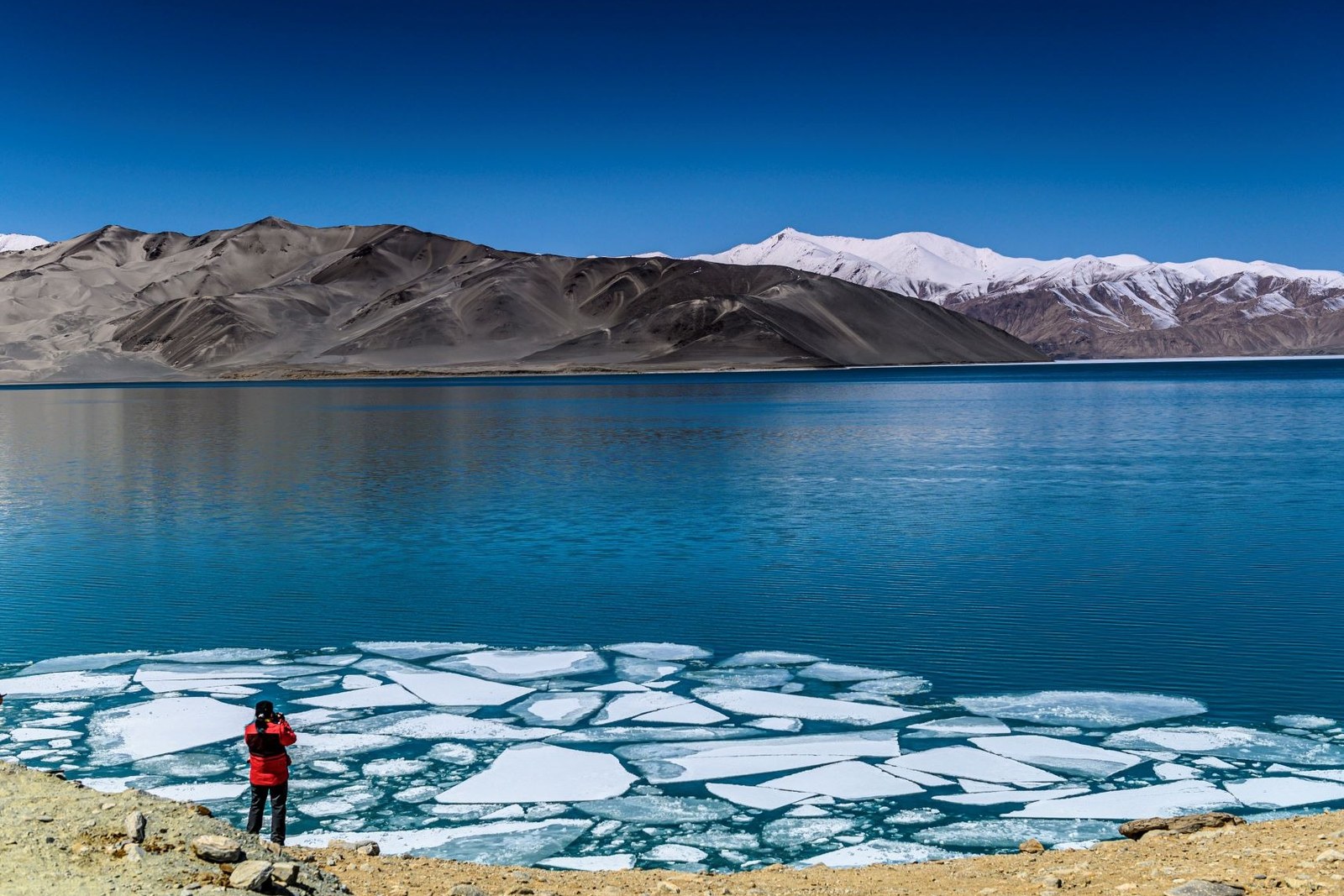
The road out is half the journey. The Karakoram highway climbs from the Kashgar plain through the Gez gorge, past red mountains that crumble like pastry, past the White Sand Lake’s dunes standing in silver water, over passes with prayer flags and yaks. Altitude rises steadily; by the lake the air is thin and clear enough that the mountain seems close enough to touch. Most organised trips stop at the viewpoints en route, and the drive deserves them – few highways on earth stage so much scenery before lunch.
At the lake itself the programme is simple and absorbing. A boardwalk and shoreline path circle the near water; yurt camps serve tea, yak-meat noodles and the milk tea that turns out to be exactly right at this altitude; camels wait by the shore for the photograph every visitor takes. The mountain changes the lake’s colour by the hour – grey-blue under cloud, steel silver at noon, gold and rose for the last half-hour before sunset, when Muztagh Ata’s summit holds the light after the valley is in shade.
Overnight stays are the connoisseur’s option. The yurt camps run basic but warm beds, and the mountain’s night sky at 3600 metres is a second attraction: stars in ridiculous numbers, the Milky Way standing over the peak, dawn light arriving first on the summit and then, in slow stages, on the water. Temperatures fall near freezing even in summer; the camps supply quilts, and the lakeside morning after a night up here is usually the memory travellers keep.
The Kirghiz herders make the shore a working landscape. Yak trains cross the shallows at dusk; wool is carded and dried on racks; children race horses along the beach for visitors’ cameras with the seriousness of professionals. Horse rides run an hour along the shore for a modest fee, and the herders’ tea tents double as emergency shelter when the mountain weather closes in – it can snow here in any month, and does.
Practicalities matter at this altitude. Foreign visitors need the border-area permit arranged in Kashgar before the drive, plus passports for the Bulong checkpoint; Chinese visitors carry ID. Move slowly on arrival, drink water, and let the day acclimatise you – headaches are common and temporary. Bring a windproof layer regardless of season, cash for the yurt camps, and sun protection that respects the thin air. The lake is a day trip or a first-night stop on the Tashkurgan run; either works, the night is better.
Weather writes the script here. Cloud can close the mountain entirely – the lake alone is still worth the drive, but plan a flexible window, and take the highway crew’s advice on winter closures seriously. When the sky clears, nothing in Xinjiang repays the wait more completely.
And the mirror, when it happens, is the payoff everyone remembers: the pyramid floating complete in the water, doubled and perfect, while yaks graze unconcerned at the frame’s edge. Muztagh Ata has been climbed, but the view from the shore suggests it hasn’t been improved on.
Practicalities
Beyond the lake, the same 喀什地区 Kāshí Dìqū Kashgar Prefecture keeps more places worth the detour: 艾提尕尔清真寺 Ātígǎ’ěr Qīngzhēnsì the Id Kah Mosque at the start of the road, 喀什古城 Kāshí Gǔchéng Kashgar Old Town for the lanes, 香妃园 Xiāngfēi Yuán the Fragrant Concubine Garden for the green dome, or 牛羊大巴扎 Niúyáng Dàbāzhā the Livestock Bazaar before you head south – four more doors into the same 喀什地区 Kāshí Dìqū Kashgar Prefecture. Once the lake is seen, our Kashgar food map fills the day.
Practicalities
Words and Names
flowcloud would say Karakul Lake is the highway’s master stroke: a mirror laid at 3600 metres for the pyramid of Muztagh Ata, yaks for company, and a night sky that makes the cold worth every degree. All checked November 2026.
Getting there: The lake sits roughly 190 kilometres from Kashgar along the Karakoram highway toward Tashkurgan; shared cars and tour vans make the run in three to four hours with passport checks at the Bulong checkpoint. Border permits for foreign visitors are arranged in Kashgar, and day trips usually leave at dawn. All checked November 2026.