
涞滩古镇 Láitān Gǔzhèn, Laitan Ancient Town, stands in the hill country of 合川区 Héchuān Qū, Hechuan District, and it stacks two sights on one hilltop: a Qing walled town keeping one of the basin’s rare urn-city gate arrangements – an inner gatehouse built to trap a forced entry inside a stone courtyard, where the defenders held the attacker like water in a jar – and, below the walls, the Rock Shrine of the Second Buddha at 二佛寺 Èrfó Sì, a Tang-and-Song cliff complex of carved figures that has come through the centuries in remarkable condition. The town crosses in ten minutes and fills an afternoon; the shrine is the treasure. This page is the walls, the town and the buddhas.
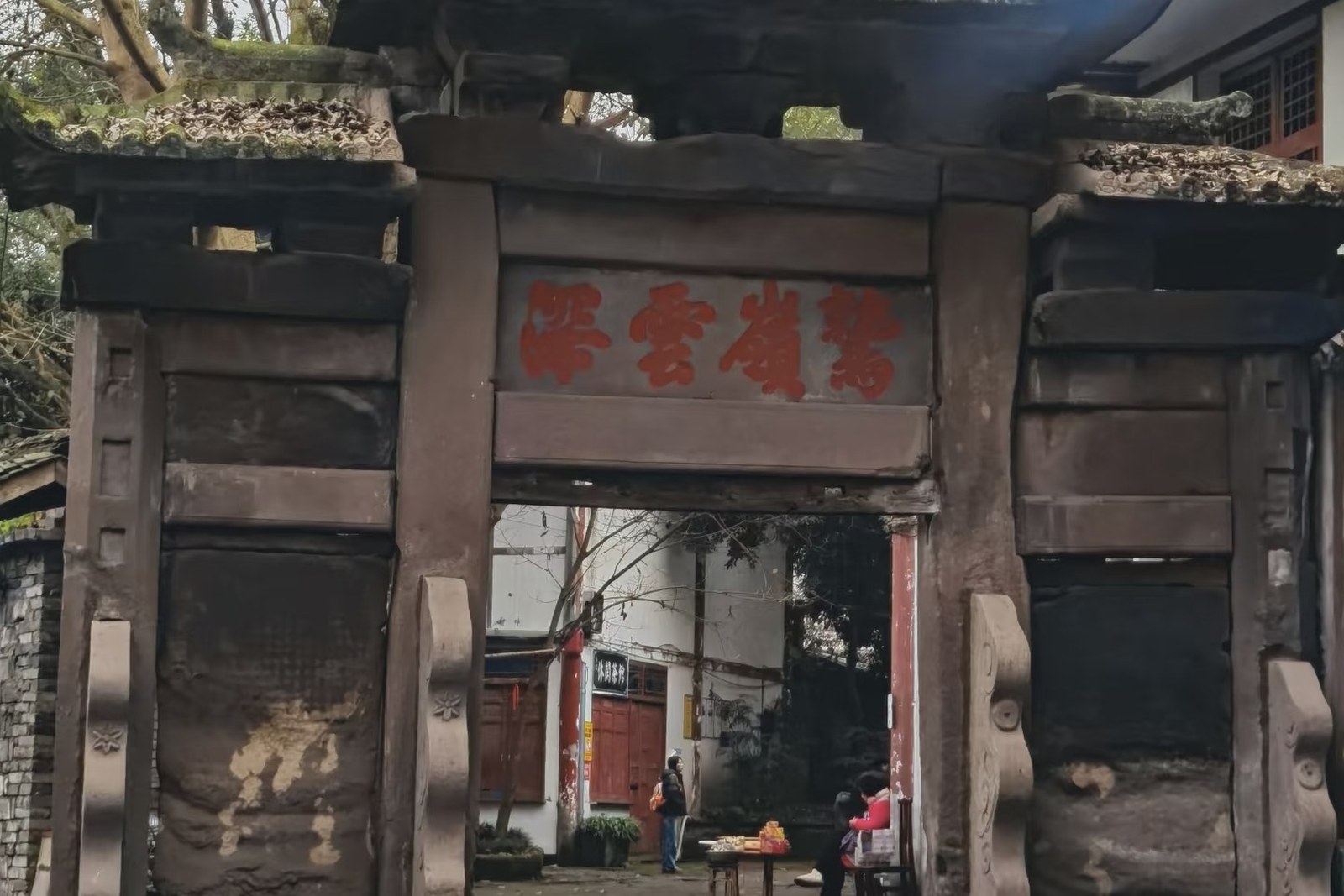
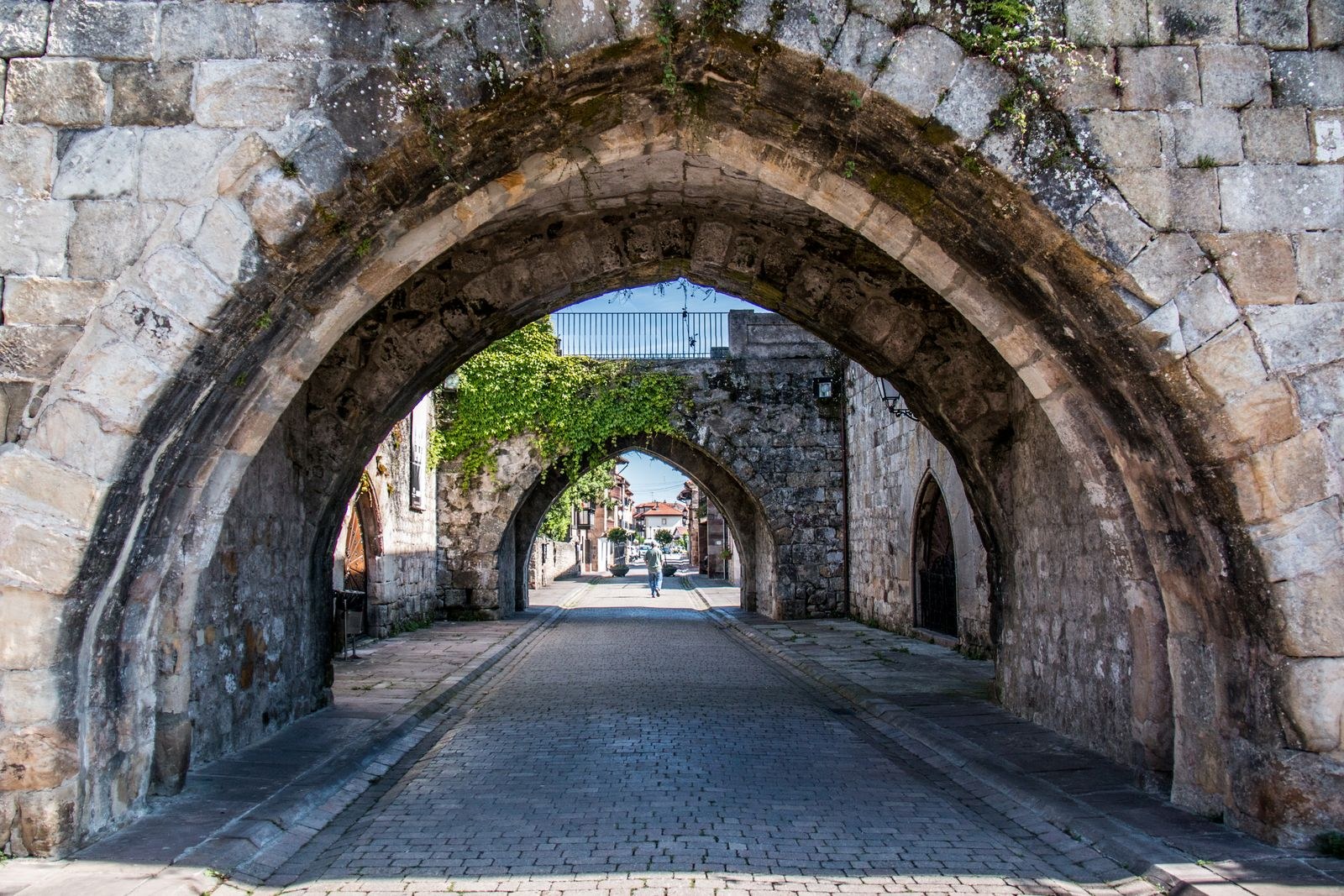
The urn city is the town’s architectural argument, and it reads on the ground better than most military history does. A walled town normally hangs its defence on one ring of wall; Laitan built a second gatehouse inside the first, so an enemy who forced the outer gate found himself sealed in a stone courtyard – wall on three sides, the true gate still to take, and the defenders on the tops with the whole trap below them. The outer gate tunnel, the caught courtyard and the inner gate all stand, and the wall walk rounds the town above the lanes. The Qing builders who set the stones were solving a hilltop town’s problem with masonry and patience, and the solution is still the first thing a visitor walks through.
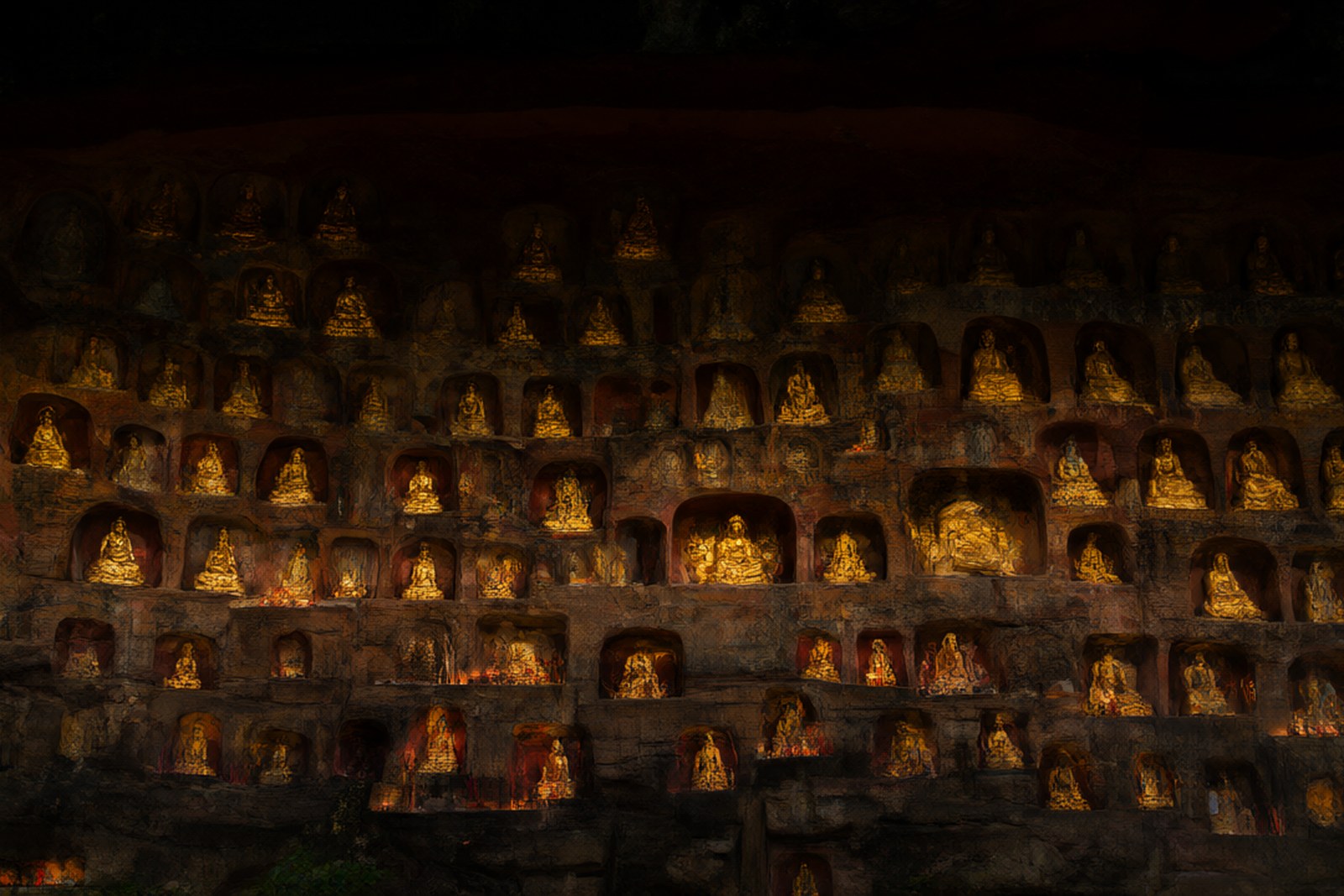
The shrine below the walls is the reason the students come. Carved into the cliff in the Tang and the Song and sheltered under a rock overhang, the figures of the Second Buddha shrine stand in tiers across the face of the rock – painted, gilded and still working incense at the foot – part of a complex the district’s own record counts at some thousand figures, and one of the survivors in a basin where so much religious carving did not last. The overhang keeps the shrine dim and cool; the tiers read slowly, figure above figure, and the working altars at the foot keep it a shrine rather than a museum.
The town itself is the black-tile half of the day: lanes of wooden arcades under black tiles, a Ming theatre platform still standing in its courtyard, teahouses and small counters trading along the stones, all of it small enough to cross in ten minutes and dense enough to fill an afternoon if the visitor does what the town is for, which is sit, drink tea, and let the walled quiet work. The coaches from the city run the morning rounds and the last of them leaves by late afternoon; the town that remains after dark is the one the guesthouses in the stay column are for – lamp-lit lanes, the shrine quiet above, and the walled town to whoever meant to stay.
What the record supports is the town, the Qing walls and the urn-city double-gate arrangement, the Rock Shrine of the Second Buddha and its Tang-and-Song carving counted at some thousand figures, the Ming theatre platform, the arcaded lanes and the coach rounds that empty the town by evening; what it does not support is any entry figure for the shrine, any posted hours table or any figure-by-figure dating, and none is invented here – the shrine posts its own terms at the door, and the page leaves the reader to them.
Words and Names
涞滩古镇 Láitān Gǔzhèn, Laitan Ancient Town, in the hill country of 合川区 Héchuān Qū, Hechuan District: a Qing walled town keeping one of the basin’s rare urn-city gate arrangements – an inner gatehouse that traps a forced entry inside a stone courtyard – above the Rock Shrine of the Second Buddha at 二佛寺 Èrfó Sì, a Tang-and-Song cliff complex the record counts at some thousand carved figures, sheltered under a rock overhang, painted and gilded and still working incense. The town’s black-tile lanes, wooden arcades and Ming theatre platform cross in ten minutes and fill an afternoon. No entry figure, posted hours or figure-by-figure dating is on the record consulted, and none is invented here.
What the Locals Know
The local knowledge is the coach clock and the light. The day coaches run the morning rounds and turn for home by late afternoon, and the town the coaches leave behind is the one the inns sell – the locals will point a visitor to the low side light of late afternoon, when the gilt catches on the shrine and the tiers read in relief, and to the wall walk at dusk, when the lanes go lamp-lit below. The village runs on cash and handshake terms, the teahouse is the information desk, and the shrine’s working altars mean quiet voices are the house rule. What the record does not carry is any shrine schedule worth quoting, and the page declines one.
Practicalities
Tickets: The old town’s lanes and walls are free public ground, and no town ticket is on the record consulted. The rock shrine is a kept site that takes its own entry where posted, and no figure for it survives in the record consulted; the page states the qualitative shape – free town, ticketed shrine if posted – rather than inventing a number for either.
Opening hours: The town runs all day as a lived-in place – the lanes never shut – and the shrine keeps daylight hours as the working norm, the overhang being dim ground where the middle of the day reads as well as the morning. No posted hours table is on the record consulted; the honest clock is the coach rounds the page describes, morning for the busy town and the low afternoon light for the shrine.
Closing day: None posted – an inhabited walled town does not close its weeks, and no published rest day is on the record consulted for town or shrine. The real calendar is the coach one: arrive with the morning rounds and the town is busy, stay past the last departure and it belongs to the inns and the incense, which is the visit the page recommends.
Getting there: The town stands in the hill country of 合川区 Héchuān Qū, Hechuan District, out of the district seat by road – the district’s coaches work the route in morning rounds and leave by late afternoon, self-drive is the honest option for an afternoon or overnight visit, and no timetable or fare is on the record consulted, so none is invented here.
flowcloud would say that Laitan Ancient Town is the district’s deepest half-day – a Qing urn city whose double gate still reads as the military engineering it was, above a Tang-and-Song cliff shrine the record counts at some thousand painted figures – and that the correct visit is the morning coach out and the last departure deliberately missed, because the town the coaches leave behind is the one the inns are for and the shrine’s gilt belongs to the low afternoon light. All checked October 2026.