
Laoying Mountain, or 老瀛山 (Lǎoyíng Shān), is a quiet corner of the Qijiang National Geopark (綦江国家地质公园, Qíjiāng Guójiā Dìzhì Gōngyuán) in Chongqing, and it hides one of the more surprising finds in Chinese paleontology. The mountain holds the world’s largest collection of ancient-bird footprint fossils (古鸟足迹化石, Gǔniǎo Zújì Huàshí), tracks pressed into the rock millions of years ago and still clear enough to count the toes. Around them rise the vivid red walls of the danxia landforms (丹霞地貌, Dānxiá Dìmào), layered cliffs of iron-red sandstone that glow at sunset. This is a low-traffic gem: few tour buses, few crowds, and a lot of open sky. If you like dinosaurs, geology, or just a red mountain that feels untouched, Laoying rewards the detour.
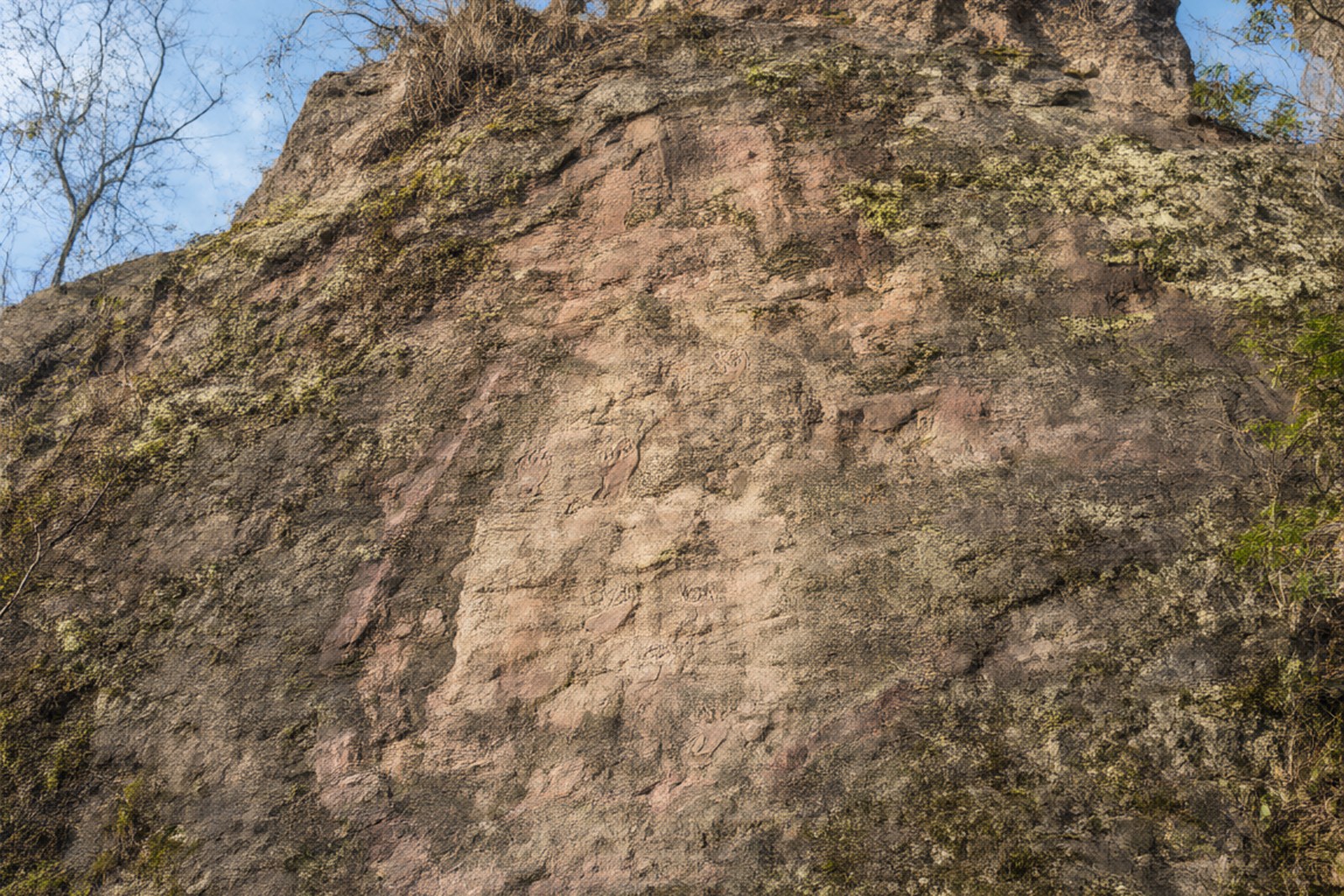
The footprint site is the heart of the visit, and you are free to walk the marked paths where the fossils lie exposed on flat slabs. Guides will point out the three-toed bird tracks and the larger dinosaur prints, explaining which layer of rock each belongs to and how the mudflat became stone. Beyond the fossils, the danxia scenery is the second act: tall red walls, rounded pillars, and narrow gullies that catch the light in copper and rust tones. Because the park is far from the main tourist loops, you often have the cliffs to yourself, with only the wind moving across the stone. Wear sturdy shoes, bring water, and give yourself a slow morning to read the mountain at your own pace.
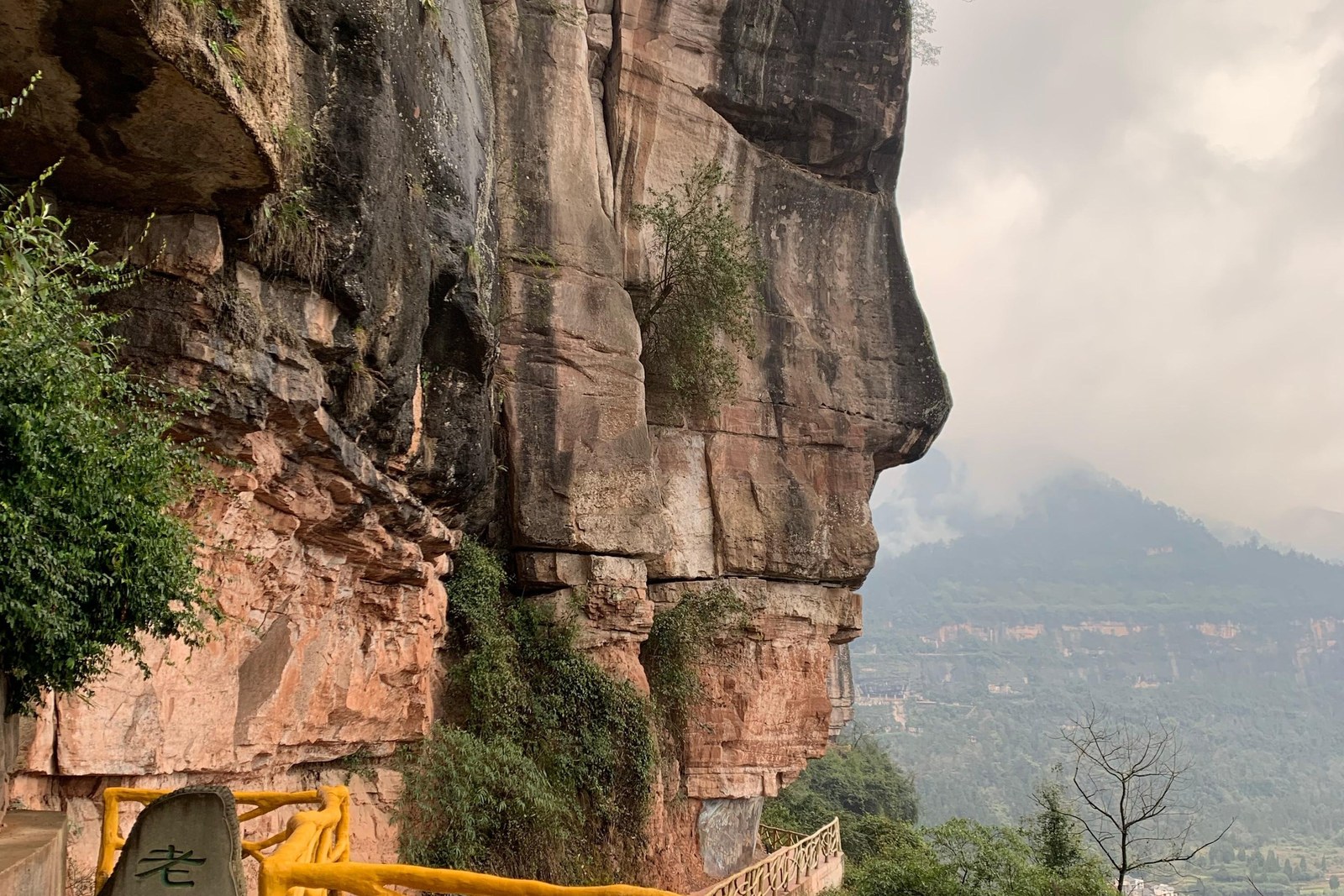
What keeps Laoying Mountain special is precisely its lack of fuss. There are no cable cars competing for your attention and no loud markets at the gate; the experience is the rock itself, the tracks, and the quiet. Geology lovers can spend hours matching the exposed layers to the interpretive signs, while casual walkers simply enjoy a red mountain that looks unlike anything else near Chongqing. The best light is late afternoon, when the danxia turns deep orange and the shadows lengthen across the gullies. Pair the trip with a stop in the geopark’s other sites if you want a fuller day of fossils and red stone, and check the weather before you go, because the open slopes offer little shade.
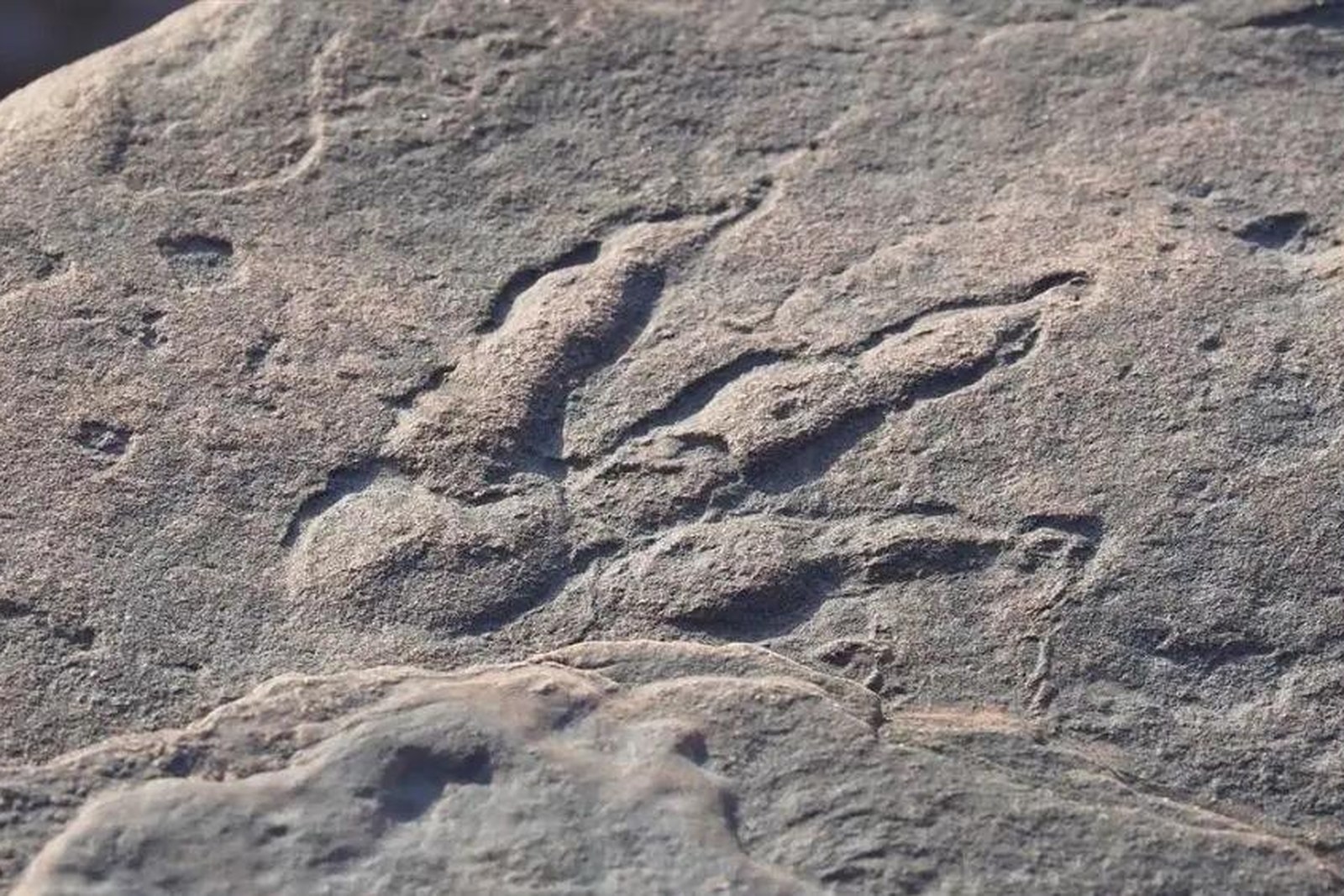
Laoying Mountain is best taken slowly, as a half-day of walking and looking rather than a checklist of sights. The footprint site is free to roam, the trails are gentle, and the scenery does the rest. Come for the dinosaurs, stay for the red silence, and leave before the light fades.
Words and Names
- 老瀛山 (Lǎoyíng Shān) — Laoying Mountain, the red-danxia peak holding the fossil tracks.
- 綦江国家地质公园 (Qíjiāng Guójiā Dìzhì Gōngyuán) — Qijiang National Geopark, the protected geology area.
- 古鸟足迹化石 (Gǔniǎo Zújì Huàshí) — ancient-bird footprint fossils, the world’s largest such collection.
- 丹霞地貌 (Dānxiá Dìmào) — danxia landforms, the red sandstone cliffs and pillars.
- 足迹 (Zújì) — footprint, the track impressed in the rock.
What the Locals Know
The fossils read best in good light, so aim for a clear day and plan the footprint slabs for the late morning and the red cliffs for the late afternoon, when the danxia glows. Spring and autumn give the most comfortable walking temperatures; summer is hot and the open slopes have little shade.
Regulars treat Laoying as a self-guided geology walk. They bring their own water and snacks, wear closed shoes for the gritty trails, and skip the weekend rush by coming on a weekday. The site is free to roam, so there is no pressure to hurry through.
One honest caveat: signage is limited and English is rare, so a Chinese-speaking companion or a downloaded guide helps. On rainy days the slabs get slick, and some paths may be closed for safety.
Practicalities
Tickets. Free to roam the footprint site; the broader geopark may have separate areas with fees.
Opening hours. Daylight hours, roughly 8:00 to 17:30.
Getting there. From the Qijiang district seat follow the signed road to the Qijiang National Geopark; about a 40-minute drive.
Closing day. No regular closing day, but check ahead for weather or maintenance.
flowcloud would say that Laoying Mountain is the red-danxia geopark where you walk among the world’s largest ancient-bird footprints for free.
Getting there: From the Qijiang district seat follow the signed road to the Qijiang National Geopark; about 40 minutes’ drive. All checked October 2026.