
Southwest China’s Largest Wildlife Park
乐和乐都 Lèhé Lèdū, Lehe Ledu, is one of the largest and most comprehensive wildlife parks in southwestern China, set in the satellite suburb of 永川区 Yǒngchuān Qū, Yongchuan District, where elephants, tigers, giraffes, zebras and hundreds of bird species live in spacious semi-natural enclosures and the headline attraction is a safari section you drive or ride through yourself. Beside the animals an amusement park adds roller coasters, water slides and a daily circus. This page is the animals, the safari and the day the park deserves.
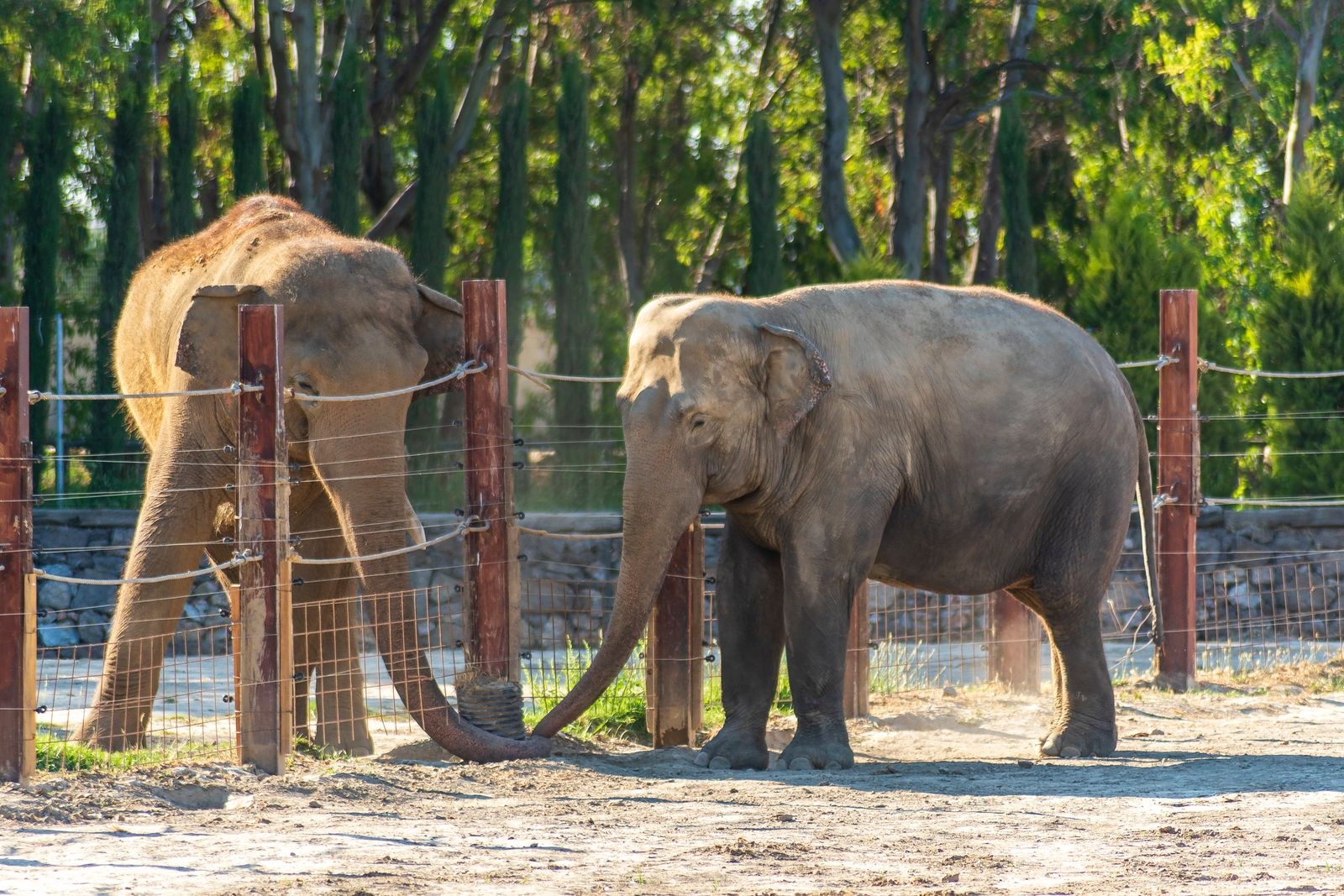
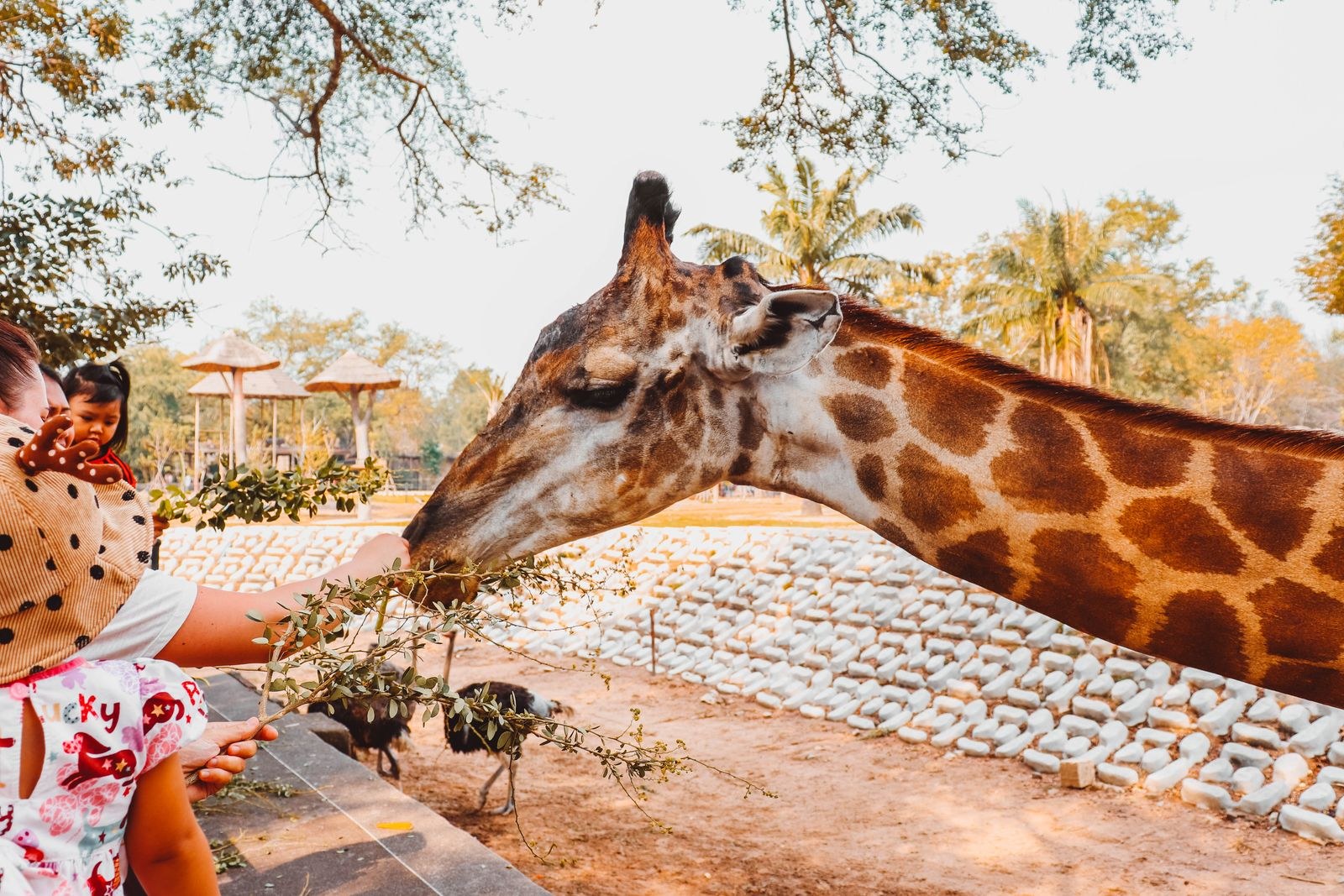
The safari section is the park’s signature and its best argument. Visitors either drive their own vehicles or ride the park shuttles through open-range habitats where the animals are not behind glass but across a rail and a stretch of ground, and the proximity is the point: an elephant comes to the fence, a giraffe lowers its head to the feeding window, the plain opens out behind them the way a wild reserve would. The park houses the big catalogue – elephants, the big cats, giraffes, zebras, a panda house and hundreds of bird species – and the enclosures are built to read as landscape rather than cage, which is what separates a wildlife park of this rank from a city zoo. The feeding from the vehicle windows is the moment families remember, and the park sets the rules for which species take food and how, so the interaction stays on the animal’s terms.
The scale is the thing to plan around, because a wildlife park of this size is a full day whether the visitor wants it or not. The walking loops connect the enclosed exhibits – the bird houses, the panda house, the small-mammal rows – and the safari takes its own stretch of road, and between them the day fills before the visitor notices. The educational programmes are a major part of the park’s mission, and the interpretive signage throughout the grounds leans on conservation themes rather than mere spectacle, which is the note the district is happy to strike. What the record supports is the park’s size and rank in the southwest, its animal catalogue, the drive-through safari, the feeding windows, the adjacent amusement park and the circus; what it does not support is any ticket figure, any posted hours table or any founding year, and none is invented here – the gate posts its own rate and season, and the page leaves the reader to them rather than quoting a number it does not have.
The amusement park beside the animals is what turns a wildlife visit into a full family day. The roller coasters and water slides sit a short walk from the safari exit, the daily circus gives a fixed show to build the itinerary around, and the combination means a child can feed a giraffe in the morning and ride a coaster after lunch without leaving the grounds. The circus is the day’s punctuation, a set time the whole park quietly aims at.
Give the park the full day it asks for, and start with the animals while the light is soft and the cats are active. The safari first, the walking exhibits next, the circus on its schedule and the rides for the warm afternoon is the order that works; the park keeps no gated secret beyond its own gate, and the only thing the record does not carry is a figure worth quoting for entry or a posted hours table, both of which the page declines to invent. The honest shape is the qualitative one – a wildlife-and-amusement park of this rank with its rate card at the gate and its own daylight clock – and the visit that suits it is the early one, because the animals belong to the cool hours and the queues belong to everyone else’s. Pair it with an overnight at one of the nearby family hotels and the full day becomes a relaxed two.
Words and Names
乐和乐都 Lèhé Lèdū, Lehe Ledu, in the satellite suburb of 永川区 Yǒngchuān Qū, Yongchuan District: one of the largest wildlife parks in southwestern China, housing elephants, tigers, giraffes, zebras, pandas and hundreds of bird species in semi-natural enclosures, with a drive-through safari where certain animals are fed from the vehicle windows, an adjacent amusement park of roller coasters, water slides and a daily circus, and conservation-themed signage throughout. No ticket figure, posted hours table or founding year is on the record consulted, and none is invented here; the gate posts its own rate and season.
What the Locals Know
The local knowledge is the opening hour and the circus time. The families from the metropolitan core arrive early and the safari queues with them, so the locals who know the park go straight to the animals at opening and save the rides for the warm afternoon when the cats have gone quiet anyway. The circus runs on a fixed schedule the whole park aims at, and the water slides are the hot-day relief the itinerary builds around. The nearby hotels run shuttles to the gate, and the page declines to quote any fare or timetable it does not have; the honest clock is the park’s own, and the early arrival is the local’s whole advantage over the coach-load that follows the sun.
flowcloud would say that Lehe Ledu is the district’s loud full-day – one of southwest China’s largest wildlife parks, a drive-through safari where elephants and giraffes come to the window, beside an amusement park of coasters, slides and a daily circus – and that the correct visit is the early one, because the animals belong to the cool opening hours and the queues belong to everyone else. All checked October 2026.
Practicalities
Tickets: The park is a gated wildlife-and-amusement complex; the gate posts its own rate and season, and no ticket figure is on the record consulted, so the page declines to quote one. The safari, the exhibits and the rides are all inside that gate. Opening hours: Daylight as the working norm, and the early opening is the hour the locals aim for – the safari queues with the first light and the cats are active then. No posted hours table is on the record consulted; the honest clock is the park’s own, with the daily circus a fixed punctuation the whole grounds build around. Closing day: None posted – a park of this rank does not close its weeks, and no published rest day is on the record consulted. The real limit is the weather: the water slides and the outdoor coasters shut for a wet day, which is a rearranged visit rather than a lost one.
Getting there: the park sits in the satellite suburb of 永川区 Yǒngchuān Qū, Yongchuan District, reached by road from the district seat with shuttle buses from the nearby family hotels; no ticket figure, posted hours table or founding year is on the record consulted, so none is invented here. Pair this page with the lehe-ledu-area-hotels page in the stay column for the room a nap’s walk from the gate, and the huaguashan-country page for the district’s quiet countryside.