
Lianhuachi Park: The Lotus Pond That Mothered a Capital, Jin Capital Waters and Lotus Summers of Fengtai District, Beijing
先有莲池滋蓟郭,后成京阙枕莲波。Xiān yǒu liánchí zī Jì Guō, hòu chéng jīngquè zhěn lián bō – First there was the lotus pond, feeding the walls of Ji; only then did palace towers rise, pillowed on lotus water.
莲花池公园 Liánhuāchí Gōngyuán Lianhuachi Park, the Lotus Pond Park, is not a park beside a station — it is, plainly put, the puddle that mothered a capital, a broad sheet of lotus water hard against the platforms of 北京西站 Běijīng Xīzhàn Beijing West Railway Station in the east of 丰台区 Fēngtái Qū Fengtai District, Beijing. The city’s own historians keep the saying: 先有莲花池,后有北京城 xiān yǒu Liánhuāchí, hòu yǒu Běijīng Chéng — “first there was the lotus pond, and only then Beijing”. The ancient walled town of 蓟城 Jì Chéng Ji City, where the Yan state kept its seat, drank from these waters more than two thousand years ago; in 1153 the Jin dynasty raised 金中都 Jīn Zhōngdū its Central Capital on the same shore, and the pond fed its palaces and moats. Only when the 元 Yuán Yuan founders moved the city north-east to new lakes did this water slide back into fields — surviving villages, dairies and later the expressway and the rails, until the historical geographer 侯仁之 Hóu Rénzhī Hou Renzhi and others pressed the planners to keep it, and the ponds became the park you see today (worth confirming the details for the park’s exact dates). What you actually visit is a working neighbourhood lake — willows, pedal boats, dancers, chess-players — with the strangest, oldest pedigree of any water in the capital.
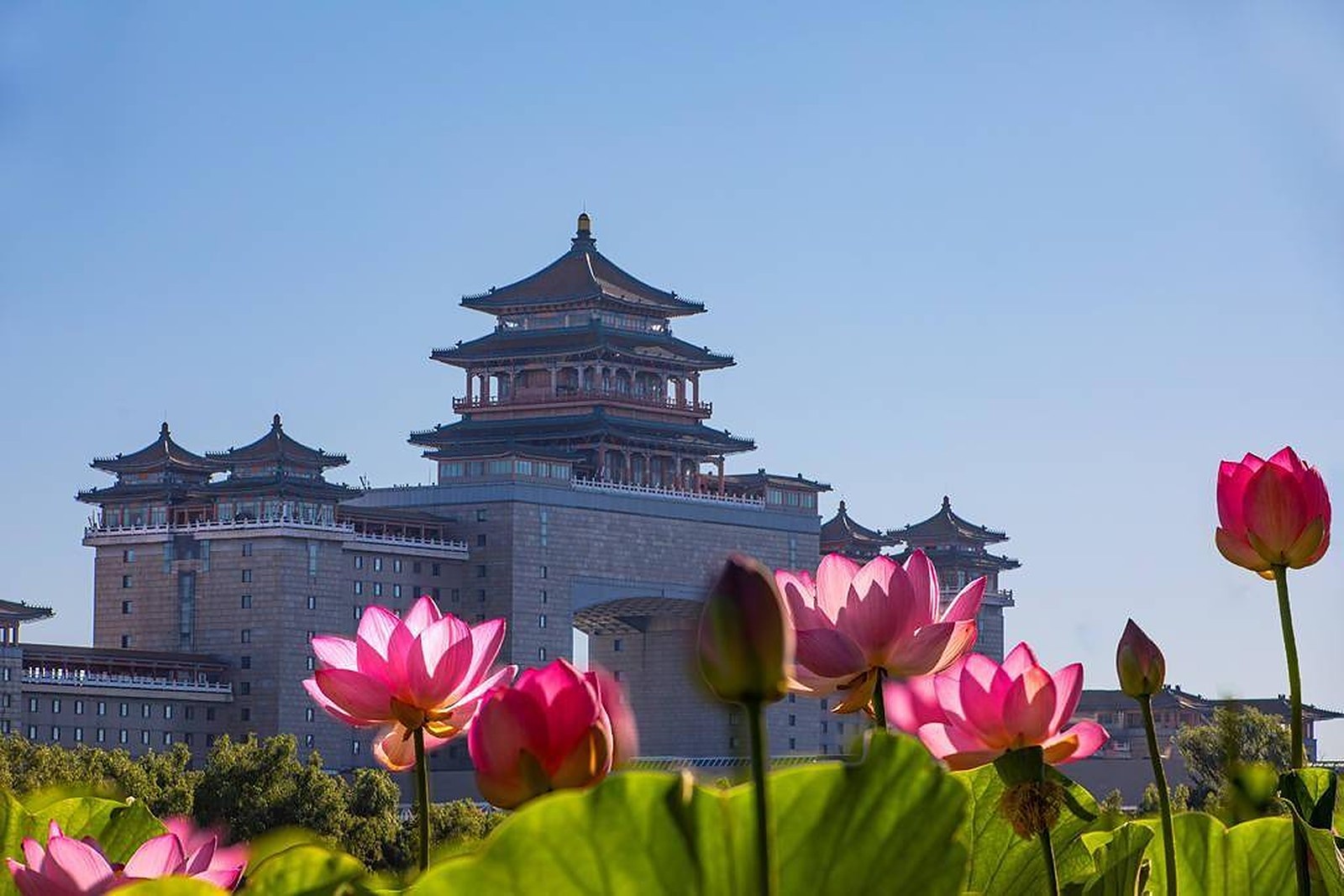
Call it honestly: a free local park with one great season. Entry is free, though park rules and lotus-week arrangements shift year to year (worth confirming the details); the pedal boats run in the warm months for a small fee (worth confirming the details), and the 荷花 héhuā lotus beds peak from late June into August (worth confirming the details). Crowds are gentle by capital standards: morning exercisers at dawn, families at weekends in the lotus weeks, and a thin, faithful crowd of anglers and photographers between. The honest warning is the neighbourhood: this is a railway park, and the rumble of the station is part of the soundtrack — some find it ruins the lotus, and some, watching an express slide past a bed of pink, find it the most Beijing composition in the city. Shade is thin on the west shore; in summer go early, and in winter come for the gulls and the bare-branch geometry instead.
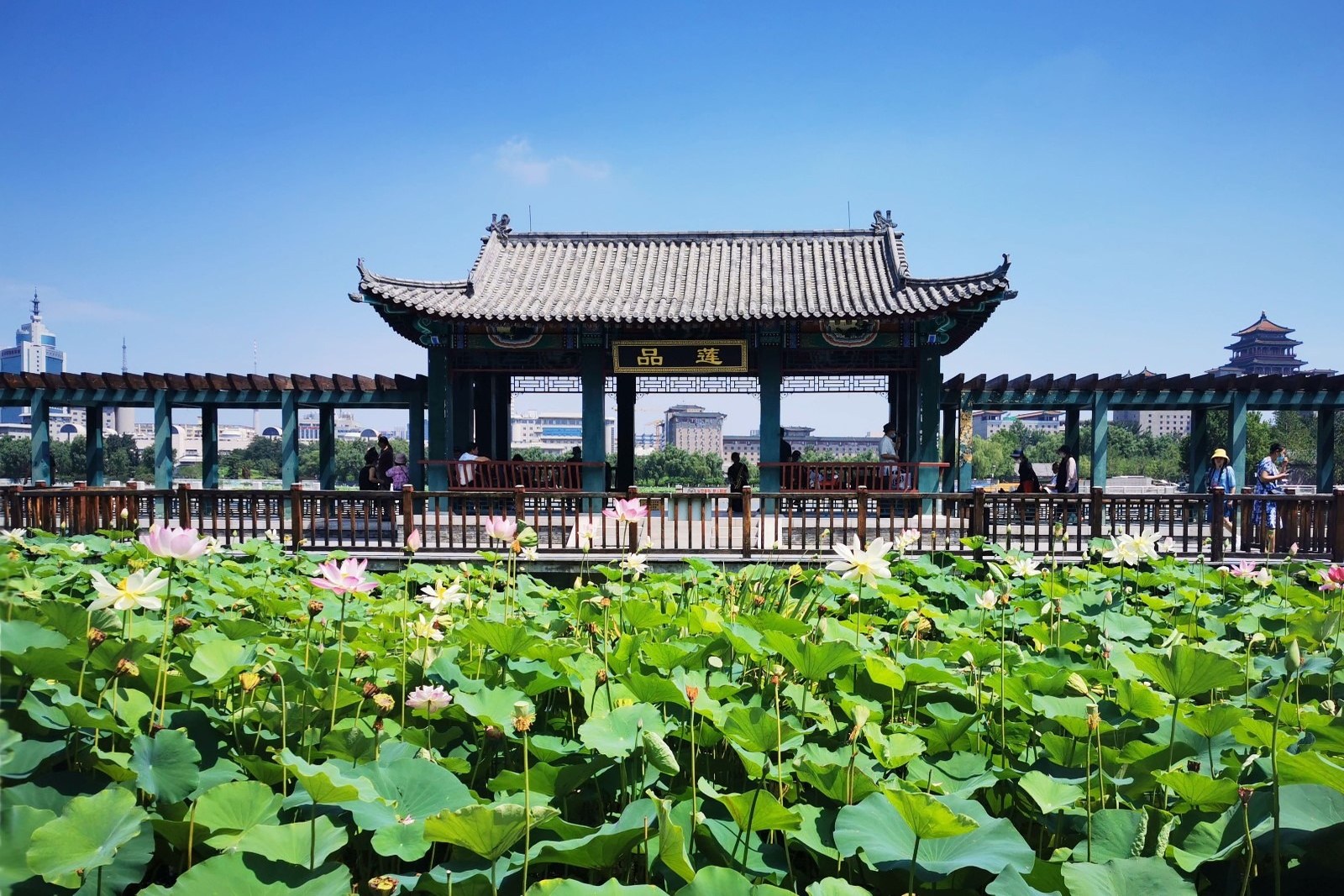
The honest star is the lotus at dawn in July, not the station façade at dusk. Walk the south and east shores when the beds first open — 荷花 héhuā lotus stacked shoulder-high out of the green water, photographers on the little bridges before eight — and you will forgive the trains entirely. What gets oversold is the “lotus festival” tag: the blooms are the bloom, and a weekday bed beats a festival-weekend queue every time. What repays the effort is the rest of the year the postcards skip — autumn reeds and low light, winter waterfowl, the fresh green of spring — and the history underfoot: the pond that fed 蓟城 Jì Chéng and the palaces of 金中都 Jīn Zhōngdū, whose earth banks are still marked a little to the south (worth confirming the details for the exact sites and any exhibitions). Come for the layering of the place: water, then lotus, then the memory of a city that began as this pond’s guest.
The self-aware postscript: I came for a trainspotting hour and stayed for the lotus, standing on a footbridge between a blooming bed and a departing express, unable to decide which one the city meant me to photograph. That is the visit in miniature. 莲花池公园 Liánhuāchí Gōngyuán suits whoever treats it as a morning walk first and a history lesson second — circle the water, sit under the willows, let the station narrate — and exhausts whoever expects a scenic-area production beside the platforms. Everything else on this Fengtai list lies within a short ride: the bright eye of 北京汽车博物馆 Běijīng Qìchē Bówùguǎn a couple of stops south on the ring road, the miniatures of 北京世界公园 Běijīng Shìjiè Gōngyuán beyond it, the garden valley of 北京园博园 Běijīng Yuánbóyuán to the west, and the stones of 卢沟桥 Lúgōu Qiáo at the district’s far edge — all in the same 丰台区 Fēngtái Qū Fengtai District, where the oldest water and the newest trains share one shore.
Practicalities
- Rating: ★★★★☆ — a neighbourhood lake with the capital’s oldest water story and its best trains-plus-lotus composition; go at dawn in the lotus weeks and the park stays yours.
- Tickets: Free entry, with small seasonal charges for boats and occasional lotus-week arrangements (worth confirming the details for current rules and hours).
- Address: 莲花池公园 Liánhuāchí Gōngyuán Lianhuachi Park, 丰台区 Fēngtái Qū Fengtai District, Beijing — beside 北京西站 Běijīng Xīzhàn Beijing West Railway Station on the west side of the Third Ring.
- Time needed: One to two hours for a full circuit of the water; longer with a camera in the lotus weeks.
Words and Names
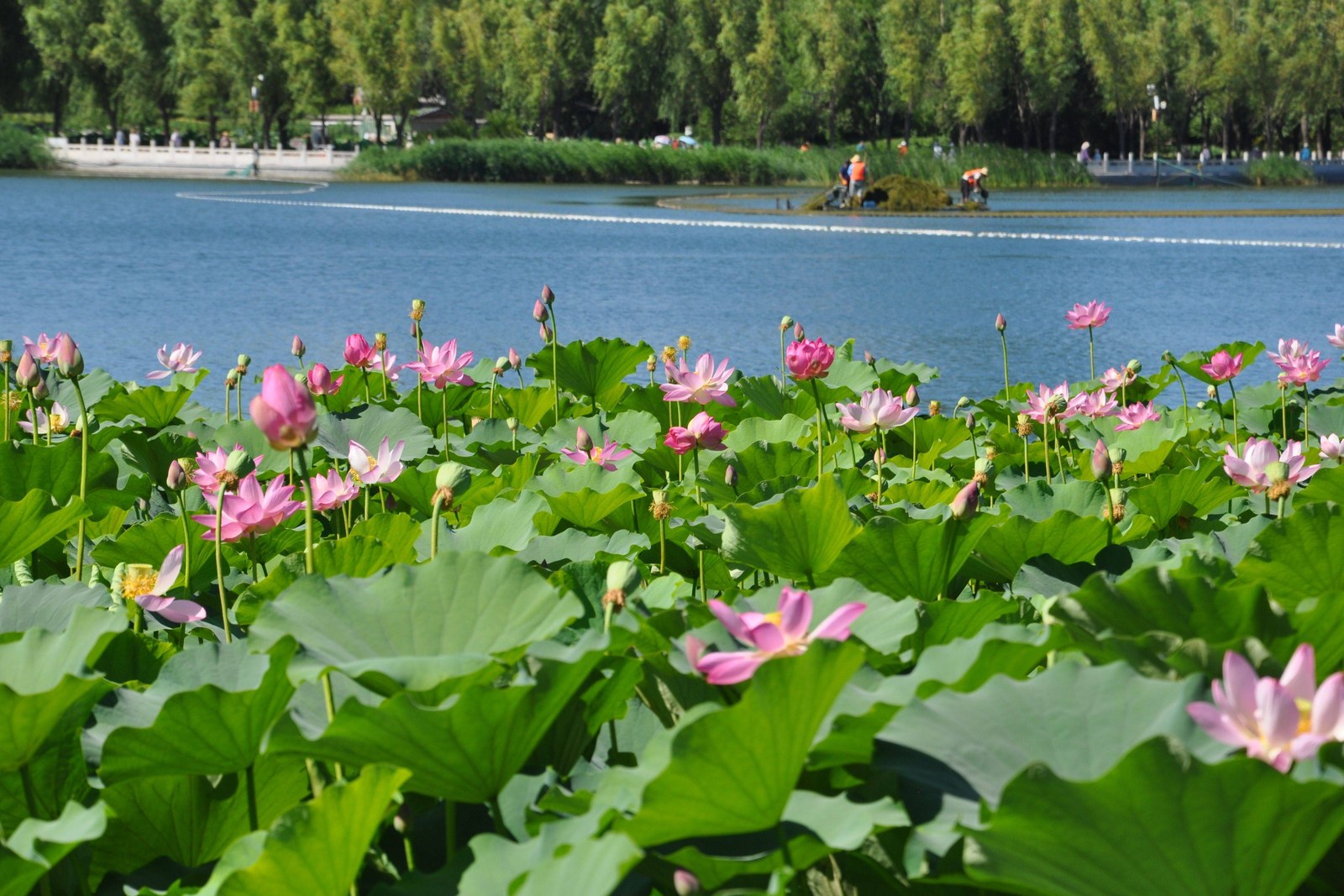
莲花池 Liánhuāchí Lianhuachi · the lotus pond older than the city it fed 先有莲花池,后有北京城 xiān yǒu Liánhuāchí, hòu yǒu Běijīng Chéng “first the lotus pond, then the city of Beijing” · the saying that keeps the pond’s precedence alive 蓟城 Jì Chéng Ji City · the ancient walled town that drank from these waters 金中都 Jīn Zhōngdū Jin Central Capital · the Jin dynasty capital raised beside the lake from 1153 侯仁之 Hóu Rénzhī Hou Renzhi · the historical geographer who pressed to keep the pond 荷花 héhuā lotus · the summer bloom that gives the park its season 北京西站 Běijīng Xīzhàn Beijing West Railway Station · the great rail terminus sharing the pond’s shore
flowcloud would say that 莲花池公园 Liánhuāchí Gōngyuán is Fengtai’s oldest water with the newest neighbours — the pond that fed 蓟城 Jì Chéng and the palaces of 金中都 Jīn Zhōngdū, saved by the advocacy of 侯仁之 Hóu Rénzhī, now holding its 荷花 héhuā lotus beds hard against 北京西站 Běijīng Xīzhàn Beijing West Railway Station — and that the honest move is a July dawn on the east shore, because the boats, the season arrangements and the lotus peak all shift year to year (worth confirming the details), the festival weekends are the crowded half, and the park repays whoever walks for water first and history second while losing whoever expects a scenic-area production beside the trains. All checked October 2026.
Getting there: Metro Line 7 or Line 9 to 北京西站 Běijīng Xīzhàn Beijing West Railway Station and follow the signs to the water — the park sits in 丰台区 Fēngtái Qū immediately beside the station, on the west side of the Third Ring (worth confirming the details for lotus-season arrangements and current hours). All checked October 2026.