
Lingshui Village: The Village of Provincial Graduates, Ancient Cypresses and the Old Study Wells of Mentougou District, Beijing
山泉自古滋文脉,古柏荫中出举人。Shānquán zìgǔ zī wénmài, gǔbǎi yīn zhōng chū jǔrén – The mountain springs have nourished the line of letters since antiquity; from the shade of the old cypresses came the provincial graduates.
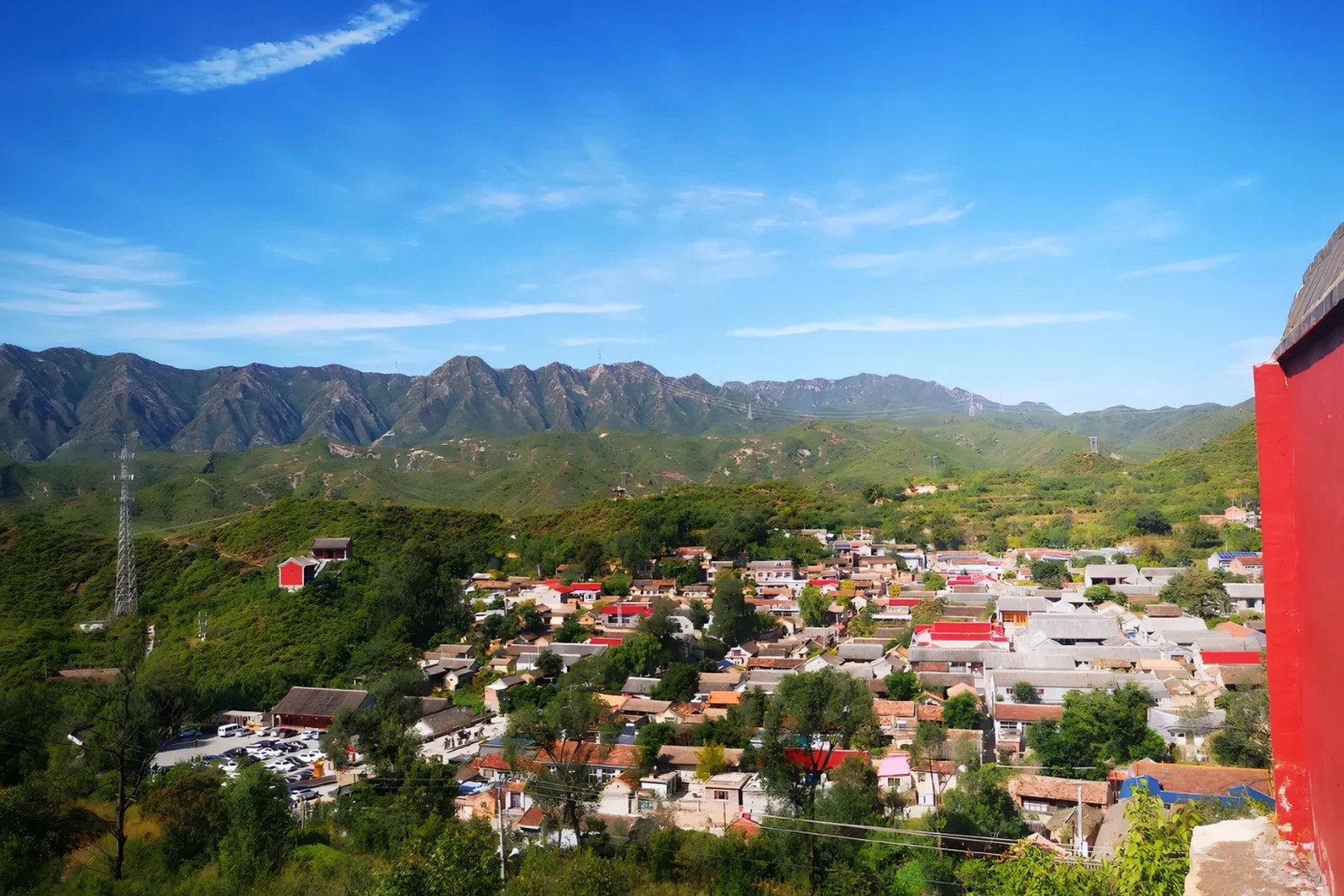
灵水村 Língshuǐ Cūn Lingshui Village is not a quiet hamlet that once did well in the exams — it is, plainly put, a village built around study: in a fold of the mountains behind 斋堂镇 Zhāitáng Zhèn Zhaitang town in the deep west of 门头沟区 Méntóugōu Qū Mentougou District, Beijing, this stone-laned settlement is known across the capital as 举人村 jǔrén cūn, the Village of Provincial Graduates, for the remarkable number of 举人 jǔrén — scholars who passed the imperial provincial examinations — that its courtyard households produced (the count is retold with pride and varies by teller — worth confirming the details). The name means “numinous water”, and the credentials stand in the open: ancient dwellings of stone and grey tile, scholar lanes climbing the slope, 古柏 gǔbǎi old cypresses said to stand there for centuries, 古井 gǔjǐng old wells that served the study courtyards, and carved inscriptions recording who read under which roof. Television found it too — documentaries and a much-watched family television programme have filmed among the lanes (worth confirming the details for which productions). What you actually visit is a lived-in stone village that reads like an open textbook of ambition.
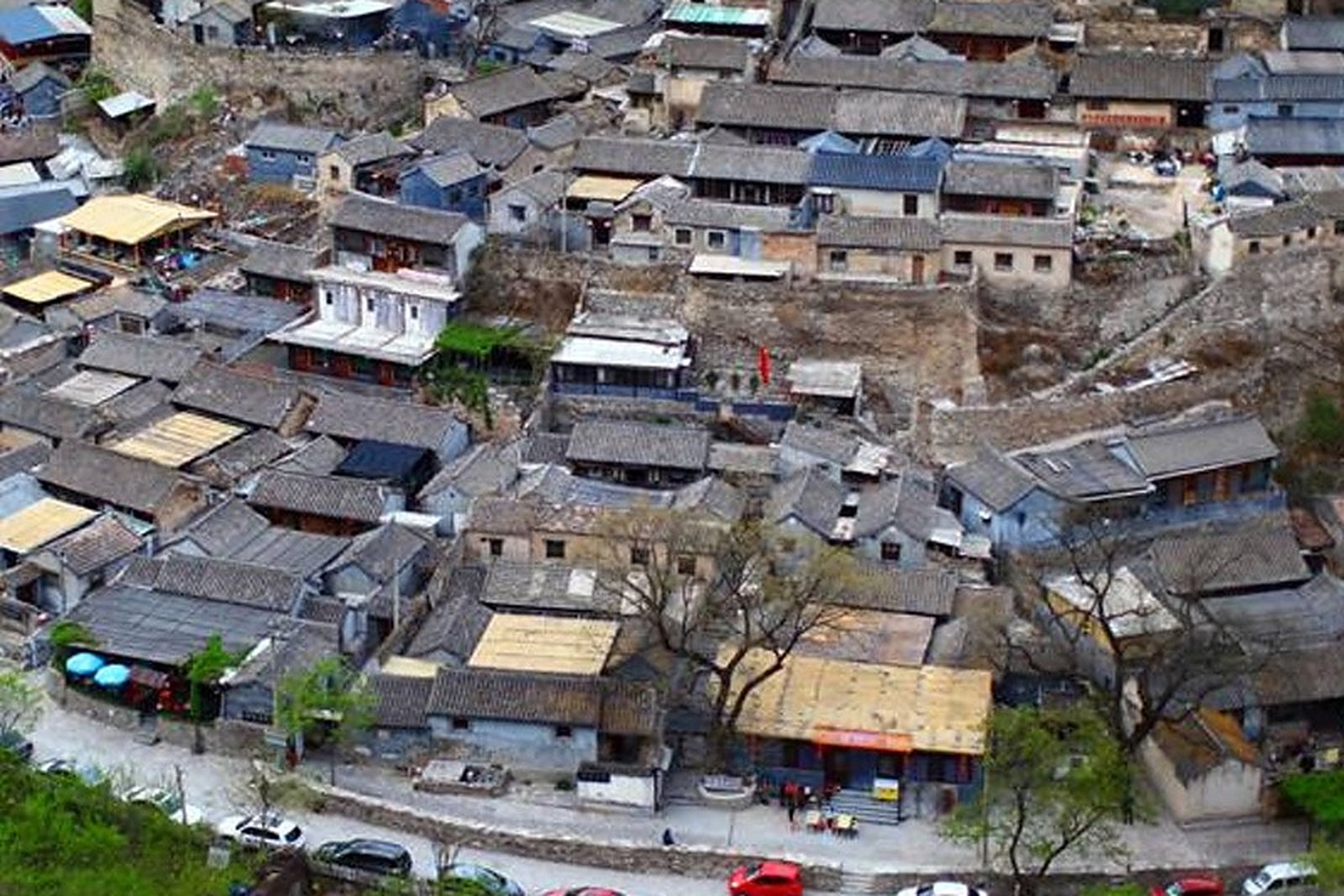
Call it honestly: the quiet sibling of the region’s famous villages, and charming precisely for that. Access rules are lighter than at its neighbours — entry has been modest or free in the past, and the current arrangements are worth confirming the details before you go — and the village is genuinely half-residential, so which courtyards you may enter, photograph or pay for varies house by house (worth confirming the details for open courtyards and any exhibit rooms). The honest moves are to come paired with 爨底下村 Cuàndǐxià Cūn Cuandixia Village over the next fold — the two make one natural mountain-village day — and to give the lanes an unhurried hour rather than a drive-by twenty minutes. Services are thin: eat in 斋堂镇 Zhāitáng Zhèn Zhaitang town or in a family courtyard, carry water, and expect signage to be friendly but spare. Anyone demanding a polished attraction leaves disappointed; anyone content to read stone inscriptions and talk to residents will not want to leave.
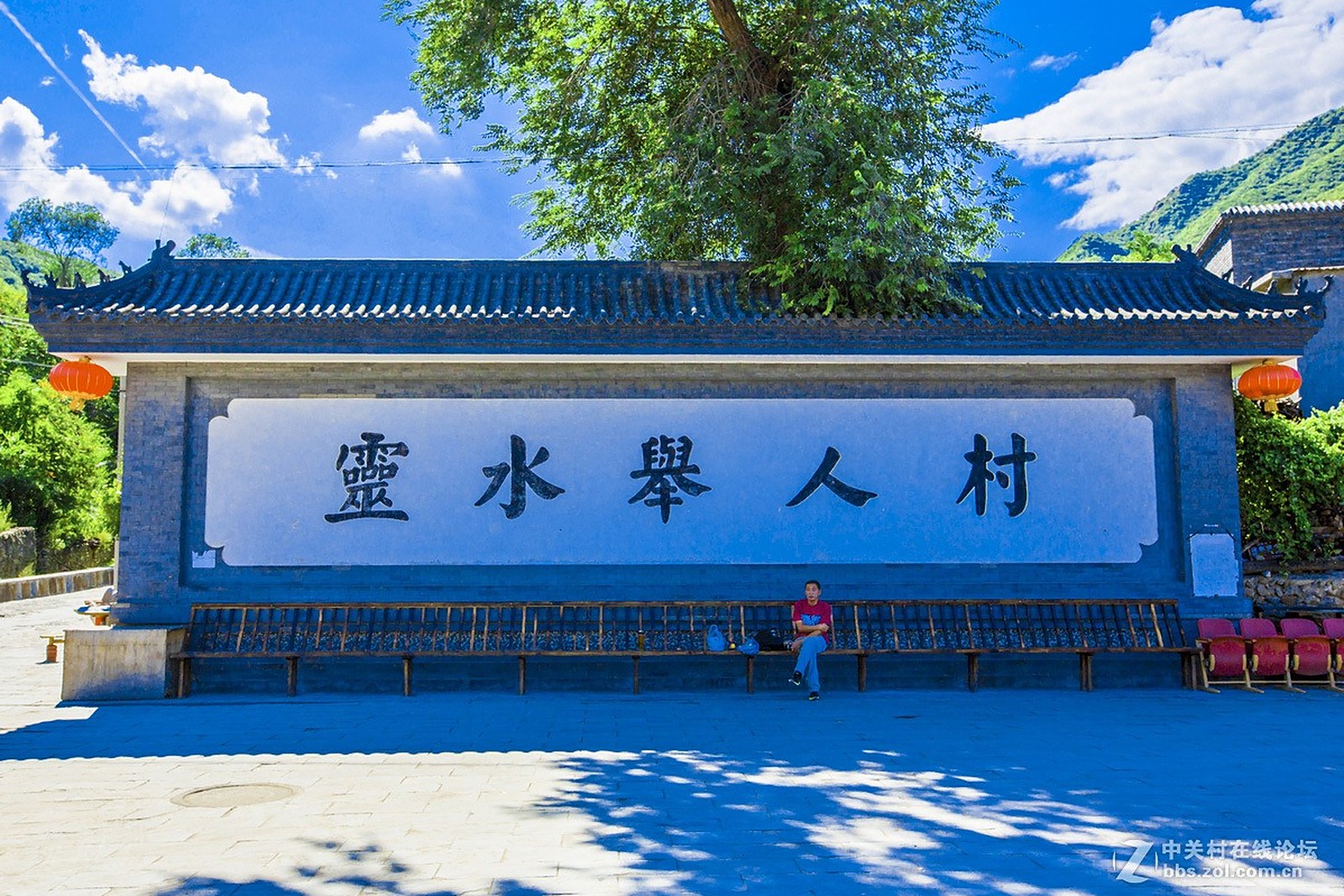
The honest star is the study-courtyard atmosphere — scholar trees, worn wells, lanes that still say 举人 jǔrén — not any single building. The village keeps small display rooms retelling the examination stories and the study habits of the old academies, and the real pleasure is standing in a stone courtyard imagining the pen-scratch behind the paper window. What gets oversold is the television fame: the family-show season brought queues, and the village has since settled back into being itself, which is better (worth confirming the details for any filming-related displays). What repays the effort is the walking — lanes stepping up between dwellings, the old cypresses standing over wells and shrines, the view down the fold of the valley — and the pairing with 爨底下村 Cuàndǐxià Cūn Cuandixia Village for a full “old Mentougou” double bill of stone and scholarship. Come for the layering of the place: lane, then courtyard, then hillside.
The self-aware postscript: I stood reading the roll of graduates carved by the village gate while a resident grandfather corrected my pronunciation of 举人 jǔrén — twice — and then recited, from memory, which lane had produced which scholar and which well they drew from. That is the visit in miniature. 灵水村 Língshuǐ Cūn suits whoever treats it as a slow, reading-kind of village walk first and a sightseeing stop second — wander, ask, sit under the cypresses — and exhausts anyone expecting ticket halls, because the whole show here is the residents’ memory. Everything else on this Mentougou list shares the same road system: the ingot-shaped lanes of 爨底下村 Cuàndǐxià Cūn Cuandixia Village over the next fold, the proverb-and-ginkgo courts of 潭柘寺 Tánzhè Sì Tanzhe Temple to the south-east, the ordination altar and pines of 戒台寺 Jiètái Sì Jietai Temple, and the pilgrimage summit of 妙峰山 Miàofēng Shān Miaofeng Mountain — all in the same 门头沟区 Méntóugōu Qū Mentougou District that raised its scholars in the mountains.
Practicalities
- Rating: ★★★☆☆ — a quiet scholar-village that rewards the patient and underwhelms the checklist tourist; the study courtyards, old cypresses and wells outrank its thin services; best paired with Cuandixia in one mountain day.
- Tickets: Modest or free entry in the past, with some courtyards or display rooms charged individually (worth confirming the details for current entry rules and openings).
- Address: 灵水村 Língshuǐ Cūn Lingshui Village, 斋堂镇 Zhāitáng Zhèn Zhaitang town, west 门头沟区 Méntóugōu Qū Mentougou District, Beijing — up the valley fold along the 109 国道 guódào national road.
- Time needed: One to two hours for the lanes, cypresses and courtyard exteriors; half a day paired with 爨底下村 Cuàndǐxià Cūn.
Words and Names
灵水村 Língshuǐ Cūn Lingshui Village · the “numinous water” village of the western folds 举人 jǔrén provincial graduate · the examination rank that named the village 举人村 jǔrén cūn Village of Provincial Graduates · the village’s famous byname 古柏 gǔbǎi ancient cypresses · the old trees standing over wells and shrines 古井 gǔjǐng old wells · the wells that served the study courtyards 斋堂镇 Zhāitáng Zhèn Zhaitang town · the mountain town beside which the village lies 古民居 gǔ mínjū ancient dwellings · the stone-and-tile courtyards kept in daily use
flowcloud would say that 灵水村 Língshuǐ Cūn is the mountain village that invested in examinations — the 举人村 jǔrén cūn “Village of Provincial Graduates” of 斋堂镇 Zhāitáng Zhèn, its 古民居 gǔ mínjū stone courtyards, 古柏 gǔbǎi cypresses and 古井 gǔjǐng wells keeping the record of the 举人 jǔrén scholars the lanes produced (worth confirming the details for the exact count) — and that the honest move is an unhurried hour with questions asked and inscriptions read, ideally paired with 爨底下村 Cuàndǐxià Cūn over the fold, because entry rules, open courtyards and services are all light and shifting (worth confirming the details), the television-fame crowd is the gone half, and the village repays whoever treats it as a textbook while losing whoever expects a ticket-hall attraction. All checked October 2026.
Getting there: Self-drive up the 109 国道 guódào national road to 斋堂镇 Zhāitáng Zhèn Zhaitang town and the village road beyond, pairing naturally with 爨底下村 Cuàndǐxià Cūn Cuandixia Village in the same valley system; long-distance buses from the western city also serve the 斋堂 Zhāitáng valley, leaving a local taxi or ride-share for the last kilometres into west 门头沟区 Méntóugōu Qū Mentougou District, Beijing (worth confirming the details for current bus routes, frequencies and the village approach road). All checked October 2026.