
Willows and Slow Water at the Southern Edge: Liulin
千条柳线垂河岸,一段闲云属野凫 Qiān tiáo liǔ xiàn chuí hé àn, yī duàn xián yún shǔ yě fú – A thousand willow threads hang along the bank; one stretch of idle cloud belongs to the wild ducks
柳林景区 Liǔlín Jǐngqū The Liulin riverside is 天津市河西区 Tiānjīn Shì Héxī Qū Hexi District’s quiet end – the southern stretch of the Haihe where the channel widens, the banks green over, and rows of old willows give the ward its name. Far from the sightseeing quays upstream, this is the river at neighborhood pace: fishing poles on the revetment, cyclists on the levee path, and herons working the shallows at first light.
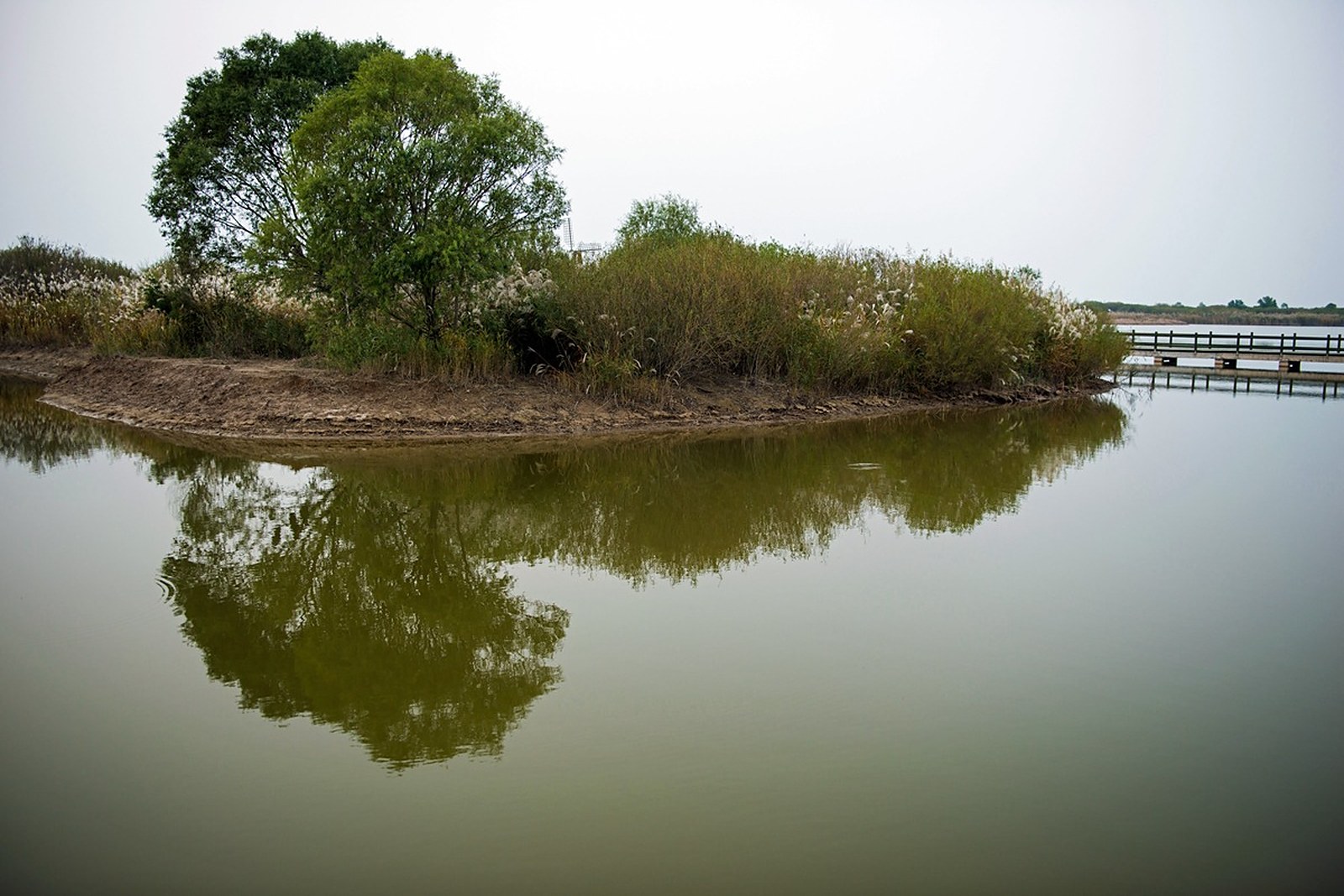
The walk is the attraction. The embankment path runs flat and open between willow rows, the water carries the sky on calm afternoons, and the city thins to low houses and green nurseries – an hour here resets what the downtown towers wind up.
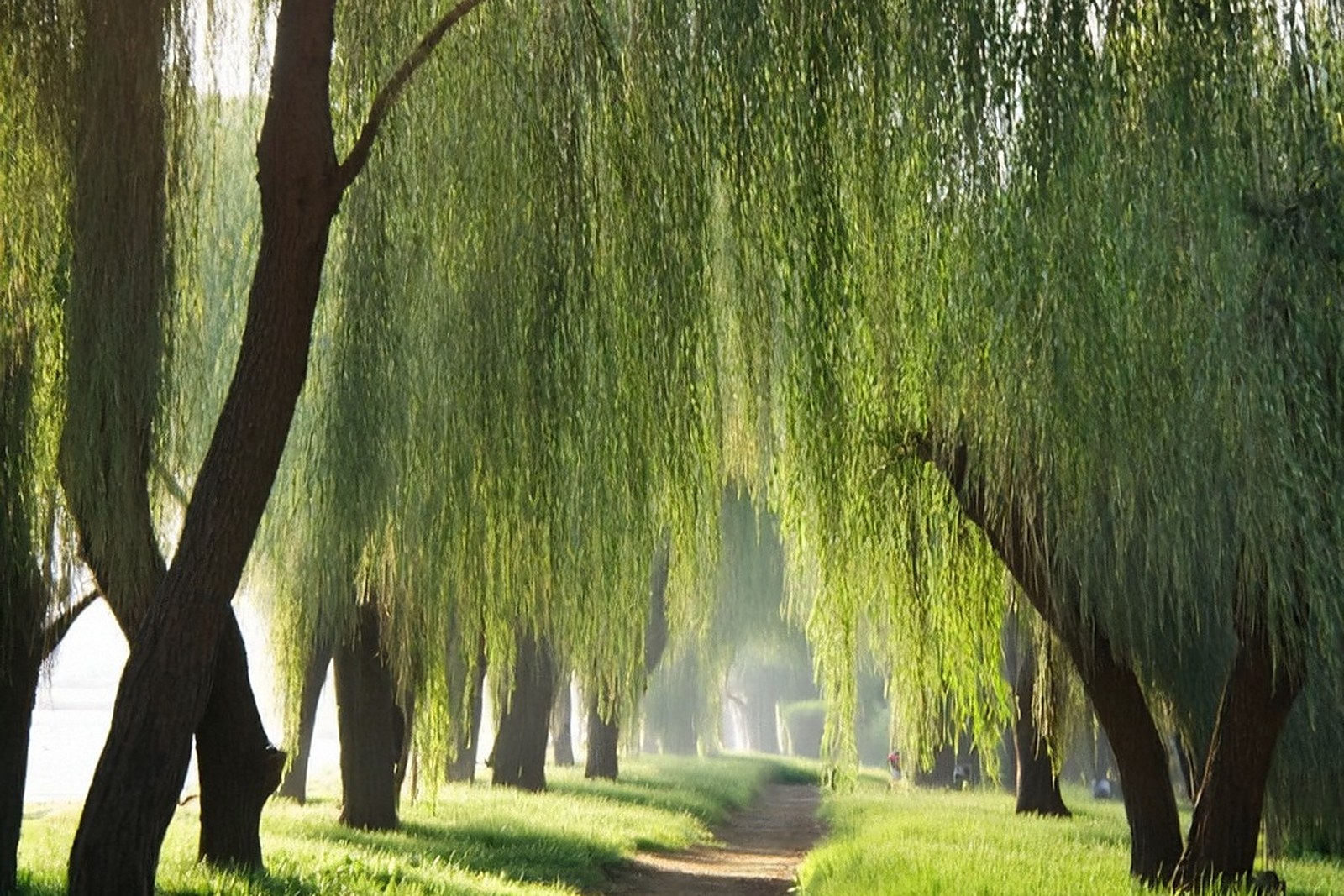
Willows are the signature, as the name promises. Their curtains line the banks spring through autumn, the green shade runs long at the water’s edge, and in November the gold comes – the whole bank lighting up briefly before the season turns. Birdlife rides the reed beds at the waterline: moorhens, wagtails, and the winter duck rafts that drift down from the north.
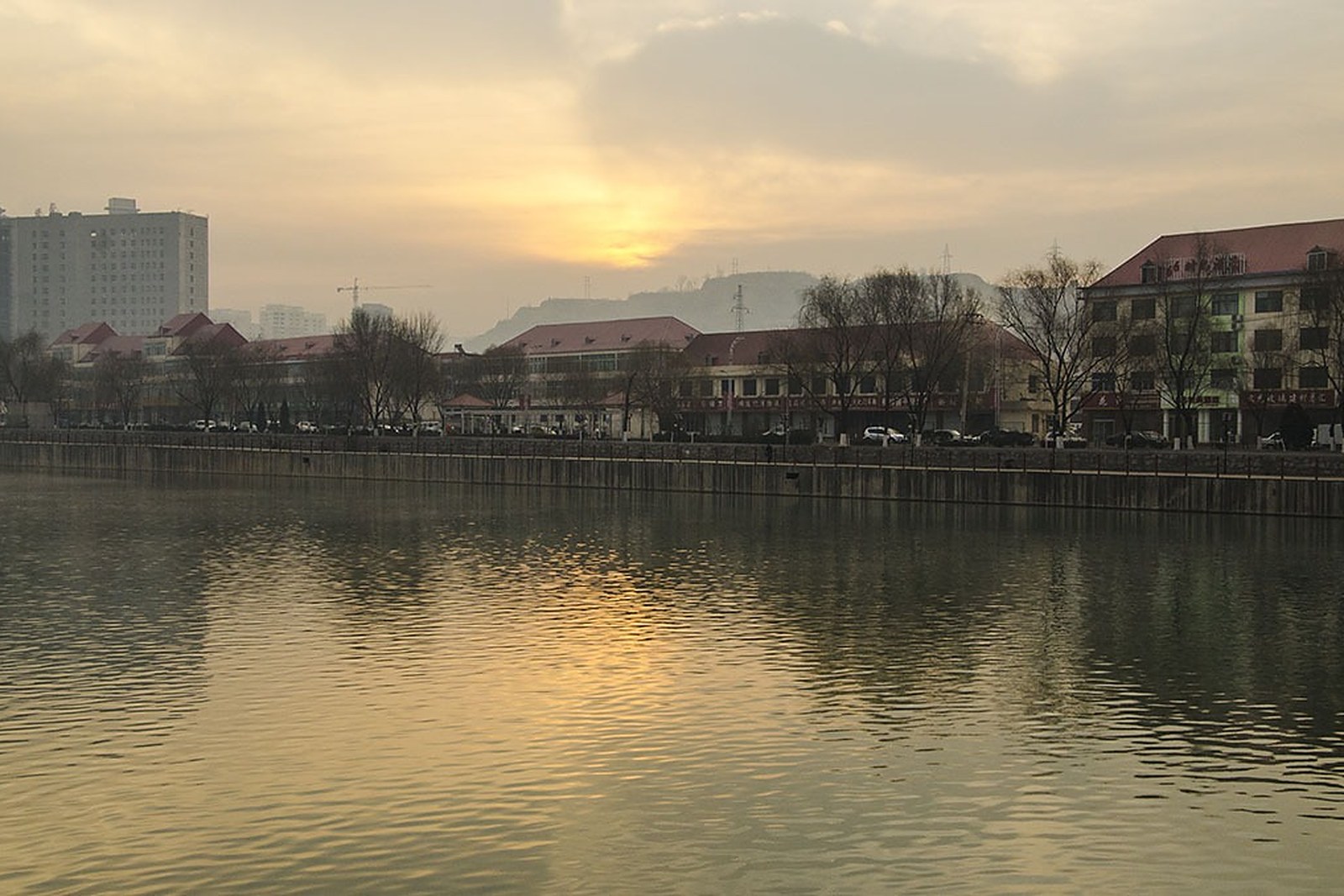
Come by bike if the weather holds – the levee path links back toward the city for an easy riverside loop – or come at dusk, when the fishing rods go up like a fringe and the water takes the sunset whole. Entry is free and always open; the river keeps the schedule.
Practicalities
- Open riverside ground, free at all hours; the levee path is paved and flat.
- Buses south along Dagu Road put the bank within a short walk; cycling from the Tianta lakeside makes a good half-day loop.
- Spring and autumn give the best walking weather; summer noons run hot and open.
- Bring water – the riverside is real edge-of-city, and shops thin out fast.
Words and Names
柳林 Liǔlín Liulin, the willow forest that names the reach; 海河 Hǎihé the Haihe, the mother river of Tianjin; 河堤 hédī the levee path along the bank; 白鹭 báilù the egrets that work the shallows; 野凫 yěfú the wild ducks wintering on open water. Beyond the willows, the same 天津市河西区 Tiānjīn Shì Héxī Qū Hexi District keeps more places worth the detour: 天津文化中心 Tiānjīn Wénhuà Zhōngxīn the Cultural Center, 天津广播电视塔 Tiānjīn Guǎngbō Diànshì Tǎ the TV Tower, 人民公园 Rénmín Gōngyuán Renmin Park, or 挂甲寺 Guàjiǎ Sì Guajia Temple – four more doors into the same Hexi District. Once the levee has had its loop, our Hexi food map fills the table.
flowcloud would say Liulin is the river’s last unhurried paragraph: willows for shade, water for a mirror, and a fishing rod for a clock. All checked November 2026.
Getting there: The Liulin reach runs along the Haihe’s southern loop at the ward’s south end – buses along Dagu Road stop within a short walk of the embankment, and the riverside path carries cyclists from the city side. All checked November 2026.