
Longyan Fortress, also called Longya City, is a Southern-Song cliff citadel perched on Mazui Mountain above Sanquan Town that held off the Mongol armies for eighteen years. Locals still call it the unbeaten city, and the stone gates and step lanes climbing the ridge tell the story without a single museum. It is a low-traffic historical gem, quiet and a little rough underfoot.
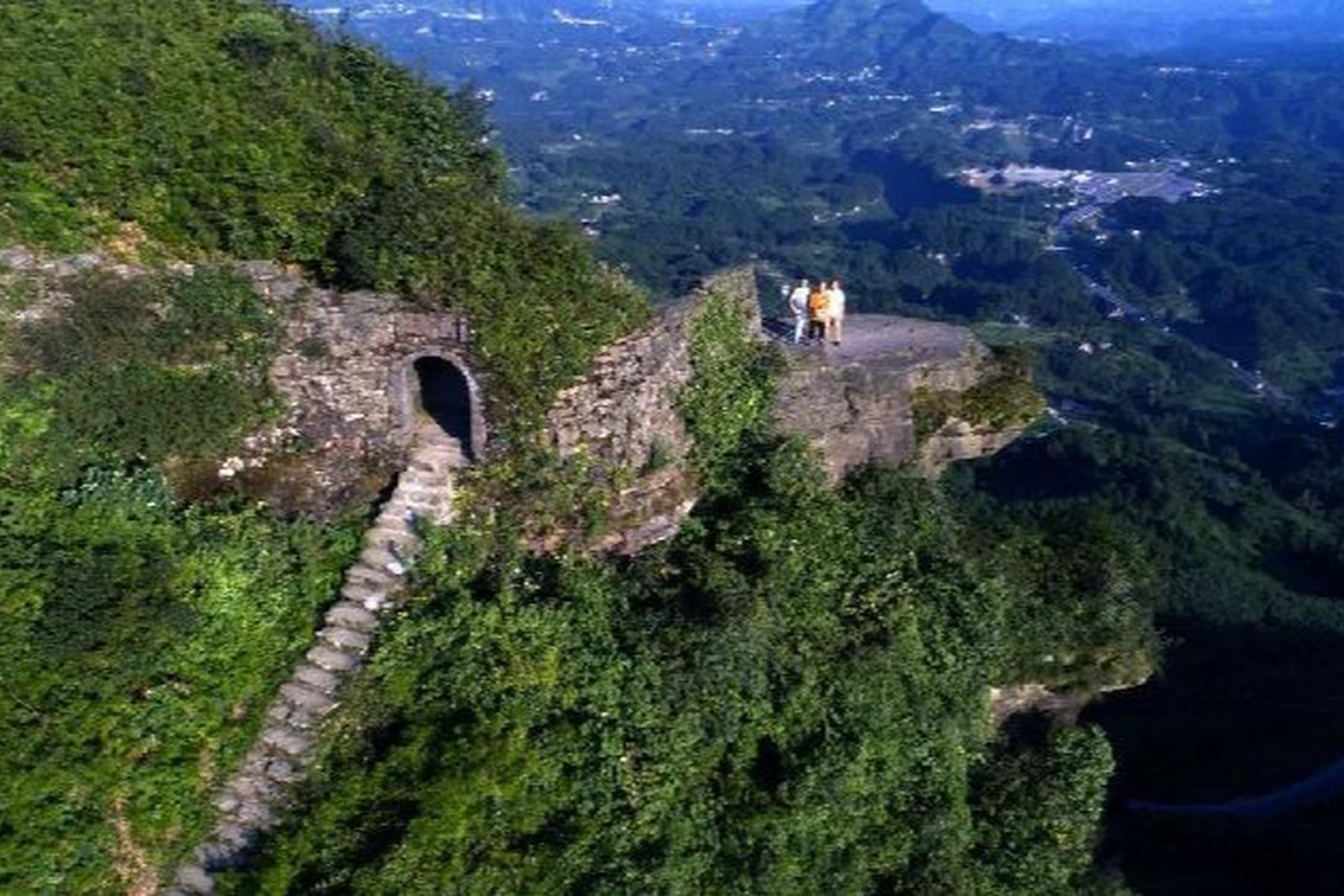
The climb follows old step lanes carved into the slope, rising between stone walls that have stood for eight centuries. At the top, the cliff citadel opens to a quiet enclosure where the air feels far from the modern town below. The path is steep in places, and the stone is uneven, so the walk is more about history than exercise.
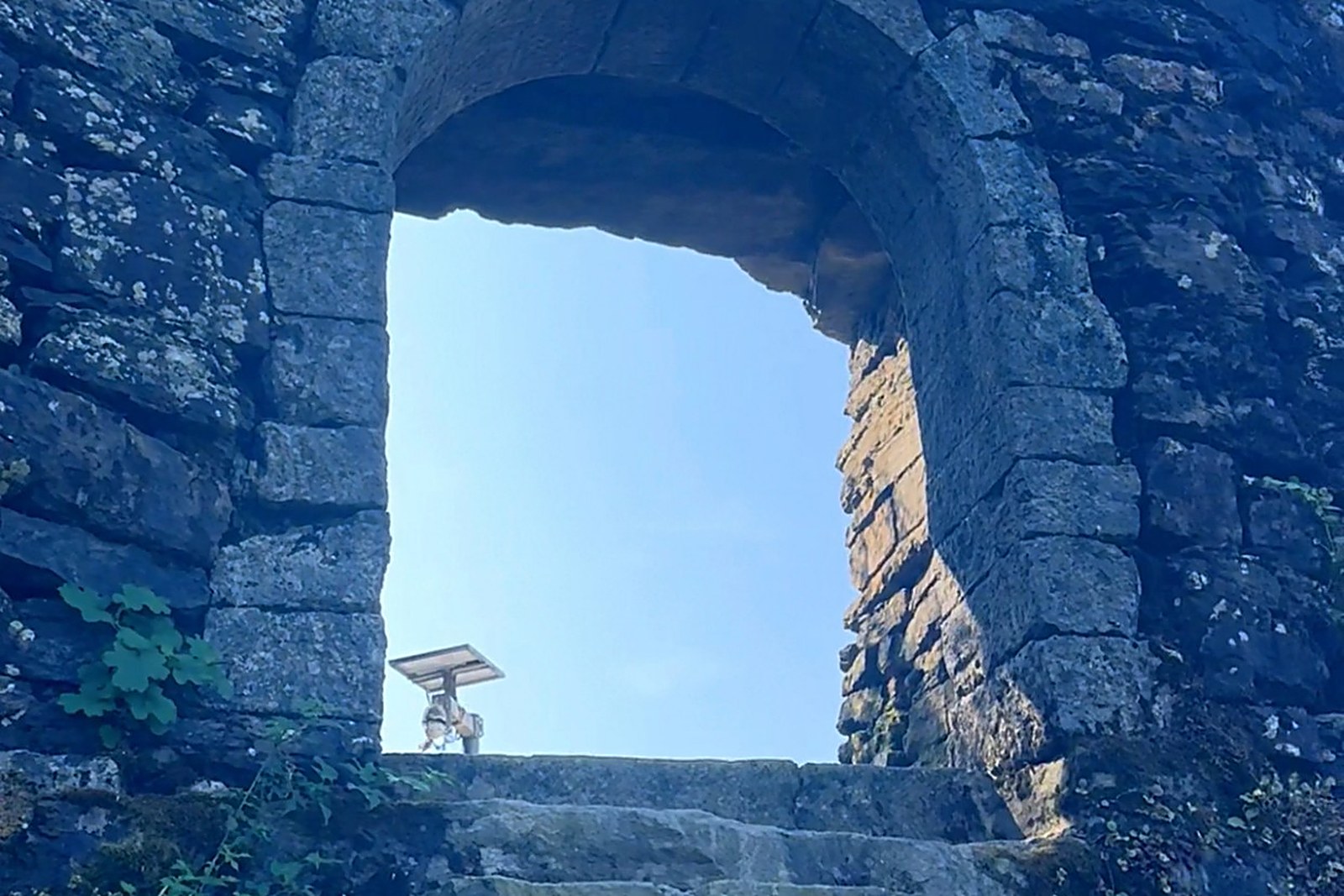
An inscribed cliff stands within the site, though the carving is worn by weather and is no longer legible, and any plaque set nearby is a plain blank surface with no readable text. The stone itself, rough and aged, is the record, and visitors read the place through its shape rather than its words. The view from the ridge reaches across the valley that the garrison once watched.
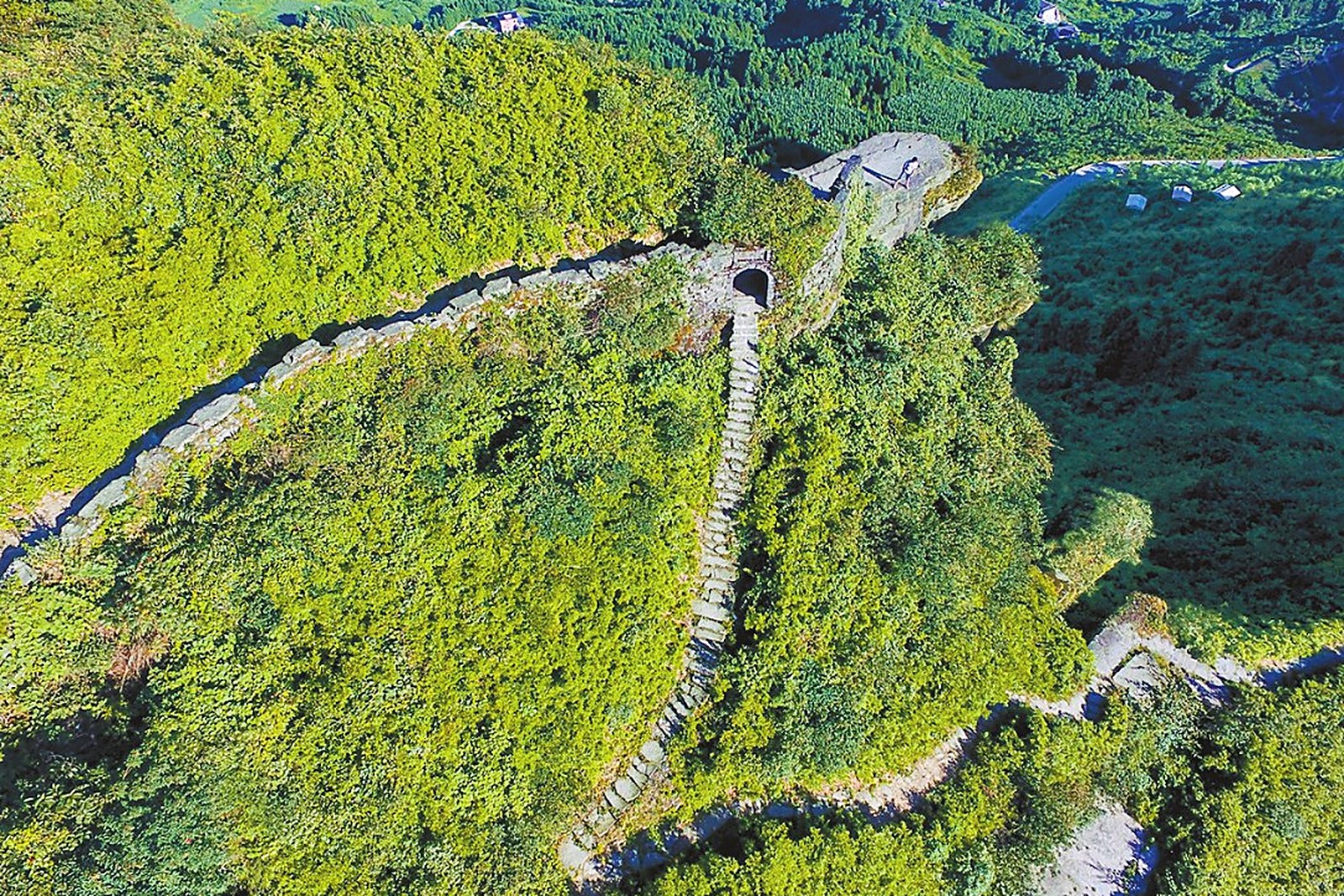
Longyan Fortress rewards those who come for atmosphere rather than facilities. There are few signs and fewer visitors, so it feels like a place left to itself, which is part of the appeal. Allow time to walk slowly, watch your footing, and imagine the long defense that earned the unbeaten name, then descend before light fades on the steep lane.
Words and Names
- Longyan Fortress (龙崖城) — the Southern-Song cliff citadel also called Longya City above Sanquan Town.
- Mazui Mountain (马嘴山) — the mountain that carries the fortress.
- Sanquan Town (三泉镇) — the town below the mountain.
- Southern-Song (南宋) — the dynasty that built and held the citadel.
What the Locals Know
The fortress is best in dry weather, because the stone step lanes are steep and become slippery after rain, and there is little to hold onto on the open sections. Locals warn that this is a walk for care, not speed, and that proper shoes with grip are essential. Go in the morning for cool air and soft light on the cliffs, and avoid the site entirely after heavy rain.
There are no ticket offices or facilities at the top, so carry your own water and a snack, and tell someone your plan since phone signal can be weak. The eighteen-year defense against the Mongols is the story people come for, but the site itself is plain and unmarked, so read up beforehand to get the most from the lanes and gates. Weekdays are silent; even weekends stay quiet.
Because it sits above Sanquan Town, the fortress pairs with a visit to Jinfo Mountain’s north side, but give each its own half-day rather than rushing both. Check the weather and wear layers, as the ridge is exposed and cooler than the seat.
Practicalities
Tickets. Usually free to visit as a low-traffic historical site; confirm on site as local management can change.
Opening hours. Daylight access along the step lanes; no formal staffed hours, so plan around daylight.
Getting there. From Nanchuan district seat, travel to Sanquan Town, then climb Mazui Mountain to the fortress trail; local guidance helps as signage is limited. From Chongqing, reach Nanchuan by expressway, then continue to Sanquan Town.
Closing day. No regular closing day, but access depends on weather; check ahead after rain.
flowcloud would say that Longyan Fortress is the quiet unbeaten Song cliff citadel where eighteen years of defense live in weathered stone rather than in words.
Getting there: From the Nanchuan district seat, go to Sanquan Town and climb Mazui Mountain to the fortress step lanes. All checked October 2026.