
In the hills north of 惠州 Huìzhōu in 广东 Guǎngdōng there is a mountain that has been a destination for a very long time. 罗浮山 Luófú Shān — Luofu Mountain — rises out of the plains of 博罗 Bóluó county in a cluster of granite peaks, and it has been counted among the great 道教 Dàojiao — Taoist — mountains of China for close to two thousand years. People come to climb it, and people have always come for something else as well.
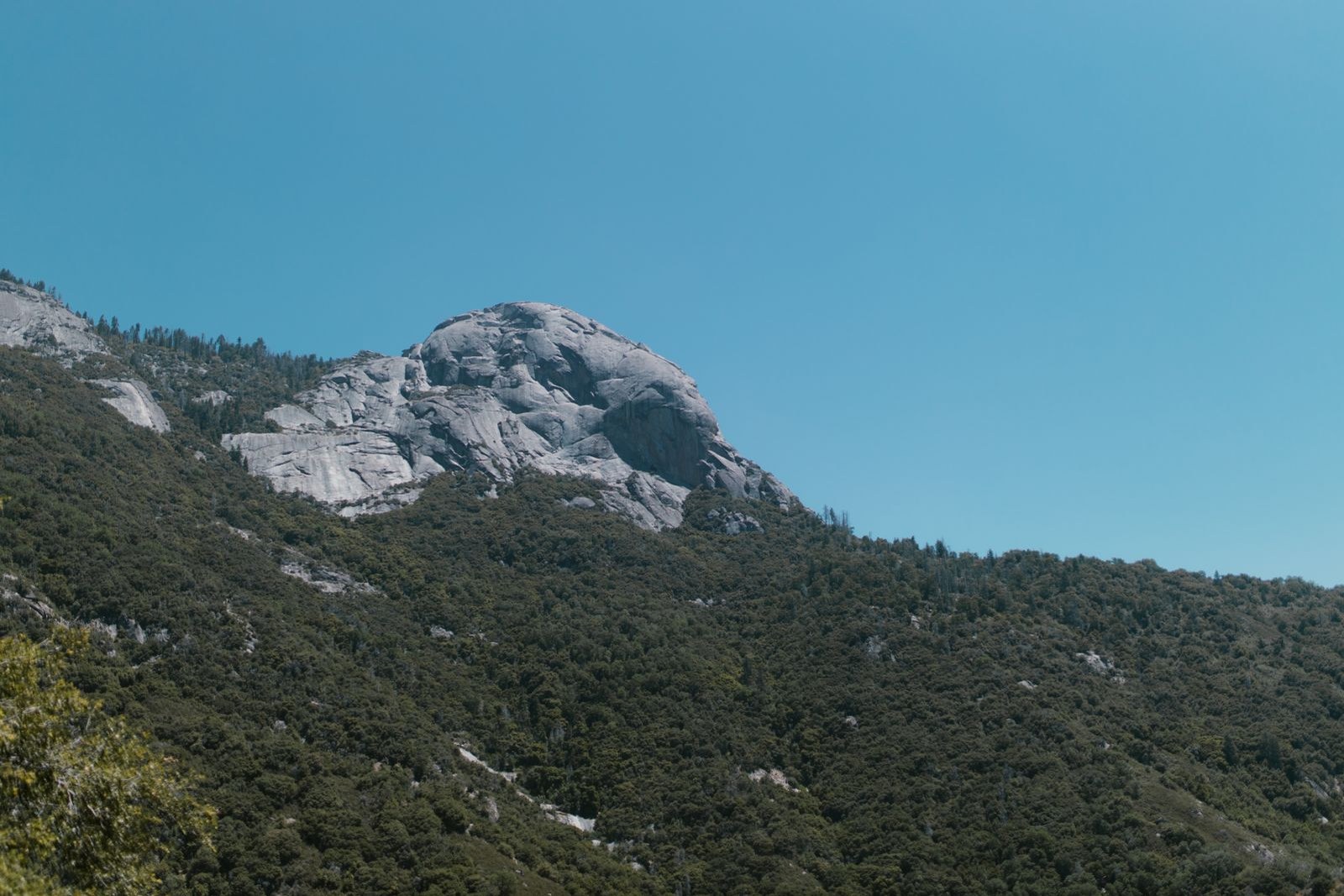
The “something else” is medicine and immortality. Luofu is the mountain of 葛洪 Gě Hóng, the fourth-century alchemist and physician who came here to make elixirs and wrote some of the foundational texts of Chinese medicine while he was at it. Taoist temples grew up around his practice, and the mountain became a place where the search for health and the search for transcendence were the same search. The poet 苏轼 Sū Shì — Su Shi, Su Dongpo — was exiled nearby and wrote about it, which cemented its reputation.
The Mountain
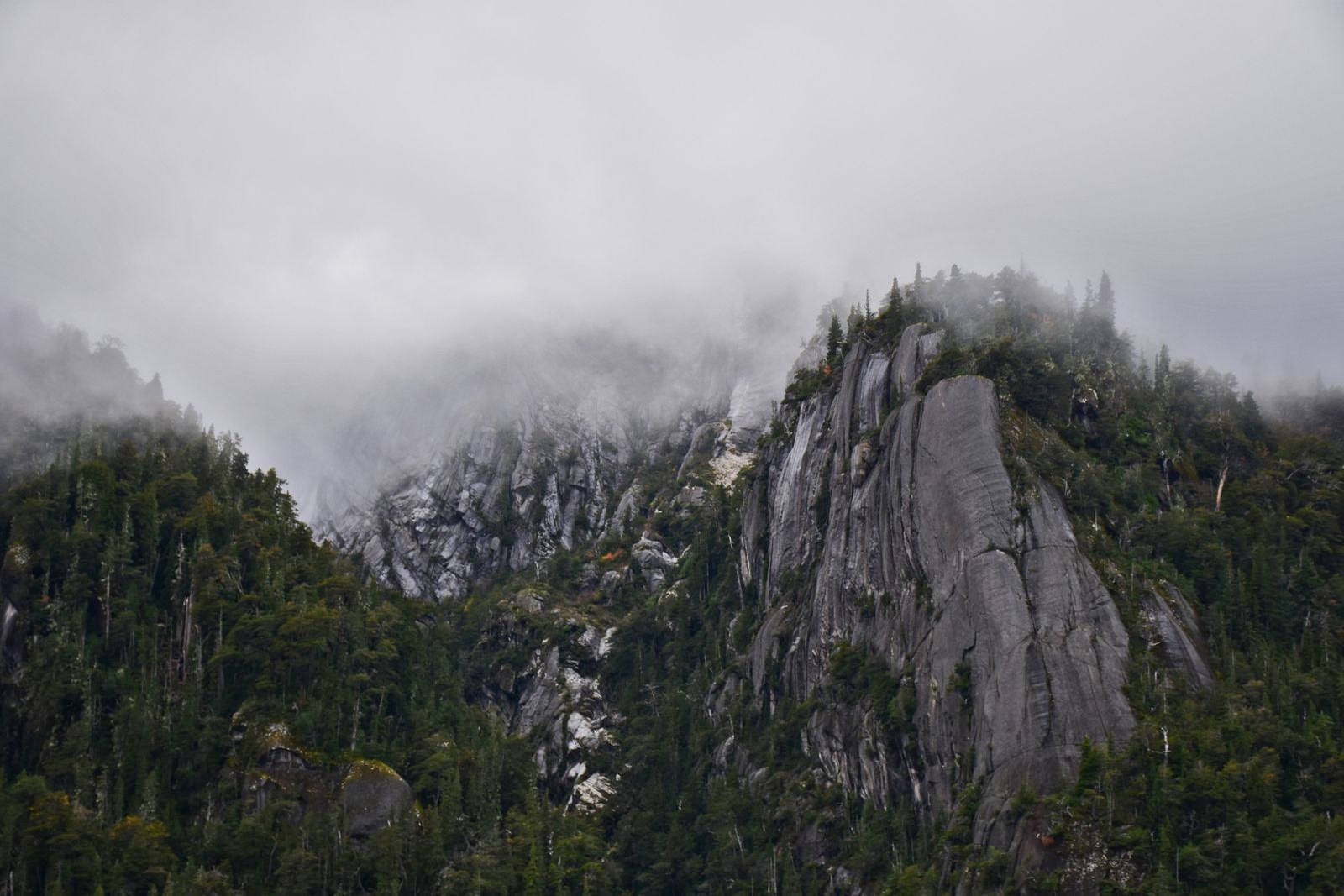
罗浮山 Luófú Shān is not one peak but a range, with the highest point at 飞云顶 Fēiyún Dǐng — “Flying Cloud Summit” — around 1,296 metres. The lower slopes are thick with subtropical forest, ferns and streams, and the upper ridges are bare granite that catches the cloud. On a wet day the peaks disappear entirely and the mountain becomes a white nothing with a path going into it, which is very much the mood the place has always traded on.
Trails and stone paths criss-cross the range, linking temples, springs and viewpoints. Cable cars run partway up for anyone who would rather save their legs for the summit, and the whole mountain is enough of a draw that there is a small resort town at its foot.
Temples and Herbs
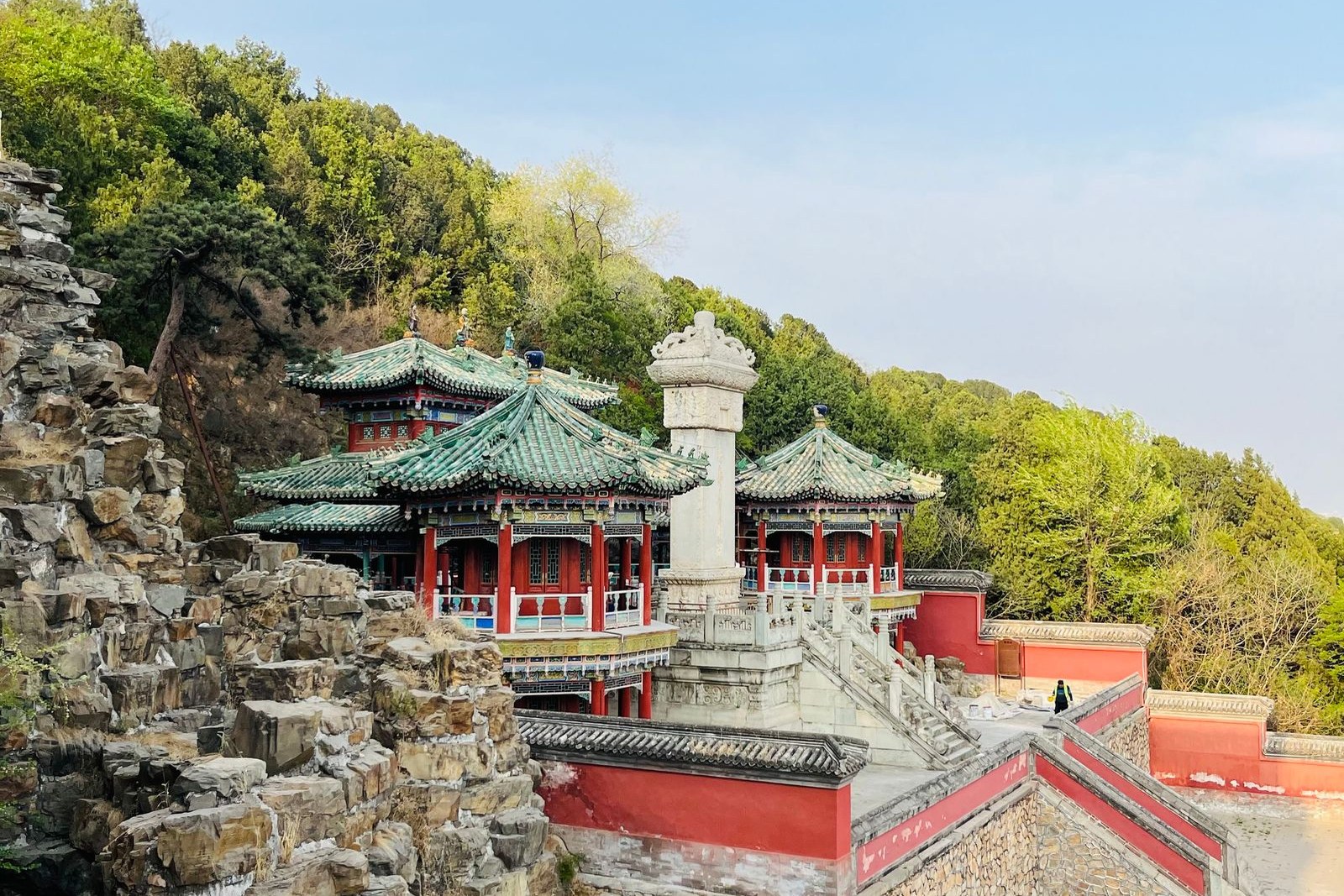
The centre of the mountain’s sacred life is 冲虚古观 Chōngxū Gǔguàn, the Chongxu Ancient Temple, said to stand where Ge Hong practised, with the 洗药池 xǐyàochí — the pool where he washed his herbs — nearby. It is a working temple rather than a museum, with incense, pilgrims and Taoist priests, and it sits in the forest in a way that makes the long history of the place easy to feel.
The other thing Luofu is known for is plants. The mountain’s name is attached to a whole pharmacy of traditional remedies — 罗浮山百草油 Luófú Shān bǎicǎo yóu, a herbal oil, is sold all over Guangdong — and the forest here is genuinely rich in species. Walking the trails is a lesson in why this particular mountain, out of all the hills in the province, became the one people came to for cures.
Practicalities
Tickets: There is an entrance ticket for the 罗浮山 Luófú Shān scenic area, with separate charges for the cable car and for some temple sites; expect modest prices, higher at holiday weekends. Opening hours: The scenic area and cable car keep normal daytime hours, roughly morning to late afternoon, with the last ascent well before dusk; the mountain is not open for night climbing. Closing day: Open daily, though the cable car may close in high wind or heavy rain, and some trails are closed after storms.
Getting there: 罗浮山 Luófú Shān is in 博罗 Bóluó county, in 惠州 Huìzhōu, eastern 广东 Guǎngdōng, roughly two hours by road from 广州 Guǎngzhōu and much closer to 惠州 Huìzhōu city. High-speed rail reaches 惠州 Huìzhōu and 博罗 Bóluó, from where buses, taxis and organised tours cover the last stretch to the mountain gate; by car, follow the signs off the highway to the scenic area. Come on a weekday if you can, wear shoes with grip for the granite, and allow the best part of a day for the summit. Flowcloud would say that a mountain where people have gone looking for medicine for two thousand years is worth climbing slowly, and that the cloud on Luofu is not weather but atmosphere. Take the stone path up, stop at the old temple, and let the summit be a surprise.