
A county decided to plant a field for the spring and now a hundred thousand people a week come to look at it. 罗文花海 Luówén Huāhǎi, the Luowen flower sea, is a stretch of the flat land of 南县 Nánxiàn given over each year to a succession of flower crops — tulips first, then rape, then sunflowers, then cosmos — planted in beds and ribbons across what is otherwise agricultural ground, with paths cut through them and a small amount of the usual apparatus around the edges. It is unashamedly a tourism project and it is also genuinely beautiful for about eight weeks of the year, and the local economy has reorganised itself around the fact.
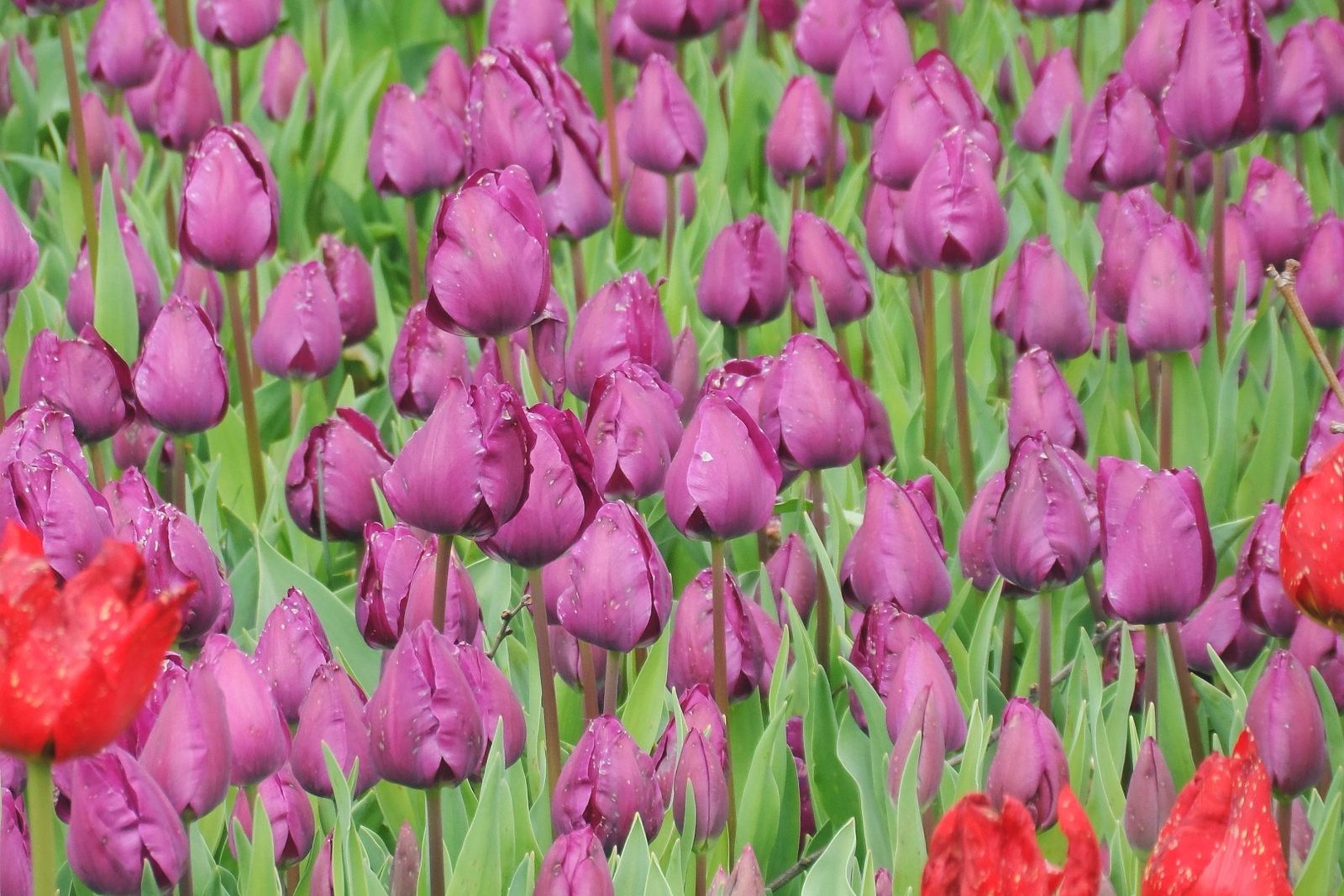
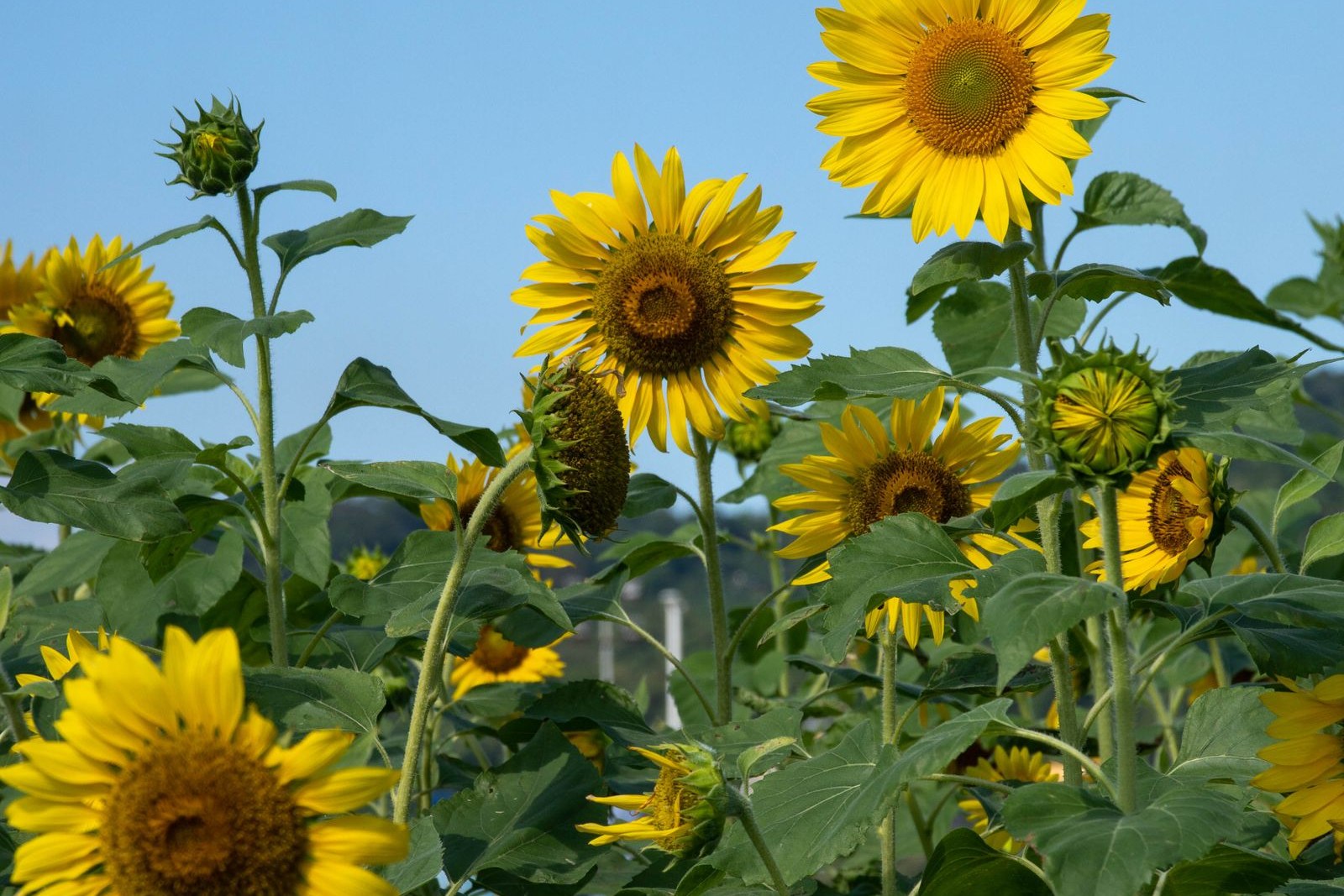
The setting is what makes it work rather than the flowers alone. 南县 is dead flat and almost entirely water-meadow and paddy, so a field of colour has nothing to compete with and can be seen from a long way off; and the county’s network of channels, small bridges and poplar-lined roads gives the whole area a low, open, Dutch sort of look that the flowers suit. Around the main fields there are the other things the county sells: lotus ponds that flower in July, a 稻虾 dàoxiā rice-and-crayfish demonstration, the seasonal 罗文夜市 Luówén yèshì, a night market, and a number of restaurants serving the crayfish and lotus root the county is known for. The tulip display in March and April is the headline and the busiest; the sunflower field in summer is quieter and, for many people, better.
The Season, and the Other Seasons
The flowers change and so does the experience, and it is worth checking what is out before travelling for it. Tulips run from roughly the middle of March to the middle of April and draw the largest crowds; rape comes next and turns whole fields yellow; sunflowers take over in June and July; and cosmos runs into the autumn. Outside those windows the site is a ploughed field with a car park, and outside July the lotus is not in flower either, so the winter visitor should come for the wetland and the food rather than for anything with petals. The night market operates in the warmer months.
Practicalities
Tickets. Admission to the flower fields has generally been free, with charges for parking and for optional attractions. Because that could change with the scale of the planting, and because some years have introduced a modest entrance fee for the tulip display, confirm locally or online before setting out rather than assuming.
Opening hours. Daylight hours, broadly 08:00 to 18:00, with the fields open later in the sunflower and cosmos seasons. Early morning is the best light and the smallest crowd; the middle of a spring weekend is neither.
Closing day. There is no closing day as such, but the fields are only planted and open in their seasons, and the site effectively closes between crops. The tulip period is the most crowded and the site runs special traffic arrangements then, including one-way roads and shuttle buses from outlying car parks.
Getting there. The fields lie in the 南县 Nánxiàn countryside near 罗文 Luówén, a short drive from the county town of 南洲镇 Nánzhōu Zhèn. By car from 益阳市 Yìyáng Shì is about an hour and from 长沙 Chángshā around two, on the flat lake-plain roads. Public transport reaches the county town and the last stretch is by taxi. There is no railway station in the county.
flowcloud would say that a flower sea is the only crop a county can grow that harvests people instead of grain, and that Nanxian has planted the same ground four times over for the sake of the two months when anybody wants to walk in it.
Getting there: go in the first two hours after opening on a weekday, or in the sunflower season when the crowds are lighter, and check which flower is actually out before you travel. Walk the edges before the middle, take the small roads out into the lotus and the paddies once the flower beds have been seen, and eat the crayfish in the county town on the way back if it is between May and August.