
Aging Jars in the Deep Cellar: Lutaichun Culture Park
酒窖深藏春一瓮,稻乡佳酿醉八方 Jiǔjiào shēn cáng chūn yī wèng, dàoxiāng jiāniàng zuì bāfāng – Deep in the cellar a crock of spring keeps aging; the rice-country brew warms guests from eight directions
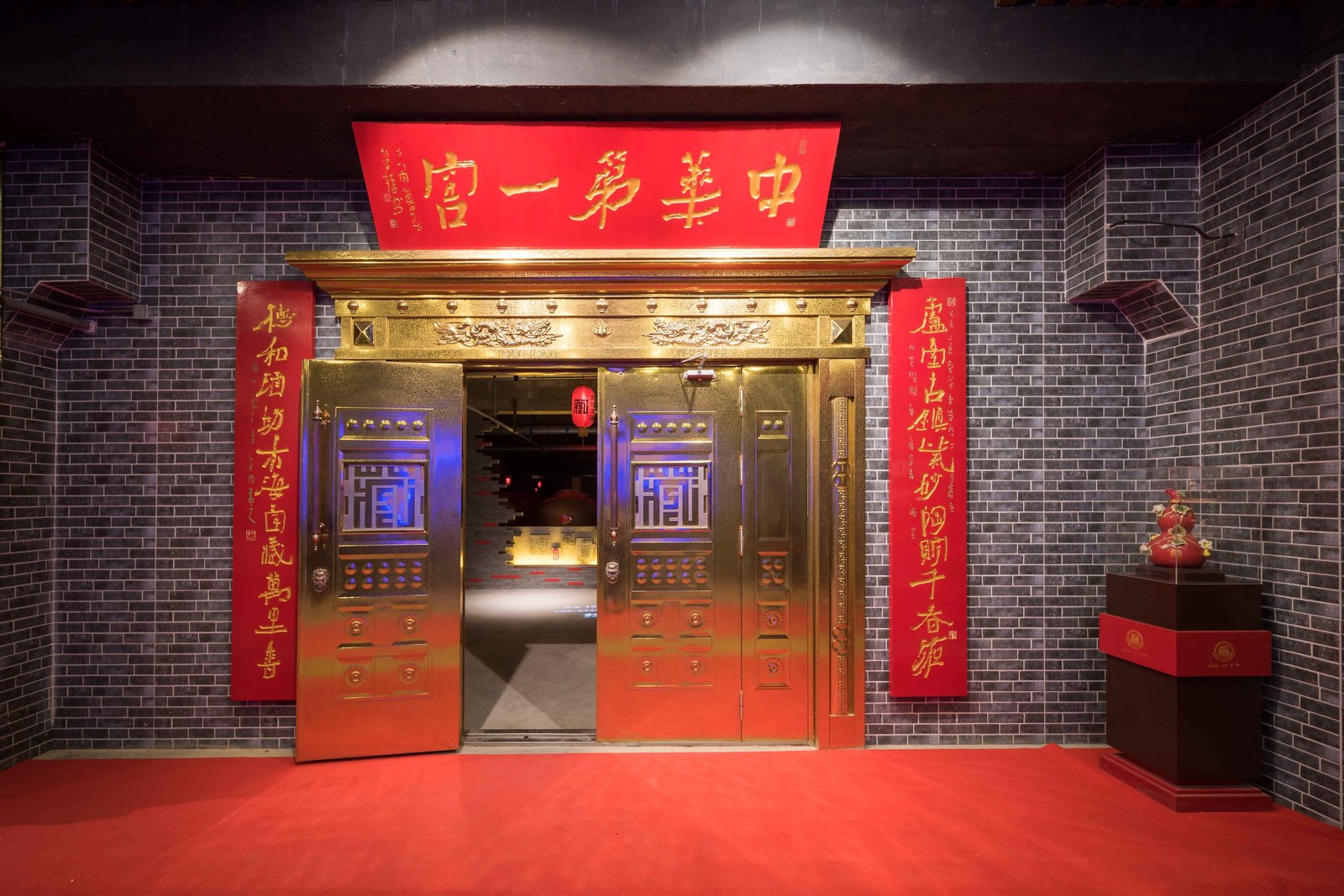
芦台春创意文化产业园 Lútái Chūn Chuàngyì Wénhuà Chǎnyè Yuán turns a working distillery into a national-3A visit on Lutai’s southern edge, in 天津市宁河区 Tiānjīn Shì Nínghé Qū Ninghe District – production halls, a deep cellar city of red-cloth-sealed clay jars, a culture museum and a guest courtyard, all built around the sorghum spirit the county has bottled for decades. The visit runs backwards from glass to grain: taste first, then see exactly what the taste cost in labor.
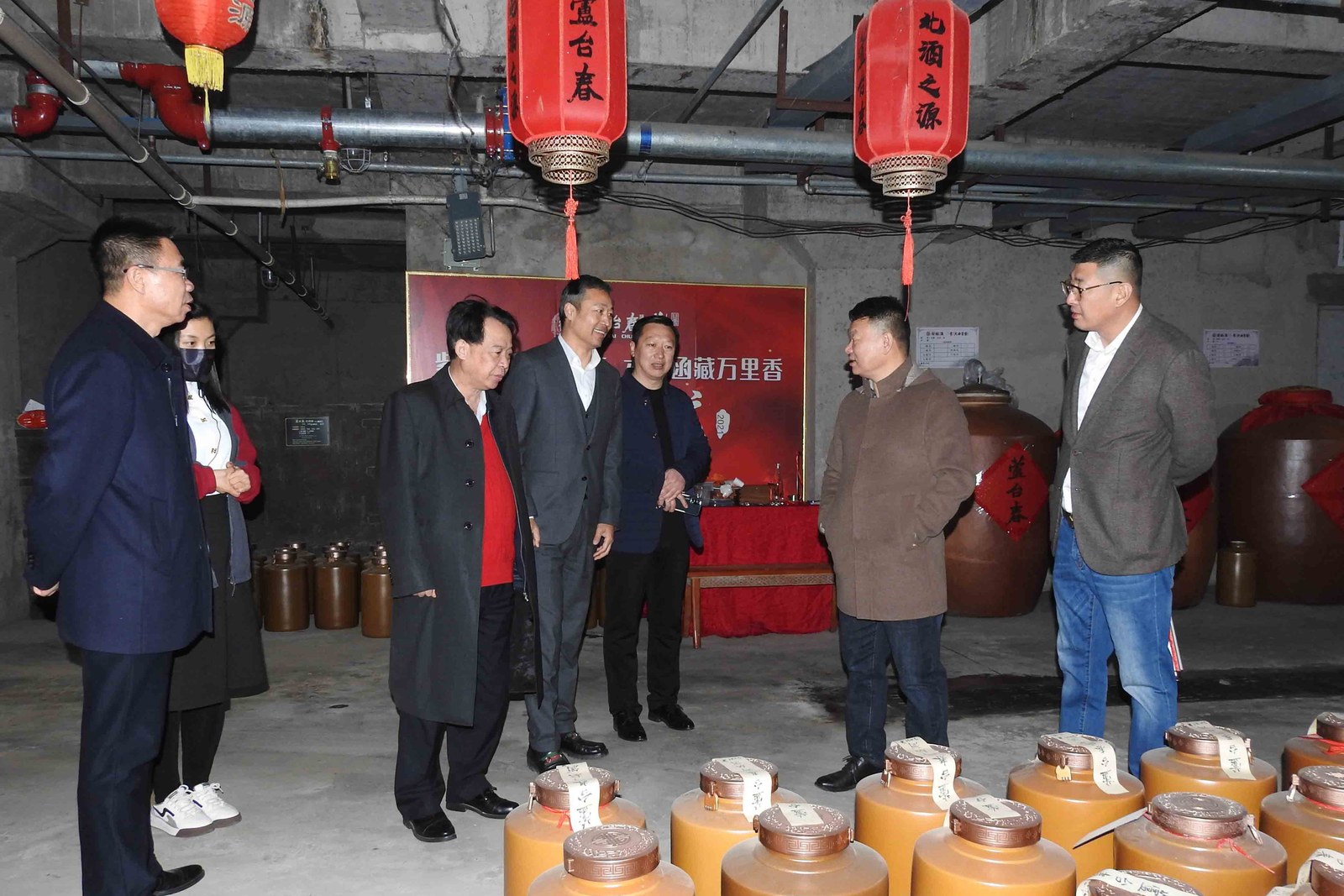
The cellar is the headline. Down the ramp the air turns cool and yeasty, clay jar rows stretch into the dark, each seal knotted in red cloth and dated by hand, and the guide pulls a ladle sample straight from a mid-vintage crock. The jars breathe through their unglazed walls – cellars here are judged by smell before taste.
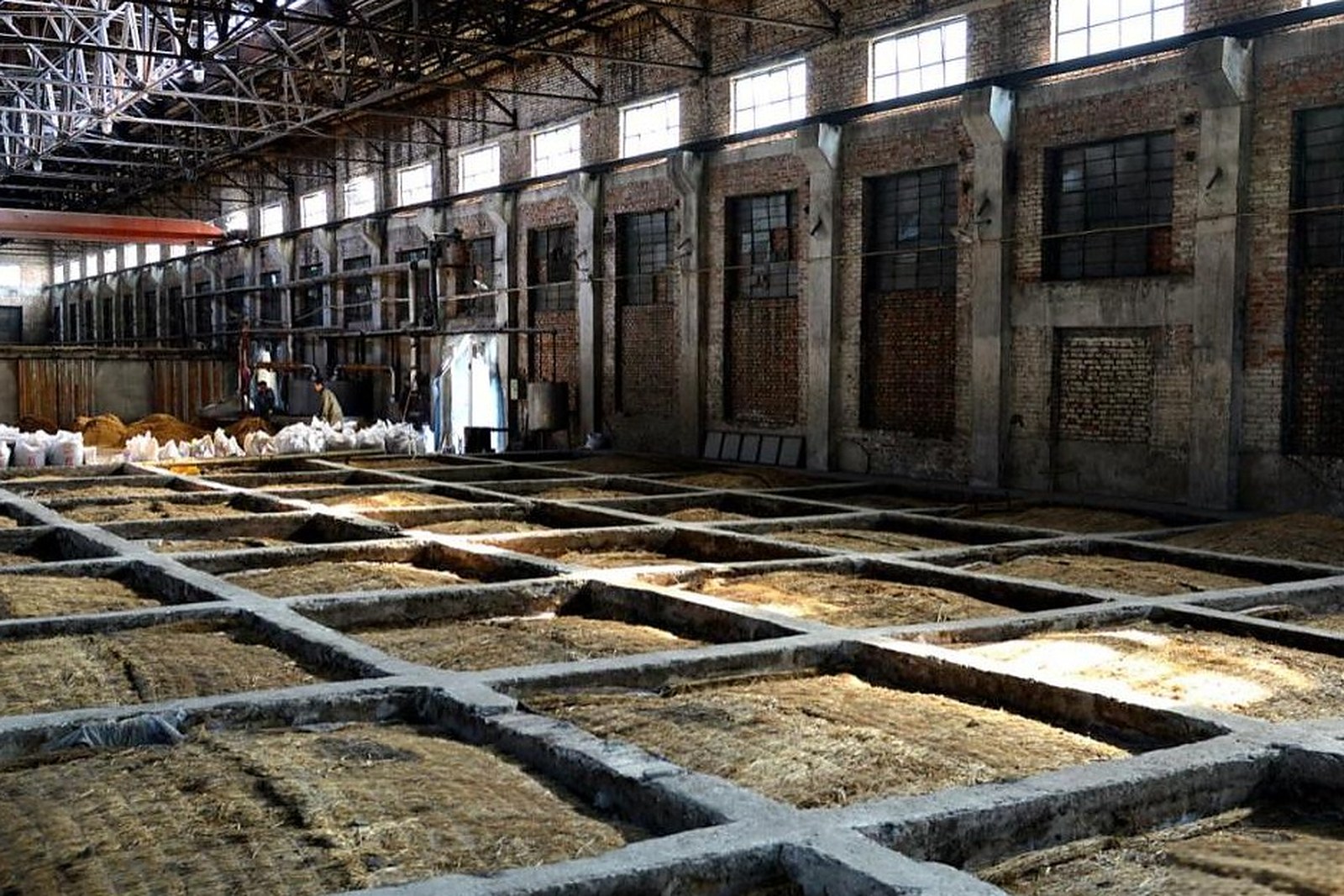
The production wing demystifies the pour. Steam rooms cook the sorghum, fermentation pits sit open like shaped earth ovens, and the distillation floor runs its pipe stills within camera reach of the walkway. The museum wing traces the distillery’s town history – Lutai was a grain port, and grain surpluses became spirit, and spirit became the brand the county toasts with.
The culture side rounds the visit out. The park’s博览馆 halls display bottling eras and award plaques, the courtyard restaurant pours pairing flights with Ninghe river-crab dishes, and the gift shop sells the cellar-edge vintages the city supermarkets never see. Book the guide at the gate – the production floor only shows its full circuit with one.
Practicalities
- Book ahead for the production-floor tour; walk-ins get the cellar and museum only.
- Tasting is part of the standard visit – drivers should say so at the gate and swap tea.
- The courtyard restaurant pairs the house spirit with local river-crab plates.
- Cellar temperature runs cool year-round; bring a layer even in July.
Words and Names
芦台春 Lútái Chūn Lutaichun, the district’s house spirit; 酒窖 jiǔjiào the wine cellar; 陶坛 táotán the clay aging jars; 白酒 báijiǔ Chinese distilled spirit; 酿造 niàngzào brewing and distilling. Beyond the park, the same 天津市宁河区 Tiānjīn Shì Nínghé Qū Ninghe District keeps more places worth the detour: 七里海国家湿地公园 Qīlǐhǎi Guójiā Shīdì Gōngyuán the great coastal wetland, 天尊阁 Tiānzūn Gé the Kangxi-era wooden pavilion, 于方舟故居 Yú Fāngzhōu Gùjū the revolutionary’s home village, or 新天钢联合特钢工业旅游区 Xīn Tiāngāng Liánhé Tègāng Gōngyè Lǚyóu Qū the steel-works tour – four more doors into the same Ninghe District. Once the cellar ramp is behind you, our Ninghe food map fills the table.
flowcloud would say Lutaichun’s park is a distillery with its sleeves rolled up: jars that breathe, pits you can smell from the walkway, and a tasting room that turns engineering into flavor. All checked November 2026.
Getting there: The culture park sits on the Lutai side of the district seat, signed off the ring roads with distillery-store parking at the gate – tasting tours start from the visitor hall and the cellar floors are the tour’s second half, so book weekday slots ahead. All checked November 2026.