
On 18 May 2025, the forty-ninth International Museum Day, a museum opened on the Yangtze at 木洞 Mùdòng, Mudong, in 巴南区 Bā’nán Qū, Banan District, Chongqing, built out of two listed buildings that had completely different jobs: a Qing-dynasty tax post on the river, and a Republican-era freight depot where goods changed hands. 木洞水驿博物馆, the Mudong Water Post Museum – a water post being an imperial courier station on the Yangtze – occupies what was the 木洞巡检司, the Mudong Patrol and Inspection Office, and what was the 钱德兴货栈, the Qiandexing cargo house. Together the two buildings make 1,917 square metres and about 9.5 million yuan of work, carried out by the Chongqing Bazhou Big Health Industry Development Group. The town has been settled since the Stone Age and a courier station since the Yuan and Ming, which is why a museum about river administration stands here.
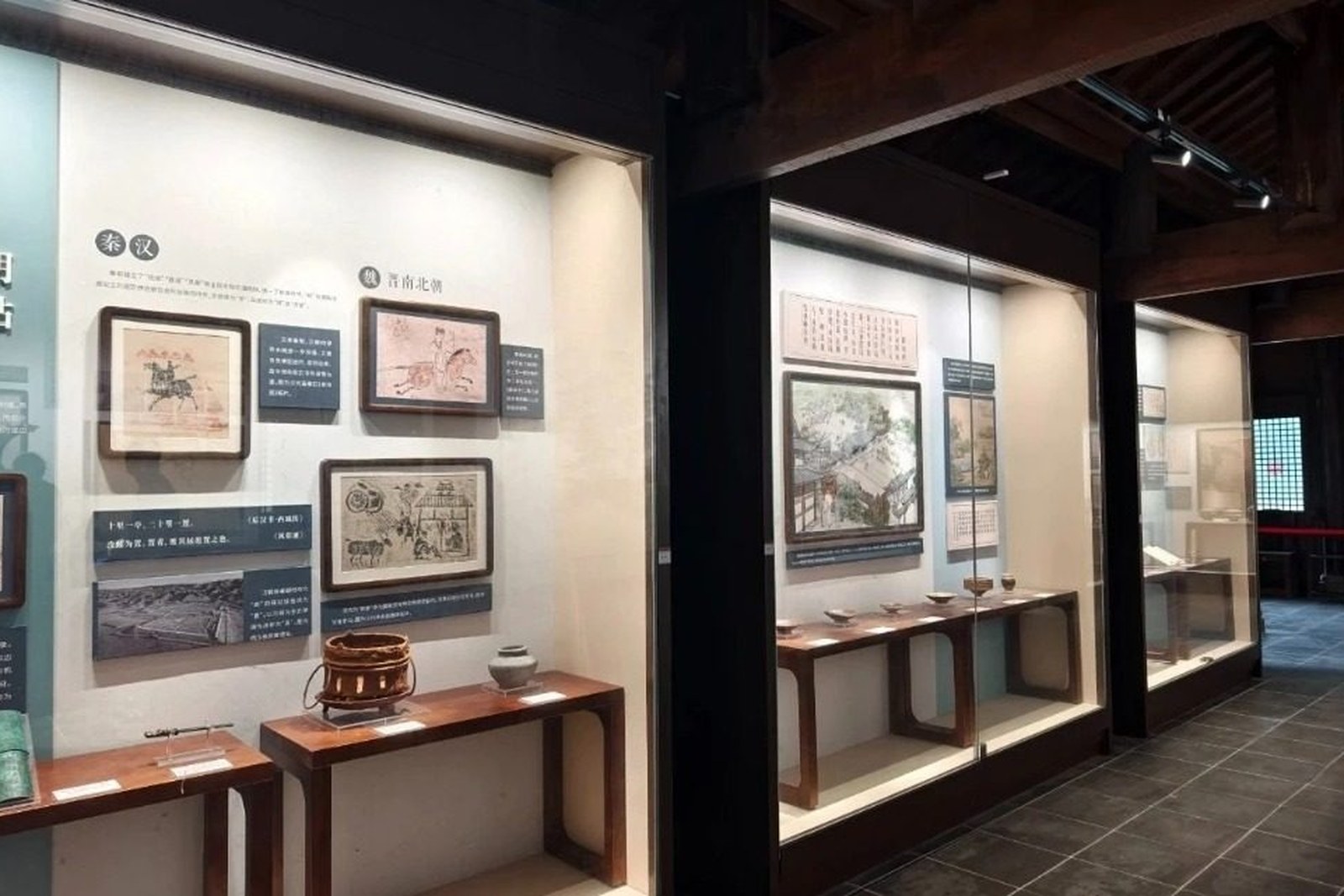
The town’s history is why the museum exists rather than decorates it. People were active at Mudong in the Neolithic, it grew into a trading town through the Tang and Song, and the Yuan and Ming dynasties established a water post and a patrol office here, which is the version of history the site was built to show. The exhibition is arranged in three themes rather than as one continuous gallery: rivers meeting, with a water post linking the ancient world to the modern one; a river-border town using its water to make transport work; and the relay of dispatches, with a named local postal convention for carrying letters. That is 350-odd graphics, 200-odd objects and twenty installations. Some of it is shown to the public for the first time, which is unusual so soon after an opening: a Song-dynasty record called 《平滩纪略》, a facsimile page from the Southern Song 《吴船录》, and a copper seal from the relay station at 独石口, Dushikou.
In the building next door the museum has also opened the Mudong Celebrities Hall, devoted to eight people born in the town, among them 邹容 Zōu Róng, 杨沧白 Yáng Cāngbái, 黄启璪 and 丁雪松 Dīng Xuěsōng. One of those names ties the two halves of this article together: the Yang Cangbai residence is one of the four branch venues of the Banan Museum. That is the connection worth drawing out loud in a town this far downstream, because it says that Mudong’s river trade and Nanquan’s wartime administration are the same district’s story told from two ends.
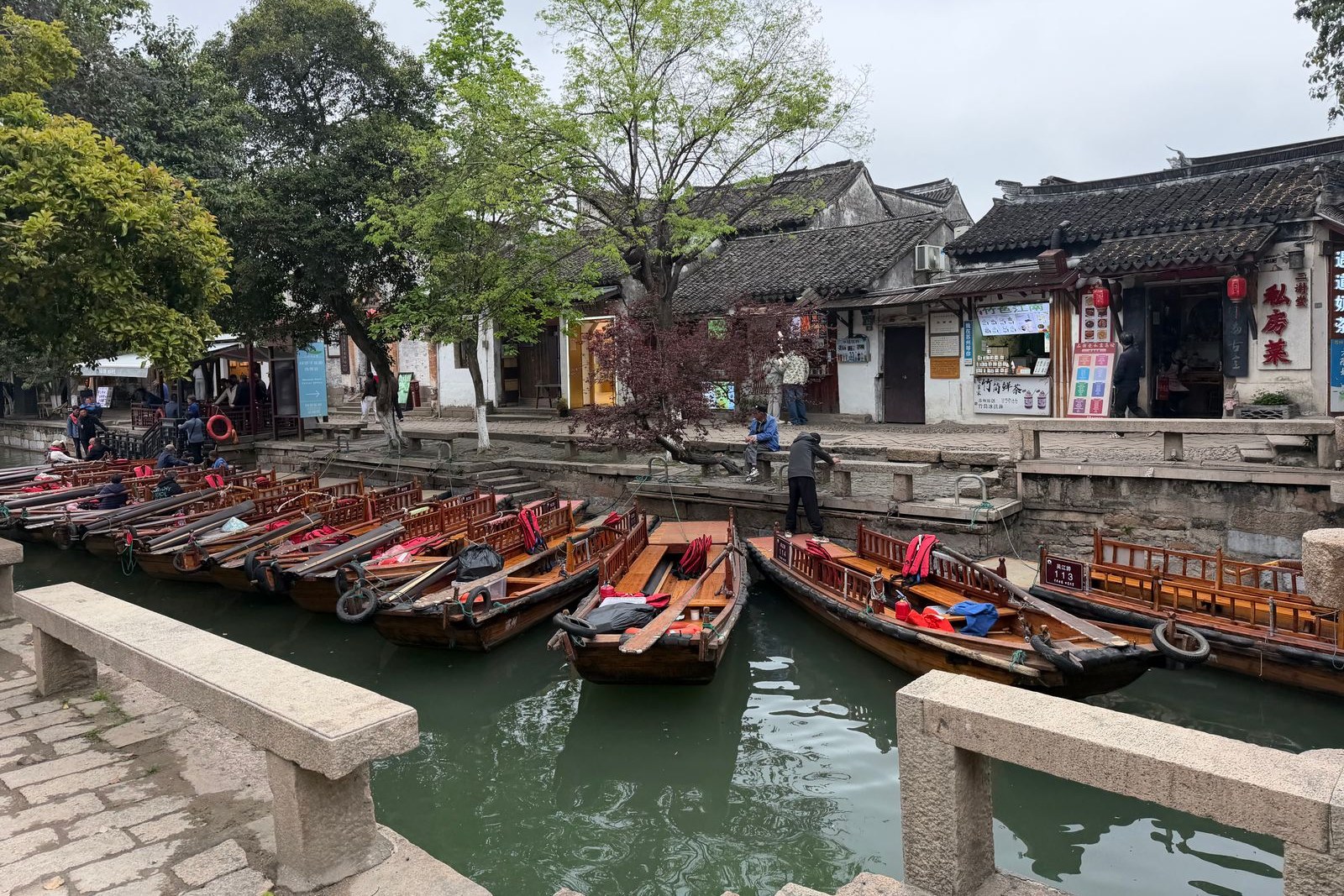
The town around the museum is now a national AAA scenic area, and the district’s own A-grade table is the authority for that: it records Mudong Ancient Town as rated in 2025, free of charge, open on a phone-reservation basis from 09:00 to 18:00, on a page dated 18 November 2024. The rating year and the publication year are therefore not the same year, and both are worth quoting rather than reconciling. The booking number is 023-61556680, and a booking platform lists the same window, which is a rare agreement between the two kinds of source. Across the water lies 中坝岛, Zhongba Island, where more than six hundred people live, and the crossing is a small boat rather than a bridge.
The fare for that boat is the one thing here this page will not settle, because the same report gives two numbers: it says the ferry costs five yuan with the last sailing at 18:00, and elsewhere in the same piece it says two. Both figures are in circulation, so ask on the landing before planning a return.
Practicalities
Tickets. No source states an admission charge for the museum itself, so this page does not invent one: the town is recorded as free by the district’s A-grade table, the riverside street and flower field are described as free, and the museum built inside the two listed buildings publishes a contact and hours rather than a price. The one charge documented here is the crossing to Zhongba Island, and even that carries two figures, five yuan in one passage of the source report and two yuan in another. The booking number for the town is 023-61556680.
Opening hours. For the museum, Tuesday to Sunday from 09:00 to 17:00, with last entry at 16:30. For the town, 09:00 to 18:00, on a telephone-reservation basis, in the district’s own description of an open-air scenic area. The two windows are not the same: the town is open an hour longer than the museum’s last admission, so a late afternoon gives you the streets with the cases already shut. The table page is dated 18 November 2024 while rating the town in 2025, so re-check before a long journey.
Closing day. Mondays, for the museum, which closes and does not admit. The town has no weekly closing day in the district’s description; it is an inhabited river town with shops and guesthouses, so the rhythm that closes the museum on Monday is not a rhythm that empties the street. A Monday costs you the new museum and nothing else, and the ferry’s last sailing at 18:00 sets the real end of a day here.
Getting there. Mudong is a river town reached by road, and the sources for it give a booking number and an address rather than a station, so the last stretch is a local bus or a taxi along the river road. The riverside street where the guesthouses stand runs a few hundred metres of stone and plaster above the water, with the museum and the old depot within that same stretch, so the visit is walkable once you have arrived. Plan the return around the ferry rather than around the museum, because the boat is what finishes the day (checked October 2026, subject to change).
flowcloud would say that Mudong is the one place in this district where the newest building is the most interesting one, because a 2025 museum has taken a Qing tax post and a Republican warehouse and made a third thing out of them – and that the town still runs to the timetable of a boat, five yuan or two yuan depending on which page you read, with the last one at six.
Getting there: 木洞水驿博物馆, the Mudong Water Post Museum, opened on 18 May 2025, the forty-ninth International Museum Day, in 木洞镇 Mùdòng Zhèn, Mudong Town, in 巴南区 Bā’nán Qū, Banan District, Chongqing – built out of the Qing-dynasty Mudong Patrol and Inspection Office, a tax post on the Yangtze, and the Republican-era Qiandexing cargo house, a freight depot where goods changed hands, together 1,917 square metres and about 9.5 million yuan of work, holding 350-odd graphics, 200-odd objects and twenty installations in three themes, with the Qiandexing building also housing the Mudong Celebrities Hall. Open Tuesday to Sunday 09:00 to 17:00 with last entry 16:30, closed Mondays; Mudong Ancient Town is a AAA scenic area rated in 2025 on a district table page dated 18 November 2024, free, 09:00 to 18:00, telephone 023-61556680; the ferry to Zhongba Island is given as five yuan in one passage and two in another, last sailing 18:00 (checked October 2026, subject to change).