
Mutianyu Great Wall: The Best-Preserved Section of Dense Watchtowers, a Less-Crowded Ridge Walk Above the Clouds in Huairou District, Beijing
万仞云墙连塞北,千楼叠嶂锁秋烟。Wàn rèn yún qiáng lián sài běi, qiān lóu diézhàng suǒ qiū yān – A ten-thousand-fathom cloud-wall reaches to the northern frontier; a thousand watchtowers pile across the peaks and lock the autumn mist.
慕田峪长城 Mùtiányù Chángchéng Mutianyu Great Wall is not a single restored stretch with a queue — it is, plainly put, one of the best-preserved sections of the whole wall, running along the ridgeline of 怀柔区 Huáiróu Qū Huairou District some fifty-odd kilometres northeast of the old city, where the wall climbs and falls over three parallel ridges instead of one. Its claim is specific rather than grand: built and re-built from the Ming onward, it keeps dense rows of intact 敌楼 dílóu watchtowers packed closer together than almost anywhere else, and because it sits just past the most-famous Badaling section, it draws fewer tour buses for the same quality of wall. The result is the honest version of the experience — a long, winding walk over real terrain, with the towers coming up one after another and the valley dropping away on both sides. What you actually visit is a genuine ridge walk, not a flat plaza with a single photo spot.
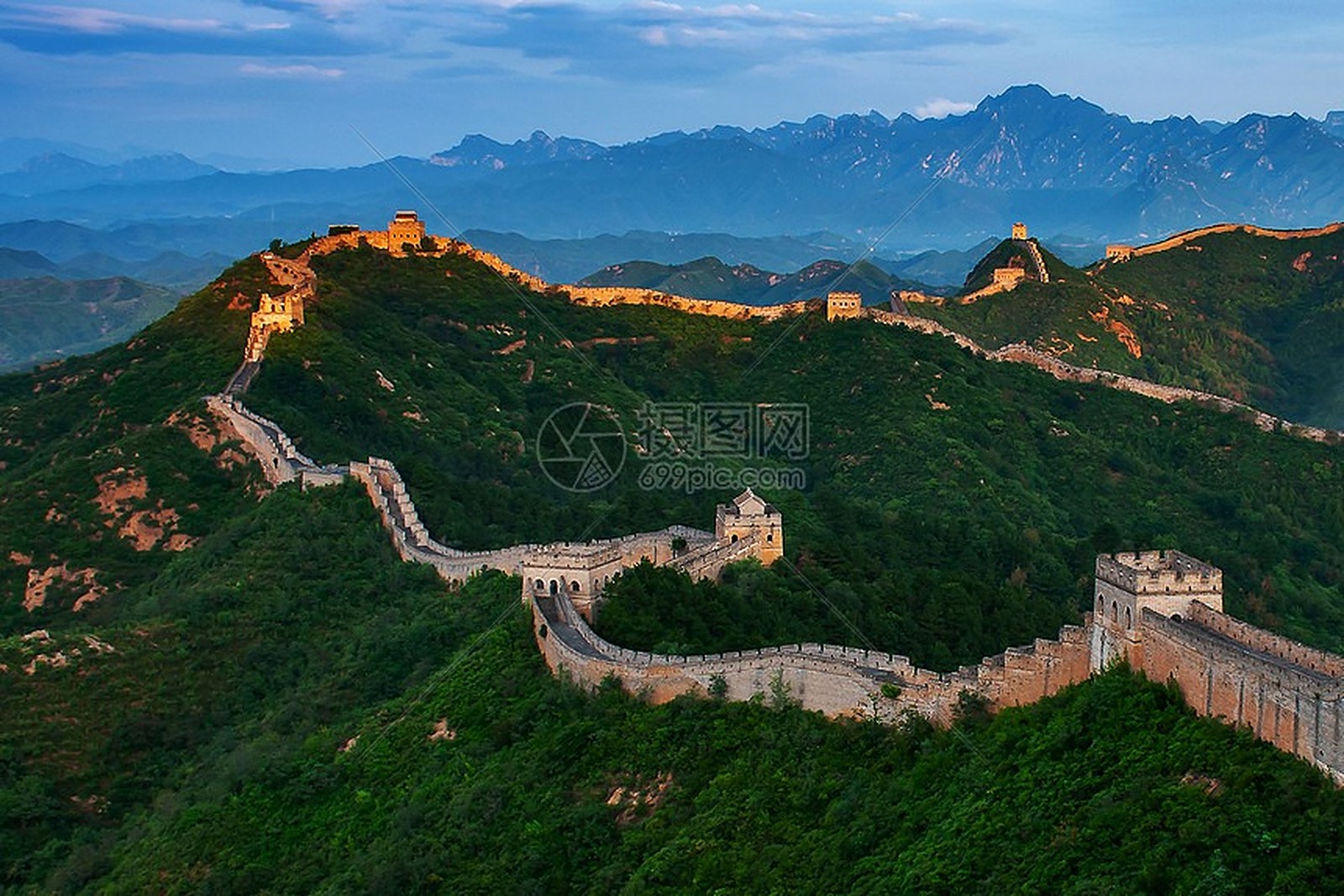
Call it honestly: the site charges a gate fee plus a separate cable-car or toboggan option, with hours that follow the daylight pattern and seasonal adjustments (worth confirming the details for current admission, cable-car fares and any reservation rules). The honest warning is the climb, not the money — the wall here is real mountain, so give yourself the legs and the shoes, and go early or go off-peak, because the holiday weekends fill the lower terraces fast even though the upper stretches stay quieter. Autumn clears the air and turns the maples, winter throws snow against the grey brick, and the sweetest moments are the ones above the cloud line. Bring water, and leave room in your head for the long view.
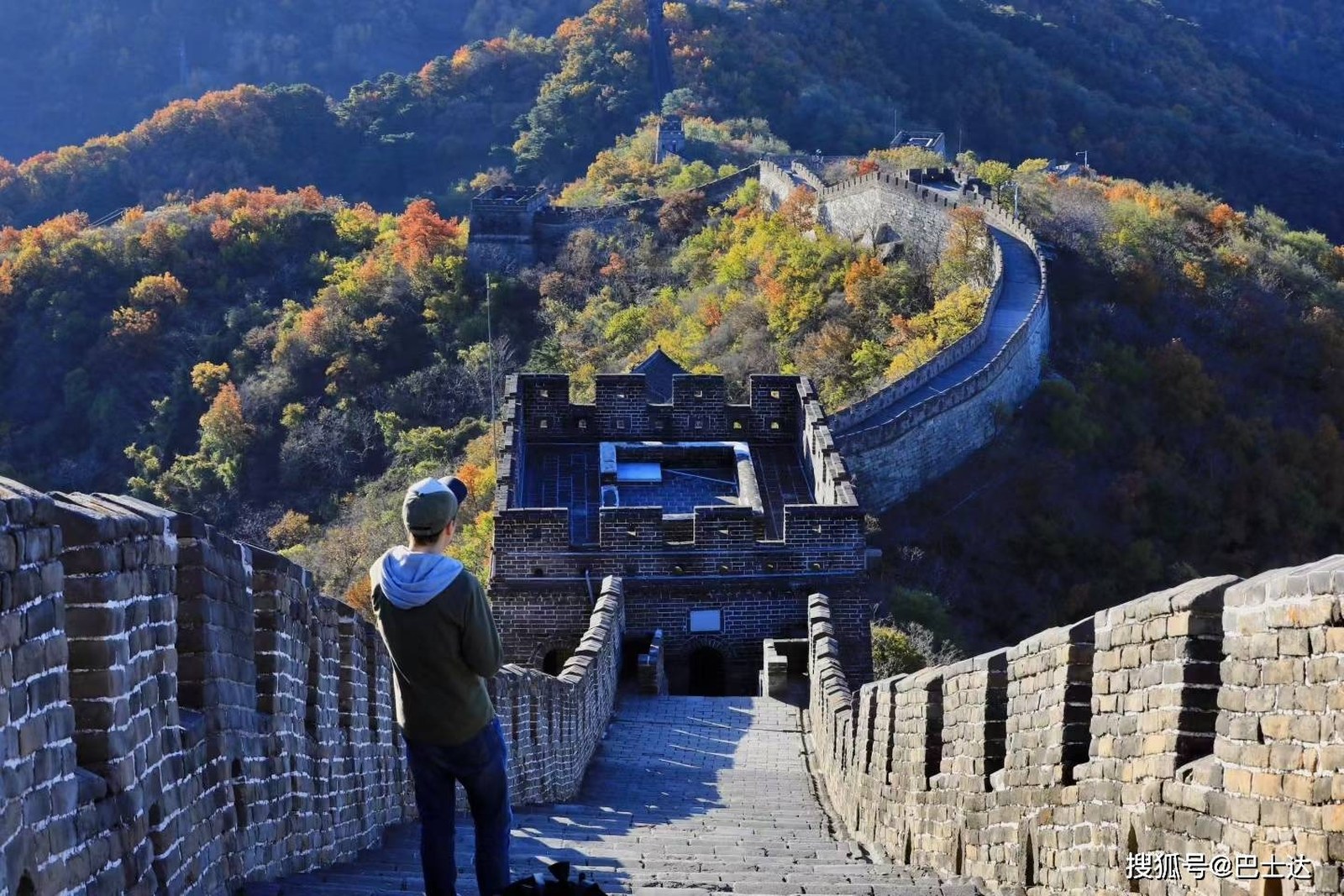
The honest star is the density of the towers — the way one 敌楼 dílóu leads to the next along the ridge, the crenellations catching the light, the valley softening into haze (worth confirming the details for which sections and the east-west branches are open on your day). What gets oversold is the “best-preserved wall” superlative read as a crowd-free wonder: it is quieter than Badaling, but it is still a major site, and its pleasure is in the walking and the stacking of towers, not in standing still. What repays the effort is the contrast — a district that hosts a summit meeting in the valley still holding a Ming ridge-line above it, with the wall doing what it has always done, tying the peaks together. Come for the layering of the place: tower, then ridge, then the haze beyond.
The self-aware postscript: I watched a man on the upper walkway count the towers until he lost count, and when I asked why he did it he said, “once you stop counting, you start seeing — that is the whole point of the wall”. That is the visit in miniature. 慕田峪长城 Mùtiányù Chángchéng suits whoever treats it as a long, real ridge walk first and a checklist of records second, and exhausts anyone expecting a short, flat, photo-only loop. Everything else on this Huairou list lies within the same district: the thousand-year 红螺寺 Hóngluó Sì Hongluo Temple on the nearby hillside, the wetland 雁栖湖 Yànqī Hú Yanqi Lake a short drive south, the gorge of 青龙峡 Qīnglóng Xiá Qinglong Canyon and the waterfall valley of 幽谷神潭 Yōugǔ Shéntán Yougu Shentan tucked into the neighbouring hills — all in the same 怀柔区 Huáiróu Qū that holds a Ming ridge-line above a modern valley.
Practicalities
- Rating: ★★★★★ — the best-preserved section of dense watchtowers, less crowded than Badaling; the stacked 敌楼 dílóu and the ridge walk outrank the cable car; go early, go off-peak.
- Tickets: Gate fee plus a separate cable-car or toboggan option, with daylight hours and seasonal adjustments (worth confirming the details for current admission, cable-car fares and reservation rules).
- Address: 慕田峪长城 Mùtiányù Chángchéng, 渤海镇 Bóhǎi Zhèn Bohai town, 怀柔区 Huáiróu Qū, Beijing — along the ridgeline north of the district centre.
- Time needed: Two to three hours for a proper ridge walk; half a day adding the upper stretches and a rest stop.
Words and Names
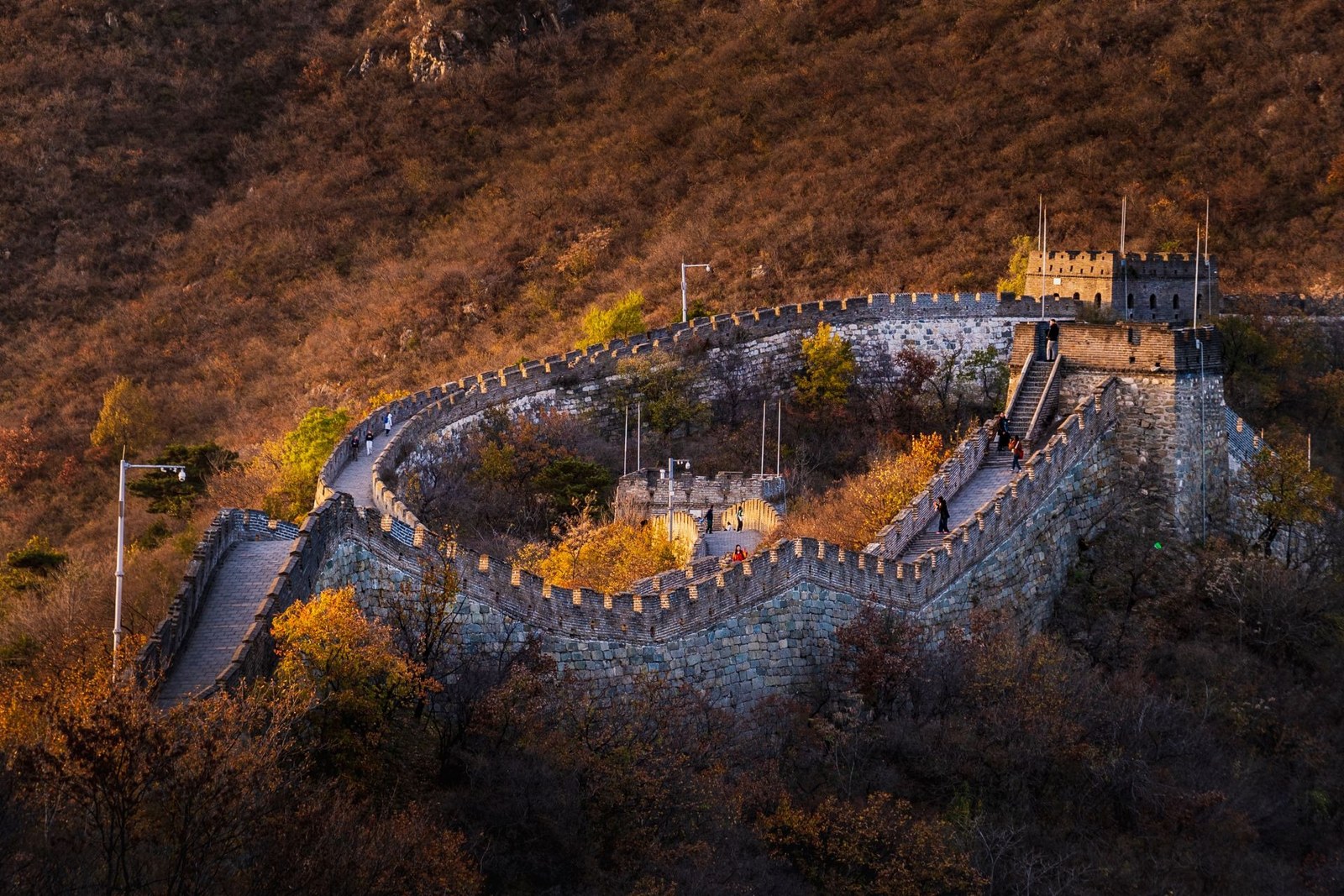
慕田峪长城 Mùtiányù Chángchéng Mutianyu Great Wall · the best-preserved section of the wall 敌楼 dílóu watchtower · the dense rows of intact towers along the ridge 垛口 duòkǒu crenellation · the notched parapet along the wall’s top 三脊 sānjǐ three ridges · the parallel ridgelines the wall crosses 慕田峪 Mùtiányù Mutianyu · the valley the section takes its name from
flowcloud would say that 慕田峪长城 Mùtiányù Chángchéng is the wall’s quiet proof of itself — a Ming-built section in 怀柔区 Huáiróu Qū with 敌楼 dílóu watchtowers packed denser than almost anywhere else, running over three ridges and drawing fewer buses than the famous neighbour just south of it — and that the honest move is an early or off-peak walk when the air is clear, because admission, cable-car fares and which branches are open all shift (worth confirming the details), the best-preserved title is the poster half and the long stack of towers above the haze is the real half, and the wall repays whoever lets the ridge set the pace. All checked October 2026. Getting there: Metro Line 15 十五号线 Shíwǔ hào xiàn to 南口 Nánkǒu South exit, then a direct 慕田峪 Mùtiányù-numbered tourist bus or taxi up the valley, with shuttle services feeding the wall’s base (worth confirming the details for current bus numbers, shuttle times and parking); self-drive leaves the 京承高速 Jīngchéng gāosù G45 northeast and follows the signed valley road to the base lots. All checked October 2026.
Getting there: Metro Line 15 十五号线 Shíwǔ hào xiàn to 南口 Nánkǒu South exit, then a direct 慕田峪 Mùtiányù-numbered tourist bus or taxi up the valley, with shuttle services feeding the wall base (worth confirming the details for current bus numbers, shuttle times and parking); self-drive leaves the 京承高速 Jīngchéng gāosù G45 northeast and follows the signed valley road to the base lots. All checked October 2026.