
The lake grows and shrinks by a factor of three and the landscape is never the same shape twice. 南洞庭湖 Nán Dòngtíng Hú, South Dongting, is the southern lobe of the lake where the 资江 Zī Jiāng, the 沅江 Yuán Jiāng and the 澧水 Lǐ Shuǐ come in and slow down before the whole body of water hands itself to the Yangtze. In the flood season it is an inland sea with islands in it; by winter it has dropped away into a maze of channels, mudflats, reed banks and open shallows, and the ground you walk on in January is under two metres of water in July. The county that sits beside it, 沅江市 Yuánjiāng Shì, is a town built on that rhythm, and the reserve around the lake is one of the most important wetlands in China.
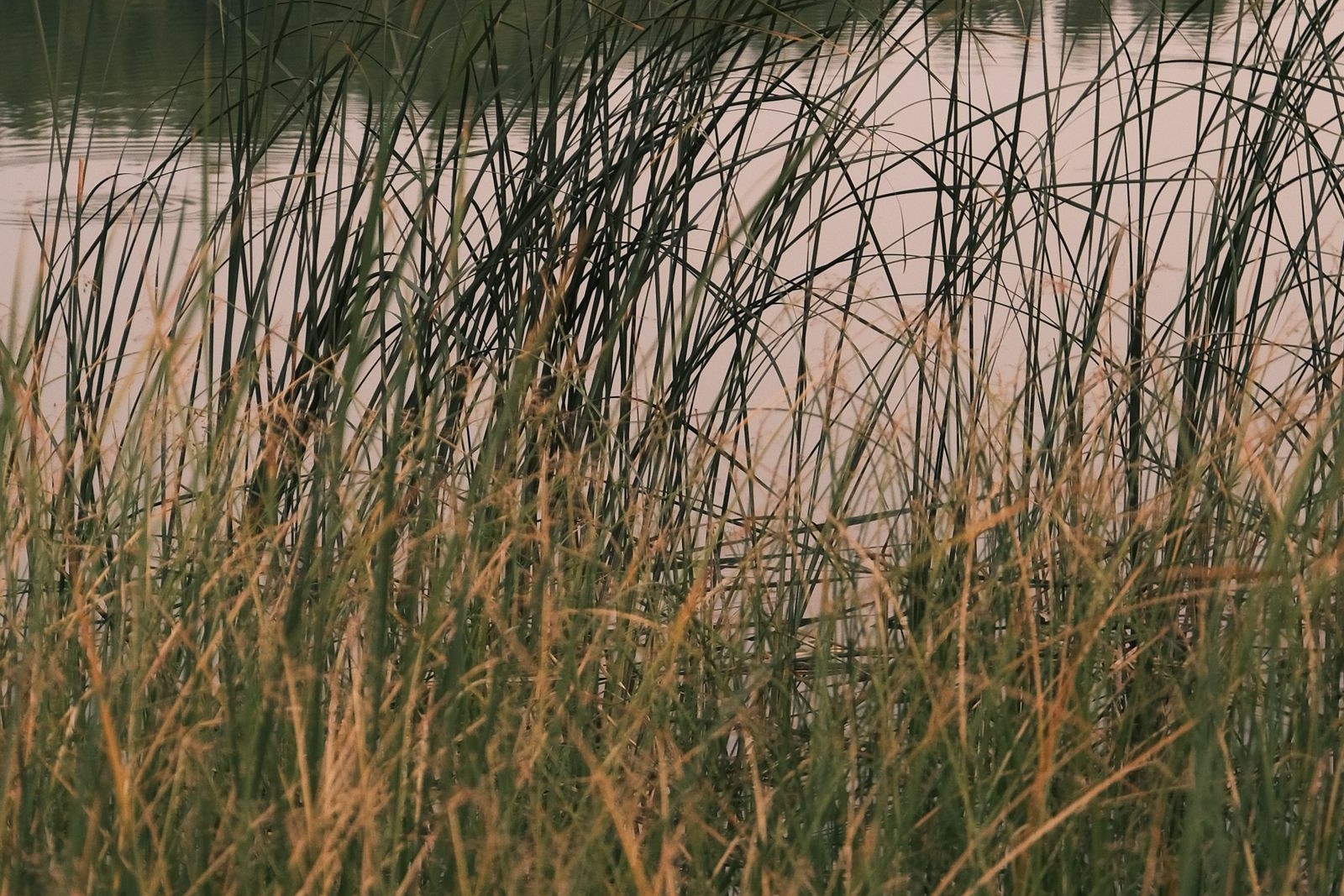
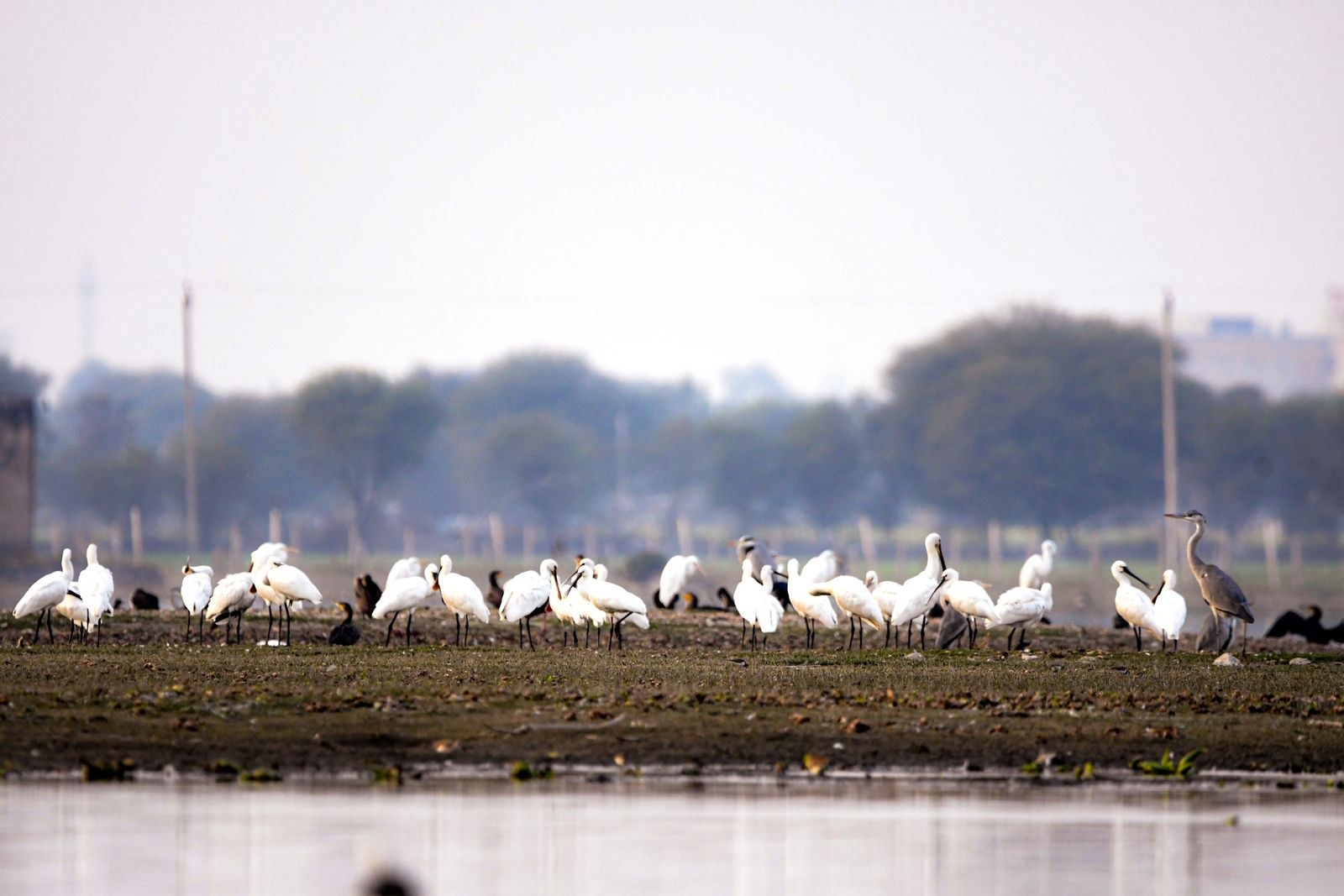
The wildlife is the headline and it is genuinely spectacular in the right months. From about November, as the northern winter sets in, the lake fills with migratory waterbirds: 白鹤 báihè, the Siberian crane, 东方白鹳 dōngfāng báiguàn, the Oriental white stork, swans, geese, and huge rafts of ducks, on their way to or settled into the shallows, and the reserve is one of the principal wintering grounds on the East Asian flyway. In summer the composition changes entirely, and the wetland becomes a breeding and feeding ground for herons, egrets, rails and grebes with the 荷花 héhuā lotus and the reeds in full growth. Between the two, in the drawdown months, the exposed mud is a spectacle of its own for anyone who cares about what lives in it.
How to See It
The wetland is not an attraction with a route through it and the honest way to visit is by water. Small boats can be hired at several points on the 沅江 Yuánjiāng waterfront and at the villages along the channels, and a couple of hours out among the reed islands and the open shallows will show you more than any viewpoint on land. On shore, the 凌云塔 Língyún Tǎ, a pagoda on the river at the edge of the city, is the traditional lookout and there are embankments and a few raised roads from which the open water and the bird flocks are visible. There is also a 洞庭湖博物馆 Dòngtíng Hú Bówùguǎn, a museum of the lake, in the city, which is worth an hour before or after rather than instead of going out. Bring binoculars; the birds are mostly at distance.
Practicalities
Tickets. The open lake, the embankments and the municipal waterfront are free. Boat hire is negotiated with the boatman, typically a few hundred yuan for a half day, and varies with the size of the boat and the distance. The museum charges a small admission, and any organised reserve tour prices separately.
Opening hours. There are no gates on the water, but the practical hours are daylight, and the best of it is the first two and the last two hours. Boats are generally available from early morning and the last return is before dusk, which is also when the light on the water is best and the wind drops.
Closing day. Nothing on the lake closes, and the wetland can be visited year-round, but the two seasons are not interchangeable: come between November and February for the wintering birds and between June and August for the lotus, the reeds and the breeding birds. In the flood season some low islands and paths are submerged and some boat routes change.
Getting there. 沅江市 Yuánjiāng Shì is about an hour and a half by road from 益阳市 Yìyáng Shì and two and a half from 长沙 Chángshā, and is served by bus from Yiyang and 岳阳 Yuèyáng. There is no railway station in the county; the nearest high-speed access is 益阳南站 Yìyáng Nán Zhàn. Boats are hired on the waterfront in the city and at the channel villages.
flowcloud would say that South Dongting is the rare landscape whose size is a function of the calendar, since the lake decides each year how much of itself to be, and everything that lives there has arranged its life around the answer.
Getting there: hire a boat on the 沅江 Yuánjiāng waterfront and spend two or three hours out among the reed islands rather than looking from the shore, and time it to arrive before dusk or leave at dawn. Bring binoculars, come between November and February if the birds are the reason, and climb 凌云塔 Língyún Tǎ on the way back for the one view of the whole water that the city has.