
The chimney at the top of the slope has been burning since the Ming, and it is still in use. The 南风古灶 Nánfēng Gǔzào, the Nanfeng ancient kiln, is a 龙窑 lóngyáo, a dragon kiln, a long tunnel of brick built up the side of a hill so that the fire drawn up the slope by the natural draught can pass over the stacked ware for tens of metres. Two of them survive here side by side, one dated to the early sixteenth century, both wood-fired, and both still lit for production batches rather than only for demonstrations. The kiln is the centre of a working pottery quarter, and the visit is less a museum than a walk through the workshops, drying yards and alleys of the trade that gave 佛山 Fóshān its name in ceramics.
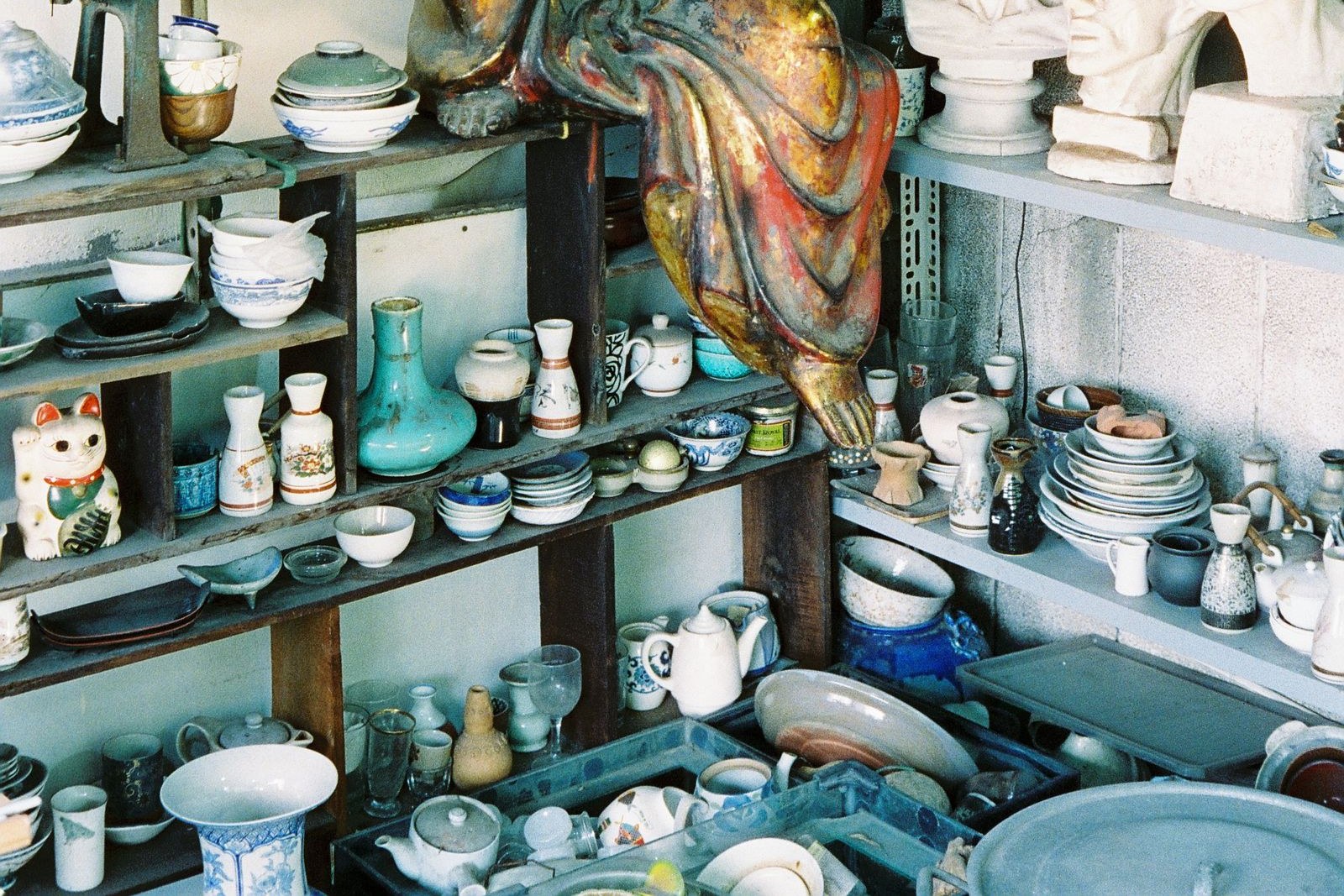
The district is 石湾 Shíwān, and its ceramics are the reason Foshan became wealthy. The local clay was suitable for stoneware, the river brought fuel and carried the product away, and by the Ming the workshops were producing everything from tiles for temples across the province to the glazed figures that ornament Lingnan roofs, several thousand of which are on the ancestral temple a few kilometres away. The 石湾 Shíwān tradition is known for its 石湾公仔 Shíwān gōngzǎi, the small glazed figures of people, animals and immortals, made unglazed in the face and glazed in the clothing, and the pottery quarter is full of shops and studios making them, from tourist pieces to workshop production.
What You Actually See
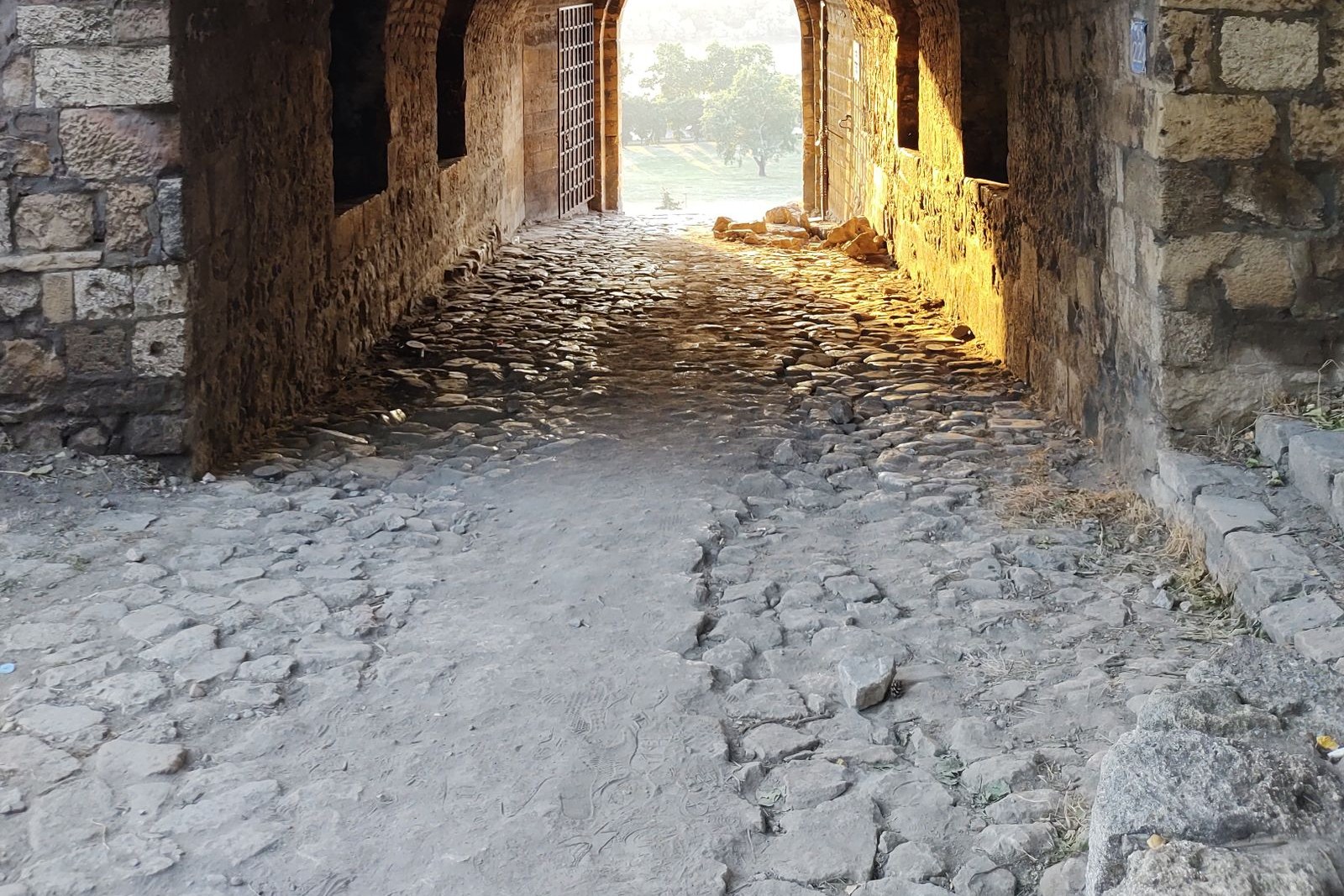
The kilns are the anchor, and visitors are usually allowed to climb part of the slope alongside one of them to see the chamber, the side doors through which the ware is loaded and withdrawn, and the fire mouth at the bottom. The temperature a dragon kiln reaches, and the speed at which the fire moves up the tunnel, produce glazes that a modern electric kiln cannot reproduce convincingly, and this is what the surviving kilns are kept for. Around the kilns the quarter retains its working layout: alleys of low workshops, brick courtyards for drying, walls built of kiln waste, and a 高灶 gāozào and various other historic firing structures.
Beyond the ceramics, the area contains a small cluster of other sights. The 石湾 Shíwān pottery museum explains the local tradition and its relationship to the roof sculpture of the whole delta. A number of old lanes and guild halls survive within a few minutes’ walk, and the quarter is still where many of the region’s tiles and figures are made. Allow two hours for the kilns, the workshops and the shops, and more if you intend to buy.
Practicalities
Tickets. Admission to the kiln area and the pottery quarter is around ¥20 to ¥30, with the usual reductions for students, children and the elderly. Individual studios, workshops and kiln-firing experiences charge separately, and hands-on throwing or painting sessions are typically ¥50 to ¥150 depending on what is included. Confirm at the gate, since prices change.
Opening hours. The site is generally open from about 08:30 to 17:30, with last admission in the afternoon. Some workshops keep longer hours and a few studios open in the evening. The kilns are only lit for particular firings, so it is worth asking locally whether one is scheduled during your visit, since a firing is the most interesting thing that happens here.
Closing day. There is no fixed weekly closing day for the quarter as a whole and it is open daily, though individual studios and the museum keep their own rest days, often Mondays. During 春节 Chūnjié and the 国庆 Guóqìng week the quarter is busy and some workshops close for the holiday.
Getting there. The quarter is at 石湾 Shíwān in 禅城 Chánchéng, in the southwest of central 佛山 Fóshān, around twenty minutes by taxi from 祖庙 Zǔmiào or a metro ride and a short walk. 佛山站 Fóshān Zhàn is twenty to thirty minutes away and 广州南站 Guǎngzhōu Nán Zhàn around forty-five minutes by metro and taxi. There is parking on the edge of the quarter but it fills at weekends.
flowcloud would say that the Nanfeng kiln is the one place in the city where the architecture of the temples makes sense, since after an hour of watching stoneware come out of a fire tunnel you stop being surprised that a whole town put its pottery on its gods’ roofs.
Getting there: in the middle of the day, starting at the kilns and working outward into the lanes rather than doing it the other way round, so that the workshops are already in production by the time you reach them. Ask whether a firing is scheduled, spend the time in the tile and figure shops only after you have seen how the things are made, and allow two hours rather than one, because the interesting parts are the alleys and not the entrance.