
Five villas stand in the streets of 南泉 Nánquán, Nanquan, in the south-east of Chongqing, a municipality of southwest China, and one national key cultural relic unit contains all five of them, and not one of the five admits the public. That is the fact to carry before you arrive, because it decides what a visit can be. The group is 南泉抗战旧址群, the Nanquan Wartime Sites, published on 5 March 2013 in the seventh batch of national key cultural relic units under the number 7-1878, and dated 1938 to 1946. It sits in Nanquan Subdistrict of 巴南区 Bā’nán Qū, Banan District, a district of 1,825 square kilometres created in December 1994 when Baxian County was abolished. What follows is therefore not an itinerary through five interiors. It is a walk past five frontages, and then a bus ride to the room where the same story is told with the cases open.
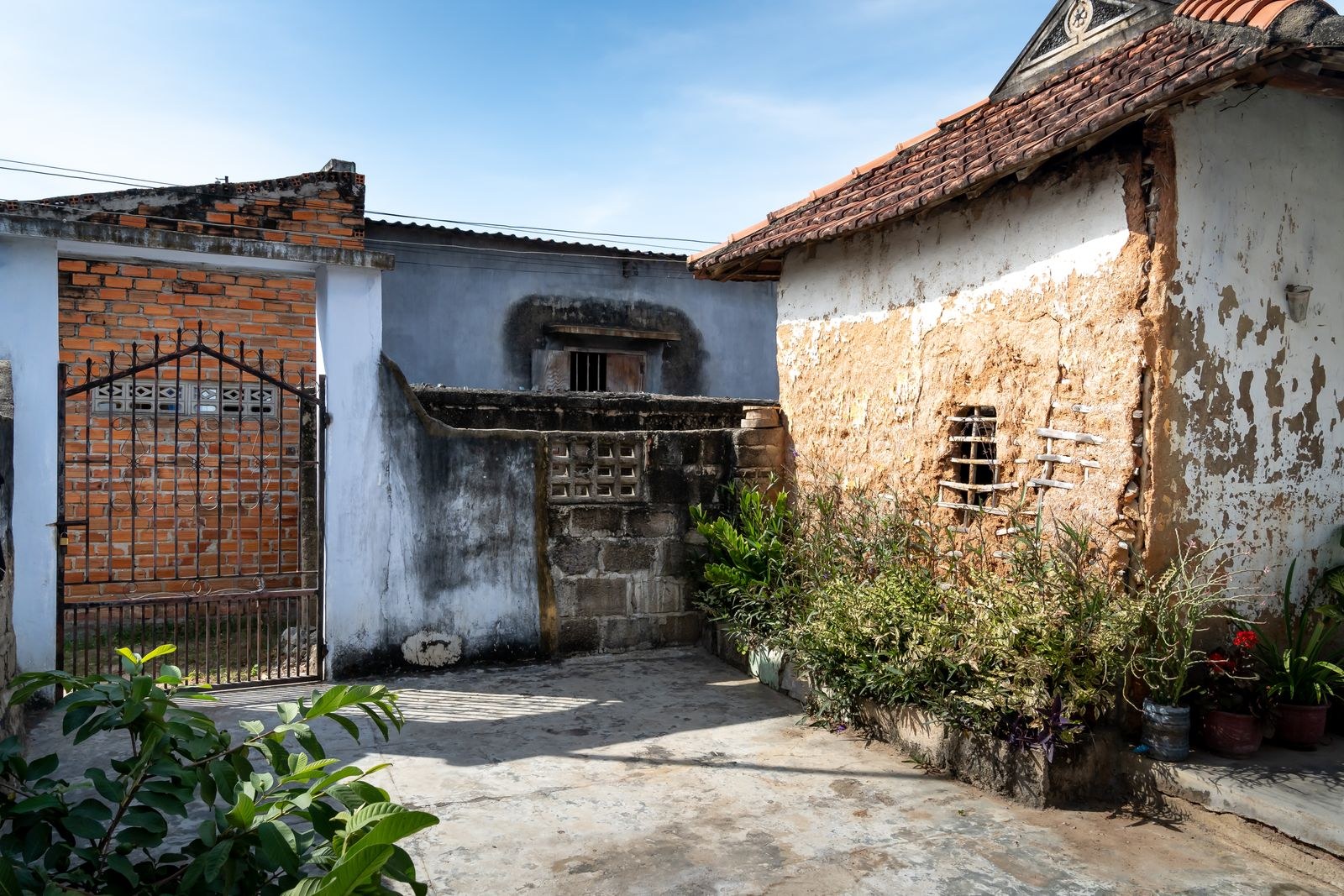
The five properties are separate, and the list is the most useful thing to carry. The first is 听泉楼 Tīngquánlóu, Tingquan Tower, the former Lin Sen villa, begun in 1937. The second is 孔园 Kǒngyuán, Kongyuan, the former official residence of H. H. Kung. The third is the former principal’s residence of 1940. The fourth is the bamboo-grove villa that was the residence of Chen Lifu and Chen Guofu. The fifth is the oldest, 彭氏民居 Péngshì Mínjū, the Peng family house, standing since 1822, which was the research department of the Central Political School. Four are named for the people who lived in them; the fifth for the family that built it.
What happened inside the Peng house is what makes the group a war site rather than a row of villas. When the Central Political School moved inland in 1938, classes resumed in that house, and in 1946 the Southwest College was founded there by the Southern Bureau of the Central Committee of the Communist Party of China. Ownership passed to the Banan District cultural relic authority in 2002, and the group had already been listed on 15 December 2009 among the second batch of municipal protected cultural relics of Chongqing. All five appear in the cultural-relic register attached to Banan’s own A-grade scenic area table, which is the district’s way of saying that they are counted and catalogued without being opened. Catalogue entry, no visitor route: that is what every visitor meets at the first gate.
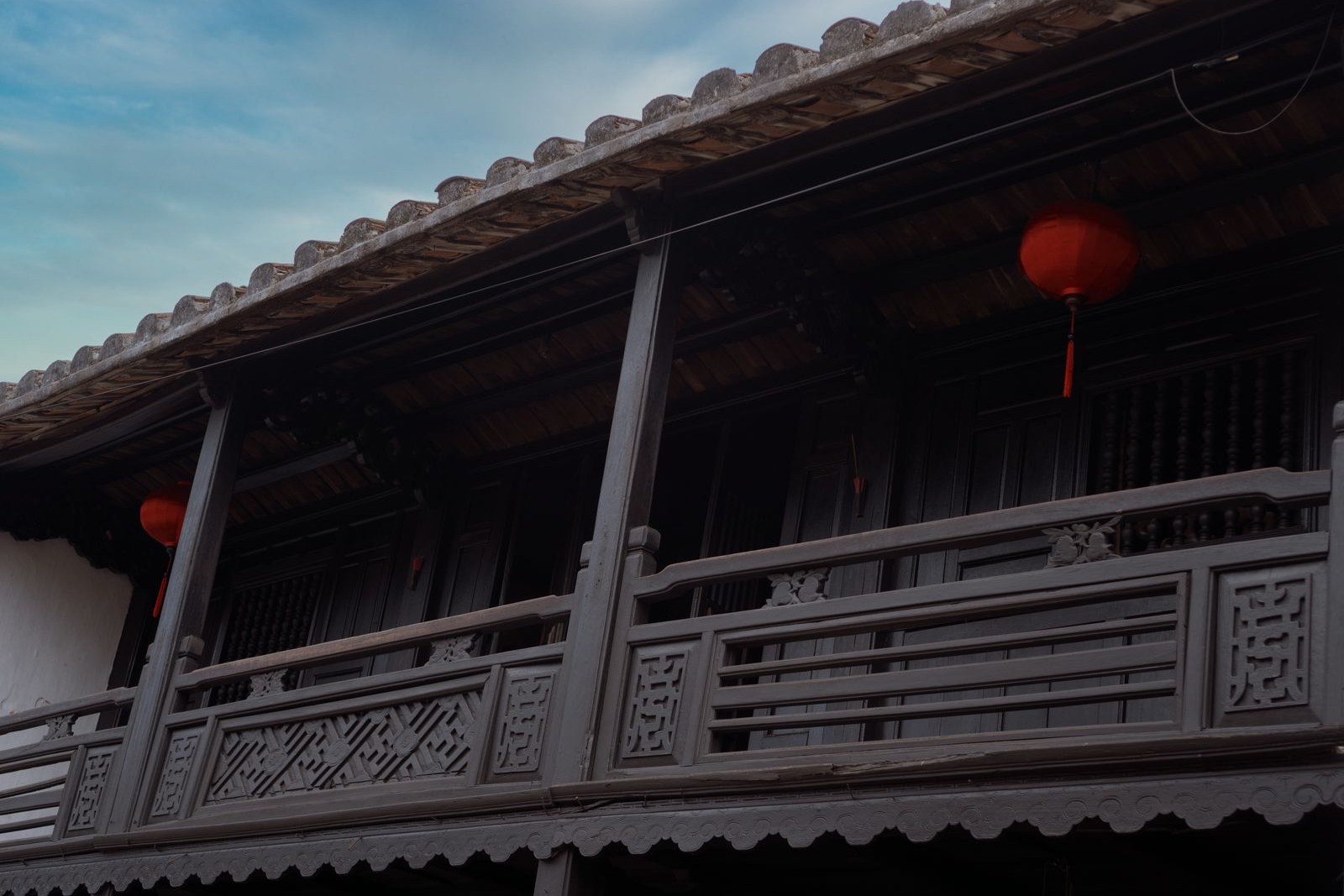
So what is there to look at? Rooflines and gables, the thickness of a compound wall, the way a 1940 residence sits lower on the same slope than a Qing house does, and the ordinary life of a subdistrict that grew up around five of them – shops, small apartments, footpaths, a hill. Three things within a short walk belong on the same route: 南泉革命烈士陵园, the Nanquan Revolutionary Martyrs Cemetery, protected since 2000 in the city’s first batch; the Main Battlefield Site of the Liberation of Chongqing, added at district level in 2010; and 樵坪古寨, Qiaoping Ancient Village, a walled village whose restoration covers forty-eight gates and forty-eight temples. One caution, because the two are constantly run together: the 重庆抗战遗址博物馆, the Chongqing Anti-Japanese War Site Museum, is in Nan’an at 1 Nanshan Botanical Garden Road, and its own figures disagree – 18 yuan against 17 yuan, 9:00 to 18:00 in the high season against 9:00 to 17:30 in the low, 17:00 as the last ticket against an 18:00 close – and no source states whether it closes on Mondays.
Practicalities
Tickets. There is nothing to buy, and the absence is the fact worth stating precisely. No source publishes a ticket, a rate or a combined pass for the Nanquan Wartime Sites, and Banan’s A-grade table lists the five properties only in its cultural-relic register, with no admission column attached to them. What you pay for is the journey to the subdistrict and, if you want the interior account, the district museum, which is free.
Opening hours. There are no visiting hours, because there is no visitor gate to open. What you can do is walk the public streets, and the streets are governed by daylight rather than by a desk. The one published set of hours on this route belongs to the Banan Museum in Longzhouwan: 09:00 to 17:00, last entry 16:30, closed Mondays. Set your own timing by the light, because the facades read best with low sun on them.
Closing day. There is no closing day, and saying so is the whole point: a national key cultural relic unit that admits nobody is not shut on Mondays, it is simply not open on any day, which is a different thing and easy to confuse. What keeps a weekly rhythm here is the town rather than the monuments, since the shops and the footpaths follow ordinary working days. If you want a stated weekly rest to plan around, the free museum in Longzhouwan gives you one.
Getting there. Nanquan Subdistrict lies in the south-east of Banan, next to Huaxi, and the Huaxi here is the subdistrict of that name inside Banan rather than the district of the same name in another city. The nearest rail approach is the metro station at Huaxi, which a district hot spring hotel publishes as 3.7 km away by road, so the last stretch must be covered on foot or by taxi. Give a driver the subdistrict rather than a single gate: the five properties do not share one entrance (checked October 2026, subject to change).
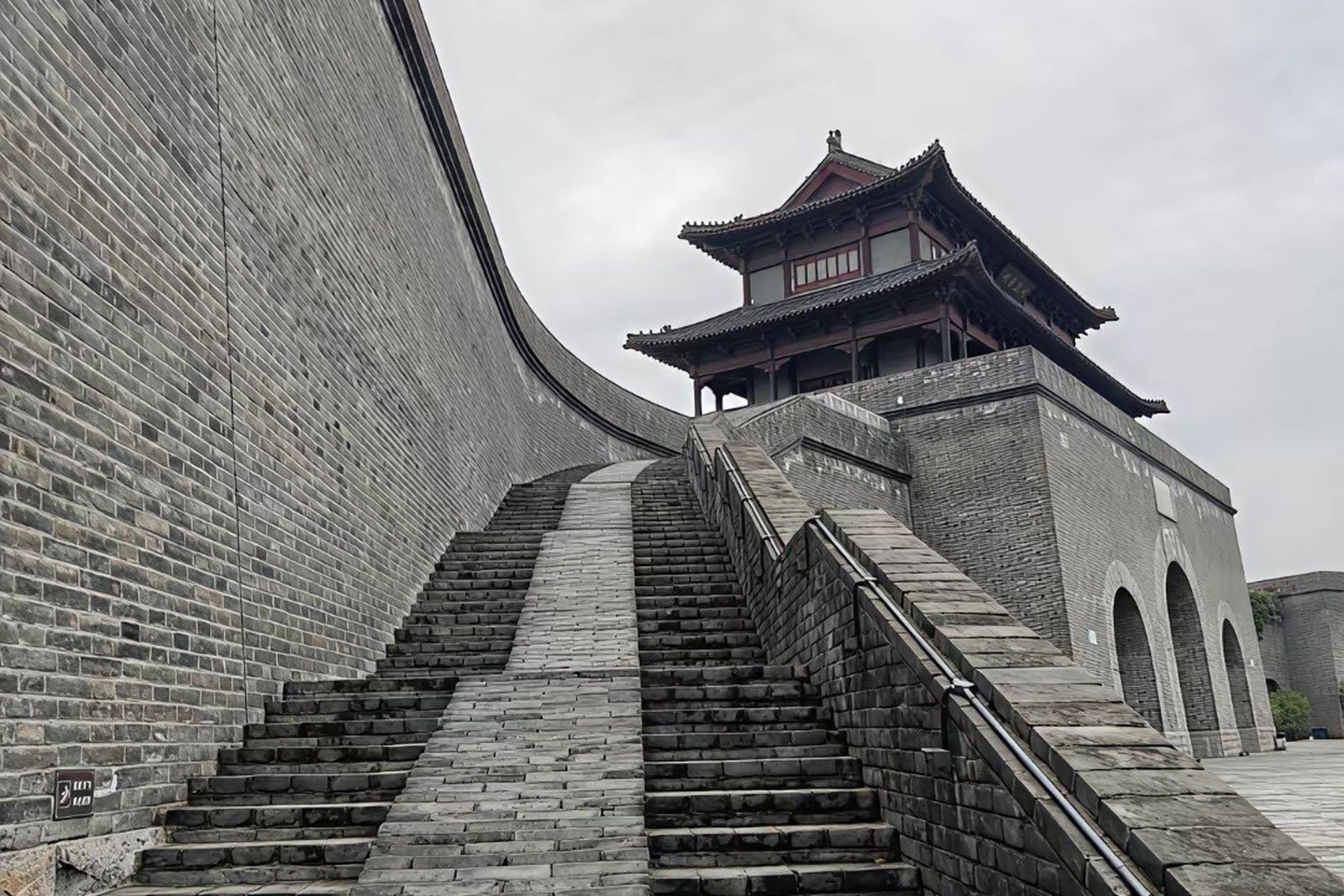
flowcloud would say that the Nanquan group is the rarest kind of sight in this city – a national key cultural relic unit, five properties, catalogued to the metre and open to nobody – so the only way in is a walk past the front and an hour in a museum across the district. That is the information, not a gap in it.
Getting there: 南泉抗战旧址群 Nánquán Ànkàng Jiùzhǐqún, the Nanquan Wartime Sites, stand in 南泉街道 Nánquán Jiēdào, Nanquan Subdistrict, in 巴南区 Bā’nán Qū, Banan District, Chongqing – published on 5 March 2013 in the seventh batch of national key cultural relic units as 7-1878, dated 1938 to 1946, and made up of five separate properties: Tingquan Tower, the former Lin Sen villa of 1937; Kongyuan, the former residence of H. H. Kung; the former principal’s residence of 1940; the Zhulin Villa of Chen Lifu and Chen Guofu; and the Peng family house of 1822, where the research department of the Central Political School resumed classes in 1938. No source publishes opening hours or a ticket for any of the five, so the visit is the facades from the street plus the Banan Museum’s own exhibitions; the nearest rail approach is the metro station at Huaxi, in Banan and not the Huaxi of another city (checked October 2026, subject to change).