
南湾猴岛 Nánwān hóu dǎo is not quite an island and not quite a peninsula. It is a knuckle of forested headland on the southern edge of a lagoon on the 陵水 Língshuǐ coast, separated from the mainland by a narrow channel of water, and it is the home of one of the largest and best-known colonies of wild macaques in China. There are thousands of 猕猴 mí hóu on it, and they are the reason the place exists as a protected reserve and as a tourist attraction. The macaques are genuinely wild – nobody feeds them by hand here, in theory – but they are also habituated, used to people, and utterly unafraid, which is the fun of the place and the thing to be careful about.
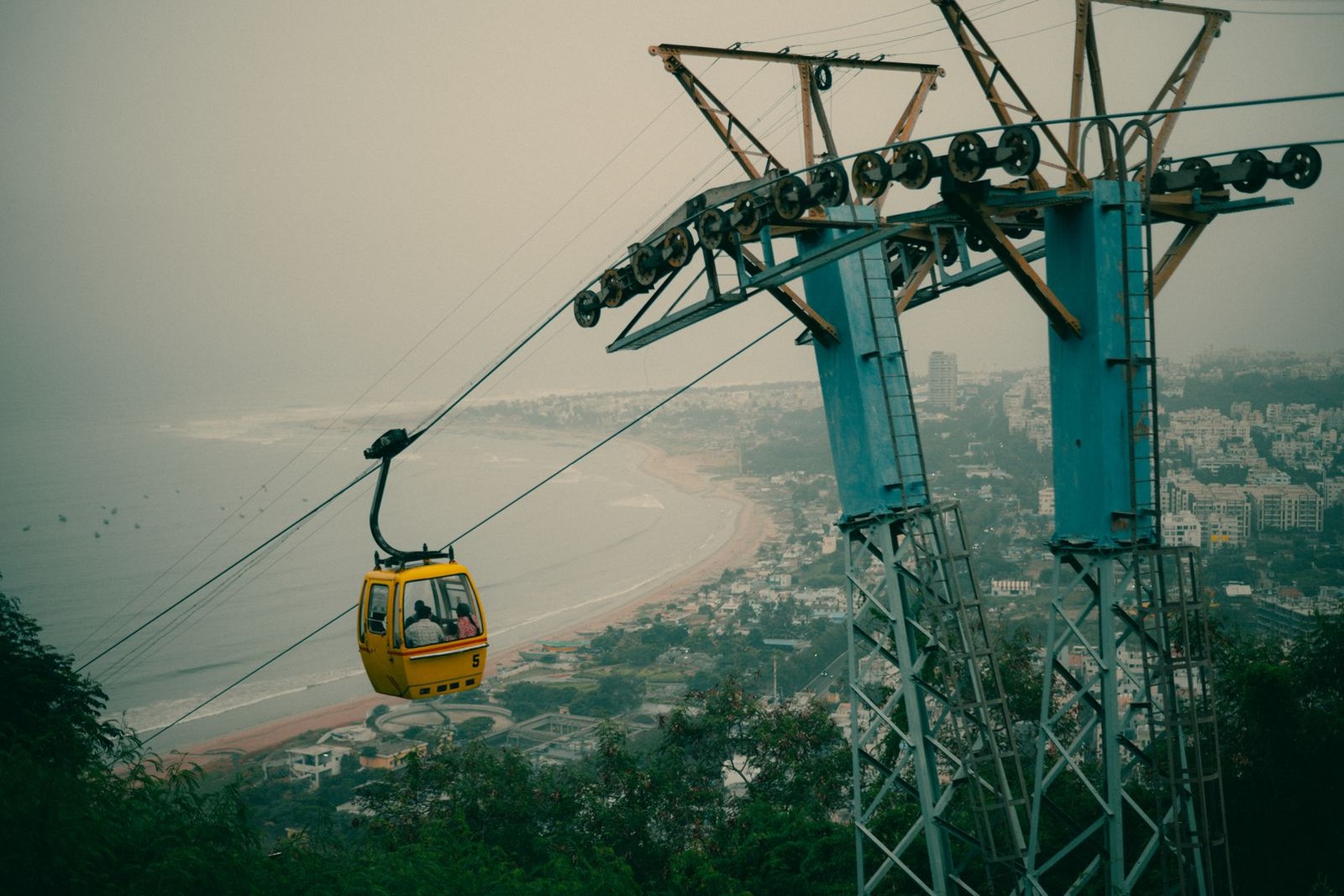
The way onto the island is the first part of the show. A 跨海索道 kuà hǎi suǒ dào, a cable car that crosses the sea, takes you from the mainland end over the lagoon and up towards the island, and the ride is one of the longest over-sea cable crossings you will do anywhere in the country. From the car you look down on the 疍家 Dànjiā rafts floating in the channel below, the same net-cage villages you will see from the terrace of a raft restaurant, and then the cable car rises and stops at a station on the island. There is also a boat route and a footpath, but the cable car is the one everybody remembers. Once on the island, the way is a mix of boardwalk, forest trail and designated viewing areas where the macaques congregate.
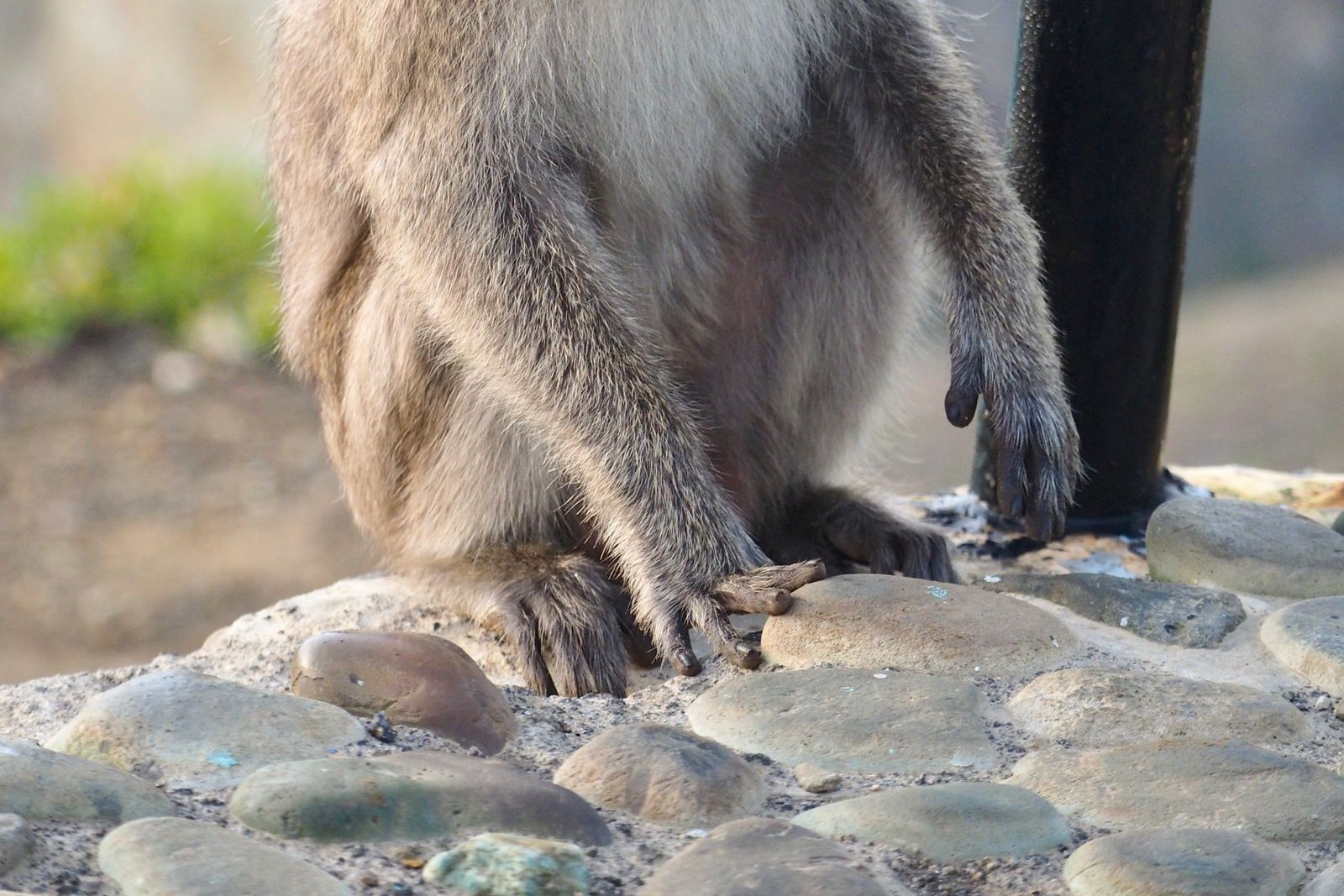
The macaques divide into troops, each with its own territory, and the reserve has put in place a strict set of rules for the very good reason that they are still wild animals. You do not carry food openly, you do not feed them, you do not tease them, and you do not make eye contact with a male who is staring at you. The reward is close and often comical: troops grooming on a wall, mothers carrying babies, juveniles chasing each other, and a general indifference to the tourists that the island has learned to put on. Around the macaques the island carries a small bit of everything else – a 猴岛 hóu dǎo museum, a nursery, and paths down to the rocks where the water is clear.
Practicalities
Tickets. The entrance ticket to 南湾猴岛 includes the cable car crossing and the island itself, and is priced in the region of ¥150 to ¥180 in season, with a reduced rate for children and students. There are separate charges for a few add-ons inside. Prices at the time of writing; the ticket office posts the current list and the number varies with season.
Opening hours. The reserve is open roughly 08:00 to 17:00, with the last cable car back in the late afternoon; in the summer season it may run a little later. The animals are most active in the morning, so a mid-morning arrival is the best use of your time.
Getting there. 南湾猴岛 sits at the edge of a lagoon on the south-east coast of 陵水, reached by road from the county town in about thirty to forty minutes. The 环岛高铁 Huán dǎo gāo tiě, the island ring railway, has a 陵水站 Língshuǐ zhàn; from there a bus or taxi runs to the 猴岛码头 hóu dǎo mǎ tóu pier.
Closing day. The reserve is open every day of the year, with no weekly closing day. The cable car and the boat may be suspended for a typhoon warning, when the island is closed entirely, and the habitat closes occasionally for maintenance.
Getting there: the 猴岛码头 hóu dǎo mǎ tóu pier on the mainland is the gateway, reached by road from 陵水 town in about forty minutes; the cable car crossing is included in the entrance ticket.
flowcloud would say that a place where the animals are wild, unafraid, and not to be fed is a place that has made a deal with its visitors, and that the shaking of that deal – the food, the teasing – is the one thing that would ruin it for everyone.