
The Mountain Qianlong Kept Coming Back To: Panshan
三盘胜境松石水,一岳收尽京东秋 Sān pán shèngjìng sōng shí shuǐ, yī yuè shōu jìn jīngdōng qiū – Three scenic tiers of pine, rock and water; one mountain gathers all the autumn east of the capital
盘山 Pán Shān rises at the mountain gate of 天津市蓟州区 Tiānjīn Shì Jìzhōu Qū Jizhou District, the peak that made the young Qianlong sigh “had I known Panshan, why would I go down to Jiangnan” – an emperor’s compliment he paid back with thirty-two visits. The hill stacks its scenery in three named tiers: pines rule the upper slopes, boulders the middle ridges, and water the lower valleys, all packed into a granite dome an hour and a half from Tianjin’s towers.
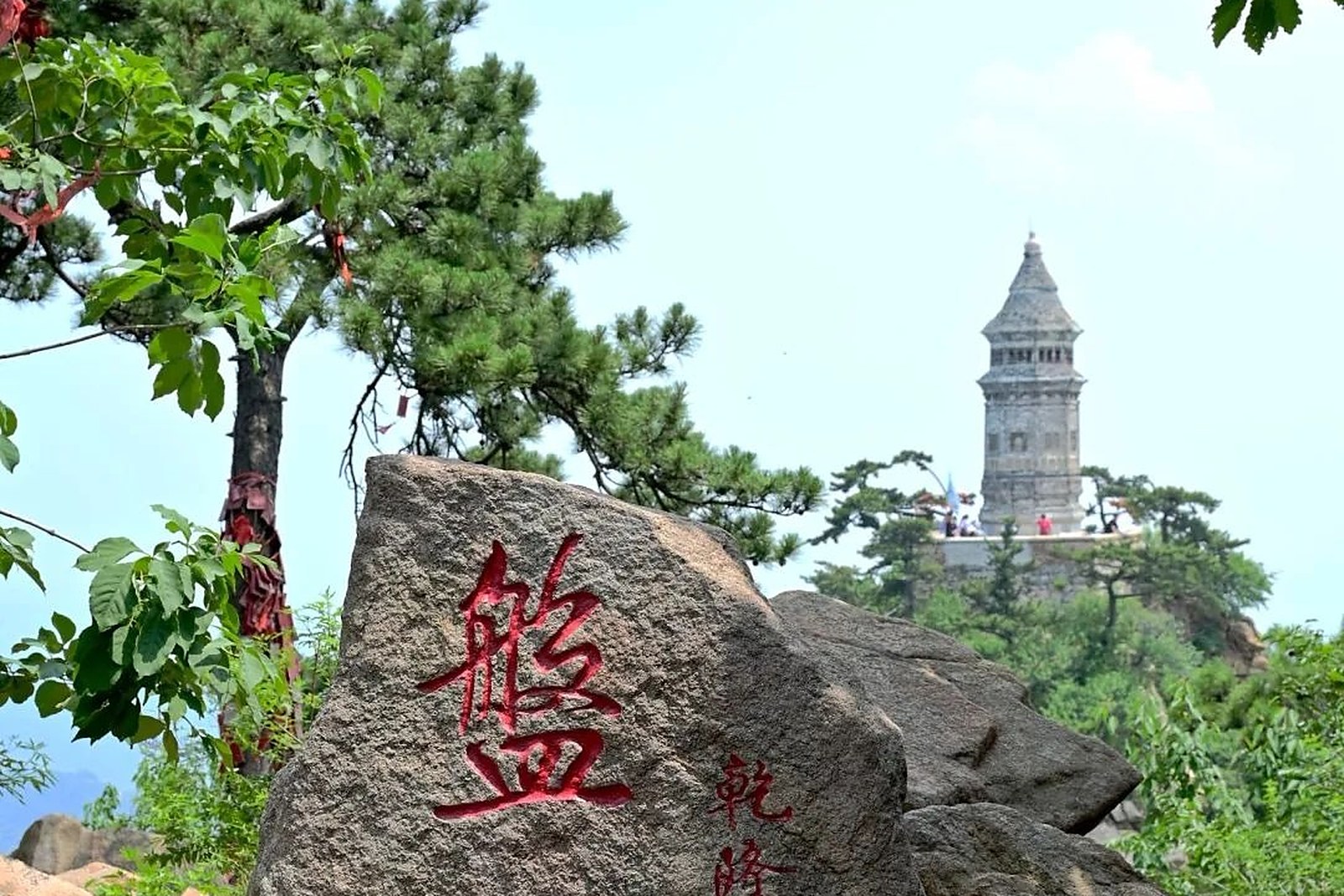
The climb reads like a temple trail. Tiancheng Temple sits in a folded valley where a streaming cascade drops under the gate, the Five-Pine Pavilion stands above it in a grove the Qing monks planted, and the stone stair keeps folding upward past carved cliffs toward Yunzhao Temple on the shoulder of the peak. Each tier changes the forest – cypress at the foot, pines at the waist, low oak scrub near the top.
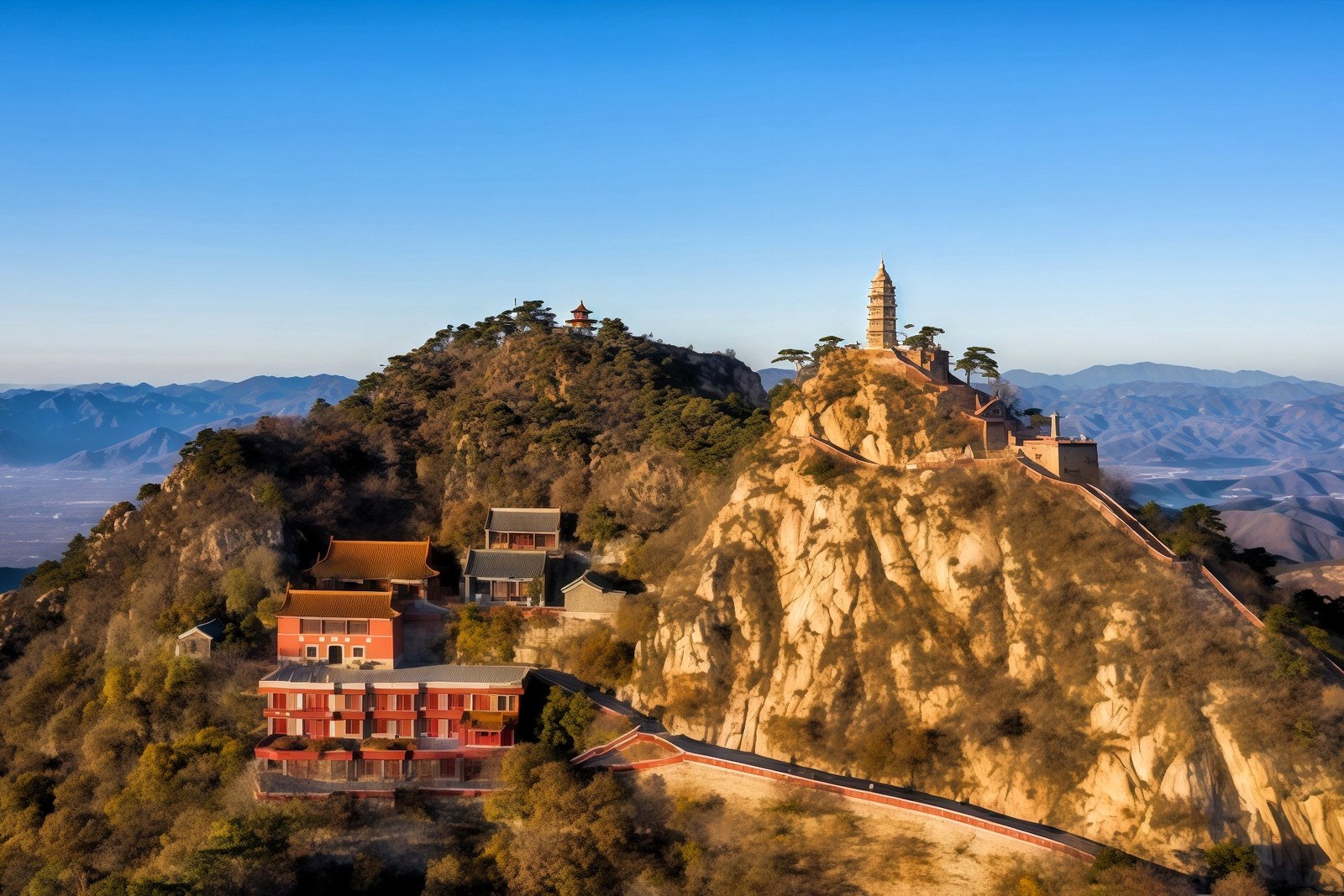
Guayue Peak, the 864-meter summit, carries a stone pagoda that anchors the whole ridgeline, and on clear mornings the view runs from the Jizhou reservoir plain all the way back toward the Great Wall line. Pilgrims used to climb it by lantern; today’s hikers get cable cars to the middle tier and a stairway worth every step for the last stretch.
The mountain’s size is the point – Panshan is a day’s walk, not a photo stop. Autumn gilds the pines with maple patches, spring runs water down every tier, and even midsummer the valley floors hold shade that the city plain loses by nine. Locals time the red leaves for late October and the morning inversion seas for the first cold snaps.
Practicalities
- Cable cars split the climb: ride to the middle tier and walk up, or hike the full stair from the lower gate.
- Late October is peak color; weekends then are crowded – go before eight.
- The full circuit takes five to six hours on foot; carry water, the upper tiers have few stalls.
- Mountain temples close earlier than the gate suggests; Tiancheng Temple is best in morning light.
Words and Names
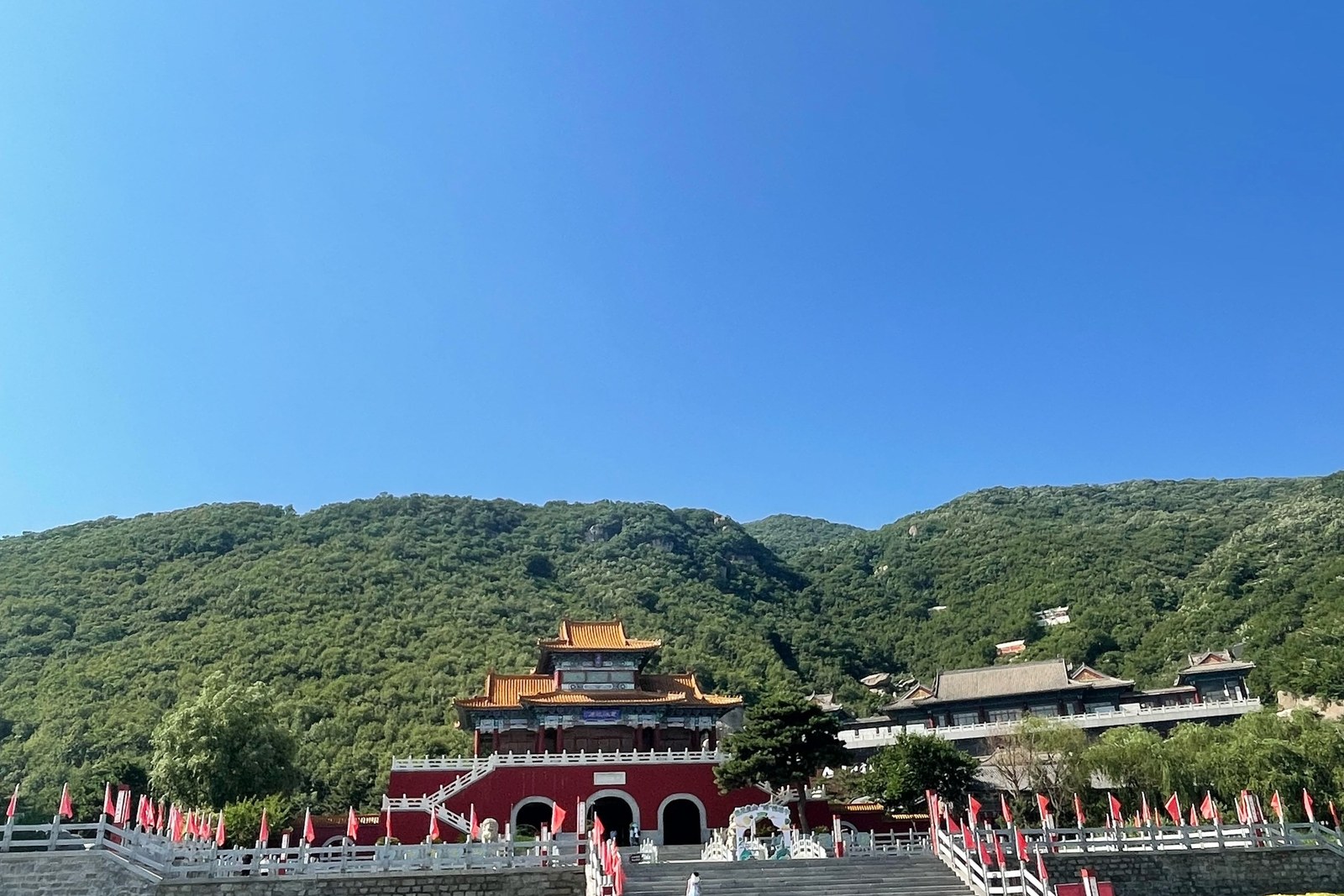
盘山 Pán Shān Panshan, “coiling mountain”; 挂月峰 Guàyuè Fēng Guayue Peak, the summit; 三盘 sān pán the three tiers of pine, rock and water; 天成寺 Tiānchéng Sì Tiancheng Temple; 索道 suǒdào the cable car. Beyond the mountain, the same 天津市蓟州区 Tiānjīn Shì Jìzhōu Qū Jizhou District keeps more places worth the detour: 黄崖关长城 Huángyáguān Chángchéng the Great Wall’s Jizhou pass, 独乐寺 Dúlè Sì the Liao-dynasty temple, 梨木台 Límùtái the quartz gorge, or 九山顶 Jiǔshāndǐng the city’s rooftop – four more doors into the same Jizhou District. Once the mountain is behind you, our Jizhou food map fills the table.
flowcloud would say Panshan is an emperor’s patience made landscape: a hill worth thirty-two round trips, tiered so every climb feels like a new argument. All checked November 2026.
Getting there: The mountain gate sits west of Jizhou’s seat – drive about twenty minutes from the town center, or take the weekend tourist bus line from Tianjin; the main lot and ticket hall front the lower gate, and cable cars split the climb from the middle tier. All checked November 2026.