
Peng Dehuai’s Village at Wushi
乌石 Wū shí is a village in 湘潭县 Xiāng tán xiàn, west of the county town and a little under an hour by road from 湘潭市 Xiāng tán shì, and it is on the map because 彭德怀 Péng Dé huái, the marshal and one of the founders of the People’s Liberation Army, was born here in 1898 in a farmhouse in a hamlet called 彭家围子 Péng jiā wéi zi. The house, the memorial hall, the statue square and the grave are all in one compact area at the foot of the low hills, and the whole thing takes half a day.
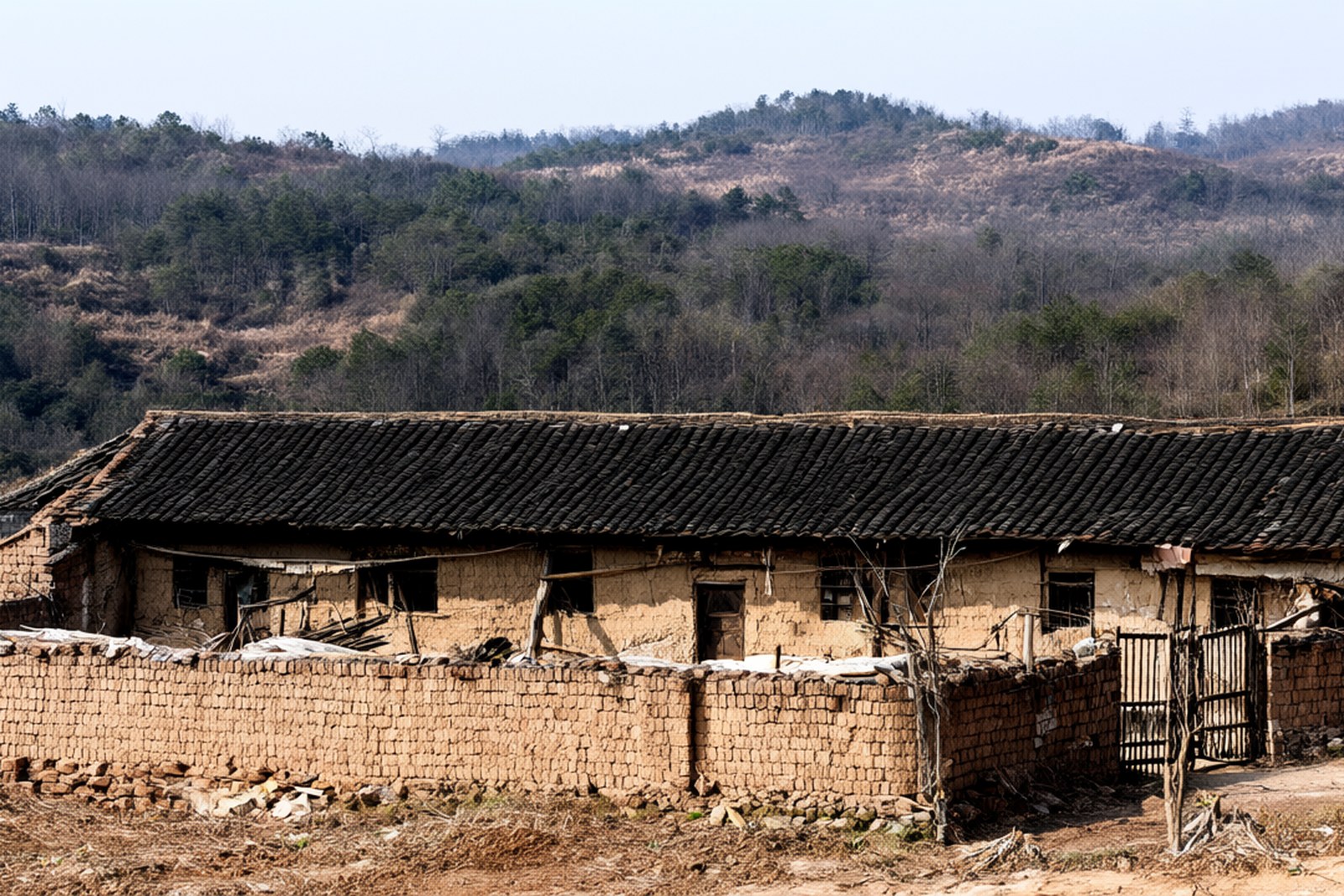
The village is worth a visit for reasons that go beyond the man. The farmhouse is a real one of the kind this part of Hunan built: mud brick on stone footings, a dark tiled roof, an internal courtyard for light and air, and rooms that were both living space and store. The hills behind it are terraced and farmed, the lanes between the hamlets are walkable, and the memorial hall tells the story in the usual way with photographs, documents and objects, from the boy who left to work in a coal mine and then enlisted, through the campaigns of the 1920s and 1930s, the war against Japan, and the command of Chinese forces in Korea, to 1959 and the end of his career and the years afterwards. Whether or not you have any interest in the military history, the difference between the house he was born in and the scale of the memorial built around it is itself the interesting thing.
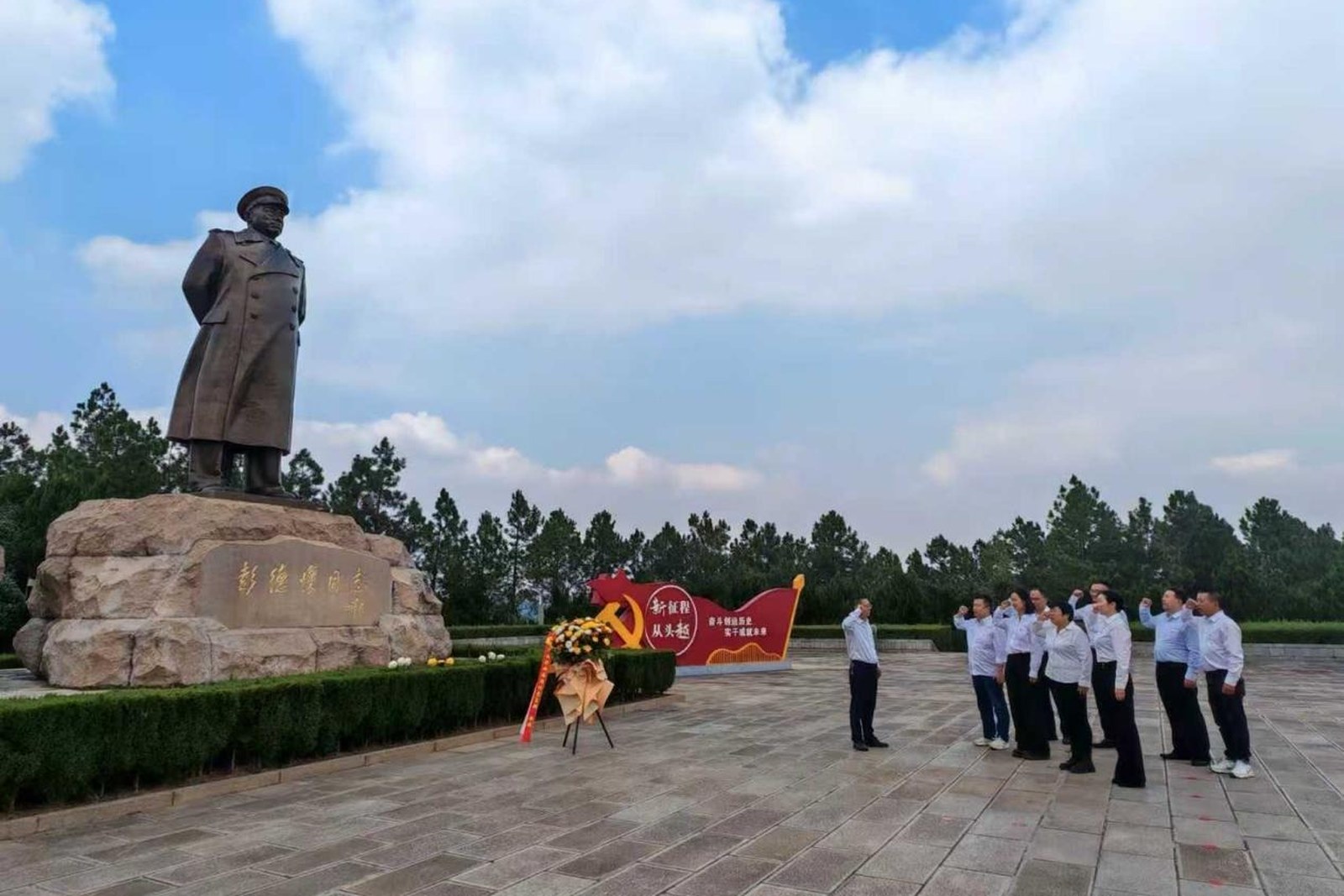
What is now the 乌石景区 is a group of sites rather than a single building. The 故居 gù jū, the birth house, is preserved with the family’s rooms furnished; the 纪念馆 jì niàn guǎn, the memorial hall, opened in the 1990s, holds the exhibition; the 铜像广场 tóng xiàng guǎng chǎng, the bronze statue square, is the ceremonial centre where wreaths are laid; and his grave lies on the hillside above, where his remains were brought back and buried after his death in 1974. There is a 缅怀亭, a pavilion of remembrance; a small exhibition in the village’s own Communist Party branch history, covering the 彭家围子 Péng jiā wéi zi cell, which was one of the earliest rural party organisations in this part of the province; and a marker at the place where his younger brother 彭荣华 Péng Róng huá was killed in 1940. The village is also one of the stops on the province’s 红色旅游 routes, which means the roads in are good, the parking is ample, and the site is busy on the anniversaries and quiet on ordinary weekdays.
Practicalities
Tickets. Entry to the site, including the birth house and the memorial hall, is free, but it is a managed heritage site and requires identification and usually a prior booking for the hall; tickets are issued against a passport for foreign visitors, and the on-site booking office can do this on the day if there is capacity. Inside, everything is walkable and there is no further charge.
Opening hours. The usual pattern for a site of this kind is a mid-morning opening, a long break at midday, and a late-afternoon close, with the last admission half an hour before; the hall closes on Mondays, which is the standard for Chinese memorial museums outside public holidays. Because the hours are set seasonally and changed by the site rather than published nationally, treat the gate notice as the authority and plan to arrive before eleven in the morning. Half a day is enough for the house, the hall, the square and the walk up to the grave.
Getting there. 乌石 is in 湘潭县 Xiāng tán xiàn, 湘潭市, about forty kilometres from the city centre by road, reached through 石潭镇 Shí tán zhèn and signed from the county road; 湘潭站 Xiāng tán zhàn is the nearest main-line station, with 湘潭北站 Xiāng tán běi zhàn on the 沪昆 high-speed line. There is no useful public transport to the village itself, so a car, a taxi or a booked driver is necessary; the drive is a little under an hour each way on good county roads.
Closing day. The hall keeps a closing day, normally Monday, and it closes on the public holidays that fall on Mondays in the same way as other museums; the outdoor parts of the site – the house exterior, the square, the grave and the lanes – remain accessible seven days a week. Because the site is administered as a protected memorial rather than a park, closures for maintenance do happen at short notice, so telephone ahead if the trip is a long one.
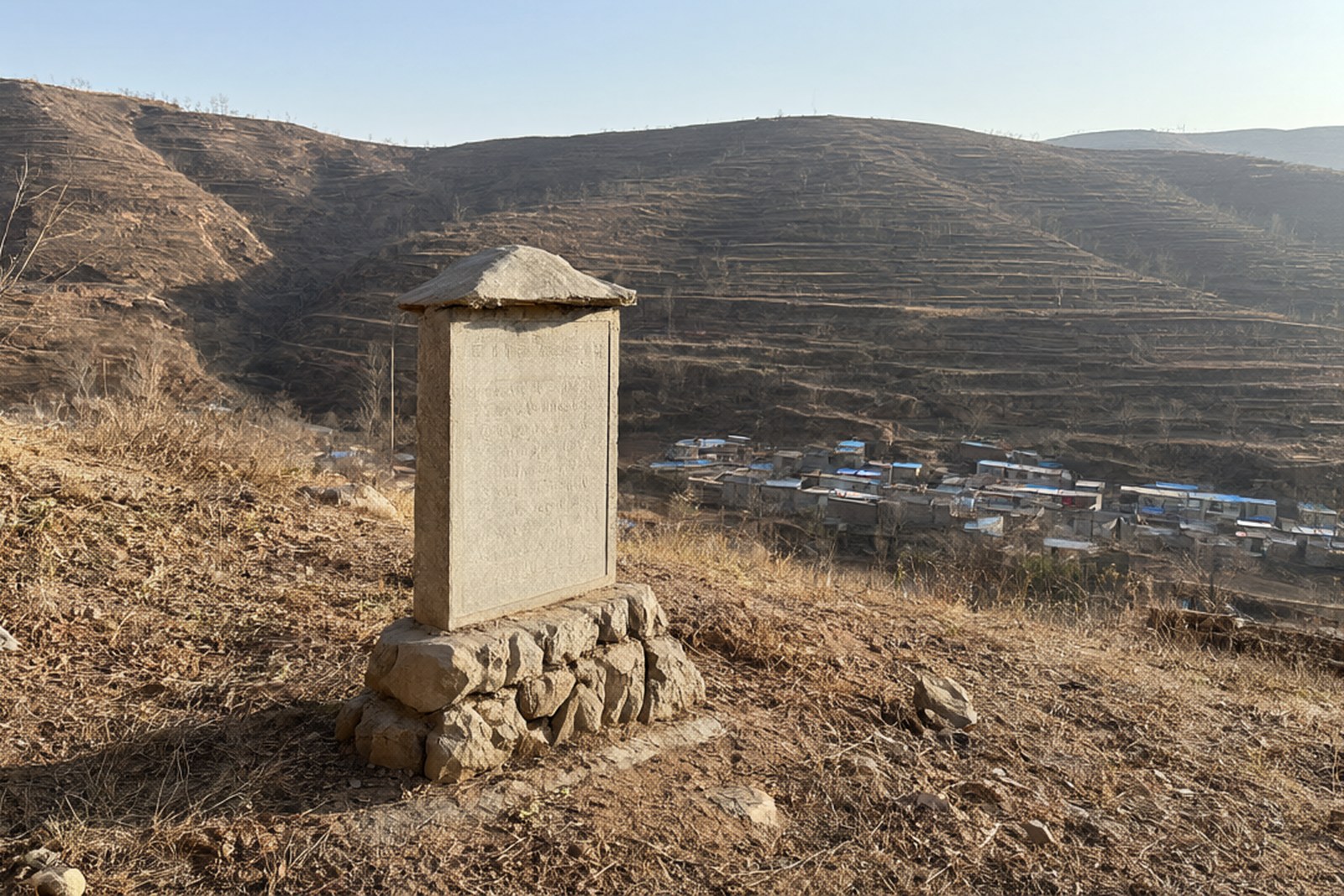
flowcloud would say that a village which produced a marshal out of a mud-brick house, buried him on the hill above it, and then built the museum, the square and the car park between the two, has ended up as one of the clearer monuments in the country to the distance a single life can travel and to the fact that it always starts somewhere small.
Getting there: 乌石 Wū shí is in 湘潭县 Xiāng tán xiàn, 湘潭市, about forty kilometres west of the city centre, reached by county road through 石潭镇 Shí tán zhèn; the nearest main-line station is 湘潭站 Xiāng tán zhàn and the high-speed station is 湘潭北站 Xiāng tán běi zhàn on the 沪昆 line, both in the city, and a car is needed for the last stretch.