
绿水青山就是金山银山。Lǜshuǐ qīngshān jiùshì jīnshān yínshān – Clear waters and green mountains are themselves mountains of gold and silver.
普达措 Pǔdácuò Pudacuo – a name that blends Sanskrit and Tibetan for “the sacred land of Avalokiteshvara, a lake” – was formally opened on 21 June 2007 as the first national park on the Chinese mainland, inside the heart of the 三江并流 Sānjiāng Bìngliú Three Parallel Rivers UNESCO World Heritage core in 香格里拉 Xiānggélǐlā Shangri-La, about 22 km east of the county town. The property runs about 602 km², with visitor terrain between about 2,347 m and 4,159 m, stitching together the 属都湖 Shǔdū Hú Shudu Lake (a tectonic lake at 3,595 m), the 碧塔海 Bǐtǎhǎi Bitahai Lake (a fault lake at 3,538 m, “the land where oaks grow like felt” in Tibetan) and the 弥里塘 Mílǐtáng Militang alpine pasture (about 3,700 m, a “Buddha-eye meadow”). It is a real national 5A scenic area and the rare Yunnan park that caps visitor numbers and keeps large tracts closed for conservation, so the spruce-fir old growth and the marsh feel genuinely unspoiled.
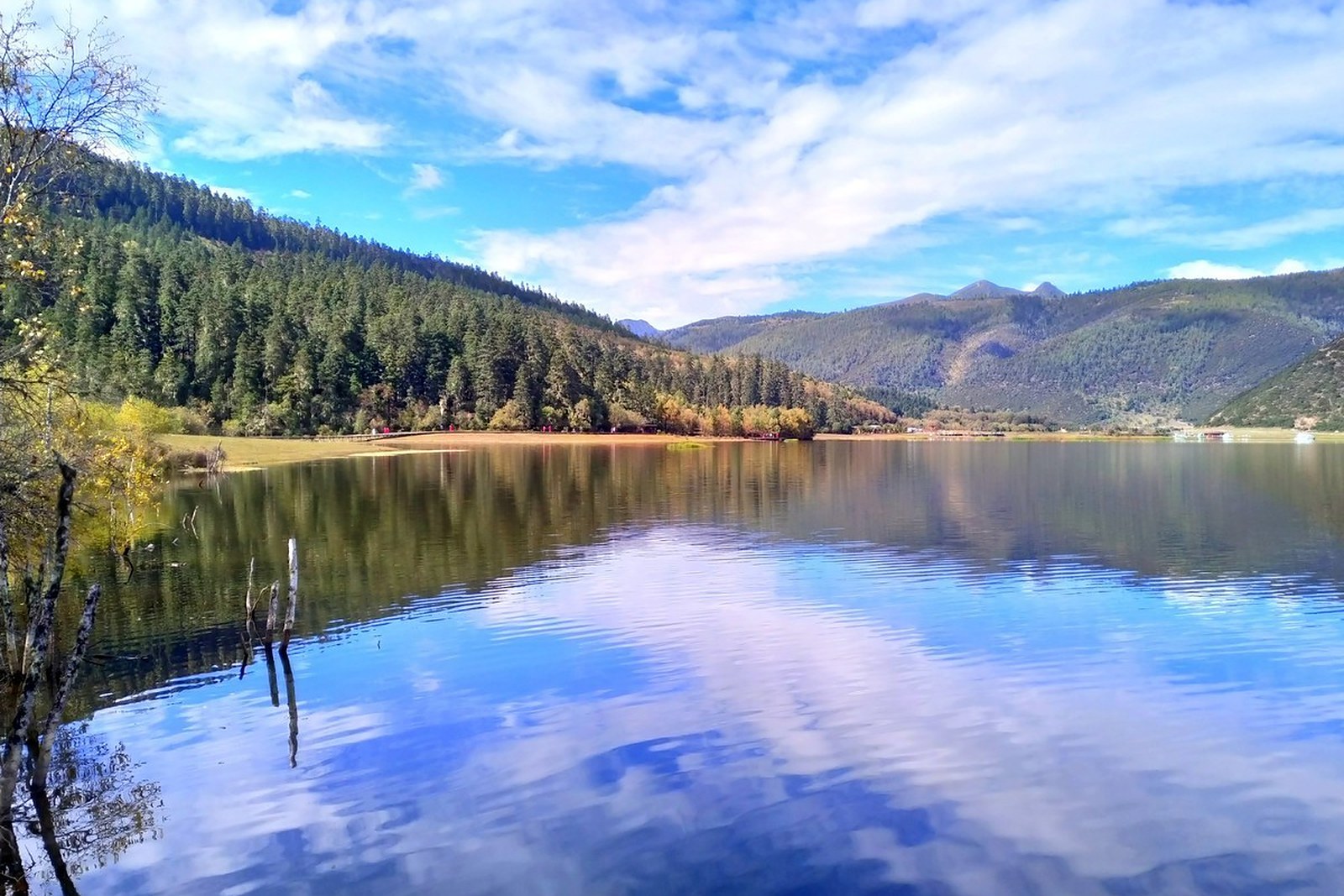
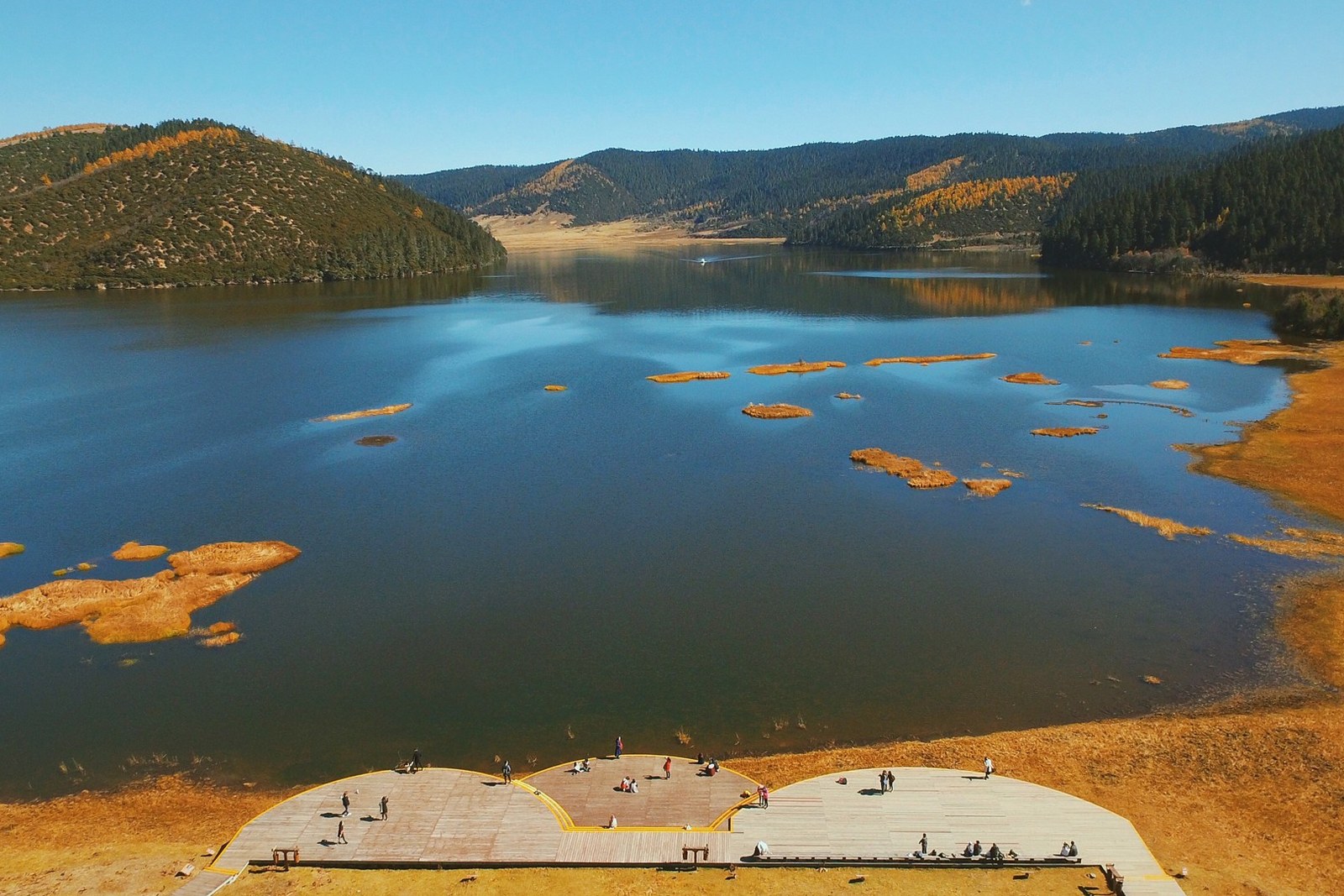
Getting in costs 138 yuan all in (roughly 68 yuan ticket plus 70 yuan sightseeing bus), with half-price for students and seniors and free entry for the very young, the old and the certified (soldier, disabled); the bus is not optional because the lakes are kilometres apart. From 香格里拉 take the shuttle from the bus station (about 15-30 yuan, several morning departures) or a taxi / charter (taxi about 100-150 yuan one way, 30-40 minutes); once inside the fixed route is 属都湖 Shǔdū Hú boardwalk – about 3 km of lakeside plankway – then 弥里塘 Mílǐtáng meadow and 碧塔海 Bǐtǎhǎi, with a boat on Shudu as an extra paid option (about 65 yuan). The honest tip is to walk the Shudu plankway slowly: at 3,500 m plus, no running, no jumping, and the 属都裂腹鱼 Shǔdū lièfù yú naked carp in the clear water is a 2.5-million-year-old relic, not a snack.
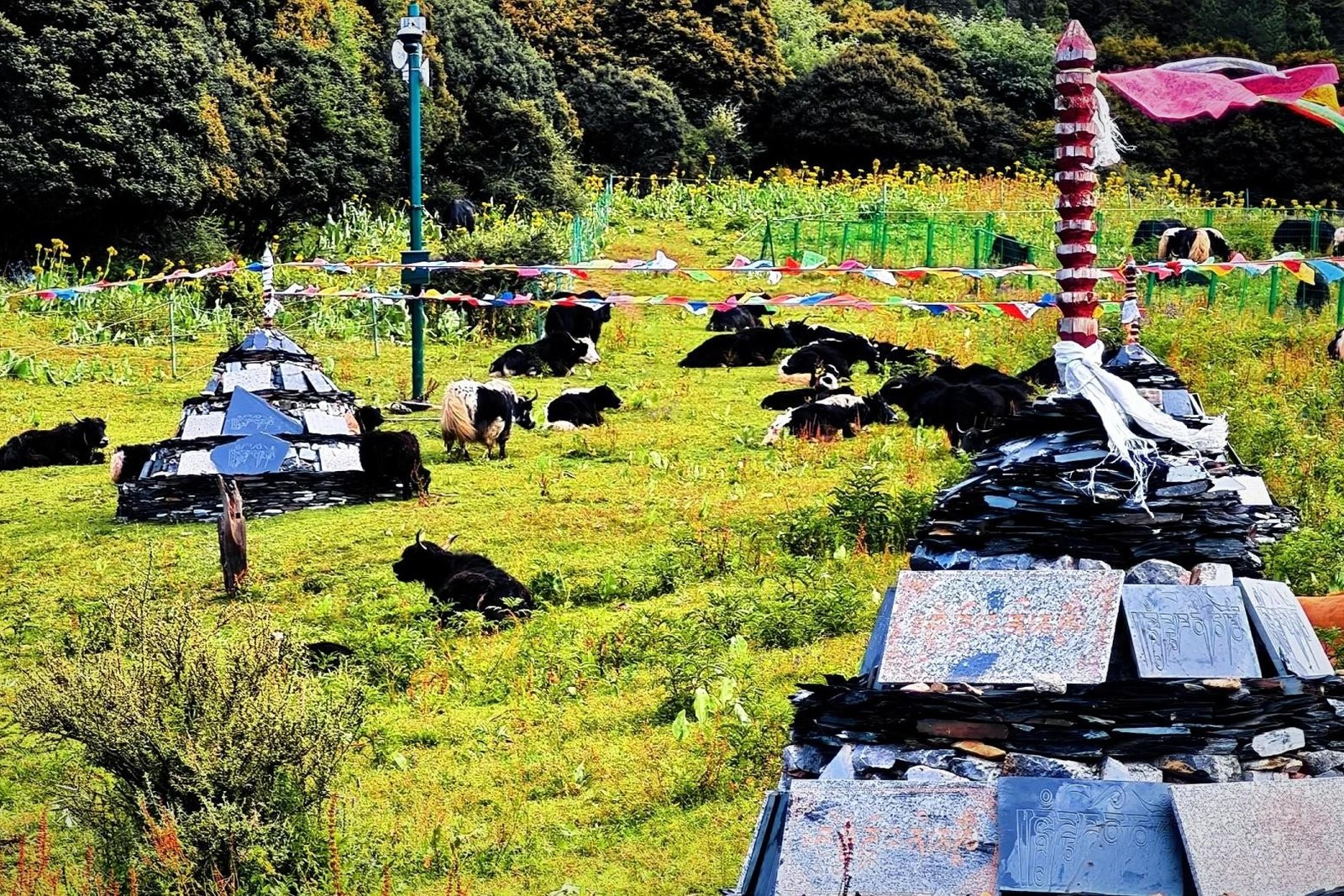
Seasons decide the colour. Late spring brings rhododendron along the boardwalks; autumn paints the spruce and birch; and the marsh birds – black-necked cranes among them – use the wetlands in winter. The park is high and the weather turns fast, so a windproof layer, sun block and water matter more than any gadget, and the 16:30 closure (some sources 17:00) means you should be on the first or second morning shuttle, not the last. It is not a place for a quick photo from the car – budget four to six hours, and treat 洛茸 Luòróng and the 霞给村 Xiágěi Cūn Tibetan hamlets as the human edge of the wilderness rather than a staged stop.
Practicalities
- Rating: China’s first national park (opened 21 June 2007) and a national 5A scenic area, lying inside the Three Parallel Rivers UNESCO World Heritage core.
- Tickets: About 138 yuan combined (≈68 yuan ticket + 70 yuan bus); the Shudu boat is about 65 yuan extra; half-price for students and seniors, free for young children, the elderly (70+) and the certified (soldier, disabled).
- Address: 建塘镇红坡村 Jiàntáng Zhèn Hóngpō Cūn, Shangri-La, about 22 km east of the county town; reach it on the park shuttle or a taxi from the Shangri-La bus station.
- Time needed: Four to six hours on the fixed shuttle route (Shudu plankway → Militang → Bitahai); a full day if you add the boat and linger.
Words and Names
普达措 Pǔdácuò Pudacuo · China’s first national park (2007), a Sanskrit-Tibetan name meaning “sacred lake land” 三江并流 Sānjiāng Bìngliú Three Parallel Rivers · the UNESCO World Heritage core that the park sits inside 属都湖 Shǔdū Hú Shudu Lake · a 3,595 m tectonic lake with a ~3 km plankway and ancient naked carp 碧塔海 Bǐtǎhǎi Bitahai Lake · a 3,538 m fault lake, “oak-felt land,” the park’s southern lake 弥里塘 Mílǐtáng Militang · a 3,700 m alpine pasture, a “Buddha-eye meadow” between the two lakes 属都裂腹鱼 Shǔdū lièfù yú Shudu naked carp · a 2.5-million-year-old relic fish in the clear lake water 国家公园 guójiā gōngyuán national park · the protected status Pudacuo first carried in mainland China 洛茸 Luòróng Luorong · a Tibetan hamlet on the park’s human edge 霞给村 Xiágěi Cūn Xiagei Village · the entry settlement where the visitor route begins 香格里拉 Xiānggélǐlā Shangri-La · the county town 22 km west of the park gate
flowcloud would say that 普达措 Pǔdácuò is mainland China’s first national park – 属都湖 Shǔdū Hú, 碧塔海 Bǐtǎhǎi and the 弥里塘 Mílǐtáng meadow inside the 三江并流 Sānjiāng Bìngliú heritage core, 600-plus km² of spruce marsh at 3,500 m-plus – and that the move is the first-morning shuttle, a slow walk on the Shudu plankway and no jumping at altitude because the bus ticket is the only way the lakes connect. All checked October 2026.
Getting there: 普达措 Pǔdácuò Pudacuo, at 建塘镇红坡村 Jiàntáng Zhèn Hóngpō Cūn in 香格里拉 Xiānggélǐlā Shangri-La, about 22 km east of the county town – from the city take the park shuttle from the bus station (about 15-30 yuan, several morning departures) or a taxi / charter (taxi about 100-150 yuan one way, 30-40 minutes); once inside the fixed route runs Shudu plankway, Militang and Bitahai, with the sightseeing bus the only way the lakes connect (checked October 2026, subject to change).