
青龙湖国家森林公园 Qīnglóng Hú Guójiā Sēnlín Gōngyuán, the Qinglong Lake National Forest Park, lies in the 云雾山 Yúnwù Shān Yunwu Mountains off 大路街道 Dàlù Jiēdào Dalu Street at the far north of 璧山区 Bìshān Qū, Bishan District: a reservoir landscape of steep forested slopes dropping into clear green water, side inlets and waterfall gullies that the guidebooks have taken to calling the 川东小九寨 – the little Jiuzhaigou of east Sichuan. The park carries the district’s northern outdoors: tour boats and hire craft on the water, the 青龙塔 Qīnglóng Tǎ Qinglong pagoda on the shore for the basin view, and above the water the 古老寨 Gǔlǎo Zhài old stockade, a Southern-Song-era defensive settlement built in the Mongol campaigns. This page is the full-day north, and it is written as the loop the visitors actually walk.
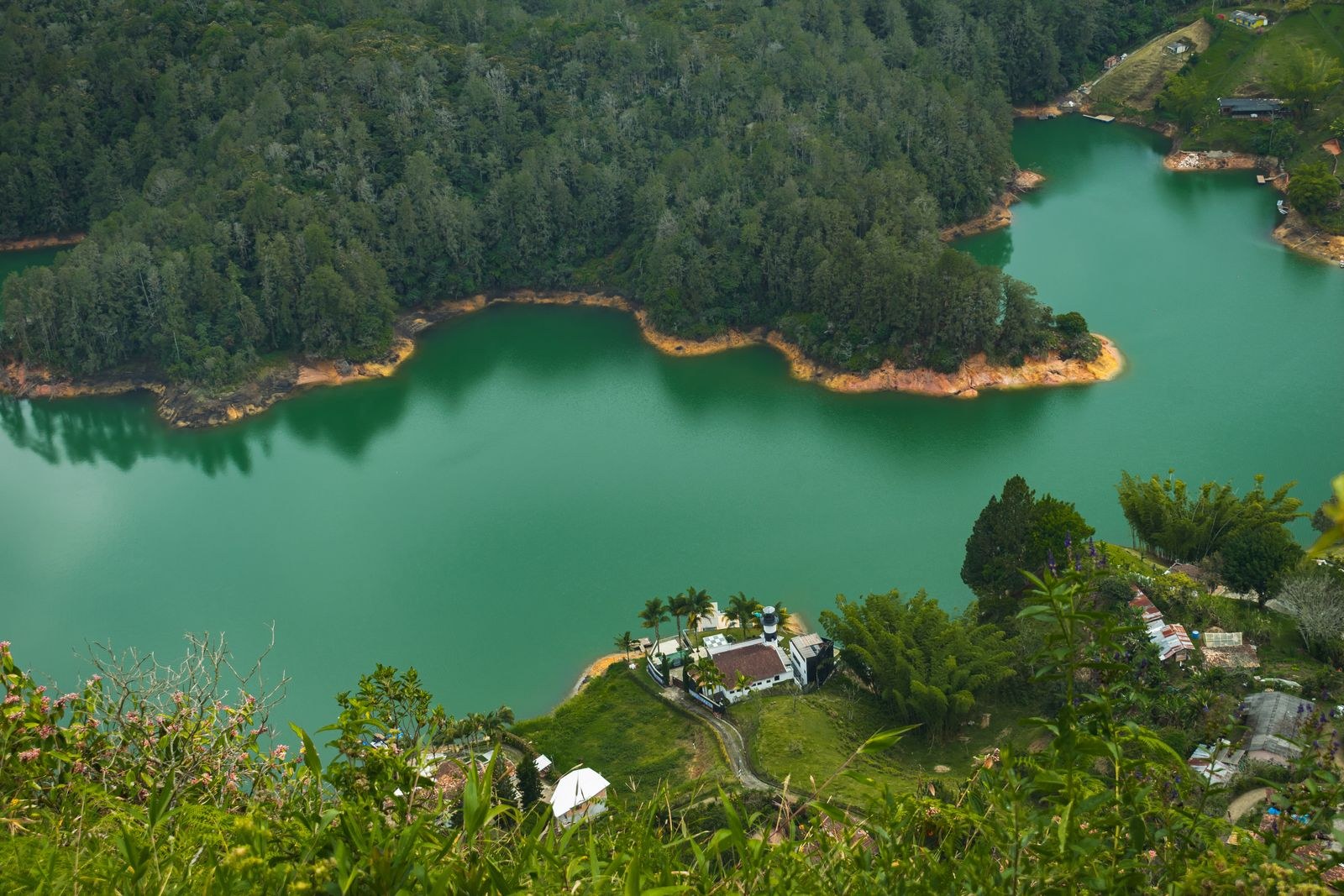
The water is the park’s floor. A national forest park graded on a reservoir is a specific thing: the steep-afforested catchment keeps the water clear and green, the drowned valley’s shape makes the crenellated shoreline – the 港汊通幽, the winding inlets, of the district’s own description – and the boat is how the shape is read. The park runs tour boats on the main basin and hires craft for the quiet arms; the waterfall gullies run after rain and photograph their best then; and the forest paths above the shore give the hiker the same water from above. The 小九寨 nickname the trade uses is honest hyperbole – this is green water in a green gorge rather than travertine terraces – and the page keeps it as the nickname it is, because what the park actually offers is the northern mountains’ one big-water landscape, an hour closer than the real Jiuzhaigou by an order of magnitude.
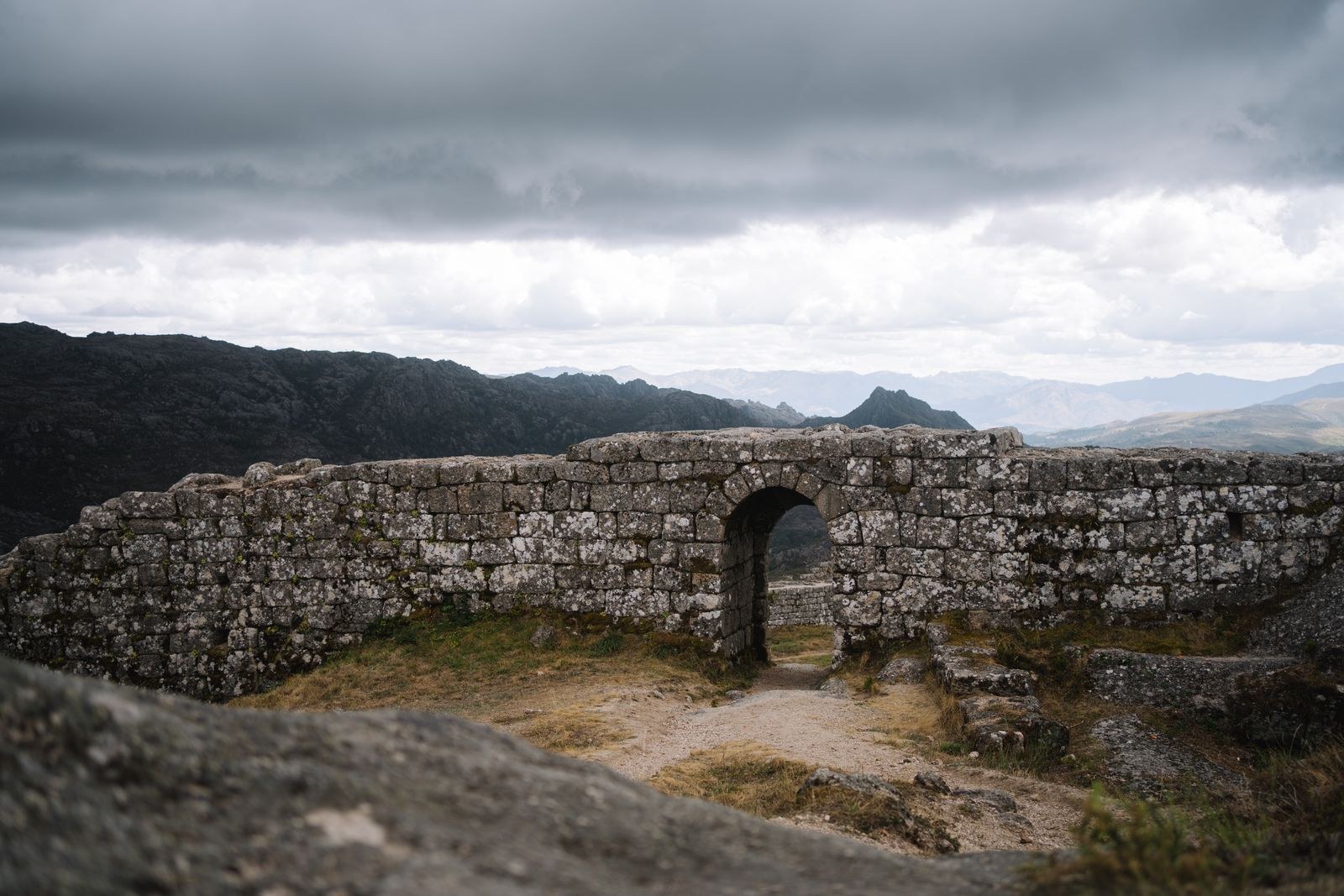
The pagoda and the stockade are the park’s two man-made layers, and they are seven centuries apart in purpose. The 青龙塔 pagoda on the shore is the viewing climb – a token ticket, a spiral of steps and the whole basin laid out from the top, the district’s own guidebooks pricing it at ten yuan – and it reads today as the park’s landmark and photography post. The 古老寨 stockade on the ridge above is the opposite kind of climb: the walls and gate stumps of a Southern-Song defensive settlement, built in the campaigns that rolled through Sichuan in the thirteenth century, when the mountain counties fortified ridge-tops against the Mongol advance – the same system of mountain fortresses that made钓鱼城 down the road famous. The stockade is rough country walking rather than a restored site, and the honest page says so: the walls are there, the interpretation is thin, and the walk is the point.
What the record supports is the park, the street, the nickname, the pagoda with its token ten-yuan climb, the stockade with its Southern-Song dating and the boat-and-path format; what it does not support is any boat timetable, any posted park ticket for the gate itself, or any restoration claim for the stockade, and none is invented here. The park sits inside the district’s northern lodging economy – the lakeside canteen-hotels below it, the farmstay rows and the cherry valley around it – and the honest page treats the sights as the daylight half of a booked weekend rather than as a stand-alone ticket. A reader runs the loop: boat or shoreline path in the morning, the pagoda climb after lunch, the stockade for the walkers, the farm table at night.
The park also carries the range’s history, which the batch’s cherry-valley page touches and this page owns. The Yunwu Mountains were the county’s north wall – post-road, fortress, forest – and the park is what the wall became: a national grading on working forestry, a thirteenth-century stockade on the ridge, a pagoda and boats on the water, and the weekend traffic the metro sends north. It is the district’s biggest outdoors and its highest ground, and it earns the full-day framing the page gives it. All checked October 2026.
Words and Names
青龙湖国家森林公园 Qīnglóng Hú Guójiā Sēnlín Gōngyuán, the Qinglong Lake National Forest Park, in the 云雾山 Yúnwù Shān Yunwu Mountains off 大路街道 Dàlù Jiēdào Dalu Street, far northern 璧山区 Bìshān Qū, Bishan District: a green reservoir landscape of forested slopes, winding inlets and waterfall gullies that the trade nicknames 川东小九寨 chuāndōng xiǎo Jiǔzhài, the little Jiuzhaigou of east Sichuan. The 青龙塔 Qīnglóng Tǎ Qinglong pagoda on the shore climbs for the basin view at a token posted ten yuan, and the 古老寨 Gǔlǎo Zhài old stockade on the ridge above is a Southern-Song defensive settlement from the Mongol-campaign era, walked rather than restored. Tour boats and hire craft work the water; the lakeside canteen-hotels, farmstay rows and cherry valley around the park hold the overnight trade. No boat timetable, gate ticket or restoration programme is on the record consulted beyond the pagoda figure, and none is invented here.
What the Locals Know
The local knowledge is the weather and the sequence. The water photographs greenest in the morning light and flattest before the boats run – the locals launch early – and the waterfall gullies are a after-rain sight, dry stone in a dry week; a visitor who can time the drive to the tail of a rain scores the 小九寨 at its best. The pagoda climb is the midday anchor because it is short and shaded; the stockade is a morning walk in cool weather and rough going after rain, and locals wear real shoes for it. The loop that works books the shore house for the night – the farm table and the bonfire make the second day’s walk possible – and the cherry weeks of April fill every bed on the mountain, so the shoulder weekends are the local’s choice. What the record does not carry is any boat schedule or gate ticket, and the page declines both; the ten-yuan pagoda and the water are the facts, and the weather is the rest.
Practicalities
Tickets: The park gate itself posts no ticket on the record consulted; the one posted figure is the 青龙塔 pagoda climb, a token ten yuan for the basin view. The boats price separately – tour boats on the main basin, hire craft for the quiet arms – and no boat timetable or tariff is on the record, so the page quotes the pagoda and declines the rest rather than inventing a rate card.
Opening hours: Daylight hours as the working norm – the water photographs greenest in the morning and flattest before the boats run, the pagoda climb is the midday anchor because it is short and shaded, and the stockade is a morning walk in cool weather. No posted hours table is on the record consulted; the honest clock is the weather’s, and a visitor who times the drive to the tail of a rain scores the waterfall gullies at their best.
Closing day: None posted – a national forest park does not gate its weeks, and no published rest day is on the record consulted. The seasonal rhythm is the April cherry weeks and the October drives filling every bed on the mountain, with the shoulder weekends the local’s choice; the stockade after heavy rain is rough going, which is a weather limit rather than a closing one.
Getting there: The park is in the 云雾山 Yúnwù Shān Yunwu Mountains off 大路街道 Dàlù Jiēdào Dalu Street, far northern 璧山区 Bìshān Qū, Bishan District – reached by road from the county town or across the ridge from the Chongqing side, about an hour’s drive. The loop that works books a shore house for the night and runs boat or shoreline path in the morning, the pagoda after lunch, the stockade for the walkers, the farm table at night.
flowcloud would say that 青龙湖国家森林公园 the Qinglong Lake National Forest Park is the district’s big north – a green reservoir in the 云雾山 Yunwu Mountains nicknamed the little Jiuzhaigou of east Sichuan, with the ten-yuan 青龙塔 pagoda climb, tour boats and hire craft on the water, and the Southern-Song 古老寨 stockade on the ridge – and that the correct visit is the full-day loop out of a booked shore house in 璧山区 Bishan District, because the daylight is only half the product and no boat timetable or gate ticket survives in the record consulted. All checked October 2026.