
七星坑 Qīxīng kēng is the one place in 江门 prefecture where the original forest has never been cut, and it survives because of the shape of the ground. The valley lies in 那吉镇 Nàjí zhèn in the far west of 恩平 Ēnpíng, against the border with 阳江 and 云浮, and it is a deep, steep-sided basin of about eighty square kilometres, ringed by hills that rise to nearly nine hundred metres at 七星顶 Qīxīng dǐng, the seven-star peak that gives the place its name. The sides are too steep to farm and the valley floor is too wet, so the broadleaf forest here was never cleared, and what is left is a stand of 南亚热带沟谷雨林 nán yà rè dài gōu gǔ yǔ lín, the southern subtropical ravine rainforest of the province, which is the closest thing Guangdong has to a real jungle.
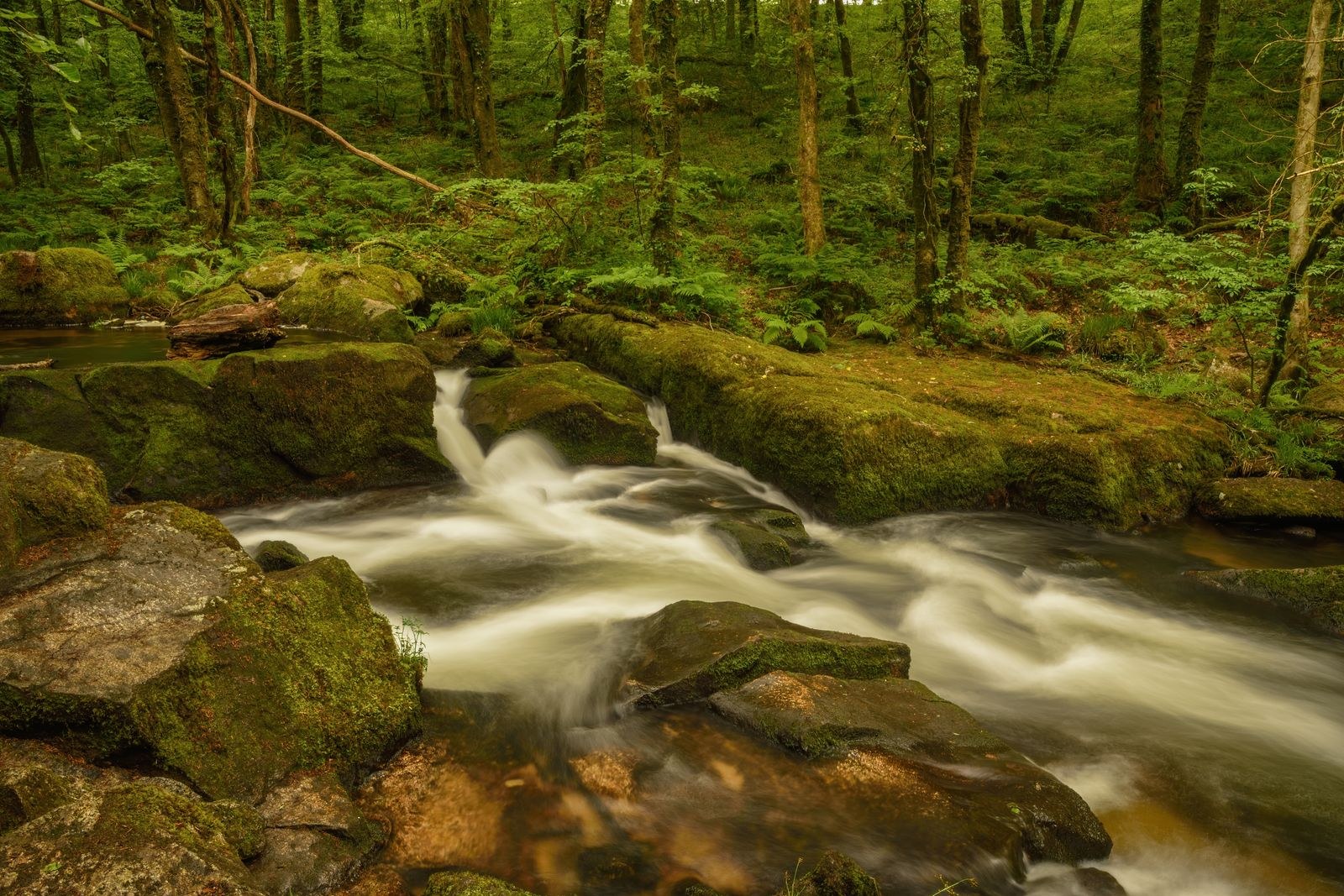
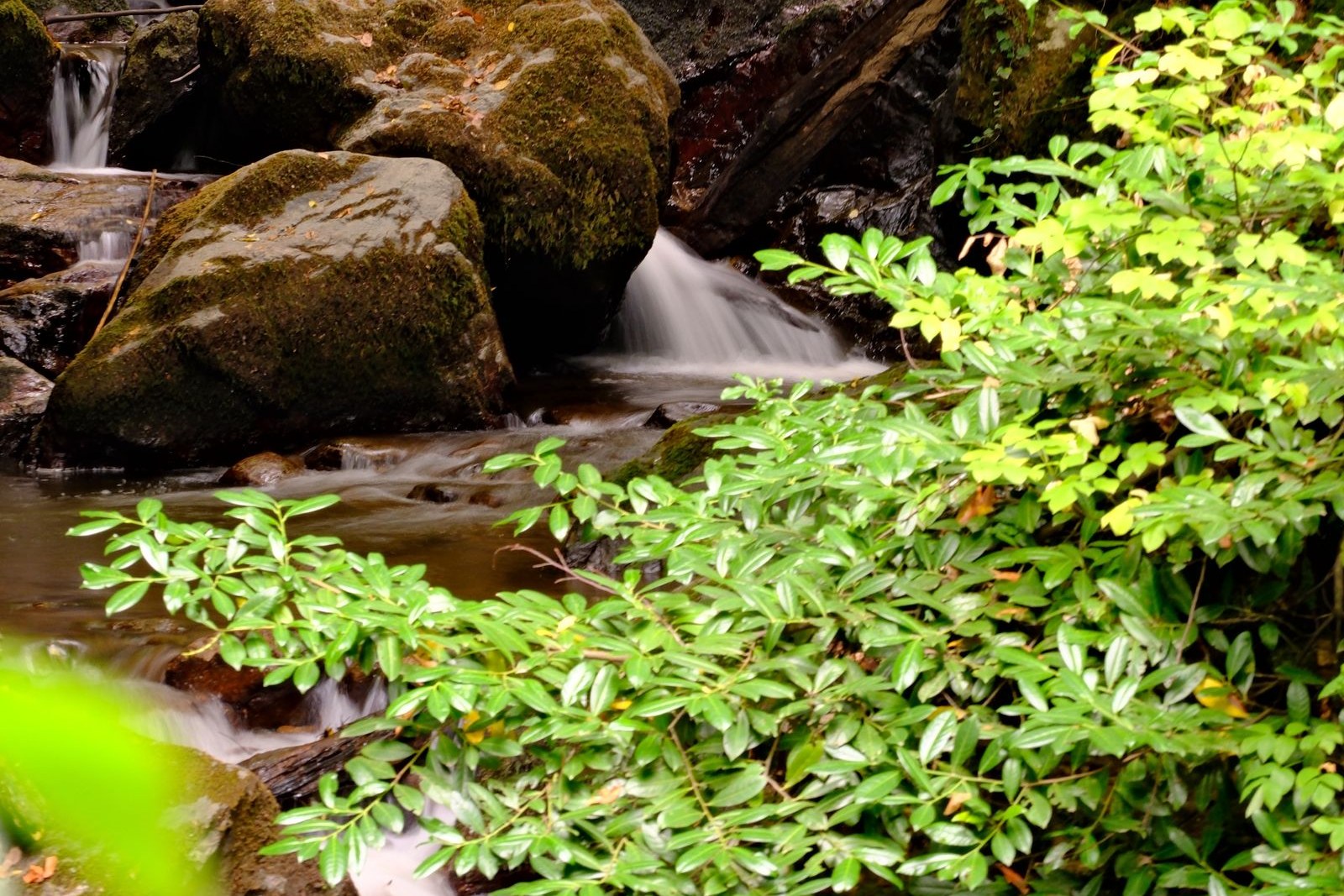
The forest is the reason it is protected and the reason it is worth a day. Because the valley never dried out and never burned, it carries species that have gone from everywhere else in the delta: 桫椤 suō luó, the tree fern, a plant that has been on the earth since before the dinosaurs and now survives in a handful of damp ravines in south China; 观光木 guān guāng mù, a rare magnolia; and stands of 格木 gé mù, a hard timber tree. Above them the canopy is closed, so the valley floor is dark and damp and the ground is covered with moss and ferns; orchids and 兰花 lán huā grow on the trunks of the older trees. The animal life is harder to see and mostly heard: 猕猴 mí hóu, macaques, 穿山甲 chuān shān jiǎ, pangolins, and a long list of birds including several species of 画眉 huà méi, the laughingthrushes. The streams that come down off the hills run clear over granite boulders and form pools and small falls, and the water is cold even in August.
It must be said plainly that this is a nature reserve and not a park. The 七星坑省级自然保护区 Qīxīng kēng shěng jí zì rán bǎo hù qū was established to protect the forest, and the core zone is closed to the public; what is accessible is the buffer and experimental zones, where there are footpaths along the streams and a small visitor area, and even there you are expected to stay on the path. There is no cable car, no viewing platform and no restaurant. What there is, is a walk of two to four hours through forest that is genuinely older than anything else you will see in this part of the province, along a stream, up to a vantage point over the valley, and back. Take water, wear shoes that can get wet, and expect leeches in the wet season. The reserve is also the source of the water for the 那吉 Nàjí and eventually for much of 恩平, and the streams are patrolled; swimming in the pools is discouraged, though people do it.
Practicalities
Tickets. There is no general admission ticket to the reserve; entry is free and by permission, arranged at the 保护区管理处 bǎo hù qū guǎn lǐ chù, the reserve management office, which sits near the entrance to the valley at 那吉镇 Nàjí zhèn. Groups and individuals are asked to register, and access to the core zone is not granted to visitors at all. Guided walks with a reserve warden can sometimes be arranged through the office, and this is the best way to see the tree ferns, which the wardens know the locations of.
Opening hours. The reserve accepts visitors in daylight hours only, roughly 08:00 to 17:00, and the last entry is usually about 15:00 because the walk takes a minimum of two hours and the valley goes dark early under the canopy. Anything longer than a half-day walk needs to be arranged in advance.
Getting there. From 恩平市 Ēnpíng shì, take a taxi or the local bus towards 那吉镇 Nàjí zhèn, about thirty kilometres and forty minutes on a road that climbs into the hills; the reserve entrance is a further few kilometres beyond the town, and there is no regular bus to it, so a car or a taxi arranged to wait is necessary. 恩平站 Ēnpíng zhàn on the 深湛 railway is the nearest station, an hour from the reserve by road. Tell your driver you are going to 七星坑自然保护区 Qīxīng kēng zì rán bǎo hù qū and arrange the return trip at the same time.
Closing day. The reserve has no weekly closing day, but it closes to visitors during the 森林防火期 sēn lín fáng huǒ qī, the fire prevention season, which in this part of Guangdong runs roughly from November to April, and it shuts after heavy rain, when the stream crossings become unsafe. Check with the management office at 那吉镇 Nàjí zhèn on the morning you intend to go, because the forest takes a day off for the weather rather than for the calendar.
Getting there: the reserve is in 那吉镇 Nàjí zhèn in the west of 恩平市 Ēnpíng shì, on the edge of 江门 prefecture, about forty minutes by car from 恩平 city and two hours from 江门. Register at the management office near the valley entrance, walk two to four hours along the stream, and be out of the forest well before dark.
flowcloud would say that a valley nobody could farm and nobody could float timber out of has become the only piece of the old province still standing, and that the correct way to visit it is slowly, quietly, and with the acceptance that you will see more of it from the path than from any photograph.