
The ferry is the reason to go, and it costs almost nothing. 礐石 Qùeshí is the range of granite hills on the south side of 汕头湾 Shàntóu Wān, Shantou Bay, and the old crossing from the north shore takes about ten minutes and lands you at a pier from which the whole ridge rises in front of you. The hills are bare, pale grey granite for most of their height, with pines and scrub in the gullies and a scatter of temples and pavilions built into the boulders, and the paths climb from the shore through the rocks to viewpoints above the harbour. It is not a mountain and it does not pretend to be one. It is a city park of a particular southern kind, where the geology is the attraction, the trees are secondary and the sea is always in view because you are on an island of rock in the middle of a bay.
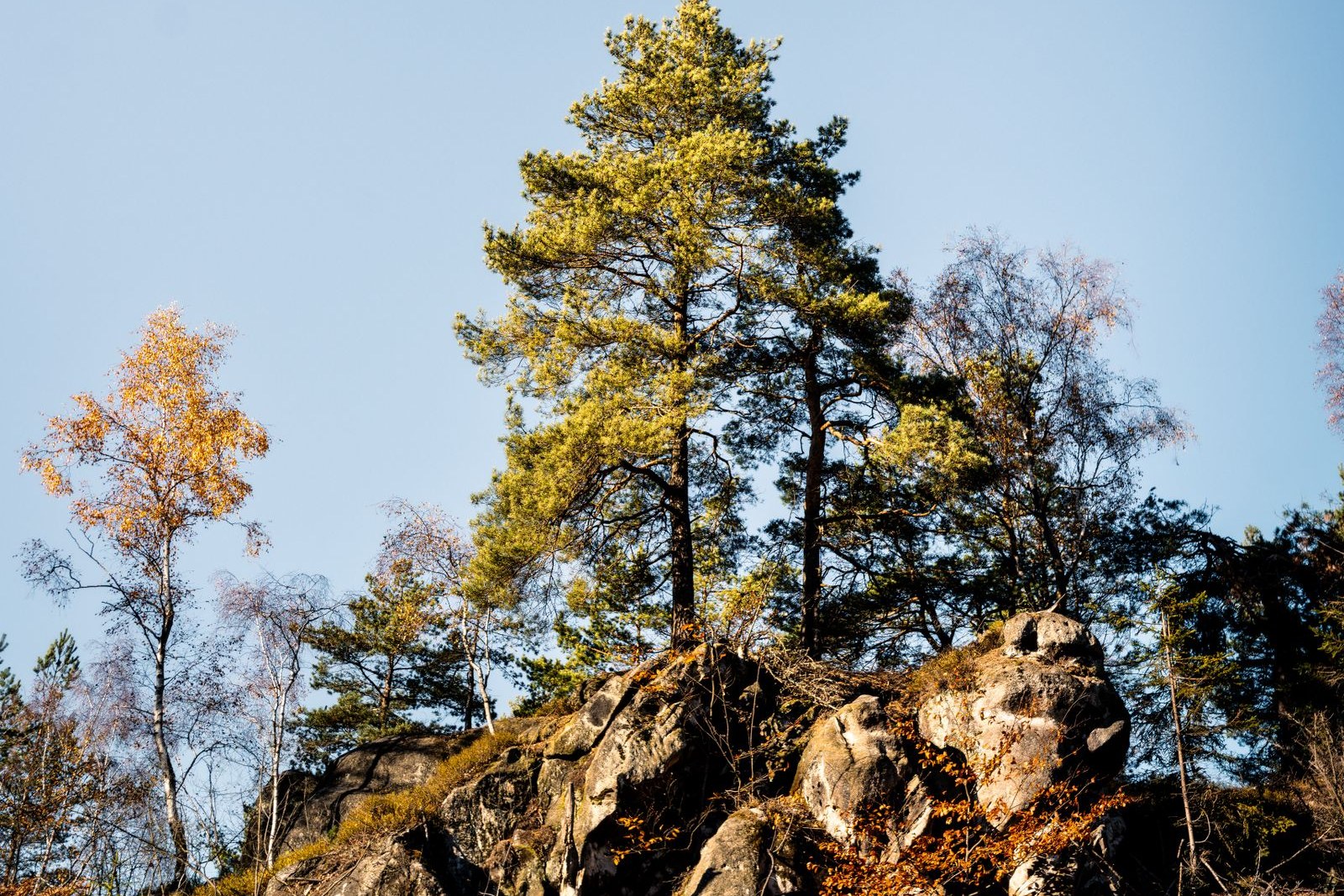
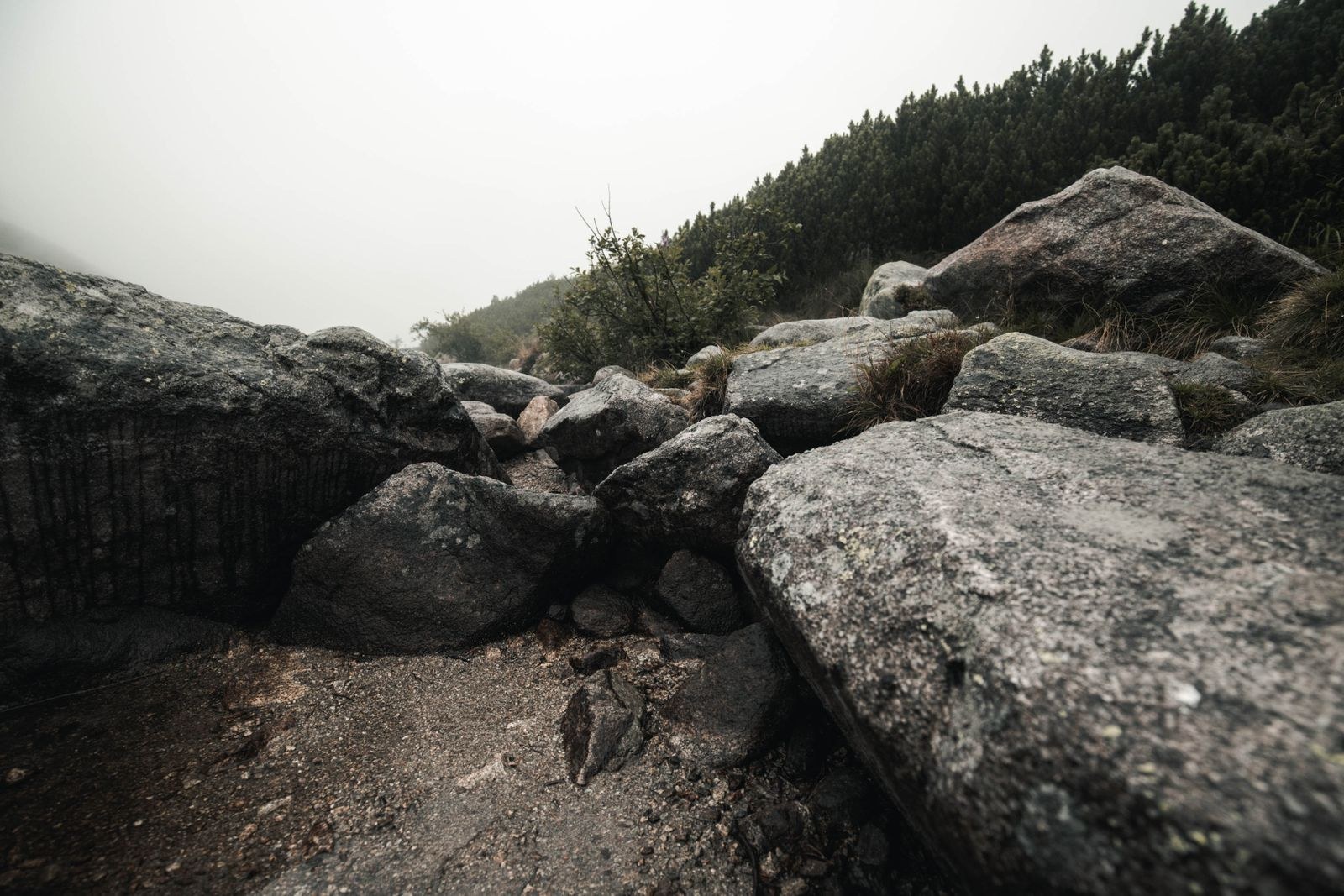
The rock is granite, weathered along its joints into rounded boulders and deep clefts, and the paths thread between them rather than around them. Some passages are cut as steps in the stone, some run under overhangs, and some are narrow enough that you turn sideways; the effect is closer to walking through a ruin than up a hill. Chinese landscape practice has been at work here for a long time, and the natural clefts have been widened, the boulders inscribed, and the viewpoints marked with pavilions so that the walking route reads as a sequence of framed views of the bay. The inscriptions on the rock faces are part of the experience and worth looking for; several date back more than a century, and climbing to read them is often better than the view they were carved to celebrate.
What You Actually See
The classic route starts at the ferry pier, climbs through the 礐石风景名胜区 Qùeshí Fēngjǐng Míngshèngqū, the scenic area proper, and works up to the ridge for the view over the whole bay, with the city on the north shore laid out across the water and the ships moving in the channel below. The temples built into the granite are small and active rather than grand, and the ones furthest up are the quietest. The 飘然亭 Piāorán Tíng, a pavilion on one of the higher outcrops, is the standard destination and the point from which the harbour photograph is taken.
The other thing to do is simply to go down to the water on the south side, where the rocks meet the sea and the fishing boats work, and to walk the shore road. The south shore is much less built up than the north and gives a view back across the bay to the city that is worth the crossing on its own. Allow half a day for the hill and the shore together, and rather less if you take the cable car, which runs up part of the ridge and removes the steepest section.
Practicalities
Tickets. The ferry across the bay costs a few yuan and is the cheapest attraction in the city. Admission to the scenic area is modest, generally ¥20 to ¥40 depending on which sections are included, with reductions for students, children and the elderly. The cable car and any boat trips are charged separately. Confirm the current prices at the pier or the gate, since they are set locally.
Opening hours. The scenic area is generally open from about 08:00 to 17:30, with last admission somewhat earlier. The ferry runs from early morning until evening, more frequently in the day than after dark, and the crossing is short enough that the schedule is rarely a constraint. Most of the hill is walked in daylight and the paths are unlit, so an evening visit is not practical.
Closing day. There is no weekly closing day and the area is open daily. Sections occasionally close for maintenance after heavy rain, when the steps between the boulders can be slippery and the paths are sometimes shut for safety. During 春节 Chūnjié and 国庆 Guóqìng week the ferry and the main paths are busy, and the ridge pavilion can be crowded at the top.
Getting there. The ferry departs from the pier on 海滨路 Hǎibīn Lù on the north shore, in 金平区 Jīnpíng Qū, a few minutes’ walk from the bayfront hotels, and crosses to 礐石 Qùeshí in about ten minutes. There is also a bridge for cars and buses, which is faster if you are coming from further out but less fun. 汕头站 Shàntóu Zhàn, the railway station, is about twenty minutes from the north pier by taxi, and 揭阳潮汕国际机场 Jiēyáng Cháoshàn Guójì Jīchǎng around forty-five minutes.
flowcloud would say that Queshi is the only place in the city where you can see the whole of it at once, since a port town always looks more coherent from across the water than from inside its streets.
Getting there: by the ferry rather than the bridge, early in the morning, when the crossing is quiet and the granite is still cool. Climb to the ridge first while the light is clear, read the inscriptions on the way down rather than on the way up, and finish on the south shore watching the boats before crossing back, because the view of the city from the water is the part people forget to leave time for.