
三江汇流 Sānjiāng Huìliú – the meeting of the three rivers – is the geography the whole district is named for, and it happens in plain sight at the district seat of 合川区 Héchuān Qū, Hechuan District: the green 嘉陵江 Jiālíng Jiāng Jialing comes down from the north, the grey 涪江 Fú Jiāng Fu arrives from the southeast, and between them the 渠江 Qú Jiāng Qu completes the three rivers the name counts, the currents braiding past the city point in a visible line of colour before the joined river turns south. It costs nothing to watch, takes an hour, and explains the city: three rivers made the harbour, the harbour made the town, and the town grew rich enough to build walls on the hill above them. This page is the meeting itself and the hour it deserves.
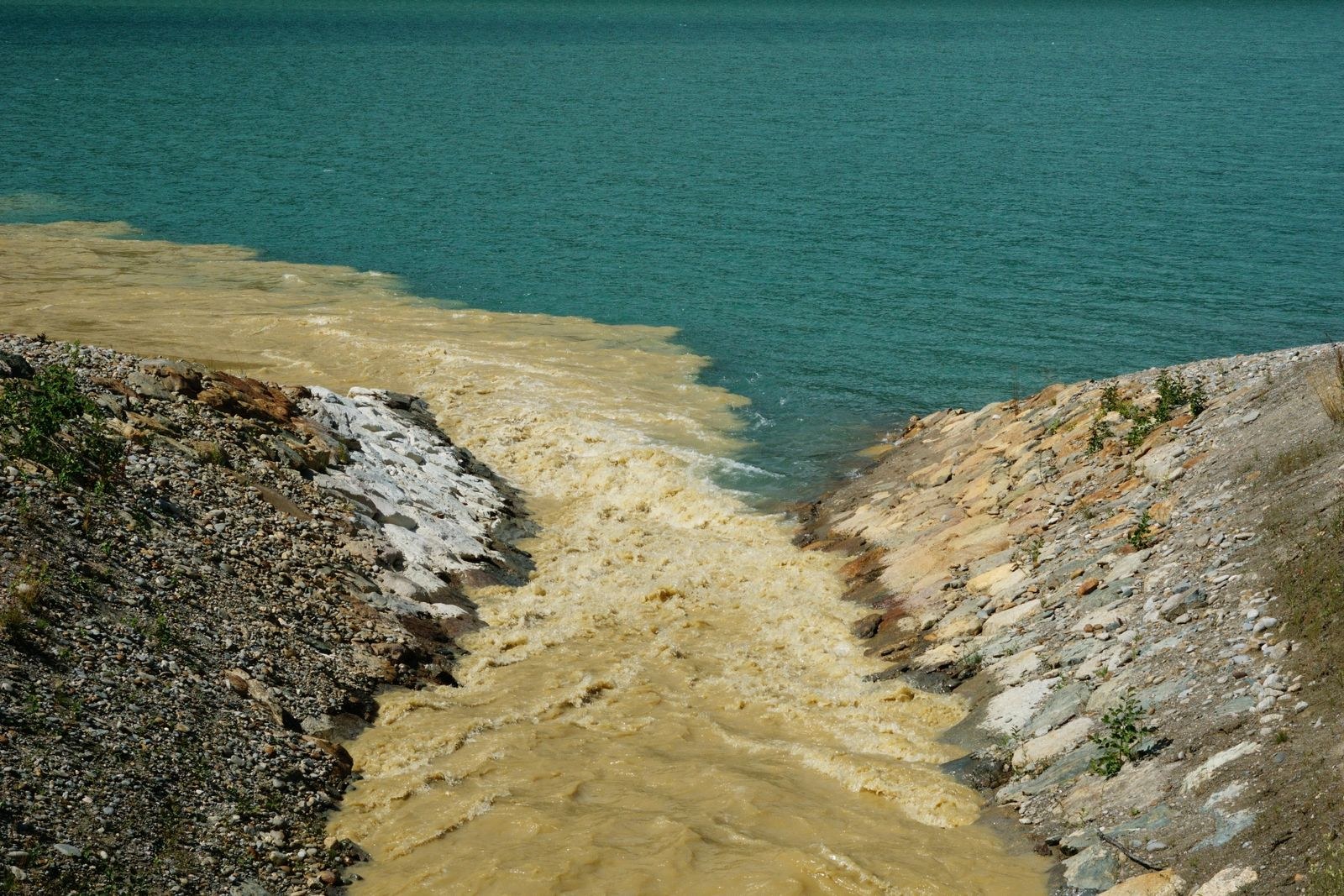
Each river keeps its own colour, and the line between them is the sight. The Jialing runs green out of the northern hills, the Fu arrives grey with the sediment of its own long basin, and where the currents join the colour line hangs mid-river – green over grey, sharp on a clear day, softening with the season’s water – working down the braid past the city point until the joined river gives up the argument and turns south. The meeting is the district’s front door: boats have worked it since the harbour was the reason for the town, and the ferry that still crosses it today works the same water the porters and the boatmen worked.
The embankment promenade traces the meeting on the city side, and it runs on the light. Morning is for the flat water and the fishing rods – the locals work the confluence at dawn, the currents run their clearest, and the colour line photographs before the sun stands high enough to flatten it. Evening is for the lamps: the promenade fills gently, the bridges string their lights across the water, and the braided currents go dark in company. The hour costs nothing, which is the point – the district’s headline geography is also its cheapest and its most local.
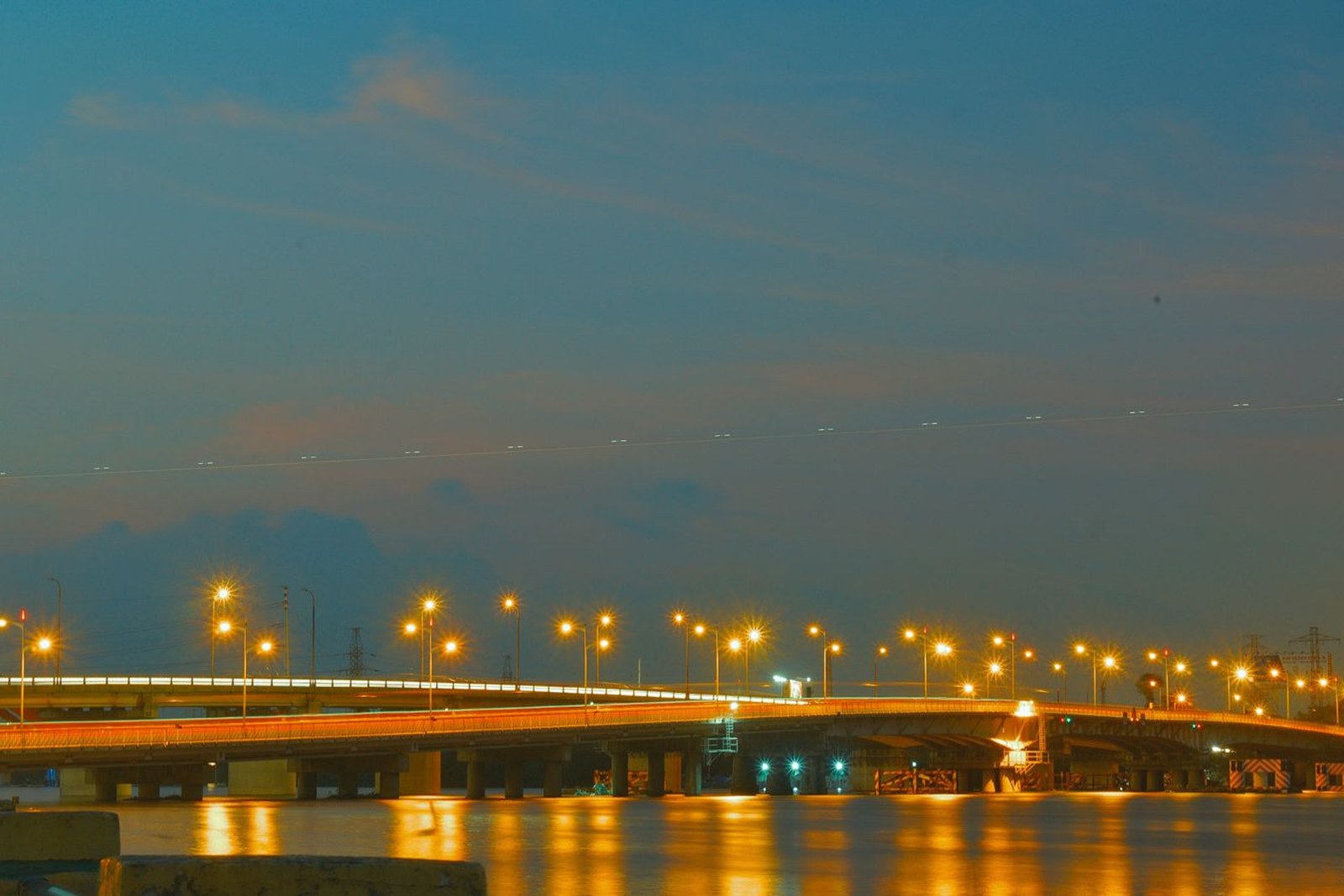
The meeting rewards angle changes, and the district supplies three. The bridge decks give the aerial read of the colour line; the pagoda street gives the foreground, with the nine-storey tower standing over the braid; and the ferry that still works the confluence gives the river’s own view for pocket change – no fare worth quoting is on the record, and the crossing repays more than it costs. Between the three angles a visitor takes the hour the geography deserves and leaves understanding the district’s name, which is what the page is for.
What the record supports is the meeting itself – the green Jialing from the north, the grey Fu from the southeast, the Qu completing the three – the colour line past the city point, the embankment promenade, the bridge decks, the pagoda-street foreground and the working ferry; what it does not support is any ferry timetable, any fare figure or any named viewing platform, and none is invented here. The confluence is free public geography, and the page treats it as such.
Words and Names
三江汇流 Sānjiāng Huìliú, the meeting of the three rivers, at the district seat of 合川区 Héchuān Qū, Hechuan District: the green 嘉陵江 Jiālíng Jiāng Jialing from the north and the grey 涪江 Fú Jiāng Fu from the southeast, with the 渠江 Qú Jiāng Qu completing the three, the currents braiding past the city point in a visible line of colour before the joined river turns south. The embankment promenade traces the meeting, the bridge decks give the aerial angle, the pagoda street gives the foreground and a working ferry crosses for pocket change. No ferry timetable or fare is on the record consulted, and none is invented here; the riverfront is free public ground.
What the Locals Know
The local knowledge is the hour and the water. The colour line photographs best when the light is low and the currents run their clearest – dawn with the fishing-rod crowd, dusk with the lamps – and after heavy rain upstream the line blurs into one brown argument, which the locals read the way other districts read the weather. The ferry runs when it runs, and no schedule worth quoting is on the record; the promenade is the reliable part, and it never closes. What the record does not carry is any timetable or fare, and the page declines to invent either – the riverfront is the plan that always works.
Practicalities
Tickets: None – the confluence is free public geography, watched from the embankment, the bridge decks and the ferry deck, and no viewing ticket is on the record consulted. The ferry crossing takes pocket change, and no fare figure survives in the record consulted; the page quotes none rather than inventing one.
Opening hours: All day and every day as the working norm – the embankment is the city’s own footpath, the bridges carry it round the clock, and the meeting of the rivers keeps no hours at all. No posted hours table is on the record consulted; the honest clock is the light’s, with the low-sun hours at either end of the day the ones the page recommends.
Closing day: None – a river does not close, and the district seat’s riverfront is open year round. The only variable is the water itself: flood season muddies the braid and lifts the current, the colour line blurs, and a visitor who wants the clean green-over-grey read comes back on a clearer week.
Getting there: The meeting sits at the district seat of 合川区 Héchuān Qū, Hechuan District, on the riverside below the town – the seat is reached from Chongqing by road and by the high-speed rail that runs to the metropolitan core every half hour, and the embankment, the bridges and the pagoda street all stand within the seat’s riverside walk; no fare or timetable is on the record consulted, so none is invented here.
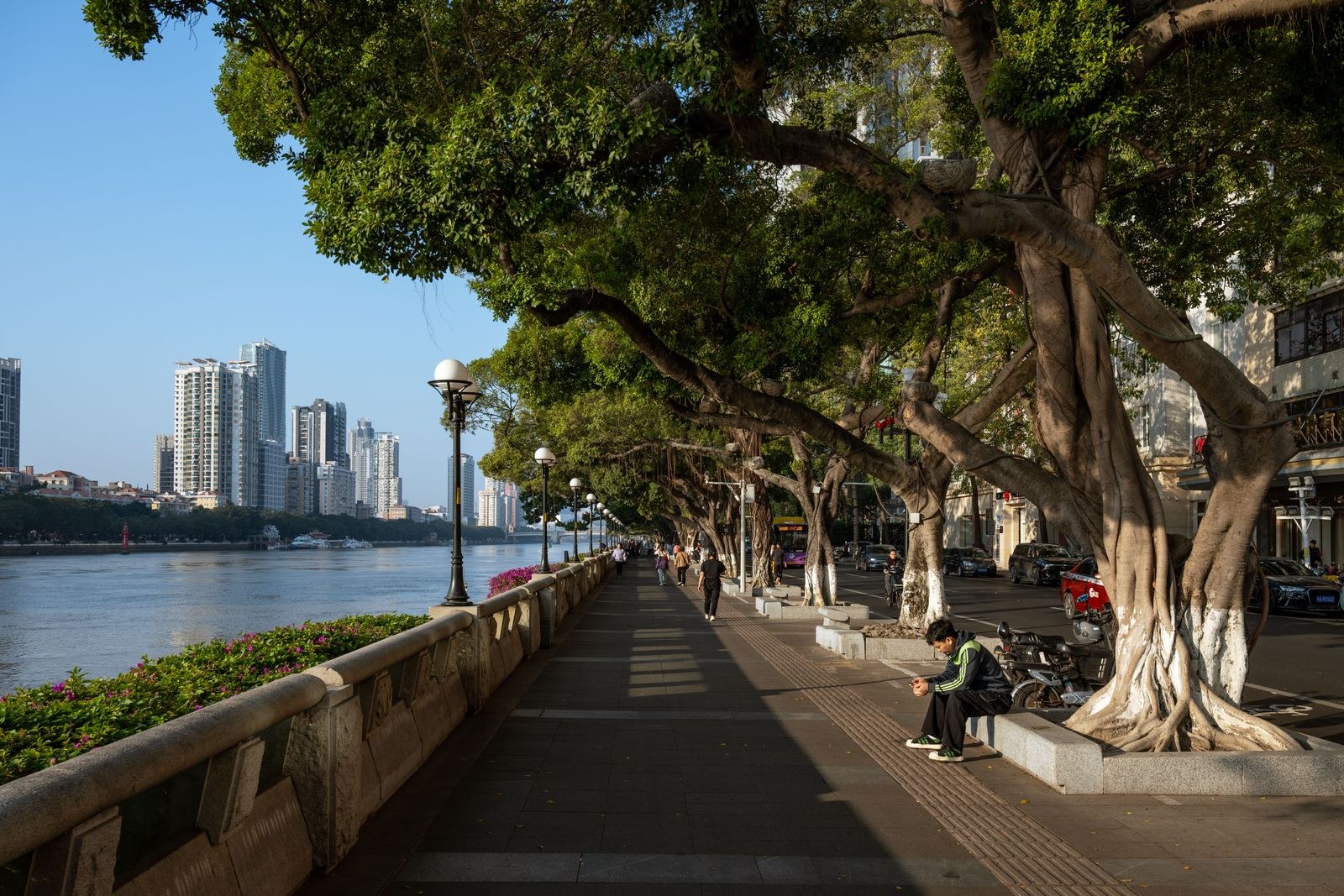
flowcloud would say that 三江汇流 is the sight that explains the district for free – the green Jialing from the north and the grey Fu from the southeast braiding past the city point, read from the embankment at first light, the bridge decks at midday and the pagoda street at dusk – and that the correct visit is simply the hour with low sun on the water, because the geography is always on and the price is always nothing. All checked October 2026.