
Sanlitun: The Open-Air Shopping Village, Embassy-Quarter Bar Street and Street-Fashion Heart of Chaoyang District, Beijing
三里屯霓虹连使馆,一街潮服动京城。Sānlǐtún níhóng lián shǐguǎn, yī jiē cháofú dòng jīngchéng – The neon of the village links the embassies; one street of street-fashion moves the capital.
三里屯 Sānlǐtún Sanlitun is not a shopping mall with a car park — it is, plainly put, the open-air consumer heart of expatriate and fashion-conscious Beijing, a knot of lanes and plazas in the embassy belt of 朝阳区 Cháoyáng Qū Chaoyang District, Beijing, north-east of the old city and a world away from the hutong. The name means “Three-Li Village,” after the old measure of distance from the city wall, and until the 1950s it was exactly that: a farming village beyond the 东直门 Dōngzhímén Dongzhimen gate. After 1949 the new government planted its foreign legations in the fields to the east, and Sanlitun — close to the embassies, the 外交人员服务局 Wàijiāo Rényuán Fúwù Jú Foreign Affairs Service Bureau and the first diplomatic apartments — became the capital’s foreign quarter by default. The real transformation came with 太古里 Tàikǔ Lǐ Taikoo Li, the laneway-style retail village the Swire group opened in 2008, which turned the old compounds into a low-rise maze of boutiques, and with the bar street — 酒吧街 jiǔbā jiē — that had already been running since the 1990s, when the first pubs catered to the embassy crowd and the resident foreigners who had nowhere else to drink.
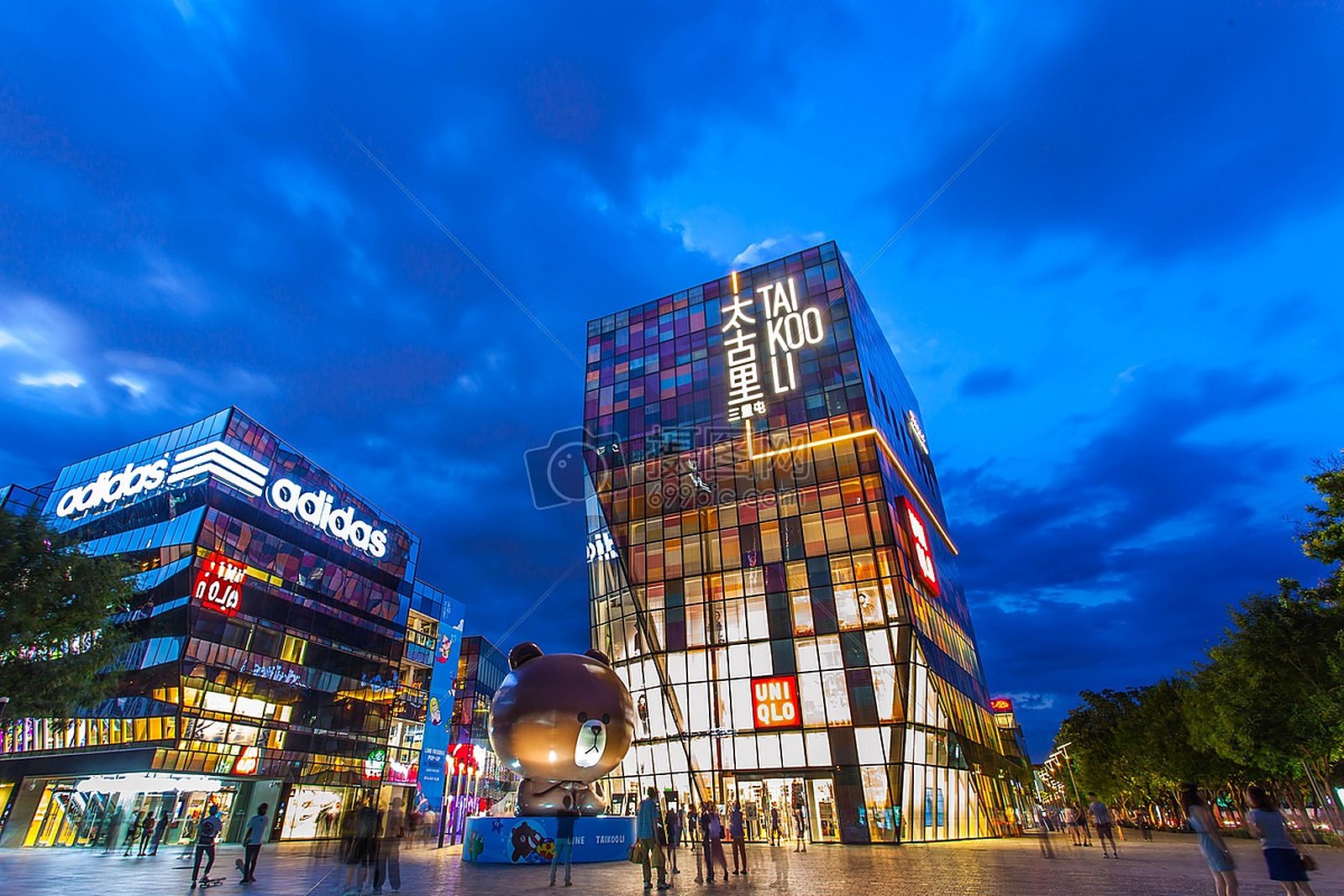
Call it honestly: a quarter that is free to stroll and easy to over-spend without noticing. There is no gate and no ticket (worth confirming the details only for any club, exhibition or rooftop that charges), but the whole point is commerce, and the commerce is priced for an international wallet. 太古里 Tàikǔ Lǐ Taikoo Li is split into the open 南区 Nán Qū South Zone and the quieter 北区 Běi Qū North Zone, and the prices in both follow global flagship logic, not Beijing street logic, so check your exchange rate before you browse (worth confirming the details). The bar street’s cover charges, the 工体 Gōngtǐ Workers’ Stadium spillover and the basement clubs shift by season and by who is on the door (worth confirming the details), and the hustle around the southern lanes — touts, promoters, the odd over-eager “massage” pitch — is the one nuisance worth brushing past without a word. The honest arrival is on foot from the embassy roads to the north or down 三里屯路 Sānlǐtún Lù Sanlitun Road, and the move is to treat the village as a place to people-watch first and a place to purchase second.
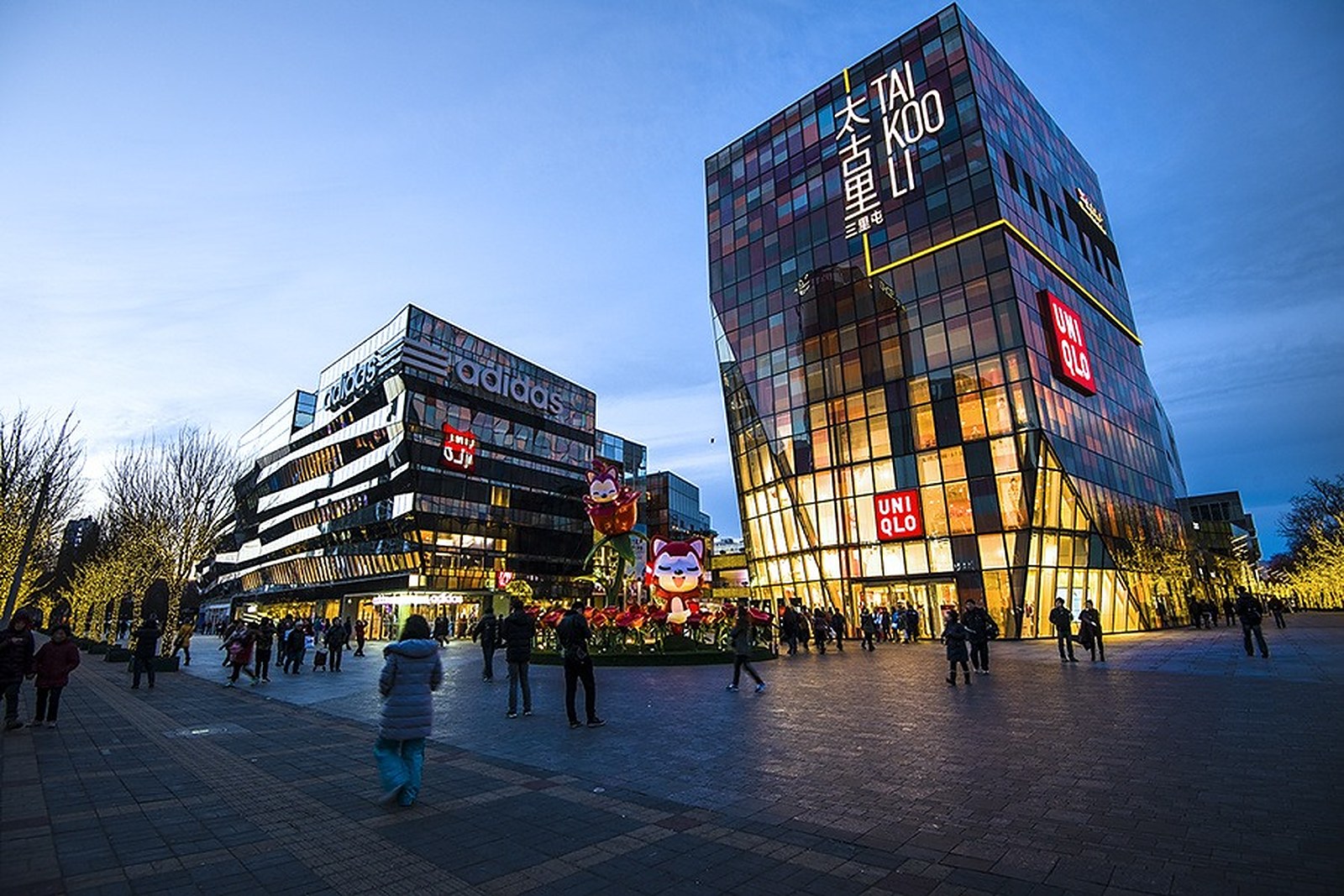
The honest star is the village at golden hour, not the bar street at midnight. A slow loop of 太古里 Tàikǔ Lǐ Taikoo Li — past the 苹果 Píngguǒ Apple cube, the bookshop, the courtyards reworked from old 四合院 sìhéyuàn courtyard houses, and the public art that changes with the seasons — repays the walk more than any single shop, because the architecture itself is the exhibit: low, lantern-lit, built for wandering rather than queuing. What gets oversold is 酒吧街 jiǔbā jiē the Bar Street after ten, a wall of bass, promoters and over-priced beer that the postcards sell as “Beijing nightlife” but that any resident will tell you is the tourist half. What repays the effort is the same plaza at seven in the summer, when the office crowd drifts out for an open-air drink and the fashion students pose against the glass, or the North Zone on a weekday when the boutiques are quiet and the 使馆区 Shǐguǎn Qū Embassy Quarter’s green fences glow behind the trees. Come for the choreography of the place — embassy, then boutique, then beer — the whole composition unchanged since the legations first arrived in the fields.
The self-aware postscript: I came for the Bar Street and nearly missed the point — paid a cover I didn’t want, endured the bass for twenty minutes and fled, then returned at six on a June evening, walked the South Zone as the lanterns came up and watched a teenager photograph her friend against a 装置 zhuāngzhì installation while two embassy dogs trotted past on a lead. That is the visit in miniature. 三里屯 Sānlǐtún suits whoever treats it as a village first and a nightclub second — arrive before dark, walk the lanes early, drift the plaza late — and exhausts whoever sprints the Bar Street for one photo. Everything else on this Chaoyang list lies within a short ride: the galleries of 798艺术区 798 Yìshù Qū to the north-east, the lake of 朝阳公园 Cháoyáng Gōngyuán to the east, the towers of 国贸 Guómào to the south, all in the same 朝阳区 Cháoyáng Qū Chaoyang District the diplomats made their own.
Practicalities
- Rating: ★★★★☆ — a free-to-wander embassy-quarter village whose open-air Taikoo Li and people-watching outrank the over-priced Bar Street; go before dark and the lanes stay civilised.
- Tickets: None to enter the village or lanes (worth confirming the details only for clubs, exhibitions or rooftop bars, whose covers shift by season and by act); the shopping is the main thing worth budgeting for.
- Address: 三里屯 Sānlǐtún Sanlitun, 朝阳区 Cháoyáng Qū Chaoyang District, Beijing — the embassy belt north-east of the old city, between 工体 Gōngtǐ the Workers’ Stadium and the 使馆区 Shǐguǎn Qū Embassy Quarter.
- Time needed: Two to three hours for a full wander of both Taikoo Li zones and a plaza drink; add an evening if the Bar Street pulls you in.
Words and Names
三里屯 Sānlǐtún Sanlitun · the open-air embassy-quarter village of north-east Chaoyang 太古里 Tàikǔ Lǐ Taikoo Li · the laneway-style retail village opened by Swire in 2008 酒吧街 jiǔbā jiē Bar Street · the late-night strip of pubs and clubs south of the village 使馆区 Shǐguǎn Qū Embassy Quarter · the diplomatic enclave that gives Sanlitun its foreign air 工体 Gōngtǐ Workers’ Stadium · the stadium whose name tags the nightlife spillover 四合院 sìhéyuán courtyard house · the old Beijing form reworked inside Taikoo Li 三里屯路 Sānlǐtún Lù Sanlitun Road · the main approach running through the village
flowcloud would say that 三里屯 Sānlǐtún is Chaoyang’s open-air consumer heart — a former Three-Li Village turned embassy-quarter, rebuilt by 太古里 Tàikǔ Lǐ Taikoo Li into laneway boutiques beside the 使馆区 Shǐguǎn Qū, with the 酒吧街 jiǔbā jiē Bar Street running since the 1990s — and that the honest move is a golden-hour walk from the South Zone round to the quiet North Zone, because the covers and the 工体 Gōngtǐ spillover shift by season (worth confirming the details), the Bar Street after ten is the over-priced tourist half best skipped, and the village repays whoever people-watches first and shops second while losing whoever sprints the bass for one photo. All checked October 2026.
Getting there: Metro Line 10 to 团结湖 Tuánjiéhú Tuanjiehu then walk west, or Line 2 to 东四十条 Dōngsìtiáoshí Dongsi Tiaoshi then north; the district sits in east-central Chaoyang beside 工体 Gōngtǐ the Workers’ Stadium and 亮马河 Liàngmǎ Hé (worth confirming the details for the current night-market and lane closures). All checked October 2026.