
Out in the 西沙群岛 Xīshā Qúndǎo, the Xisha Islands, the flagship of conservation is not a tree. It is a turtle, and the forest it lives in is coral. State media describe the Xisha as China’s largest natural nesting ground for the green sea turtle, and the city has built an unusual machine around that fact: a model it describes as protection agencies, fishermen and scientists working together, with the fishermen not as bystanders but as the patrol. This is not a scenic area and it is not on any itinerary. It is the working side of the water that the cruise crosses, and it deserves to be understood on its own terms rather than as a stop.
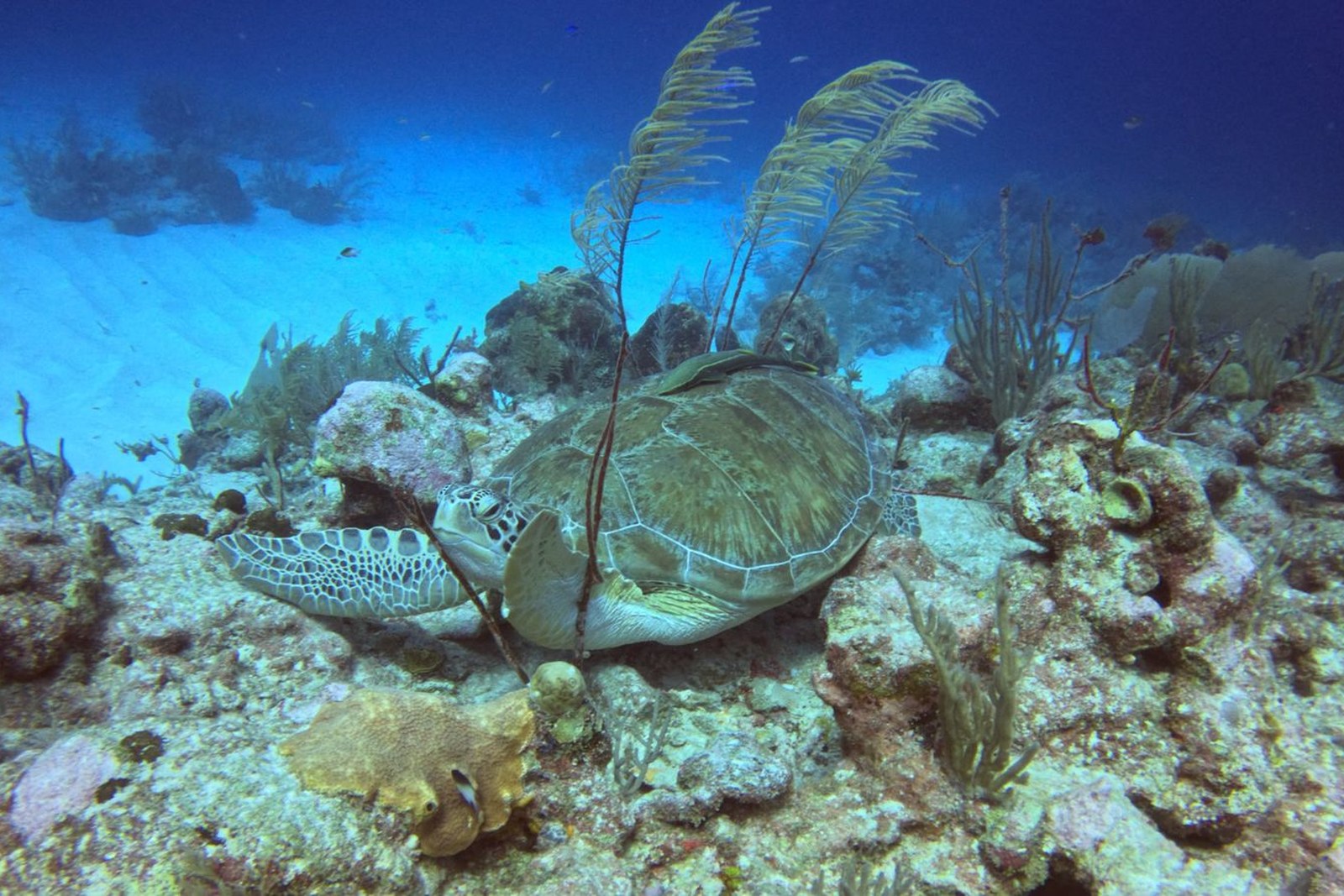
北岛 Běidǎo, North Island, is the heart of it. On its silver beach the turtles come ashore above the tide line, near the vegetation, and dig nesting chambers about half a metre deep. The peak season runs from June to September, and through it the fishermen’s patrol teams keep a twenty-four-hour watch over the nests – many of them the same men who once took turtles for a living, which is the turn the city’s own accounts like to underline. The mechanism behind that turn combines ecological compensation with a change of work: island fishermen have been organised into professional patrol teams covering more than ten islets, and fishermen make up eighty per cent of the routine patrol. The numbers are recorded carefully and should be quoted just as carefully. In 2024, 227 nests were marked and protected and 77 injured or sick turtles were rescued. Since the city’s turtle action plan began, more than 1,500 nests have been recorded on the main islets. Across the Five-Year Plan period from 2021 to 2025, 1,395 nests were signposted for protection and 1,561 turtles were rescued and released. Earlier figures, such as the rise in nesting on North Island from about 52 clutches in 2014 to nearly 200 in 2019, are a single-site record from an older survey and are not comparable with the later totals.
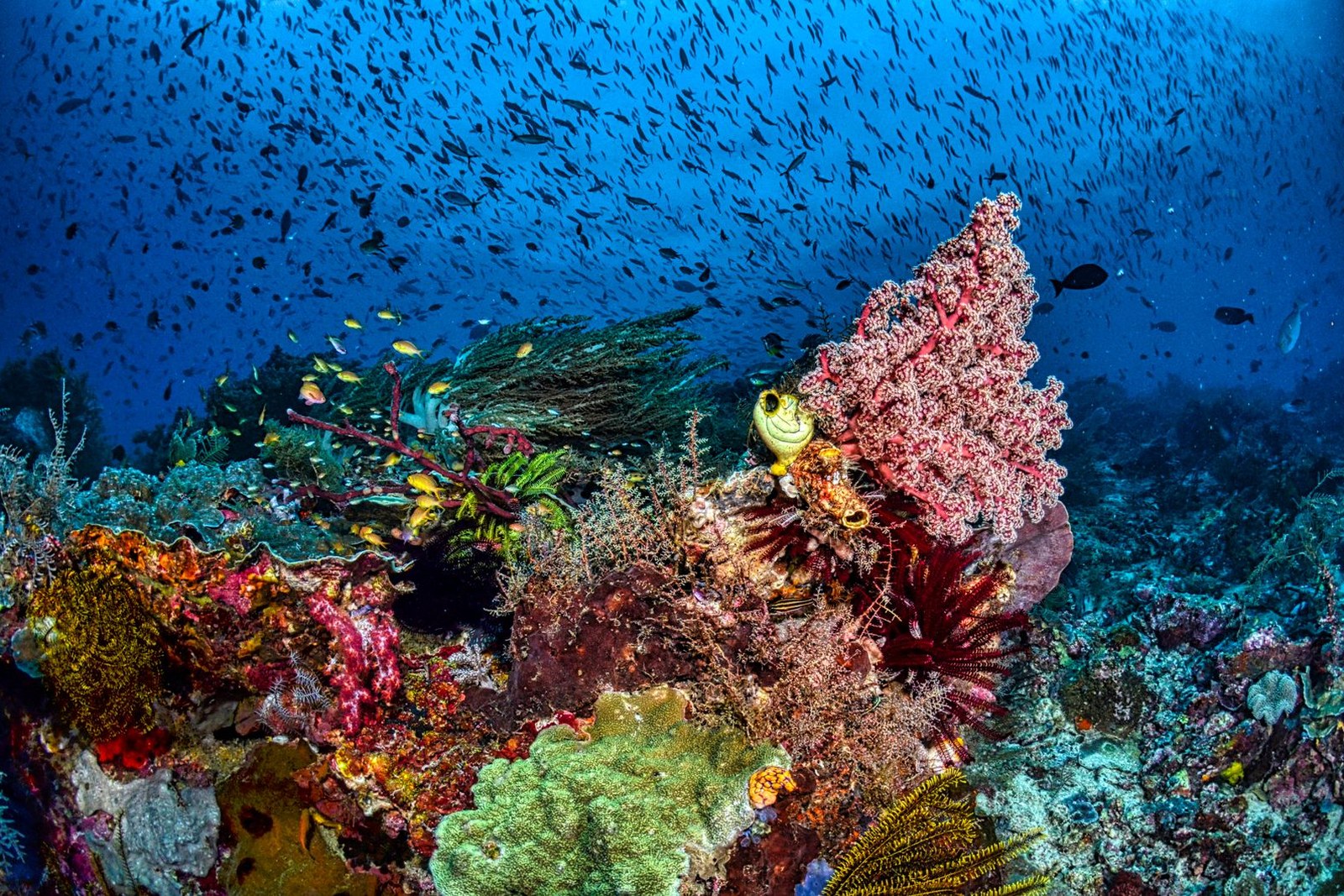
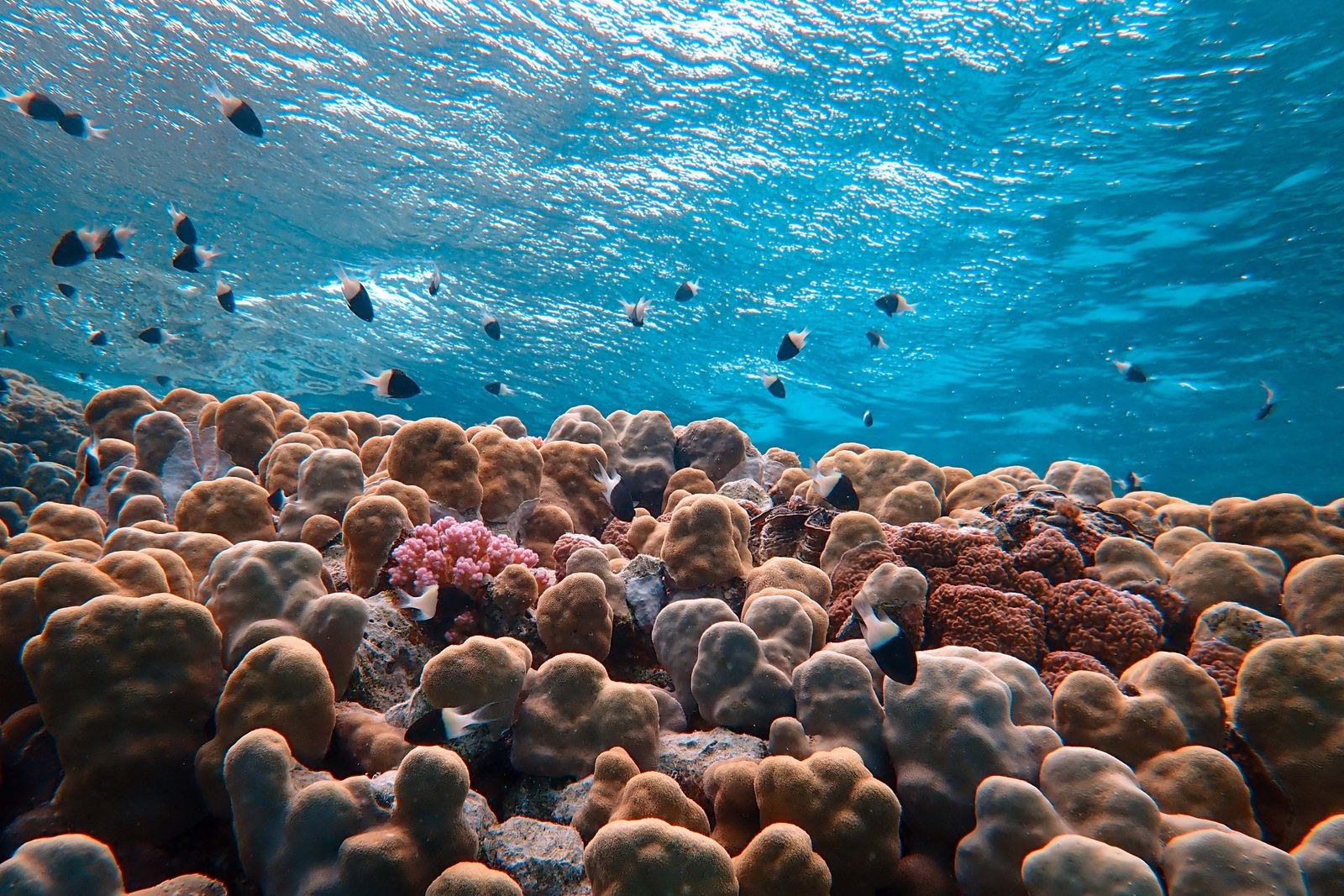
The coral side is just as engineered. In the waters off Yongxing Island the artificial coral nursery had, as of May 2025, raised 143,000 coral seedlings, the largest such facility in the Xisha. Its researchers devised a frame their accounts call a coral tree, on which broken coral fragments are mounted and tended; on it, a fragment can put on as much as fifteen centimetres of growth in a year, and more than 100,000 seedlings a year can be returned to the natural reef. There is pest control too: against the crown-of-thorns starfish, the city runs a system of dynamic monitoring by research institutes paired with tracking, cleanup and collection by fishermen. It is worth being precise about what this is. These are managed interventions in a reef system under pressure, carried out over years and measured by survival rates, not a garden being returned to a pristine past.
Then there is the 永乐龙洞 Yǒnglè Lóngdòng, the Yongle Blue Hole, which is both a landform and a conservation site. It lies in the reef flat between Jinqing Island and Shiyu in the Yongle Atoll, and it was formally named by the Sansha municipal government on 24 July 2016 after experts surveyed it on site. It is 300.89 metres deep, with a mouth 130 metres across and a floor about 36 metres wide. It is a vertical shaft with no observed connection to the open sea and little movement in its water, and its upper layer holds more than twenty species of fish similar to those of the surrounding sea. Chinese state media describe it as the deepest known marine blue hole in the world, and that is the correct way to report it – as a description by state media rather than a figure certified by a named authority. In October 2016 the Yongle Islands management committee ruled that no unit or individual may carry out fishing or tourism within one nautical mile of the hole. In December 2024 a protection station there switched on an integrated optical and electronic monitoring system, the first year-round watch over the deep karst; it runs a three-level network across surface, water column and seabed, has intercepted 23 illegal operations and supports fifteen research projects, including work on the sulphur cycle. Monitoring since has recorded coral cover around the hole up by twelve per cent. Fishermen tell a legend that this is where the sea-calming needle of myth was pulled from the water; that is folklore, and it is left here as such.
None of this is a promise that you will see a turtle, or much coral, or the blue hole. North Island, the Xisha islet of Xishazhou, Ganquan Island and the blue hole are all outside the tourist route, and the one-nautical-mile exclusion around the hole applies to tourism as much as to fishing; a new temporary control zone has been drawn around the North Island turtle ground, and the nesting beaches are managed rather than visited. The cruise crosses these waters, so what a passenger gets is the sea itself and, if the season and the day agree, a distant view – not a landing and not a dive, unless it is at a designated spot on an islet that is open. Nesting habitat has in fact spread in recent years, from the traditional grounds at North Island and Ganquan to Yongxing, Zhaoshu, Yongshu Reef and Chigua Reef, which is a measure of recovery rather than an invitation. For scale in the background, the city’s islets have been planted with more than three million seedlings at a survival rate above ninety-five per cent, and a few are more than ninety per cent green. This site’s rainforest parks protect trees; out here the flagship is a turtle and the forest is coral.
Practicalities
Tickets. There is no ticket, because none of these places is a visitor site. North Island, Xishazhou, Ganquan Island and the Yongle Blue Hole are outside the tourist route and are not open to ordinary visitors, and entry to them is governed by protection status rather than by any gate. As of October 2026, subject to change.
Opening hours. Not applicable. There is no opening time for a nesting beach, a coral nursery or a marine blue hole protected as a conservation site; access is limited to the patrol, research and management work described here, plus the distant view from a passing vessel.
Closing day. There is no closing day in the usual sense, but the closest thing to one is the exclusion around the Yongle Blue Hole, where fishing and tourism have been prohibited within one nautical mile since October 2016. For the rest, access is continuous but closed, rather than open then shut.
Getting there. There is no visitor way to these sites. The Xisha cruise crosses the surrounding waters and passengers may see them at a distance without landing or entering the water, and diving is possible only at designated spots on islets that are open to visitors, never at the protected sites named here.
flowcloud would say that the Xisha keeps two ledgers at once – one of the turtles that come back to a beach they nearly lost, one of the coral fragments tied to a frame and counted by hand – and that the most hopeful number out here is a nest the patrol signposted and nobody disturbed.
Getting there: The conservation sites of the Xisha – the North Island turtle nesting ground, the coral nursery off Yongxing Island and the 300.89 m Yongle Blue Hole – are in the Xisha Islands, Hainan, and are not open to ordinary visitors; they are outside the tourist route, there is no ticket, no public opening hours and no closing day because access is governed by protection status rather than by a gate, the nautical mile around the blue hole has been closed to fishing and tourism since October 2016, a temporary control zone covers the North Island nesting ground, and the only visitor contact is a distant view from the Xisha cruise from Sanya Phoenix Island International Cruise Port (checked October 2026, subject to change).