
三沙市 Sānshā Shì, Sansha, is a prefecture-level city of Hainan Province whose jurisdiction is unlike any other in China: it administers the island groups and waters of the 西沙群岛 Xīshā Qúndǎo, the Xisha Islands, the 中沙群岛 Zhōngshā Qúndǎo, the Zhongsha Islands, and the 南沙群岛 Nánshā Qúndǎo, the Nansha Islands. The city government describes Sansha as China’s southernmost prefecture-level city, the largest by sea area, the smallest by land area and the least populated, and those four facts together explain the one that matters to a traveller: there is no road in. No bridge reaches it, no highway crosses into it, and no private boat may land on it. For an ordinary visitor the only lawful way to arrive is the 西沙游轮 Xīshā Yóulún, the Xisha cruise, which sails from 三亚凤凰岛国际邮轮港 Sānyà Fènghuáng Dǎo Guójì Yóulúngǎng, Sanya Phoenix Island International Cruise Port, on Hainan’s southern coast. The crossing, not the destination, is what this piece is about.
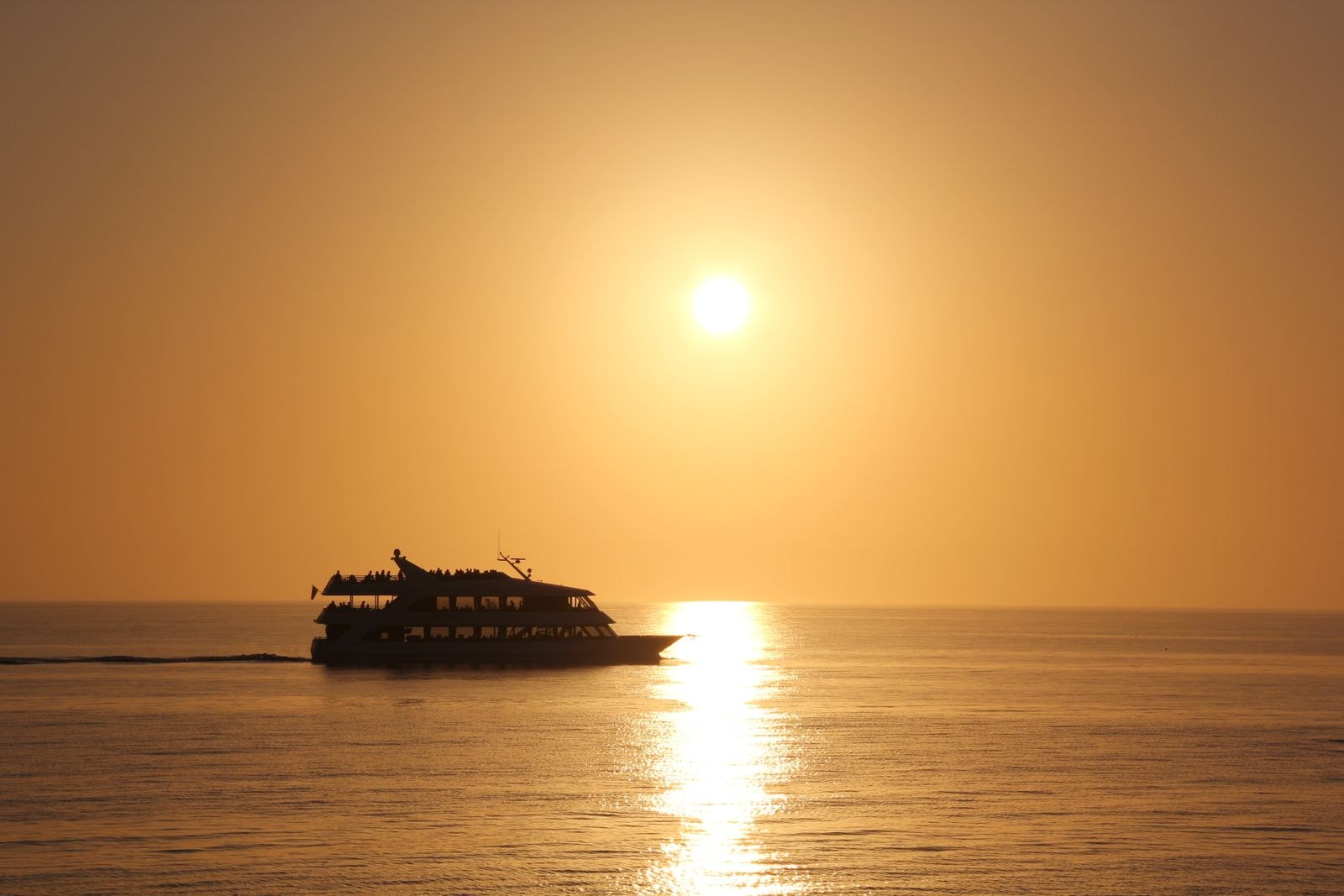
The crossing sets the tone for everything. The ship spends about twelve to fourteen hours at sea, covering roughly 168 nautical miles before it reaches Xisha waters, and it does not tie up at an island quay on arrival. Passengers transfer to tender boats in batches and go ashore for a few hours in daylight, then return to the vessel for the night, because no island in Sansha takes visitors as guests. That rhythm – a night at sea, landings by day, dinner afloat – is the shape of every trip out here, and knowing it before you read a price is the difference between a voyage and a queue. Two operators run the route, Hainan Strait Shipping’s Sanya branch (海南海峡航运股份有限公司三亚分公司) and Sansha Nanhai Dream Cruise (三沙南海梦之旅邮轮有限公司), and passengers apply through them rather than simply buying a seat. Before departure come a tourism contract, an application form and a notice to sign, together with proof of identity, and travel follows only after the review is complete. This is not a destination you reach by deciding to go.
The route is young, and it has already been redrawn more than once. The first sailings ran in 2013, and on 2 September 2014 the departure port moved to Sanya Phoenix Island, which cut nearly six hours from the crossing. Today two ships alternate on the run. On 3 January 2026 the itinerary was restructured for the first time in the twelve years the line has existed, shifting the main landing to 赵述岛 Zhàoshù Dǎo, Zhaoshu Island, in the 七连屿 Qīliányǔ, the Qilianyu, the scatter of seven islets in the Xuande Islands. The present product is shorter than the classic crossing – three days and two nights – and the two vessels carry 466 and 525 passengers respectively. The autumn 2026 programme kept to the same Zhaoshu route, with departures advertised from Sanya in early October, so if you look at a timetable, look for the islet and not just the archipelago.
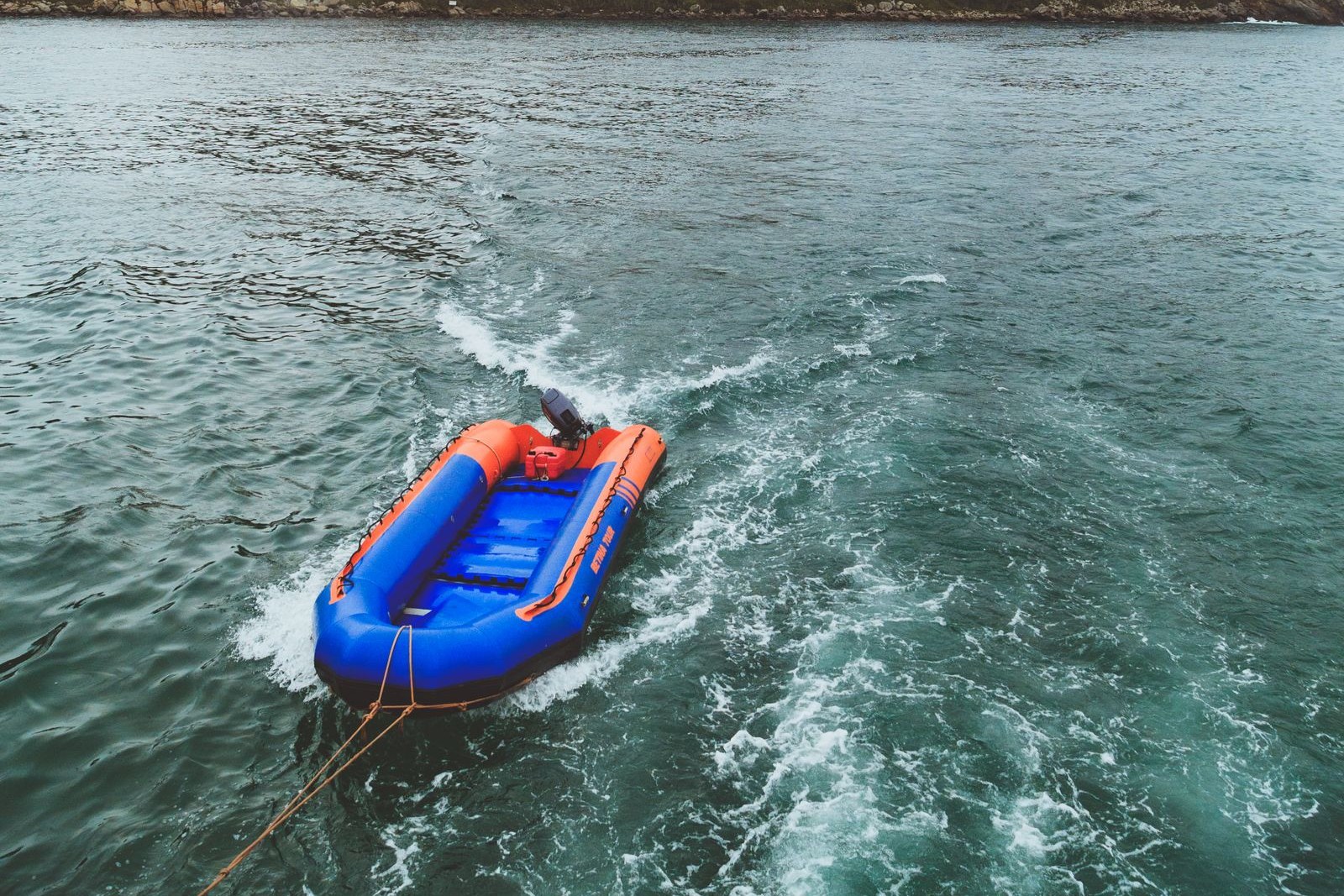
Which islets you actually step onto is decided by the year, the sea and the island managers. Through the 2010s the landings were the three islets of the Yongle group; from January 2026 the route centres on Zhaoshu. Treat any island name on an itinerary as provisional and confirm it when you book, because access can be trimmed at short notice for weather or management reasons, and a sailing that reaches Xisha waters has not thereby promised you a beach. The crossing is weather-dependent end to end: the calm, clear window runs from October into April, when the water is at its most transparent, while the typhoon months from May to September can cancel a sailing at little notice. If a departure is called off for reasons beyond anyone’s control, the operator publishes a notice and refunds the fare in full.
The fare is the only ticket. Landing permission, the tender transfer, the island environmental fee and marine insurance all sit inside the cruise price, and there is no separate admission charge for any islet – worth holding on to, because it is the opposite of how island hopping normally works. Platform snapshots in 2026 put the range at roughly 4,200 to 29,800 yuan per person, varying with cabin class and season, but those are booking-site figures rather than an official tariff, so read them as a floating estimate. Rules on age are just as unsettled: platform listings disagree, quoting anything from six to sixty-eight up to ten to seventy, while the official written requirement mentions only identity documents and a review. Confirm the rule with the operator before paying. On board and ashore, keep to the guidance you are given, take nothing from the reef – no shells, no coral, no sand – leave the drone behind, and respect the island rules and the people working there. The manual of sea routes that the South China Sea Museum at Tanmen explains is best read on board, with the reefs themselves outside the porthole.
Practicalities
Tickets. The cruise fare is the only ticket, and the range in 2026 platform snapshots is roughly 4,200 to 29,800 yuan per person depending on cabin and season. Landing permits, tender transfers, island environmental fees and marine insurance are all included; there is no separate island admission. Optional extras such as snorkelling or sea fishing are paid on board. As of October 2026, subject to change, and platform snapshots float.
Opening hours. There is no opening time for an island; there are sailings. Since January 2026 the two ships alternate, with one departure every two days, and the shorter Zhaoshu itinerary runs three days and two nights. Boarding is on the afternoon of the first day, and the ship usually reaches Sanya in the morning on the last.
Closing day. No closing day in the ticketing sense, but the sea closes the route more often than any calendar does: the typhoon season from May to September can cancel a sailing at short notice, and the operator then publishes a notice and refunds in full. The best window runs from October into April.
Getting there. Boarding is at Sanya Phoenix Island International Cruise Port. Fly into Sanya Phoenix Airport and take a taxi, about twenty minutes; by rail, reach Sanya Station and transfer; by car, the port car park costs around twenty yuan a day and vehicles cannot sail. Plan to be in Sanya the day before boarding, because the crossing leaves in the afternoon and the review is completed before departure. Apply through the operators – Hainan Strait Shipping’s Sanya branch or Sansha Nanhai Dream Cruise – and expect to sign the contract, form and notice along with your identity documents.
flowcloud would say that Sansha is the one Chinese city whose front door is a gangway – twelve hours of open water, a tender boat in the morning, a berth at night – and that a place you can only reach by ship keeps its own hours, whatever the calendar says.
Getting there: Sansha is a prefecture-level city of Hainan Province that administers the island groups and waters of the Xisha, Zhongsha and Nansha Islands, and the only regular route for ordinary travellers is the Xisha cruise from Sanya Phoenix Island International Cruise Port, about twelve to fourteen hours and roughly 168 nautical miles with landings by tender by day and nights aboard; the fare is the only ticket, roughly 4,200 to 29,800 yuan per person in 2026 platform snapshots with permits, tenders, reef fees and insurance included and no separate island admission, centred on Zhaoshu Island in the Qilianyu since 3 January 2026 but with landing points that change by year and sea state, and with no closing day though typhoon-season sailings may be cancelled and refunded (checked October 2026, subject to change).