
Shamian Island
Ten minutes from one of the busiest shopping streets in Guangzhou there is a small island where the loudest sound is a plane tree dropping leaves on a bench, and the buildings along the avenue have shutters and balconies and look as if a piece of the nineteenth century had been lifted out of Europe and set down in the Pearl River.
沙面岛 (Shāmiàn Dǎo), “Sandy Face Island,” is a 0.3-square-kilometre sandbank in the Pearl River that was, from 1861, the British and French concession in Guangzhou. For the best part of a century it was foreign ground in a Chinese city: consulates, trading houses, churches, banks, clubs. The concessions are long gone, but the architecture stayed, and today the island is a quiet, leafy, faintly odd pocket of Guangzhou where people come to walk, to photograph wedding parties, and to drink coffee under the trees.
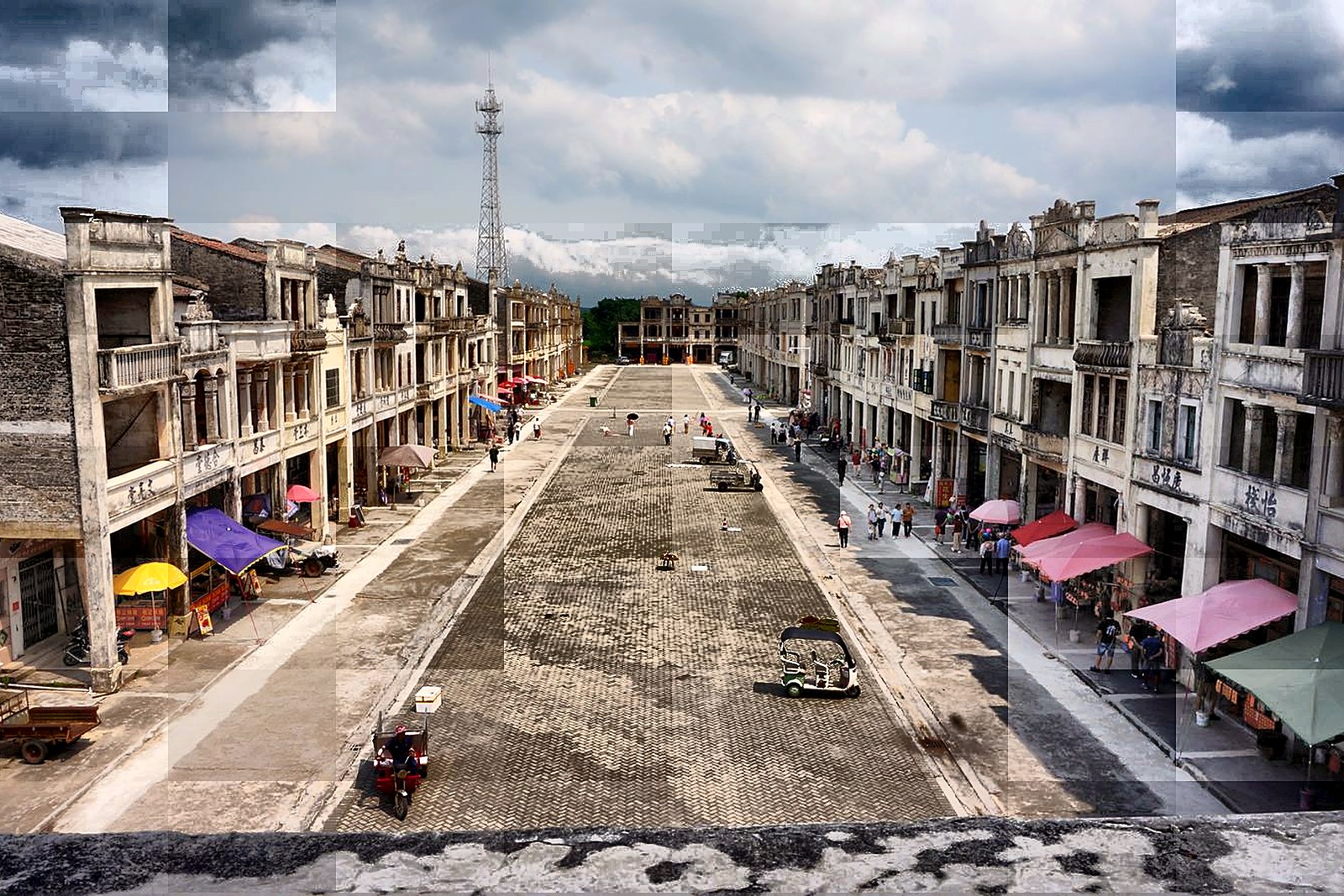
The Island
Shamian is laid out on a grid and is small enough to walk end to end in twenty minutes, which is the correct way to do it. The centre is a long garden mall, planted with banyans and flame trees, and along the two riverbanks run the buildings that made the island’s name: over 150 historic structures in a mix of Victorian, neoclassical and later styles, now carrying plaques that tell you what they once were.
You will pass the old British and French bridges, the Christ Church (沙面堂), the former HSBC and Chartered Bank buildings, and the consulates that still occupy some of the grandest houses. The whole island has been cleaned up and pedestrianised, so the pleasure is simply the walking — the trees, the facades, the river on both sides.
The White Swan
At the island’s western tip stands 白天鹅宾馆 (Báitiān’é Bīnguǎn, the White Swan Hotel), which opened in 1983 and was one of the first modern international hotels in China. Its lobby, built around a three-storey indoor waterfall and rockery, became a small landmark in its own right, and it is still one of the best places in the city for a riverside dim sum breakfast.
Around the island the old warehouses have turned into galleries, cafes and studios, and on weekdays you will have the avenues almost to yourself. Come on a weekday morning for the light and the peace; come at dusk for the river.
Practicalities
Tickets. Free. Shamian is a public island; you simply walk on and off. Only the hotel cafes and the odd small exhibition cost anything.
Do you need to book? No. There is nothing to book — though if you want dim sum or afternoon tea at the White Swan, reserve a table, especially at weekends.
Opening hours. It is open all day, every day. Early morning and late afternoon are best; the midday sun on the stone is brutal in summer.
Getting there. Shamian is extremely easy to reach:
- By metro: Line 1 or Line 6 to 黄沙站 (Huangsha), then walk about five minutes over the footbridge to the island.
- By metro (other side): 文化公园 station is also a short walk from the eastern end.
- By taxi or Didi: say 沙面岛; the driver will drop you at one of the bridges.
- On foot: it is directly across the water from 沙面南街’s old wharves and a pleasant walk from 上下九步行街.
One warning. This is a residential and diplomatic quarter as well as a tourist one, with several consulates behind gates — do not photograph through fences at security buildings, and keep off the manicured lawns. Also, the island is small: do not plan a whole day here. Pair it with 陈家祠 and 上下九 for a full old-Guangzhou day.
flowcloud would say that an island which spent a century being somewhere else is now the most quietly Guangzhou place of all, and that is its revenge.
Getting there: 沙面岛 (Shamian Island), 荔湾区, Guangzhou — Metro Line 1 or 6 to 黄沙站 (Huangsha), five minutes on foot over the bridge. Free and open all day. Walk the central garden mall and both riverbanks, see the 150-plus historic buildings, and finish with dim sum at the 白天鹅宾馆 (White Swan Hotel). Best on a weekday morning or at dusk.