
上川岛 Shàngchuān dǎo is the largest island in the 川山群岛 Chuānshān qúndǎo, the archipelago off the 台山 Táishān coast, and the reason people go is 飞沙滩 Fēishā tān: a beach of pale, fine sand running close to five kilometres down the east coast, backed by low hills and fronted by water calm enough to swim in without being afraid of it. The sand is the colour the name suggests, 飞沙 fēi shā meaning flying sand, and on a windy day the top layer does move. The island behind the beach is ninety per cent granite hill and pine, with one small town and a handful of fishing villages, a population of a few thousand, and roads that climb steeply and end in views of nothing but water and other islands.
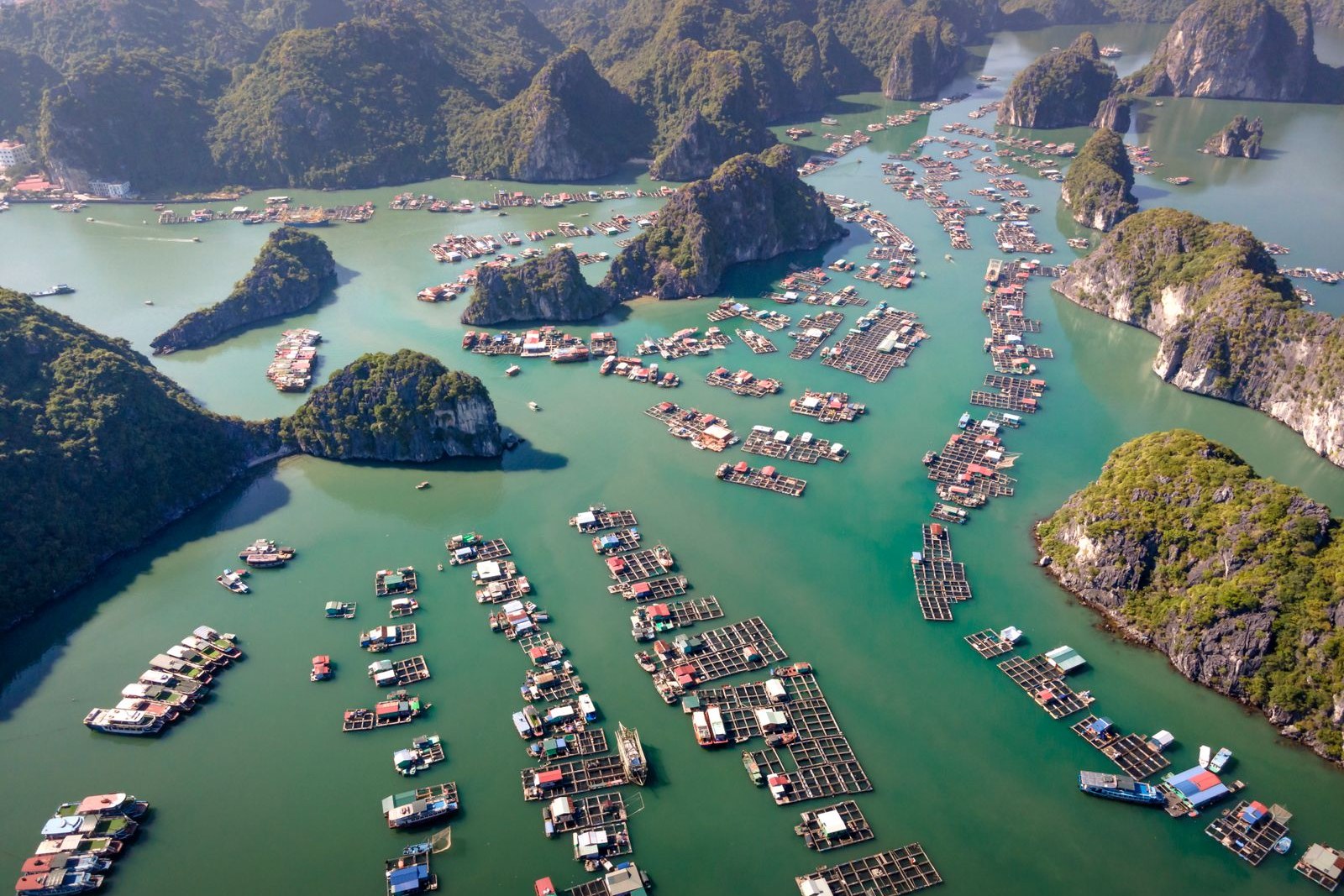
The island’s surprising asset is a grave. 方济各·沙勿略 Fāngjìgè Shāwùlüè, Francis Xavier, one of the founders of the Jesuit order and the missionary who had already worked in India and Japan, came here in 1552 and died on 上川岛 in December of that year, waiting for a boat that would take him into Guangdong. He was buried on the island and later moved, and the chapel and monument that stand on the site today, on a knoll above the coast, are visited by Catholics from Hong Kong and Macau who come over for the mass that is said there each year. It is an odd and rather moving thing to find at the end of a beach holiday, and it is the only reason a European name appears on the map of this coast.
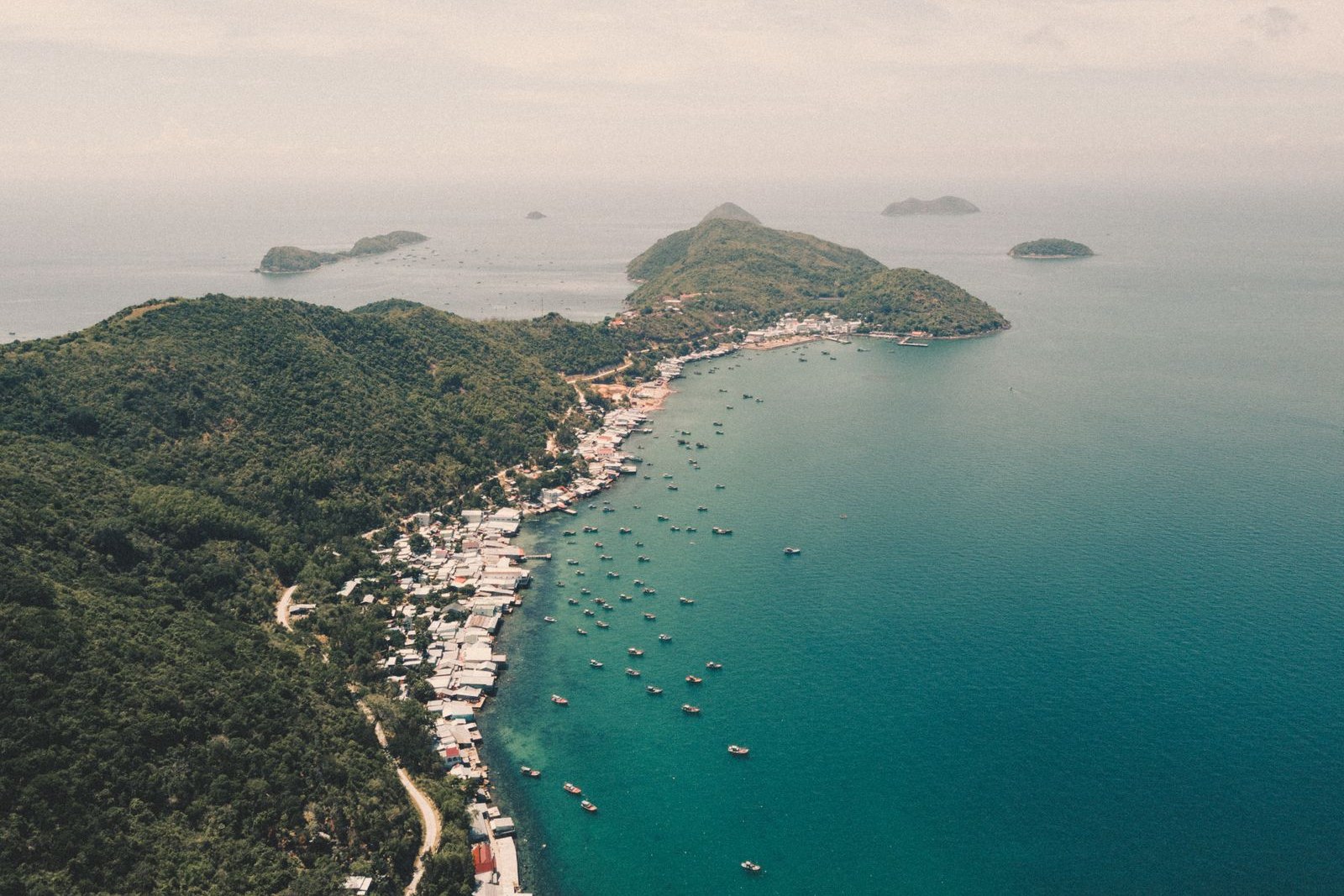
The rest of the island is best done slowly and by road, since there is only one of them. The 猕猴 mí hóu, the macaques, run wild in the hills and are the island’s other attraction; a colony has been fed at a viewing point for years and the animals are now bold enough to sit on car bonnets, which is entertaining for five minutes and a nuisance after that, and you should not carry food openly. 沙堤渔港 Shādī yú gǎng on the south coast is a working harbour where the fishing fleet lands, and the seafood restaurants along the quay will cook what you buy at the market for a small charge. 棋盘山 Qípán shān on the north side has a legend attached to it about a game of chess and immortals, and a view down over the whole northern bay. And the small town of 三洲 Sānzhōu, where the ferry lands, is the place to buy 咸鱼 xián yú, the salt-dried fish the coast is known for, and 虾酱 xiā jiàng, the fermented shrimp paste, which smells appalling and improves almost everything.
Practicalities
Tickets. The ferry from 山咀港 Shānzuǐ gǎng to 三洲港 Sānzhōu gǎng is the only way onto the island and costs roughly ¥45 to ¥60 each way depending on vessel, with the crossing taking about forty minutes; buy at the port and expect a queue on summer weekends. There is an island entry ticket covering 飞沙滩 Fēishā tān and the main sites, in the region of ¥50 a person, and separate small charges for the macaque viewing area and other stopping points. Prices at the time of writing; the port office posts the current list.
Opening hours. The first ferry leaves 山咀港 in the morning and the last returns in the late afternoon, roughly 07:30 to 18:00 in season, and the schedule is tighter outside it. 飞沙滩 is open all day and swimming is allowed within the marked area while lifeguards are on duty, which in practice means daylight hours in the summer season. The chapel and monument are open daily in daylight, and the macaque site keeps roughly 08:30 to 17:00.
Getting there. From 台山市 Táishān shì, take a bus or a taxi to 山咀港 Shānzuǐ gǎng on the coast, about seventy kilometres and an hour and a half; the port has a large car park for people leaving vehicles behind. The ferry lands at 三洲港 Sānzhōu gǎng, where the island’s buses and taxis meet the boats, with the run to 飞沙滩 taking about fifteen minutes. Coming from 江门 or 广州, catch a coach to 台山 first; the 江湛 railway stops at 台山站 Táishān zhàn.
Closing day. The ferry runs every day of the year that the weather allows, with no weekly closing day, but the service is reduced outside the summer season and is suspended entirely during a typhoon warning, when nothing gets on or off the island. The reserve sites and the macaque viewing area close occasionally for maintenance, and the beach has no closing day at all.
Getting there: 山咀港 Shānzuǐ gǎng is the gateway, reached by road from 台山 city in about ninety minutes, and the ferry crossing to 三洲港 Sānzhōu gǎng takes forty minutes. Allow an hour from the pier to the beach and back, and do not plan to arrive at the port less than half an hour before the sailing you want on a summer weekend.
flowcloud would say that an island whose most famous landmark is the grave of a man who died waiting for a boat, and whose best feature is a beach that empties when the same boats go home, has an unusually clear idea of what it is for.