
Shangfangshan National Forest Park: The 262-Step Cloud Ladder, Yunshui Cave and the Old Doushuai Temple of Fangshan District, Beijing
铁索云梯通古寺,石笋擎天别有天。Tiěsuǒ yúntī tōng gǔsì, shísǔn qíng tiān bié yǒu tiān – Iron chains and the cloud ladder lead to the old temple; a stone pillar holds up the sky, a heaven of its own.
上方山国家森林公园 Shàngfāngshān Guójiā Sēnlín Gōngyuán Shangfangshan National Forest Park is not a wooded hill with a cave ticketed at the top — it is, plainly put, an old sacred mountain kept green: in the hills of 韩村河镇 Háncūnhé Zhèn Hancunhe town, 房山区 Fángshān Qū Fangshan District, Beijing, a massif long counted as part of 大房山 Dàfáng Shān Dafang Mountain and summed up by its own formula, 九洞十二峰七十二庵 jiǔ dòng shí’èr fēng qīshí’èr ān — nine caves, twelve peaks, seventy-two shrines — under the old boast 南有苏杭,北有上方 nán yǒu Sū-Háng, běi yǒu Shàngfāng, “in the south, Suzhou and Hangzhou; in the north, Shangfang”. The approach is the 云梯 Yúntī Cloud Ladder, 262 stone steps cut near-vertically up the cliff in Jin-dynasty times, iron chains for the hands; the summit courts centre on 兜率寺 Dōulǜ Sì Doushuai Temple, head of the seventy-two shrines, its walls carrying Ming carved panels of the 四十二章经 Sìshí’èr Zhāng Jīng Sutra in Forty-Two Chapters; and beyond the ridge opens 云水洞 Yúnshuǐ Dòng Yunshui Cave, whose giant stalagmite 擎天柱 Qíngtiān Zhù the Sky-Pillar rises some thirty-eight metres, billed among Asia’s tallest. The forest itself — old secondary woodland of cypress, oak and wild fruit trees, among the best kept in north China — is the point of the walk. What you actually visit is a climb, a temple and a cave stitched into one mountain day.
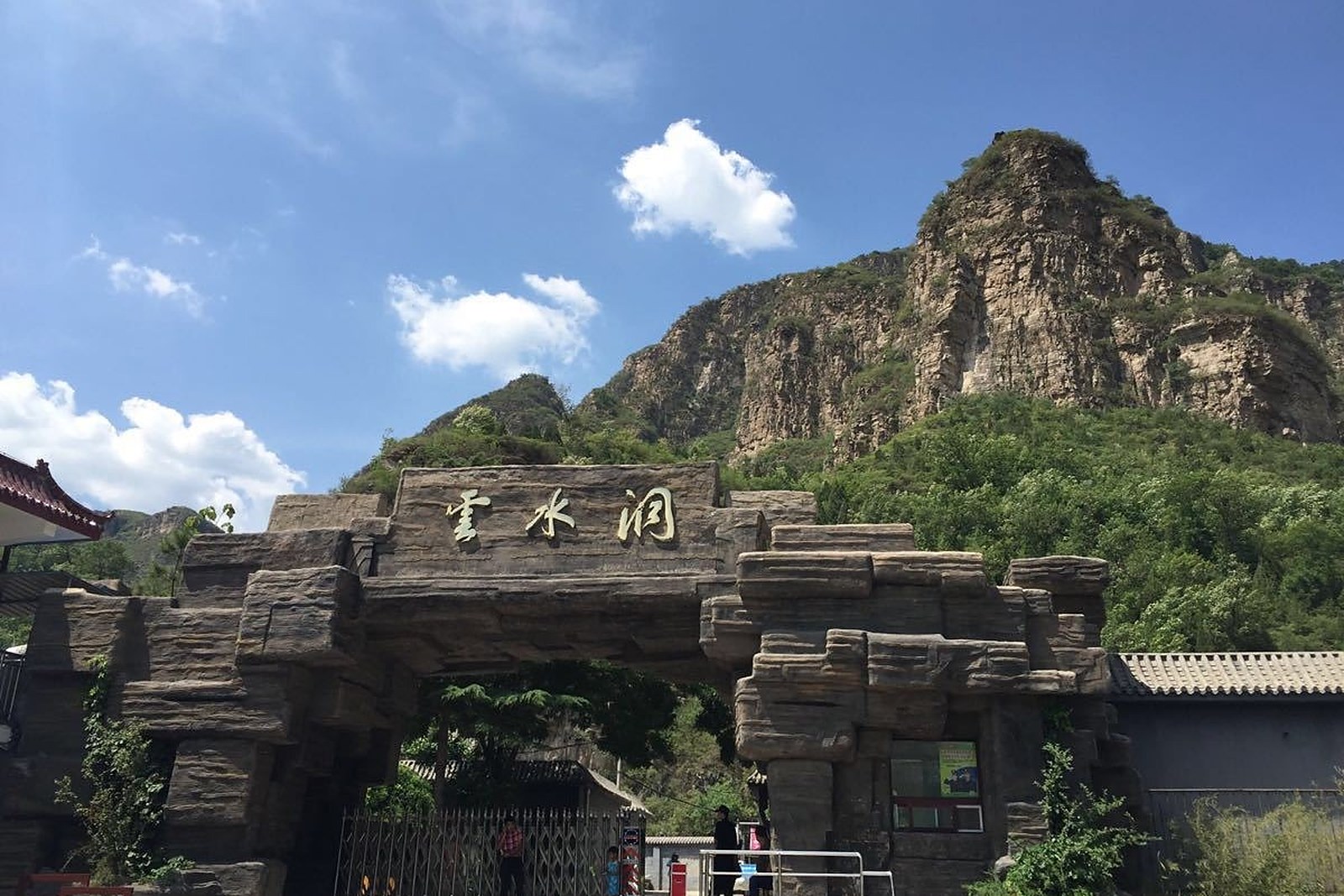
Call it honestly: a seasonal mountain — the park has run on a roughly May-to-October calendar, closing through the winter fire season (worth confirming the details for exact dates), with entry around forty yuan in recent seasons, the 云水洞 Yúnshuǐ Dòng charged separately and a combined ticket often offered, and cableways priced by route (worth confirming the details for current rates and what runs). The 云梯 Yúntī is real exposure: hands-on chains, near-vertical steps — vertigo sufferers should take the cable and skip the ladder without shame, and anyone with rain forecast should skip the rock entirely; access to 云水洞 Yúnshuǐ Dòng has in recent seasons been cable-car only while a road is under repair (worth confirming the details for current arrangements). Give the mountain four to five hours, carry water up from town, and start early — the east-gate ladder warms up quickly under weekend crowds.
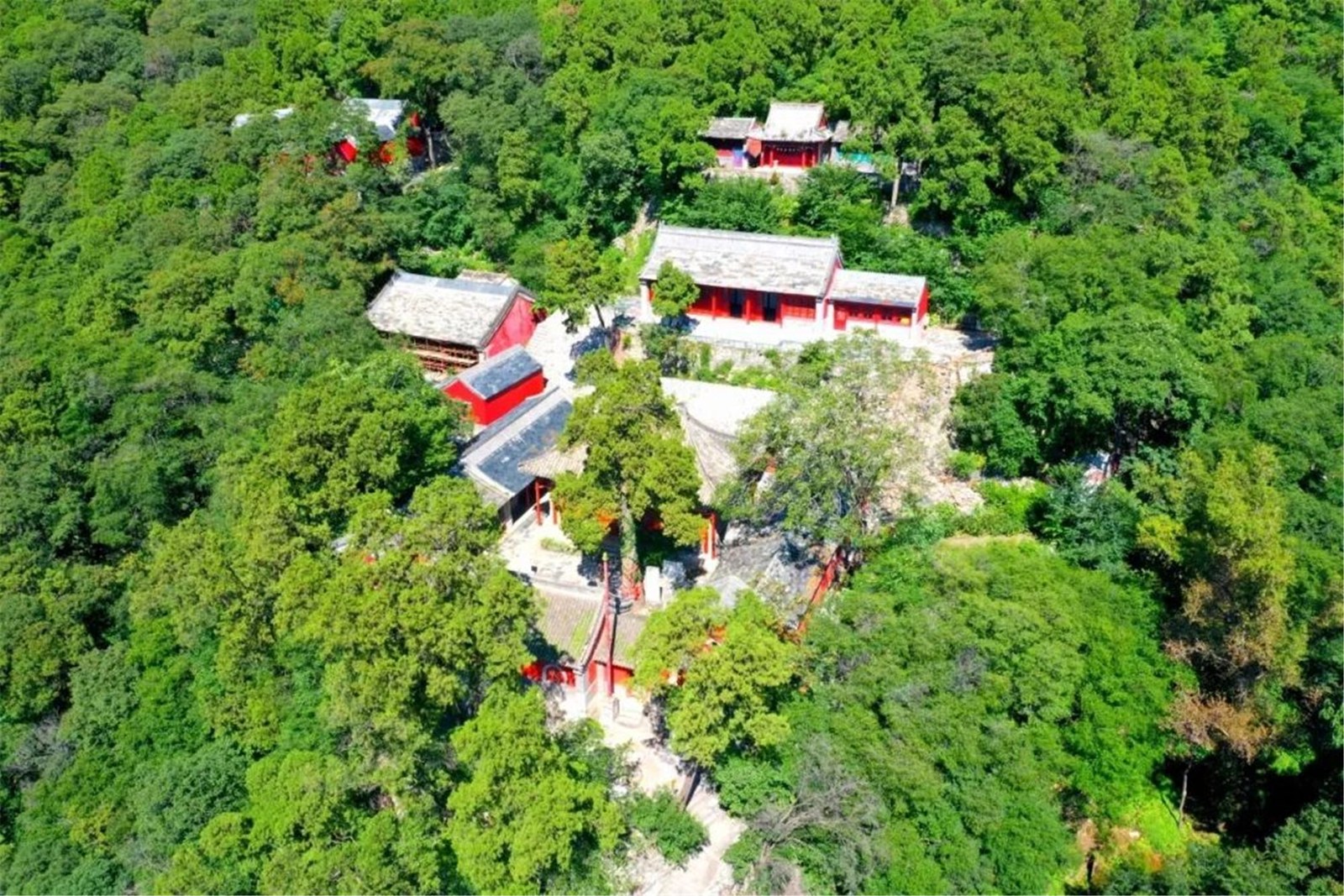
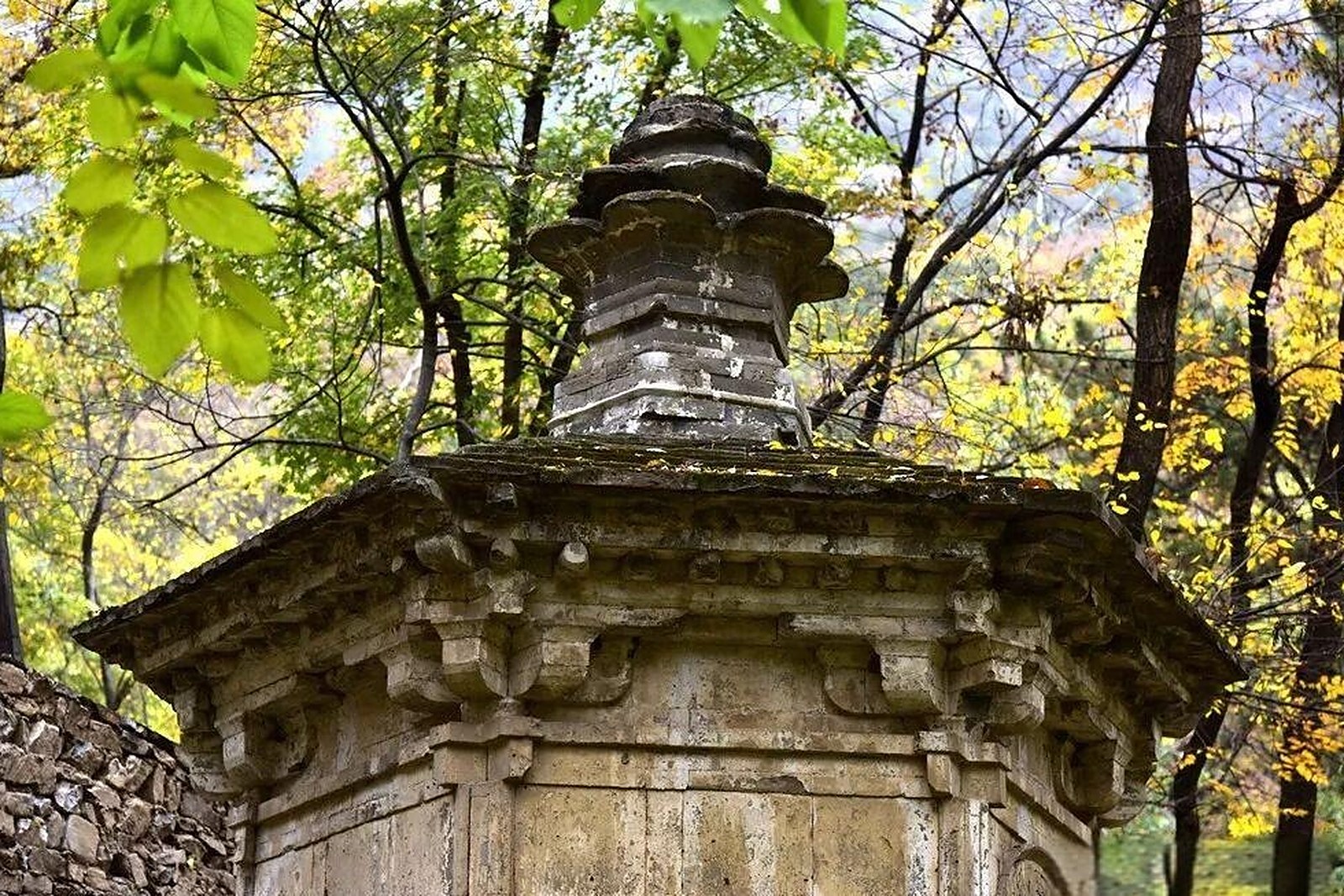
The honest star is the 云梯 Yúntī Cloud Ladder climb itself — the cliff steps, the chains, and the moment the forest roof drops away below you — not the cave lights. At the ladder’s foot four characters are cut in the rock, 幽燕奥宅 Yōuyàn àozhái, “the hidden mansion of the ancient Yan lands”; at the top the courts of 兜率寺 Dōulǜ Sì sit under ancient trees, with a pagoda grove 塔院 tǎyuàn of dozens of monks’ stupas behind (worth confirming the details for what is open on your day). What gets oversold is the “primitive forest” label read as wilderness: this is tidy, much-loved secondary woodland — old cypresses, oaks, the celebrated tree kings — glorious to walk, not trackless (worth confirming the details for the trail network). What repays the effort is 云水洞 Yúnshuǐ Dòng after the climb — cool, dripping, ending at the Sky-Pillar — and the ridge views over the 房山 Fángshān karst. Come for the layering of the place: ladder, then temple, then cave.
The self-aware postscript: I came down the ladder behind a grandmother in flat shoes who climbed it without once touching the chains, and when I complimented her she said, “I climbed it to school, I climbed it to market — you tourists make it look difficult”. That is the visit in miniature. 上方山国家森林公园 Shàngfāngshān Guójiā Sēnlín Gōngyuán suits whoever treats it as a proper mountain day first and a cave visit second — ladder up, temple slow, cave cool, cable down — and exhausts anyone arriving at noon expecting a flat forest stroll. Everything else on this Fangshan list rings the same hills: the World Heritage hill of 周口店北京人遗址 Zhōukǒudiàn Běijīngrén Yízhǐ, the seven-storey stone flowers of 石花洞 Shíhuā Dòng Shihua Cave, the stone sutras and Liao pagodas of 云居寺 Yúnjū Sì Yunju Temple, and the river crossings of 十渡 Shídù Shidu up the 拒马河 Jùmǎ Hé — all in the same 房山区 Fángshān Qū where the mountains keep both caves and cloisters.
Practicalities
- Rating: ★★★★☆ — a sacred mountain with a real climbing approach, a temple at the top and a giant’s cave beyond the ridge; the 262-step 云梯 Yúntī and the pagoda grove outrank the lit formations; go in season and go early.
- Tickets: Park entry around forty yuan in recent seasons, with 云水洞 Yúnshuǐ Dòng charged separately and combined tickets and cableways priced by route; the park closes through the winter fire season (worth confirming the details for current rates, dates and cable operation).
- Address: 上方山国家森林公园 Shàngfāngshān Guójiā Sēnlín Gōngyuán, 圣水峪村 Shèngshuǐyù Cūn, 韩村河镇 Háncūnhé Zhèn, 房山区 Fángshān Qū Fangshan District, Beijing.
- Time needed: Four to five hours for ladder, temple and cave; a full day adding the peak ridges and the ancient trees (worth confirming the details for trail conditions).
Words and Names
上方山 Shàngfāng Shān Shangfang Mountain · the old sacred mountain of the Dafang range 云梯 Yúntī Cloud Ladder · the 262 near-vertical Jin-dynasty cliff steps 幽燕奥宅 Yōuyàn àozhái Hidden Mansion of Ancient Yan · the four characters cut at the ladder’s foot 兜率寺 Dōulǜ Sì Doushuai Temple · head of the seventy-two shrines 云水洞 Yúnshuǐ Dòng Yunshui Cave · the great karst cave of the high ridge 擎天柱 Qíngtiān Zhù Sky-Pillar · the giant stalagmite of the deep chamber 九洞十二峰七十二庵 jiǔ dòng shí’èr fēng qīshí’èr ān nine caves, twelve peaks, seventy-two shrines · the mountain’s own formula 塔院 tǎyuàn pagoda grove · the field of monks’ stupas behind the temple
flowcloud would say that 上方山国家森林公园 Shàngfāngshān Guójiā Sēnlín Gōngyuán is a sacred mountain you earn — the Jin-dynasty 云梯 Yúntī of 262 chained cliff steps up to 兜率寺 Dōulǜ Sì and the pagoda grove, the 云水洞 Yúnshuǐ Dòng beyond the ridge with its thirty-eight-metre 擎天柱 Qíngtiān Zhù stalagmite, all under the formula 九洞十二峰七十二庵 jiǔ dòng shí’èr fēng qīshí’èr ān in some of north China’s best-kept secondary old woodland — and that the honest move is an early start inside the roughly May-to-October season, because tickets, cable routes, fire-season closure and the cave road repairs all shift (worth confirming the details), the ladder is the earned half and the cave is the cool half, and the mountain repays whoever climbs it slowly while losing anyone expecting a flat forest stroll. All checked October 2026.
Getting there: Bus F15 runs from the 房山城关 Fángshān chéngguān area — reachable on the 燕房线 Yánfáng Xiàn Yanfang metro line — toward the park gates in 韩村河镇 Háncūnhé Zhèn, and self-drive follows the 京港澳高速 Jīnggǎng’ào gāosù to the 琉璃河 Liúlínhé exit or the G5 京昆高速 Jīngkūn gāosù to 皇后台 Huángnèitái, then the valley roads to 圣水峪村 Shèngshuǐyù Cūn (worth confirming the details for current bus schedules, seasonal opening and parking). All checked October 2026.