
Shanghai Jewish Refugees Museum: The Ohel Moshe Synagogue and the Story of Some 20,000 Refugees of the Hongkou Ghetto at Changyang Road 62 in Hongkou District, Shanghai
一堂庇得风涛客,满巷长留患难恩。Yī táng bì dé fēngtāo kè, mǎn xiàng cháng liú huànnàn ēn – One hall sheltered guests fleeing the storms; a whole lane long kept the kindness shown in hard times.
上海犹太难民纪念馆 Shànghǎi Yòutài Nànnán Jìniànguǎn the Shanghai Jewish Refugees Museum is not a grand national gallery — it is, plainly put, one of the most moving small museums in the world, housed in a house of prayer: the museum stands at 长阳路 Chángyáng Lù Changyang Road 62 in 虹口区 Hóngkǒu Qū Hongkou District, on the site of 摩西会堂 Móxī Huìtáng the Ohel Moshe Synagogue, a modest 1927 brick synagogue built by the local Russian-Jewish community. Its subject is the 1930s and 1940s, when roughly 20,000 Jewish refugees fleeing Nazi Europe found in Shanghai the one port left open to them without a visa, and were settled by circumstance into this corner of 虹口区 Hóngkǒu Qū Hongkou District — the designated area that survivors came to call the 隔都 Gédū Hongkou Ghetto — where they opened shops, clinics and schools, married, quarrelled and survived alongside their Chinese neighbours until the war ended. After a major expansion, the museum reopened in 2020 with galleries spread around the restored synagogue. What you actually visit is the building and the neighbourhood archive of a rescue told by documents, photographs, objects and names.
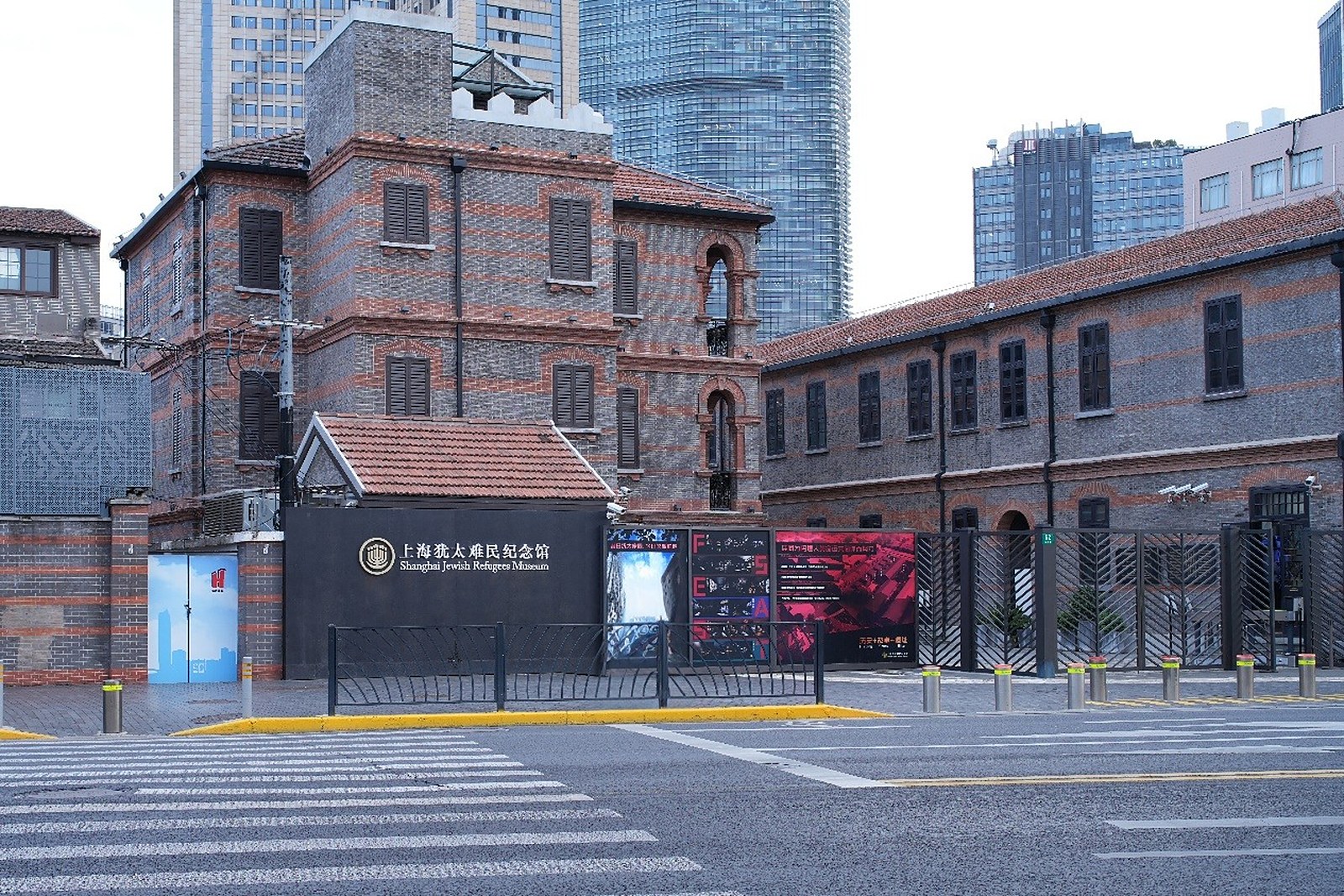
Call it honestly: the museum is a ticketed site with timed-entry booking, unlike the free parks of this district (worth confirming the details for the current ticket price and reservation procedure), and 提篮桥站 Tílánqiáo Zhàn Tilanqiao station on Metro Line 12 sets you down within a short walk of the gate. The honest warning is tone: this is a documentary, panel-rich museum built around survivor testimony, so visitors expecting grand architecture or interactive spectacle should calibrate toward names, letters, passports and photographs — the raw material of the story. Weekday mornings are quietest and calmest for reading; weekends stay modest. Give it an hour and a half to two hours, longer if you also walk the surviving refugee-era lanes around it.
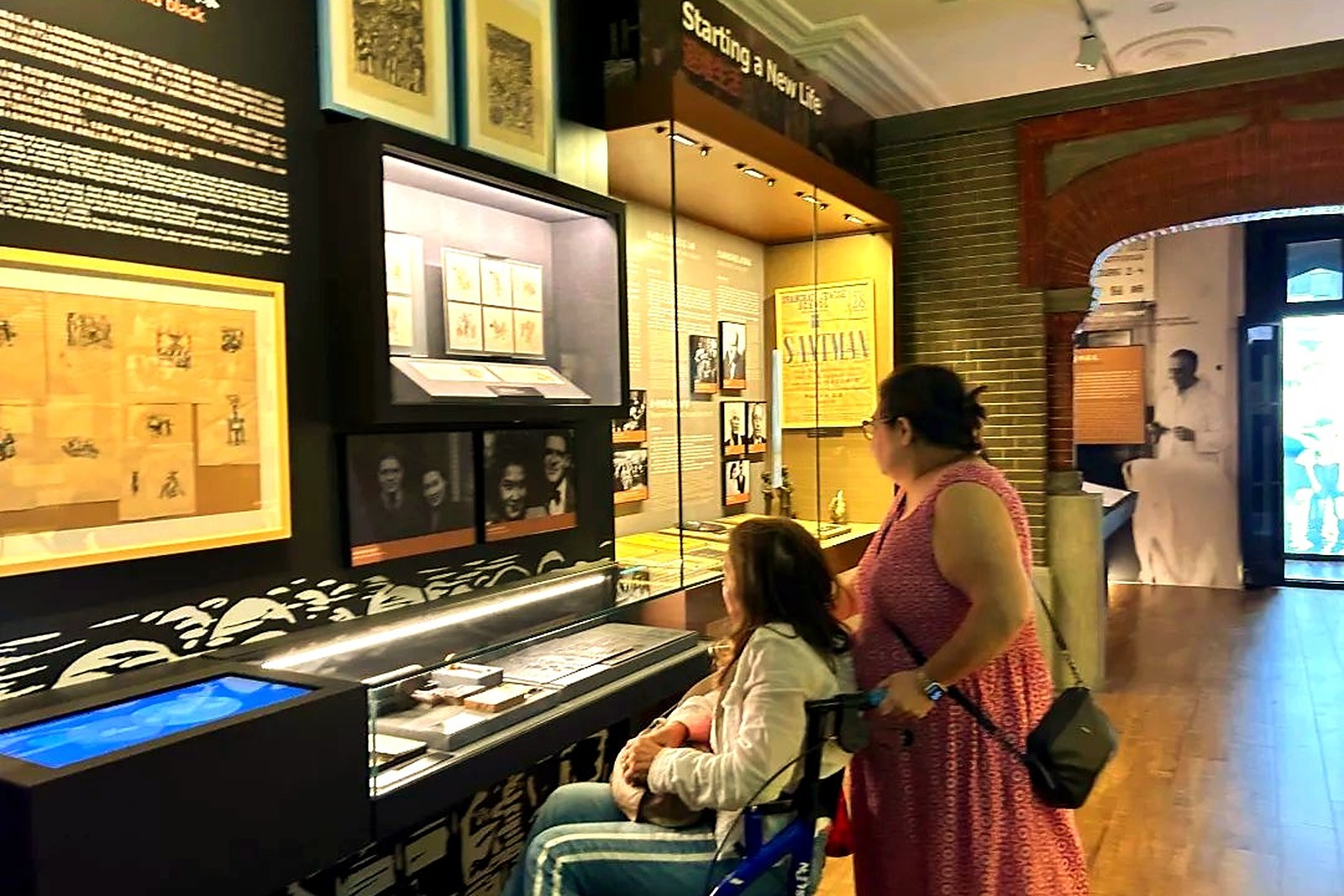
The honest star is the Ohel Moshe Synagogue building itself — the restored 1927 prayer hall with its ark, its simple timber fittings and its fan of small windows, kept as the museum’s heart, because the story of Shanghai’s rescue happened in rooms exactly like this one and the wood and brick remember it. What gets oversold is the scale: the expanded museum is thorough but still intimate, and travellers picturing a vast Holocaust memorial complex find a neighbourhood site of a few halls around a courtyard (worth confirming the details for any special exhibitions running during your visit). What repays the effort is the record itself: the wall of names of refugee survivors, the identity cards, ration books and shop signs of the ghetto streets, the photographs of 长阳路 Chángyáng Lù Changyang Road doorways where families still live, and the recorded voices of survivors returning to thank the city that took them in. Come for the layering of the place: street, then synagogue, then the twenty thousand lives the panels carry.
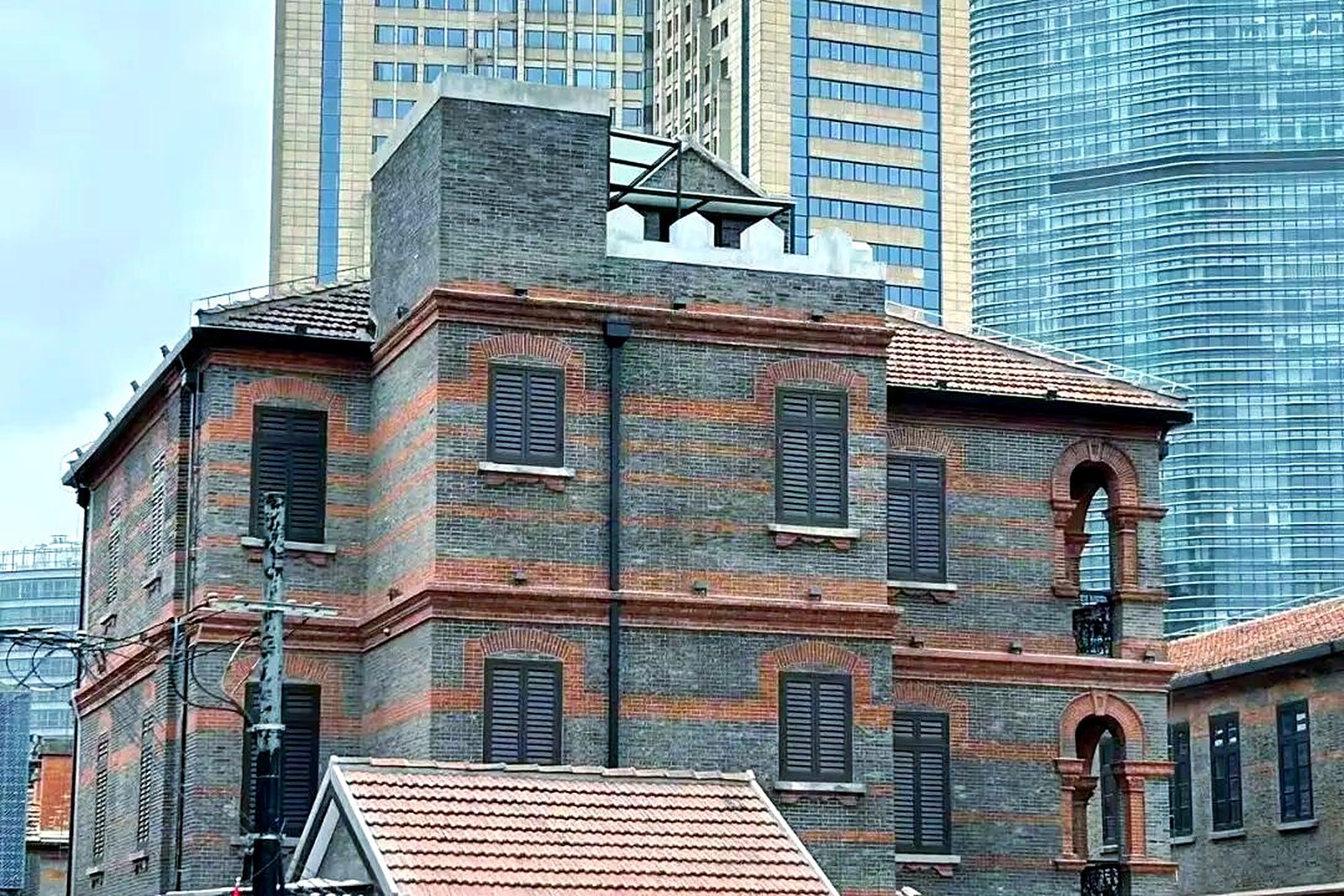
The self-aware postscript: I stood before the name wall one weekday morning beside a visitor copying one surname carefully into a notebook. “My grandfather is on that list,” she said, without looking up, “he came here aged nineteen with nothing — and the family shop he opened on this street stood for forty years; I write it down so I do not misremember a single letter”. That is the visit in miniature. From the courtyard between the old synagogue and the new galleries, the building holds its quiet among the ordinary shops of the lane, the one composition that shows rescue and neighbourhood as the same story. 上海犹太难民纪念馆 Shànghǎi Yòutài Nànnán Jìniànguǎn suits whoever treats it as a serious, human-scale document of an extraordinary rescue first and a quick photo stop at a historic building second, and disappoints anyone expecting an ornate showpiece synagogue or a light sightseeing stop.
Nearly everything else on this Hongkou list lies within a short walk or ride: the concrete halls of 上海1933老场坊 Shànghǎi 1933 Lǎochǎngfáng Shanghai 1933 Old Millfun wait a short ride north at 溧阳路 Lìyáng Lù Liyang Road, the terrace of 鲁迅公园 Lǔxùn Gōngyuán Luxun Park stands a short ride north-west at 东江湾路 Dōngjiāngwān Lù Dongjiangwan Road, the L-shaped lanes of 多伦路文化名人街 Duōlún Lù Duolun Road Cultural Celebrities Street open to the west near 四川北路 Sìchuān Běi Lù Sichuan North Road, and the riverfront platforms of 北外滩滨江 Běiwàitān Bīnjiāng the North Bund Riverside lie just south toward the 黄浦江 Huángpǔ Jiāng Huangpu River — all inside the same 虹口区 Hóngkǒu Qū Hongkou District whose sheltering streets this museum remembers doorway by doorway.
Practicalities
- Rating: ★★★★☆ — a small, serious, deeply human museum in the authentic rooms of an escape story; buy a timed ticket in advance and read slowly.
- Tickets: Paid admission with advance booking (worth confirming the details for the current ticket price and reservation procedure).
- Address: 上海犹太难民纪念馆 Shànghǎi Yòutài Nànnán Jìniànguǎn, 长阳路 Chángyáng Lù Changyang Road 62, on the site of 摩西会堂 Móxī Huìtáng the Ohel Moshe Synagogue, 虹口区 Hóngkǒu Qū Hongkou District, Shanghai — a short walk from Tilanqiao station on Metro Line 12.
- Time needed: An hour and a half to two hours for the synagogue and galleries; half a day adding a walk through the surviving refugee-era lanes.
Words and Names
上海犹太难民纪念馆 Shànghǎi Yòutài Nànnán Jìniànguǎn Shanghai Jewish Refugees Museum · 摩西会堂 Móxī Huìtáng Ohel Moshe Synagogue, built in 1927 · 隔都 Gédū the ghetto, the wartime designated area for refugees · 犹太难民 Yòutài nànmín Jewish refugees, some 20,000 of whom settled here · 避难 bìnàn to take refuge · 幸存者 xìngcúnzhě survivor · 长阳路 Chángyáng Lù Changyang Road · 提篮桥站 Tílánqiáo Zhàn Tilanqiao station · 提篮桥 Tílánqiáo Tilanqiao, the historic neighbourhood around the museum · 虹口区 Hóngkǒu Qū Hongkou District
flowcloud would say that 上海犹太难民纪念馆 Shànghǎi Yòutài Nànnán Jìniànguǎn is the memory of a rescue kept in the very rooms that sheltered it — built around 摩西会堂 Móxī Huìtáng the Ohel Moshe Synagogue of 1927 at 长阳路 Chángyáng Lù Changyang Road 62 in 虹口区 Hóngkǒu Qū Hongkou District, where the panels, name wall and survivor recordings tell how some 20,000 Jewish refugees made a home in the wartime 隔都 Gédū ghetto lanes alongside their Chinese neighbours, the whole site expanded and reopened in 2020 (worth confirming the details for the current ticket price and timed-entry booking) — and that the honest move is a weekday-morning visit entered through 提篮桥站 Tílánqiáo Zhàn Tilanqiao station on Metro Line 12, because the grand-memorial expectation is the poster half and the intimate street-level record of neighbours helping neighbours is the real half, and the museum repays whoever reads the name wall slowly enough to leave with one surname remembered. All checked October 2026.
Getting there: Metro Line 12 to 提篮桥 Tílánqiáo Tilanqiao station, exit 2, then a short walk to the museum gate on 长阳路 Chángyáng Lù Changyang Road 62 (worth confirming the details for timed-entry booking, which the museum uses at busy times); the 摩西会堂 Móxī Huìtáng Ohel Moshe Synagogue stands at the core. All checked October 2026.