
Shanghai Textile Museum: The Story of the City’s Cotton Mills and Suzhou Creek Industry in the Former Shensin No. 9 Cotton Mill at Aomen Road 150 in Putuo District, Shanghai
经纬织成申城史,机杼纺出岁月光。Jīngwèi zhī chéng Shēnchéng shǐ, jīzhù fǎng chū suìyuè guāng – Warp and weft have woven the history of Shanghai; looms and shuttles have spun out the light of the years.
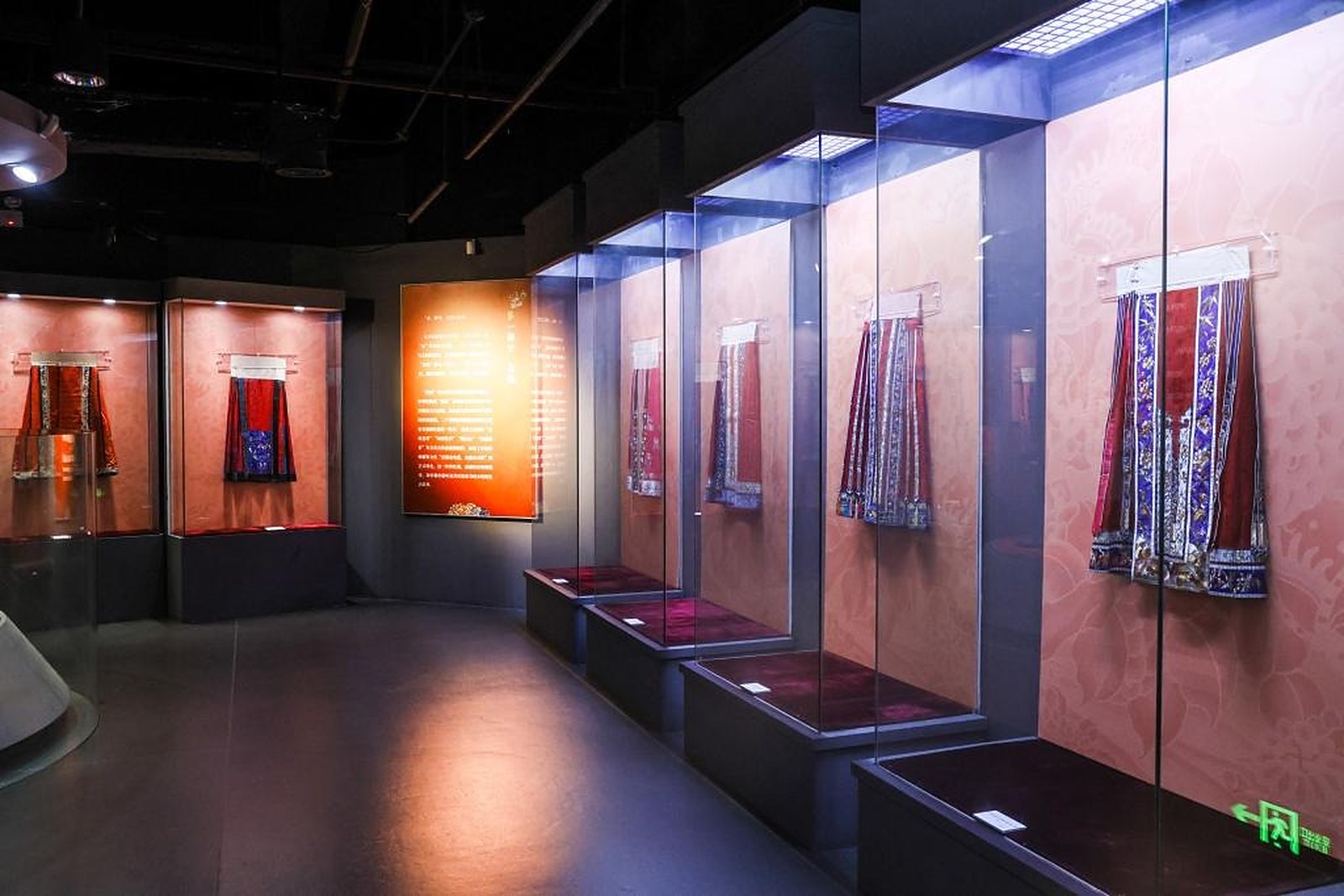
上海纺织博物馆 Shànghǎi Fǎngzhī Bówùguǎn the Shanghai Textile Museum is not a small-topic local gallery — it is, plainly put, the museum of the industry that made modern Shanghai: a full-scale account of the city’s cotton and wool centuries, housed at 澳门路 Àomén Lù Aomen Road 150 in 普陀区 Pǔtuó Qū Putuo District, on the bank of the 苏州河 Sūzhōu Hé Suzhou Creek where the mill belt once ran machine after machine, day and night. The site is the message: the museum occupies the grounds of 申新纺织九厂 Shēnxīn Fǎngzhī Jiǔchǎng the Shensin No. 9 Cotton Mill, one of the great mills of the family-run 申新 Shēnxīn Shenxin group that helped turn this stretch of creek into the workshop of the country. Inside, the galleries follow the thread from raw fibre to finished cloth: historic looms and spinning machines, cloth samples and mill archives, photographs and oral histories of the mill workers — the 纺织女工 fǎngzhī nǚgōng women workers whose shifts defined whole generations of Shanghai family life — and the rise and quiet end of an industry that once employed hundreds of thousands. What you actually visit is a free, well-built industry museum that deserves more visitors than it gets.
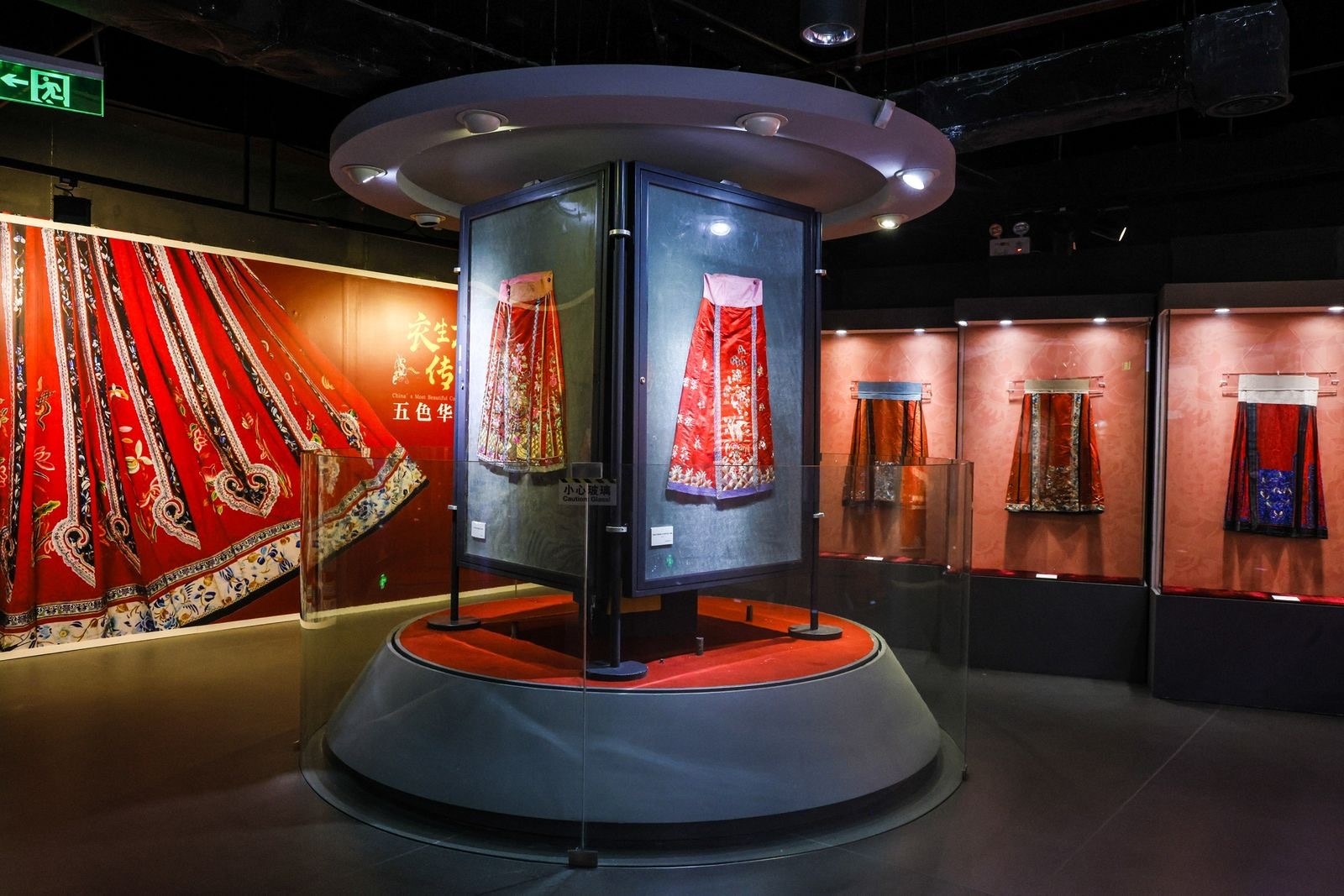
Call it honestly: entry is free, with Monday closing as the customary pattern for Shanghai’s public museums (worth confirming the details for current opening hours and any closure days), and 江宁路站 Jiāngníng Lù Zhàn Jiangning Road station on Metro Line 13 sets you down within a walk of the gate. The honest warning is tone, not cost: this is a serious, document-rich industry museum, not a hands-on attraction, so visitors hunting interactive spectacle should calibrate toward the machines, photographs and archives that are actually here. Weekday mornings are quietest, and the galleries are usually calm enough to read every panel; weekends stay modest by city-museum standards. Give it an hour to an hour and a half, longer if you follow the full mill-history arc panel by panel.
The honest star is the machine hall — the great iron and timber looms and spinning frames, many preserved in working condition, standing in the very sheds where their cousins once ran, so that the museum’s story and its building are the same object. What gets oversold is the “textile” label read as fashion: visitors expecting costume displays and shopping leave having missed the point, which is industry — capital, labour, river transport and the making of a working class (worth confirming the details for which special exhibitions are currently running). What repays the effort is the human record around the machines: the mill ledgers and paybooks, the workers’ dormitory photographs, the story of the Shenxin mills and their strikes, and the way the Suzhou Creek outside the window completes the exhibit — the waterway that carried the cotton in and the cloth out. Come for the layering of the place: creek, then mill, then the lives the machines ran on.
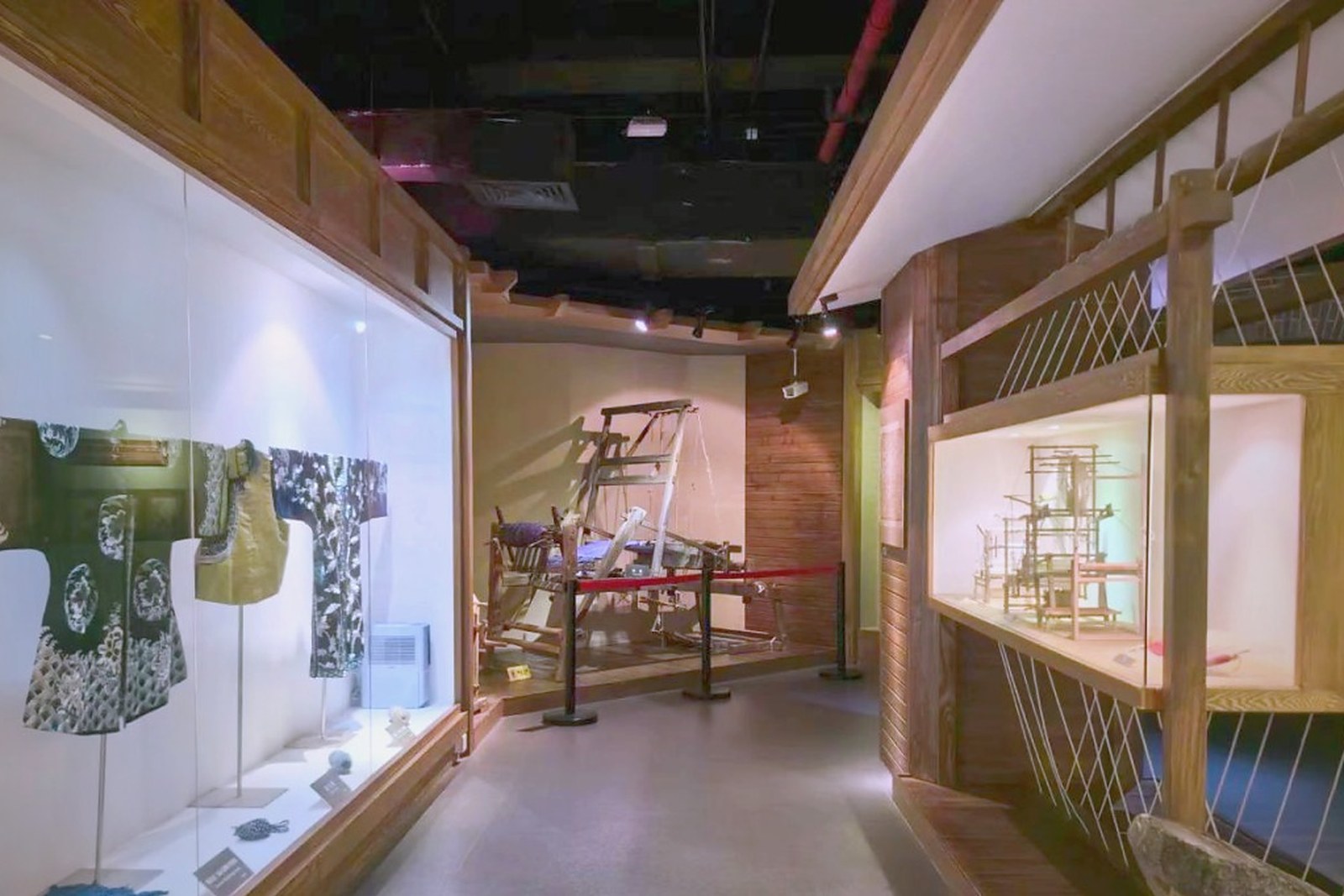
The self-aware postscript: I stood beside a preserved spinning frame one weekday morning while an elderly docent rested on a bench nearby. “My mother worked a machine just like this one,” she said, nodding at the flyers and spindles, “for thirty years — when I walk in here I hear the noise she brought home in her ears every night, and I finally understand a little of it”. That is the visit in miniature. From the hall’s far end, the ranks of machines line up under the old mill roof toward the windows and the creek beyond, the one sightline that puts industry, building and river in a single frame. 上海纺织博物馆 Shànghǎi Fǎngzhī Bówùguǎn suits whoever treats it as a serious, free museum of the industry that built half the city first and a photogenic old-mill stop second, and disappoints anyone expecting a light fashion-and-shopping experience.
Nearly everything else on this Putuo list lies within a short walk or ride along the creek: the galleries and graffiti walls of M50创意园 M50 Creative Park wait a short walk west along the 苏州河 Sūzhōu Hé Suzhou Creek bank, the jade halls of 玉佛寺 Yùfó Sì Jade Buddha Temple stand a short ride east near 安远路 Ānyuǎn Lù Anyuan Road, the lake and boating lawns of 长风公园 Chángfēng Gōngyuán Changfeng Park open in the district’s west, and the Yuan-dynasty hall of 真如寺 Zhēnrú Sì Zhenru Temple waits in the north-west at 真如古镇 Zhēnrú Gǔzhèn Zhenru Old Town — all inside the same 普陀区 Pǔtuó Qū Putuo District whose mill age this museum remembers shed by shed.
Practicalities
- Rating: ★★★★☆ — a free, serious and quietly moving museum of the industry that built Shanghai, in an authentic mill setting; go weekday morning and read the panels.
- Tickets: Free (closed Mondays as customary; worth confirming the details for current opening hours).
- Address: 上海纺织博物馆 Shànghǎi Fǎngzhī Bówùguǎn, 澳门路 Àomén Lù Aomen Road 150, on the former site of 申新纺织九厂 Shēnxīn Fǎngzhī Jiǔchǎng the Shensin No. 9 Cotton Mill, 普陀区 Pǔtuó Qū Putuo District, Shanghai — within walking distance of Jiangning Road station on Metro Line 13.
- Time needed: An hour to an hour and a half for the main galleries; half a morning for the full mill-history arc and special exhibitions.
Words and Names
上海纺织博物馆 Shànghǎi Fǎngzhī Bówùguǎn Shanghai Textile Museum · 纺织 fǎngzhī textile, spinning and weaving · 申新纺织九厂 Shēnxīn Fǎngzhī Jiǔchǎng Shensin No. 9 Cotton Mill, the museum’s site · 织机 zhījī loom · 纱线 shāxiàn yarn · 布样 bùyàng cloth sample · 纺织女工 fǎngzhī nǚgōng women mill workers · 苏州河 Sūzhōu Hé Suzhou Creek, the mill belt’s river · 澳门路 Àomén Lù Aomen Road · 江宁路站 Jiāngníng Lù Zhàn Jiangning Road station · 普陀区 Pǔtuó Qū Putuo District
flowcloud would say that 上海纺织博物馆 Shànghǎi Fǎngzhī Bówùguǎn is the memory bank of the industry that built modern Shanghai — free to enter on the old grounds of 申新纺织九厂 Shēnxīn Fǎngzhī Jiǔchǎng the Shensin No. 9 Cotton Mill at 澳门路 Àomén Lù Aomen Road 150 by the 苏州河 Sūzhōu Hé Suzhou Creek, with its looms, spinning frames, cloth samples and workers’ photographs telling the mill story inside the very sheds where it happened (worth confirming the details for current opening hours and the Monday-closing pattern) — and that the honest move is a weekday-morning hour entered through 江宁路站 Jiāngníng Lù Zhàn Jiangning Road station on Metro Line 13, because the light-fashion-experience expectation is the poster half and the iron machines, paybooks and dockside labour history are the real half, and the museum repays whoever lets the workers’ own words carry the exhibits. All checked October 2026.
Getting there: Metro Line 13 to 江宁路 Jiāngníng Lù Jiangning Road station, exit 1, then a short walk south to the museum gate on 澳门路 Àomén Lù Aomen Road 150 (worth confirming the details for free-entry days and closing Mondays); the old mill buildings line the approach by Suzhou Creek. All checked October 2026.