
Shaoshan
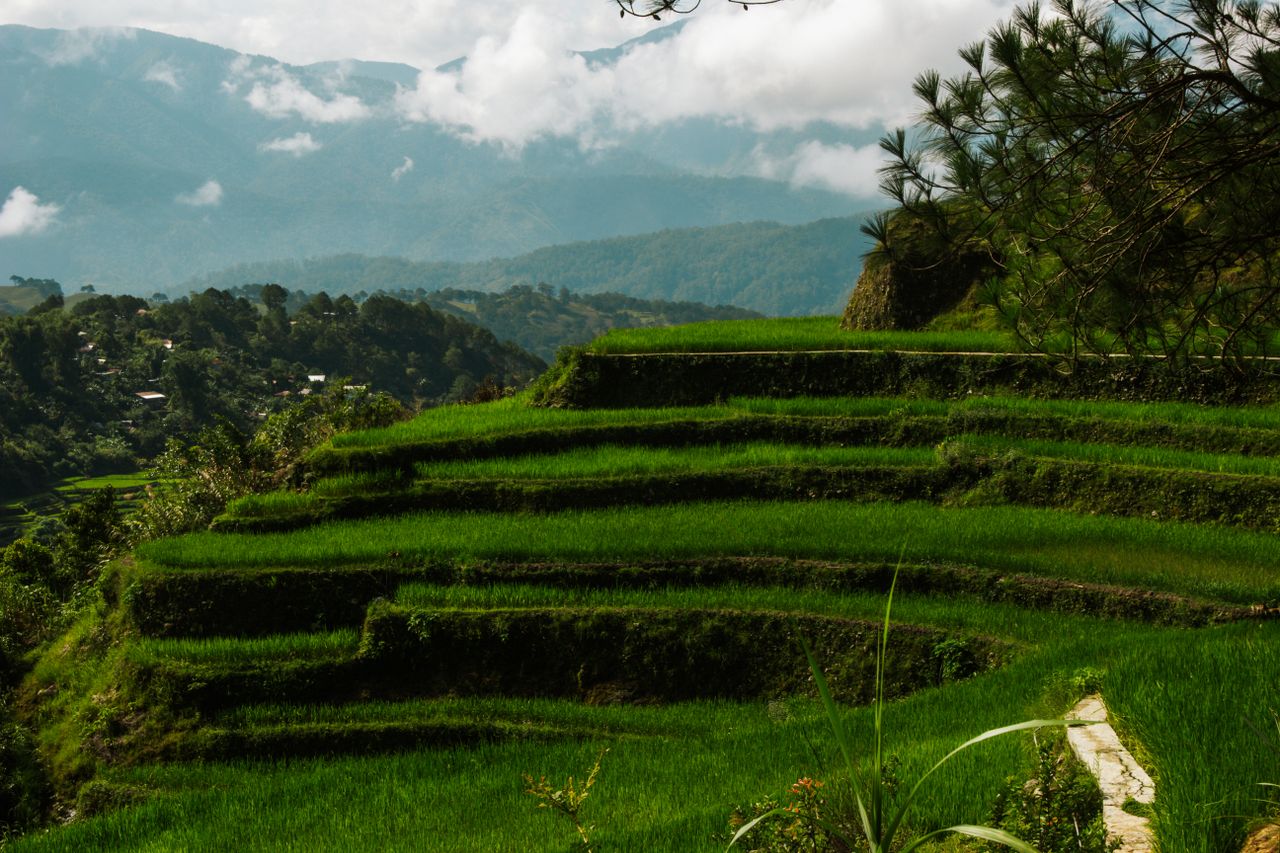
韶山 (Shaoshan) is a small town among rice fields and low green hills in central Hunan, and it is the birthplace of 毛泽东 (Mao Zedong). For decades it was the quietest kind of pilgrimage — school trips, party members, retirees with faded portraits — and it still has that atmosphere: less a tourist site than a place people feel they should visit, for reasons that are history, memory, or a combination nobody is in a hurry to unpick.
The Village and the Story
The site itself is modest. The old house where Mao was born in 1893, 毛泽东同志故居 — a weathered tile-roofed farmhouse beside a lotus pond — survives as a museum, and the queue to walk through it is a ritual of its own, people filing silently through rooms where a boy became a name. Nearby are his mother’s grave, the bronze statue square (where the crowds have thinned since their peak), and the surrounding countryside, which is genuinely lovely: rice paddies, bamboo, hills that keep their own counsel.
It is easy to approach Shaoshan with a ready opinion and leave with a more complicated one. That is the site’s quiet achievement — it is a place where history is housed not in a monument but in a family farmhouse, and the ordinary scale of the beginnings is the most moving thing about it.
Practicalities
- Getting there: direct trains from Changsha or a car/bus (~1.5 hours). The town is compact; a day suffices.
- Best time: any season; spring and autumn are gentlest. National holidays are crowded with organized tours.
- Mind: this is a place of formal respect — visitors walk the house quietly and queue patiently, whatever they privately think.
- Combine with: the rest of the Hunan loop — it sits naturally between Changsha and the western mountains.
flowcloud would say that Shaoshan teaches the traveler that origins are always smaller than the consequences — that the most powerful place in modern Chinese history was once just a farmhouse among rice fields, and that the fields, at least, have not changed.
Getting there: Train or car from Changsha (~1.5 h). Go in the morning, walk the house and the pond, and let the rice fields frame whatever you make of it.