
Shennong Valley, Zhuzhou’s Primeval Forest
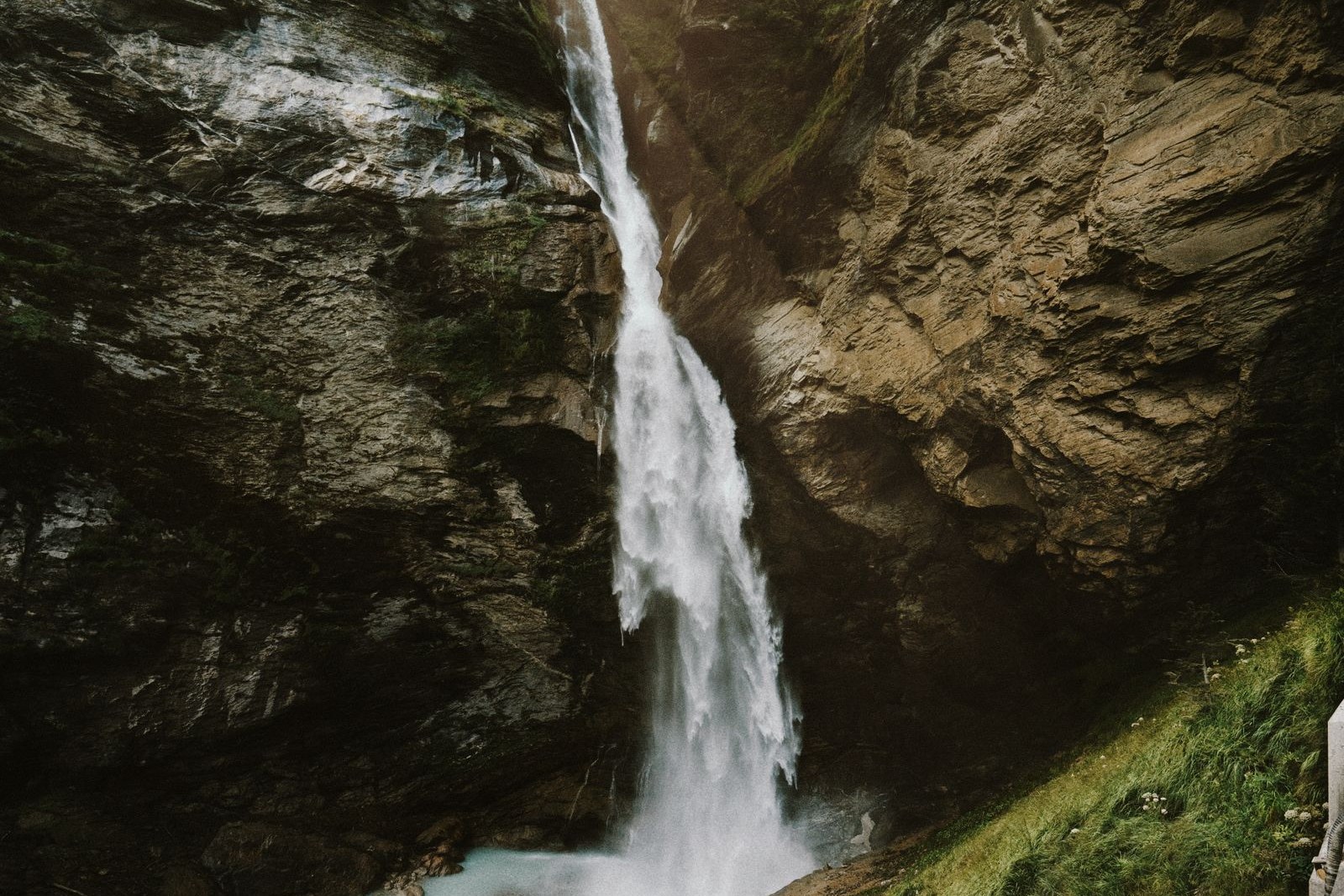
The waterfall drops more than two hundred metres in one fall and the spray reaches the path from thirty metres away, and above it the gorge continues into forest that looks as though nobody has ever been in it. 神农谷 Shénnóng Gǔ is a national forest park in 炎陵县 Yánlíng Xiàn, on the Jiangxi border in the east of 株洲市 Zhūzhōushì, and it is one of the best-preserved pieces of mid-subtropical primary forest in Hunan: about a hundred square kilometres of steep, wet, densely wooded hills, with a stream system running through it and a set of trails that range from an hour’s walk to a full day. It was formerly called 桃源洞 Táoyuándòng and was renamed for the Divine Farmer; the old name still appears on maps.
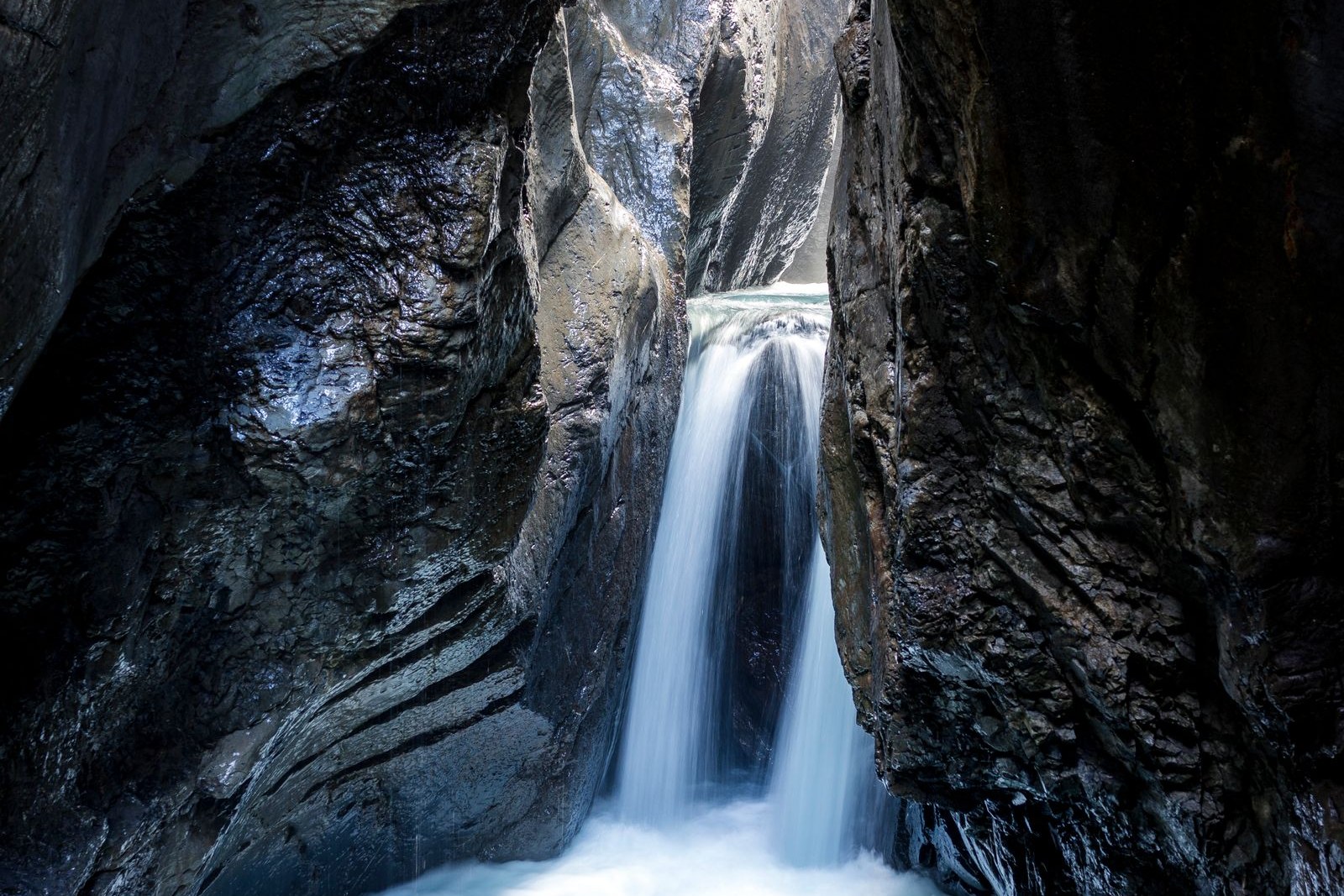
The park’s reputation rests on three things. The first is the water: the main 珠帘瀑布 Zhūlián Pùbù, the Bead-Curtain Falls, is a genuine single-drop waterfall, and the gorge below it is a chain of pools and rapids with a stone walkway cut along the side. The second is the forest itself — old-growth broadleaf with trees that take three people to reach around, more than a thousand species of higher plants recorded in the park, and the kind of layered, mossy, humid ecosystem that survives only where a valley has never been cleared. The third is the air, which is measurable: the negative-ion concentration here is among the highest recorded in China, and while the marketing around that is heavy, standing in the gorge on a wet morning does feel like something.
Above the park the land keeps rising to 酃峰 Líng Fēng, also called 神农峰 Shénnóng Fēng, at 2,115.2 metres — the highest point in Hunan, seventeen metres taller than the mountain in Changde that claims the title on all its signage. The climb is a serious full-day walk from the trailheads west of the park, less developed than the equivalent in Shimen, with no facilities and no crowds; the park management expects you to register and to know what you are doing.
Practicalities
Tickets. Around ¥60–80 for the park entrance; the internal shuttle, where it runs, is a few yuan more. Prices move with the season, and the park sometimes offers combined tickets with the 炎帝陵 Yándì Líng.
Opening hours. Roughly 08:00–17:00, with last entry around 16:00. The park is large and the shuttle stops earlier than the gate.
Closing day. No closing day; open year-round, though some upper trails close in winter after snow.
Getting there. About 40 minutes and ¥100–150 by taxi from 炎陵 Yánlíng county town; the high-speed station 炎陵站 Yánlíng Zhàn is on the same line. From 株洲 Zhūzhōu city it is roughly three hours by road. There is a shuttle from the county town in the summer season but it is infrequent.
What People Get Wrong
They do it as a day trip from the county town and spend most of the day in a car. The park is worth a night inside — the gorge at dawn, before the day visitors arrive, is a different and much better experience than the same gorge at eleven.
Getting there
By high-speed rail to 炎陵 Yánlíng, then a taxi; or by car as part of an eastern-Hunan loop with 炎帝陵 Yándì Líng and 云阳山 Yúnyáng Shān. One night in the park and one at the mausoleum is the sensible arrangement.
flowcloud would say that the tallest mountain in Hunan is in the east of the province and almost nobody knows, because the other one has better signage and a hotel — which is the most reliable rule I know about China’s mountains.
Getting there: 神农谷 (Shénnóng Gǔ), 炎陵县 (Yánlíng Xiàn), 株洲市 (Zhūzhōushì), 湖南 (Húnán). Open roughly 08:00–17:00, no closing day; entry ¥60–80. About 40 minutes and ¥100–150 by taxi from 炎陵 (Yánlíng) county town, three hours by road from 株洲 (Zhūzhōu). Stay a night inside the park and walk to 珠帘瀑布 (Zhūlián Pùbù) before nine.