
石岛 Shídǎo, Shidao, is the highest ground in the 西沙群岛 Xīshā Qúndǎo, the Xisha Islands, and it rises to 15.9 metres above the sea. It sits in the 宣德群岛 Xuāndé Qúndǎo, the Xuande Islands, on the north-eastern part of the Yongxing reef flat, covers about 0.08 square kilometres, and is joined to 永兴岛 Yǒngxīng Dǎo, Yongxing Island, by a causeway and, later, by reclaimed land. Fifteen point nine metres is not a mountain by any measure, but it is the roof of an archipelago, and the reason is not height at all – it is what Shidao is made of. Every other island out here is coral sand and shell debris, low and pale and barely above the tideline. Shidao is rock. It is the only rock island in the Xisha, and also the oldest island in the group.
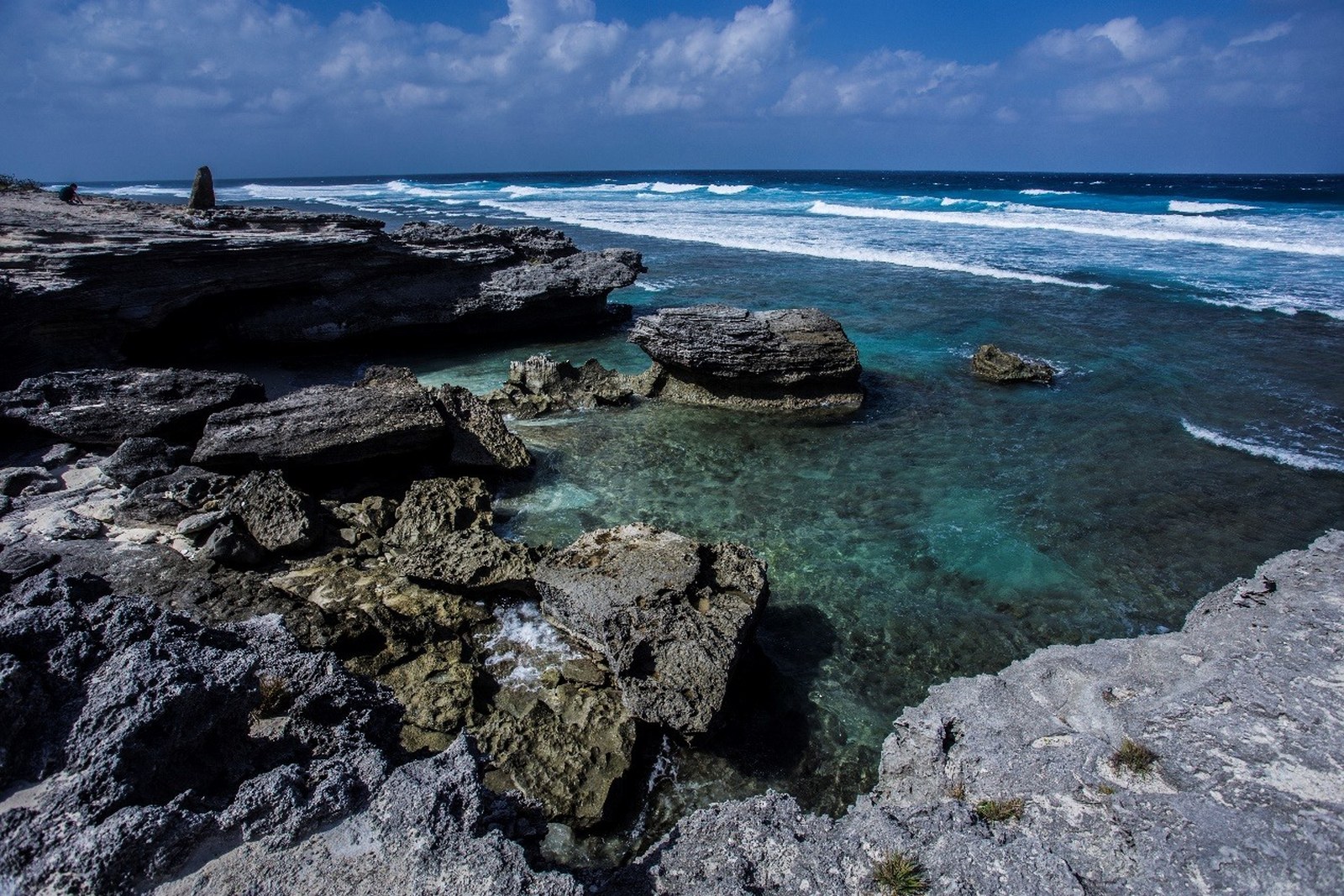
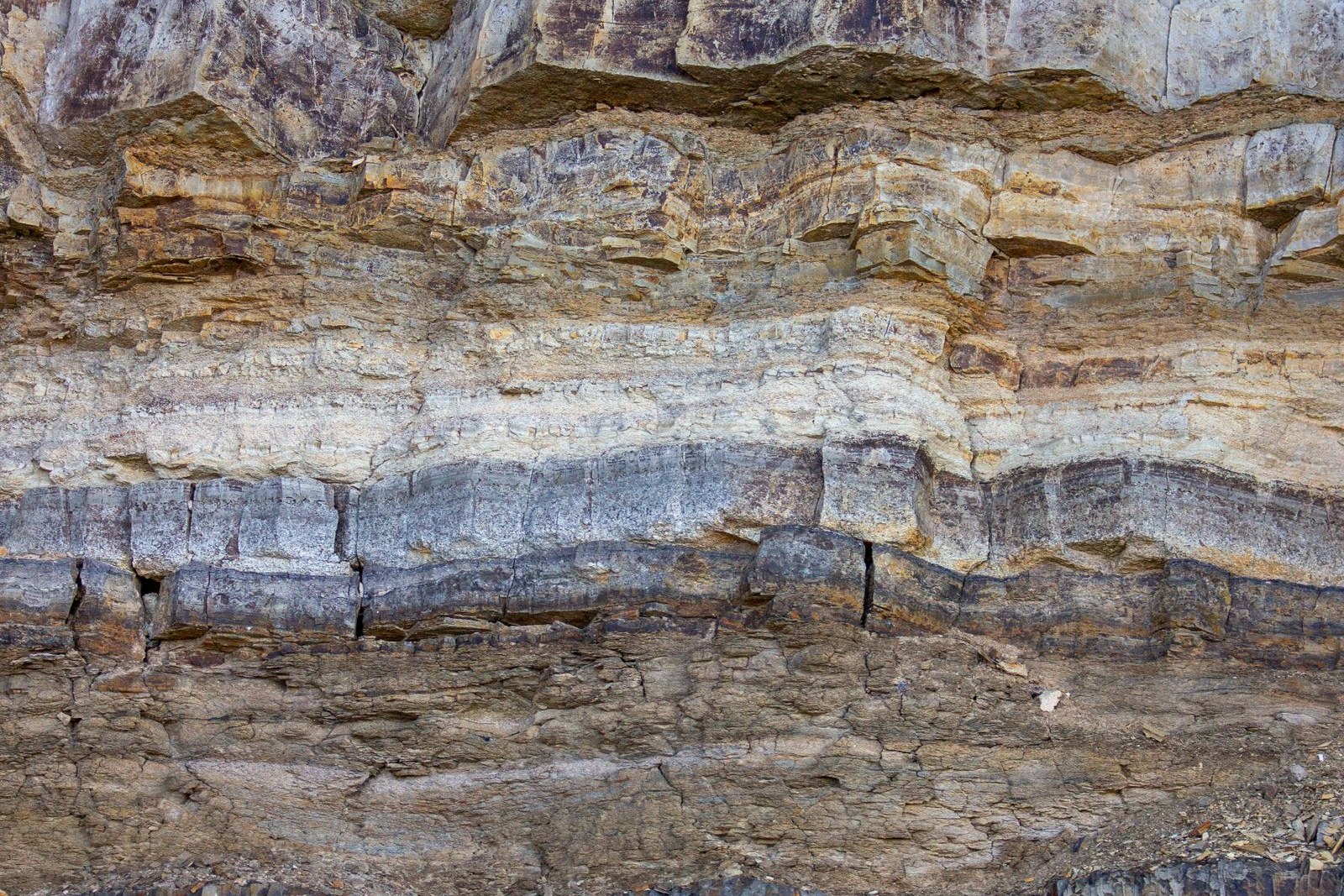
The rock is the story. Shidao is built mainly of late Pleistocene bioclastic limestone, greyish-white, made of well-sorted coral and shell fragments, and it is generally understood to be aeolian – wind-deposited, laid down as dunes and then hardened. Cross-bedding is visible almost everywhere, the slanting lines left by migrating sand, and the limestone alternates repeatedly with fossil soil layers, a pattern that records the wet and dry swings of the last glaciation. So the island is not a living reef that grew where it stands; it is a fossil dune field, a piece of cold, dry-climate history stranded in a warm sea. One clarification belongs with the stone: the only island in the Xisha that exposes volcanic breccia at the surface is Gaojianshi on the Dongdao Atoll, a different material altogether, so Shidao should not be folded into that description. Its rock is limestone, hard and greyish-white, and this is the one place in the group where the surface underfoot is stone rather than sand. Most of its surface is bare rock, which is exactly what its name says: the rock island, 石岛, Shidao.
For most of the modern record Shidao was a separate islet about 800 metres off Yongxing, reached across water. Then came a causeway and a small road; later came reclamation, and since the land works of 2013 and 2014 the two have been physically continuous, with Shidao passing from island to place name on a map. The rock itself looks the part: jagged outcrops stacked in layer upon layer of dark grey reef stone, each mass showing its rings in cross-section, which is the detail visitors’ accounts remember longest. Fishermen knew the island by the nickname Xiaomaozhu, and it also carries the older aliases Laolongtou, the old dragon’s head, and Xiaobadao. Two stele stand there – one a sovereignty stele inscribed with the words China, Xisha, Shidao above a map of China, and one a stone cut with the characters for the Xisha old dragon’s head. Like Yongxing, what is on the island is not for visitors.
Access is the correction this piece exists to make. Shidao is not open to ordinary visitors. It is joined to Yongxing Island, which the city’s own advice line says only people on official business may reach, and the same standing applies here; the travel platforms that list Shidao as a point of interest, sometimes at 0.00 yuan, are listing a map coordinate and not a destination. There is no ticket to buy and no channel to buy one through, and the island’s position inside a managed area means there is no prospect of one opening soon. Note, too, how the tourism writing about this place has to be read: a reporter once described visitors posing for photographs on the rocks, but a journalist’s sentence from a working visit is not a statement that the island is open, and no such statement exists.
The reason to hold on to Shidao is not that you will stand on it. It is that the highest point in the whole Xisha group, the summit of a scattering of islands and reefs spread over a vast sea, is a dune of hardened sand fifteen point nine metres tall – less than the height of a five-storey building, and lower than the roof of many a hotel on Hainan. Everything else out here is flat, and the archipelago’s one piece of high ground is also its one piece of stone, older than every other island around it. Seen from the water, Shidao reads as a grey shell of layered stone against the pale coral sand of the island beside it, which is what makes the difference in height legible at all. Yongxing is where the city governs; Shidao, joined to it, is where the archipelago’s geology and its greatest height are found. If you want to see the reefs and island shapes of the Xisha with your own eyes, the cruise route is the way, and the view of them from the water is the only view an ordinary traveller gets.
Practicalities
Tickets. There is no ticket and no purchase channel. Shidao is not open to ordinary visitors, and platform listings that show it at 0.00 yuan are map records rather than bookable products. As of October 2026, subject to change.
Opening hours. Not applicable. There is no public opening time for Shidao, since access is limited to people there on official or island-support business, and the island is physically joined to Yongxing Island, which is closed to ordinary visitors.
Closing day. No closing day, because there is no opening day; the island is simply outside public access. The alternative for seeing the Xisha’s reefs and island shapes is the cruise route, which gives a view from the water without a landing.
Getting there. Not available to ordinary visitors. Shidao is reached only as part of Yongxing Island, which the city’s advice service says is open solely to people on official business; there is no public transport, no ticket and no visitor landing. The cruise from Sanya Phoenix Island International Cruise Port is the practical route for a traveller who wants to see these waters.
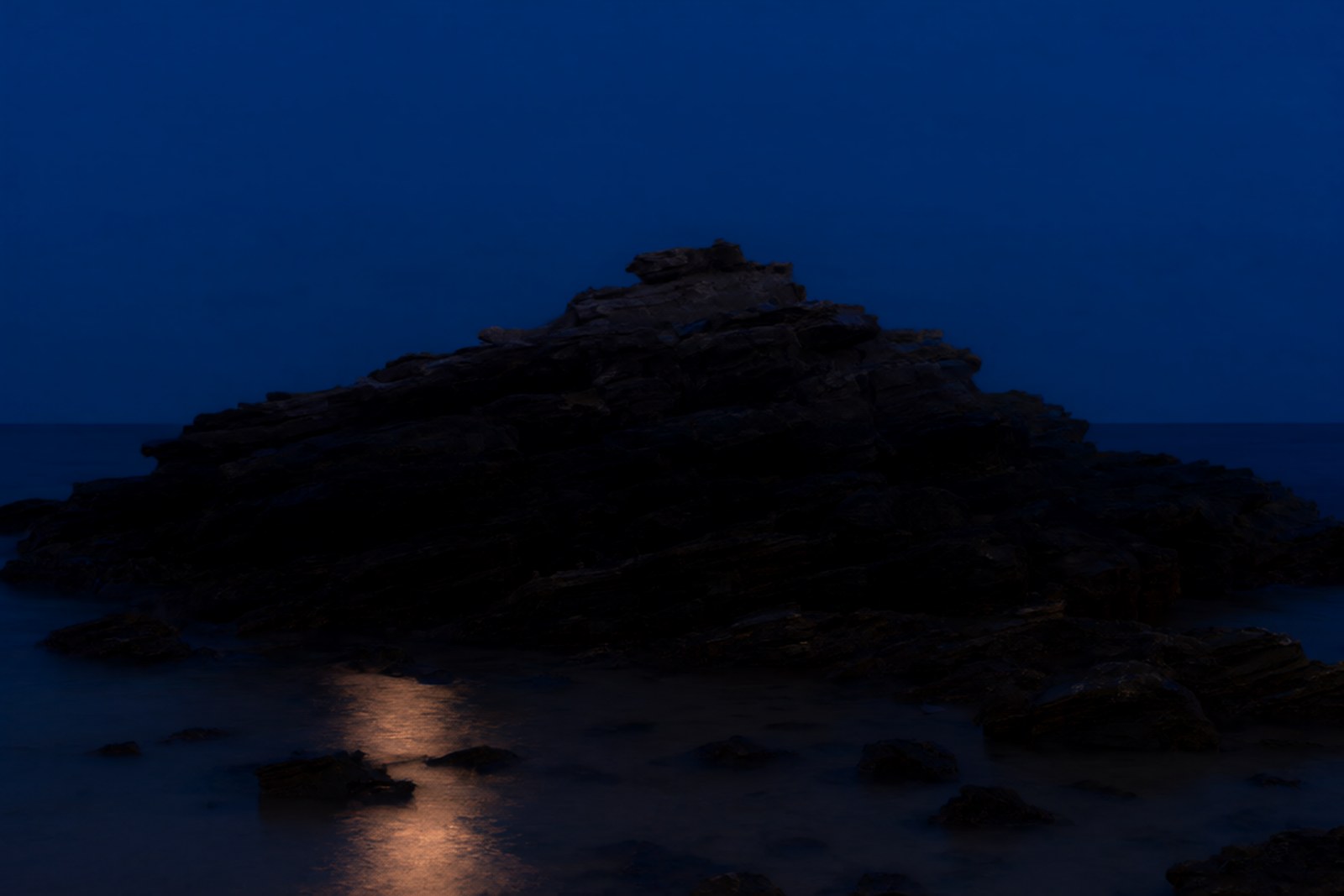
flowcloud would say that the tallest thing in the Xisha Islands is a heap of hardened sand, older than every living reef around it and off limits to everyone – and that an archipelago whose summit you cannot climb has found an unusually quiet way of keeping its own scale.
Getting there: Shidao is the only rock island in the Xisha Islands and the highest point there at 15.9 metres, on the Xuande Islands beside Yongxing Island, whose municipal advice line states that only people on official business may land; it is not open to ordinary visitors, there is no ticket, no public opening hours and no closing day because there is no opening day, and the practical alternative for seeing these reefs and island shapes is the Xisha cruise from Sanya Phoenix Island International Cruise Port, which passes the waters without landing (checked October 2026, subject to change).