
The hill is barely a hill, but the position is perfect. 石鼓山 Shígǔ Shān, Drum Rock, sits exactly where the 蒸水 Zhēng Shuǐ flows into the 湘江 Xiāng Jiāng, so from the terrace at the back of the academy you look out at two rivers meeting at different angles, one grey and one grey-green, with the city on both banks. Above you is a compound of halls and covered walks on the rock, and under your feet is a place that has been used for teaching for more than a thousand years. 石鼓书院 Shígǔ Shūyuàn, Shigu Academy, is one of the four great academies of the Song dynasty, alongside 岳麓 Yuèlù, 白鹿洞 Báilùdòng and 睢阳 Suīyáng, and it is free to enter.
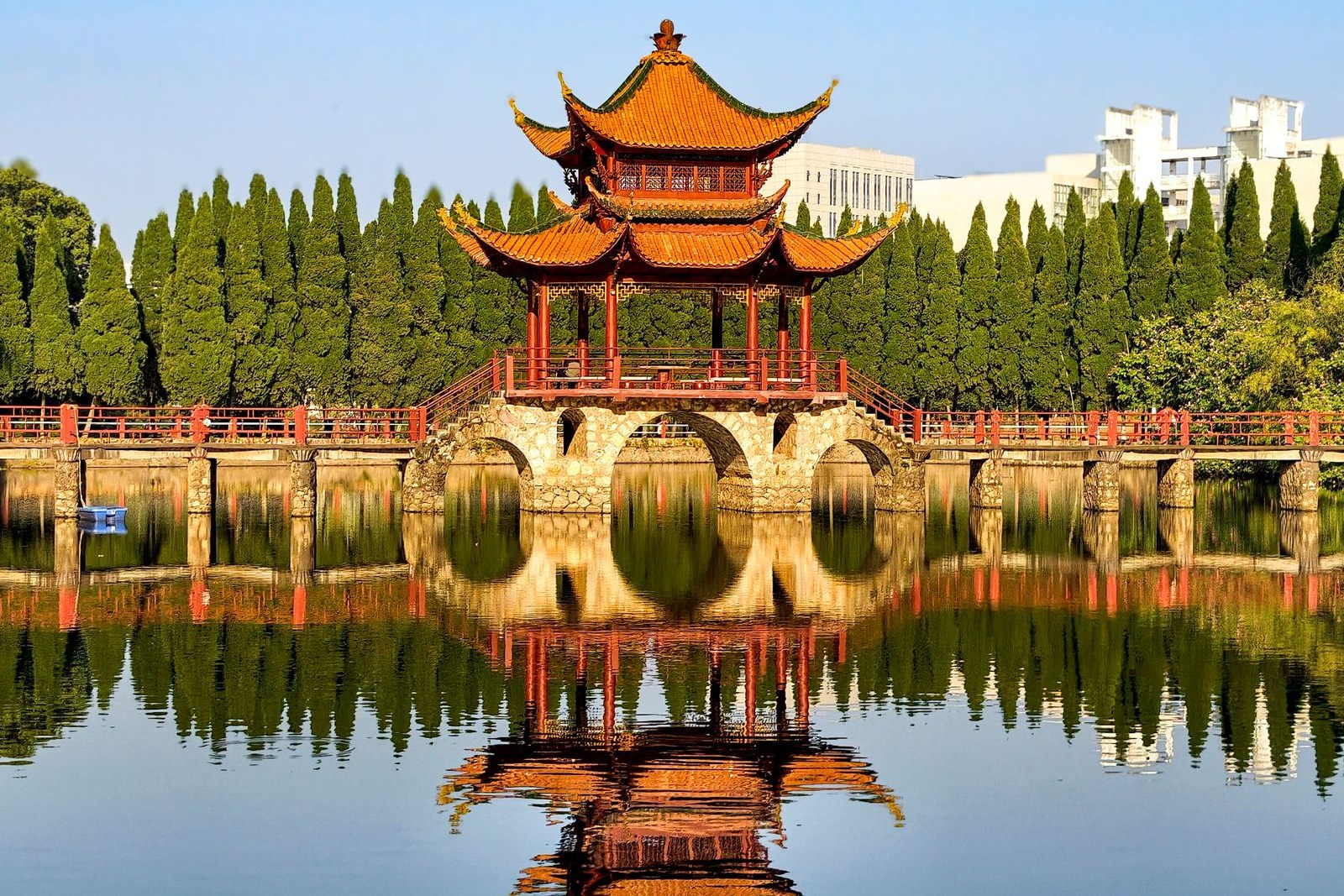
The history is genuinely long. A scholar named 李宽 Lǐ Kuān built a study hall here in 810, the fifth year of the Yuanhe reign of the Tang, and by 1035, the second year of the Jingyou reign of the Song, the emperor had granted the institution its name and its status. 朱熹 Zhū Xī, the greatest of the Song neo-Confucians, lectured here and wrote the 石鼓书院记 Shígǔ Shūyuàn Jì, the record of the academy, which was carved into stone; 张栻 Zhāng Shì taught here too; and 王夫之 Wáng Fūzhī, the philosopher known as 王船山 Wáng Chuánshān, who was born in Hengyang, is among those who studied within its influence. What stands today is a rebuild completed in 2006, since the original was destroyed in the war years and the site had been used for other purposes, and the reconstruction follows the surviving plans and images: 武侯祠 Wǔhóu Cí to Zhuge Liang, 李忠节公祠 Lǐ Zhōngjié Gōng Cí, 大观楼 Dàguān Lóu with its lecture rooms below and library above, 七贤祠 Qīxián Cí for the seven sages, and 合江亭 Héjiāng Tíng, the confluence pavilion, at the very point of the rock.
Practicalities
Tickets. There is no charge. Admission is free, and has been for years; you need to bring an ID card, because entry is by scanning it, and visitors without one fill in their details at the gate and enter on a printed or on-screen code. A car park beside the site charges around ¥5 an hour.
Opening hours. The academy opens at 08:30 and closes at 17:00. Allow one to two hours, which is enough for the halls, the steles and the view from the confluence pavilion without rushing. Spring and autumn are the comfortable seasons; midsummer on an unshaded rock is hot.
Closing day. The academy closes on Mondays, and Monday is therefore the day not to come. It is closed on that day every week rather than only in certain seasons.
Getting there. The site is at 湘江北路 Xiāngjiāng Běi Lù in 石鼓区 Shígǔ Qū, on the west bank in the centre of 衡阳市 Héngyáng Shì, next to 青草桥 Qīngcǎo Qiáo. Buses 103, 104 and 161 stop at 船山大桥 Chuánshān Dàqiáo, about a ten-minute walk away, and routes 105 and 106 stop closer to the academy itself. From either 衡阳站 Héngyáng Zhàn or the riverside hotels it is a short taxi ride. There is parking on site, though the approach roads are narrow and busy.
flowcloud would say that Shigu Academy is the best free hour in Hengyang, since the view from the back is worth the visit on its own and the building is a bonus on top of it.
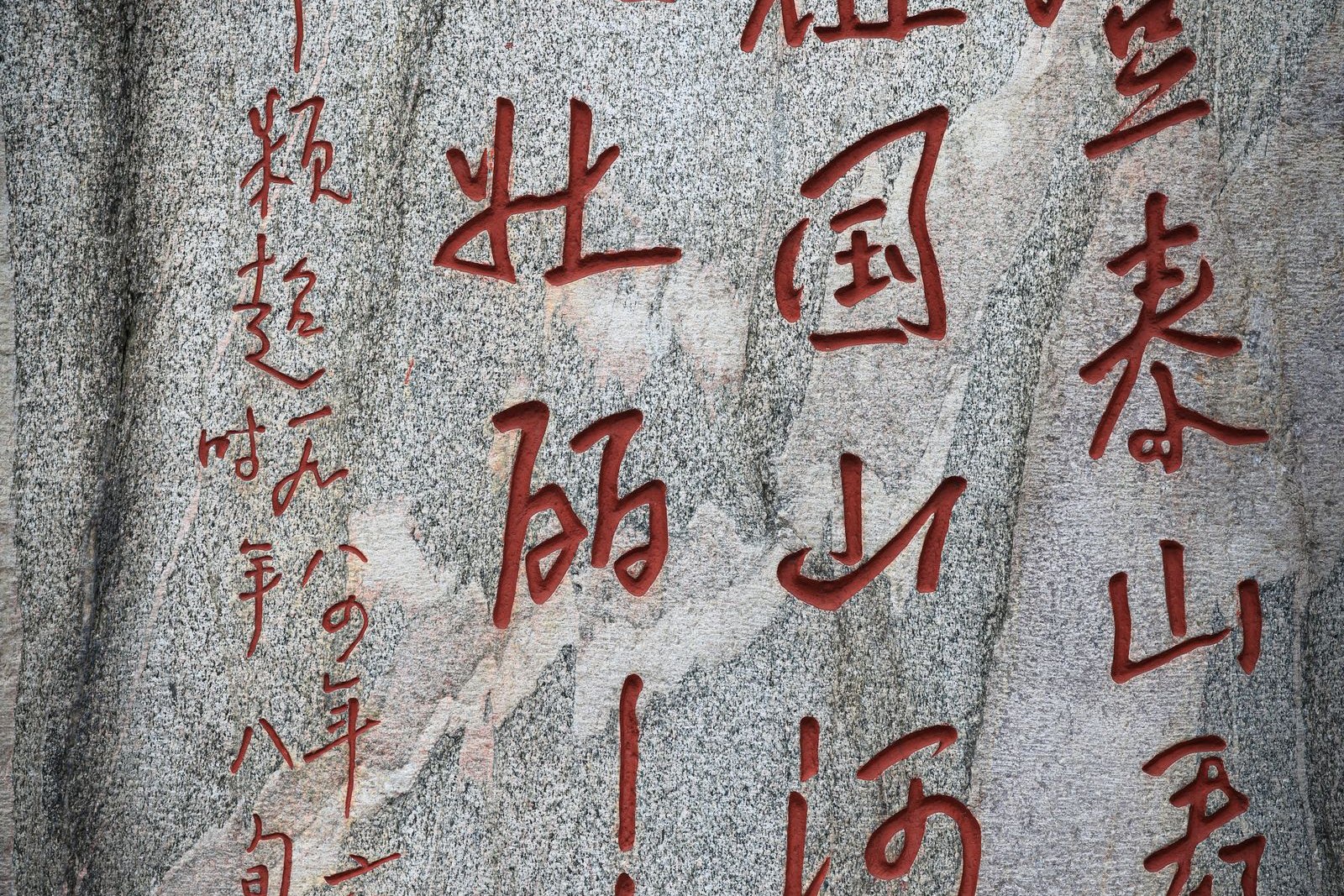
Getting there: enter from 湘江北路 Xiāngjiāng Běi Lù and work your way through in the order the site intends — the giant stone book, the seven sages’ statues, the 禹碑亭 Yǔbēi Tíng with its stele of unrecognisable characters, the stone drum, then the halls and finally 合江亭 Héjiāng Tíng at the water. The stele is the famous puzzle: the 禹王碑 Yǔwáng Bēi is written in a script nobody has convincingly deciphered, and a translation is displayed beside it for anyone who wants to try. Bring your ID, avoid Monday, and look for the two rivers from the back terrace — one of them carries a different colour, and on a good day the meeting line is visible.