
双江古镇 Shuāngjiāng Gǔzhèn, Shuangjiang Ancient Town, is the best-kept old river town of 潼南区 Tóngnán Qū Tongnan District, a grid of Ming and Qing lanes built where two waterways shape the land. The name means “double river,” and the town sits in country threaded by the 涪江 Fú Jiāng Fu River and its smaller companion, its streets laid out on a plan that still reads as a coherent old settlement rather than a scattered village. Stone flagstones, carved doorways and the high grey walls of courtyard residences give it the quiet density of a place that grew slow and stayed put. For travellers who know Tongnan only for the March flower sea, Shuangjiang is the district’s deeper draw: a working old town that has not been rebuilt into a stage set.
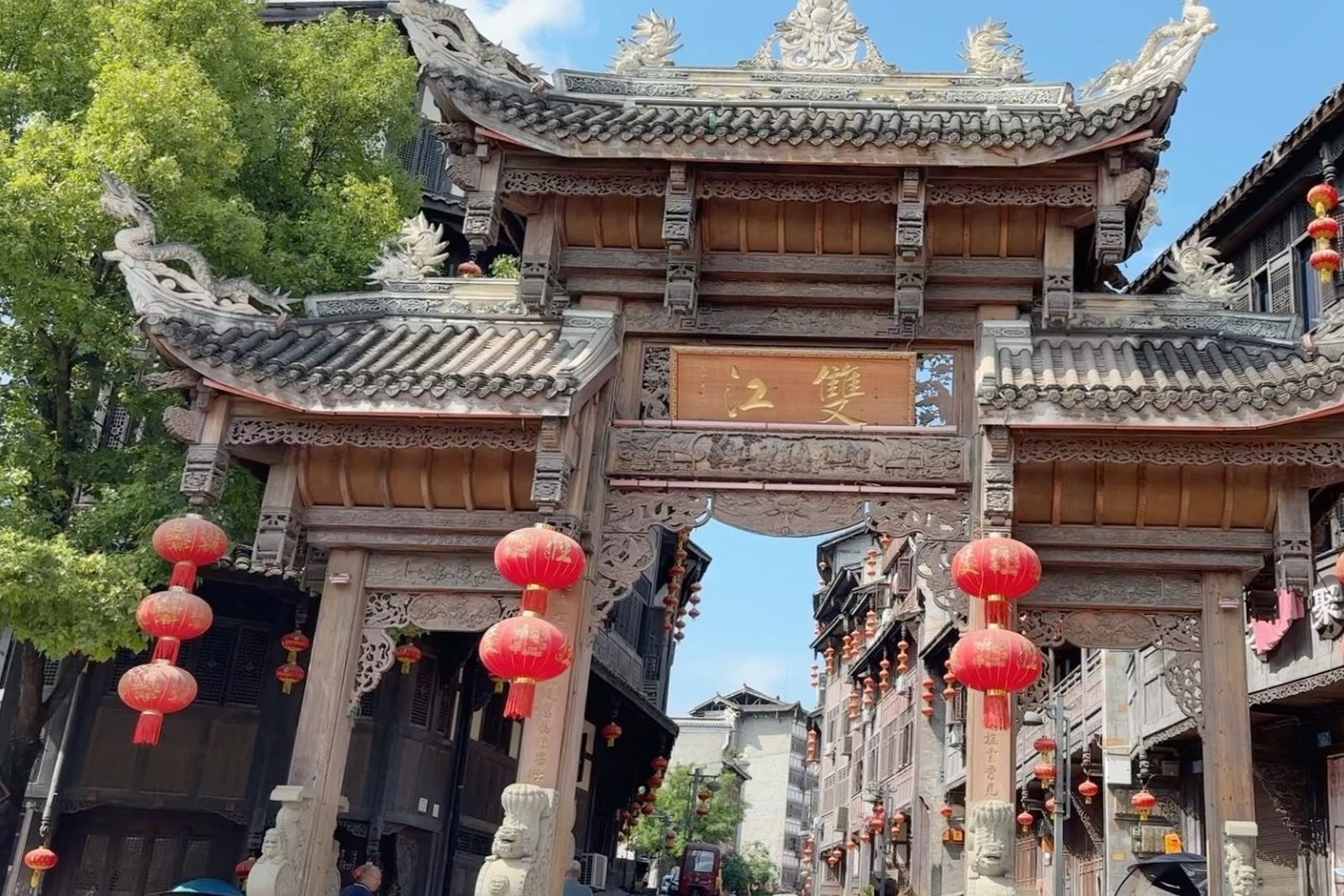
The town’s heart is its lanes and the residences behind them. The most noted is the 杨氏民居 Yángshì Mínjū, the Yang family residence, a large Qing-dynasty courtyard compound whose carved timber, stone bases and ordered rooms show the wealth and taste of a local gentry family. Shuangjiang is also the birthplace of the Yang brothers (杨氏兄弟), figures of the late Qing reform movement, and the family houses tell that story in their scale and preservation rather than in plaques alone. Because the grid survives intact, a walk connects one walled compound to the next without the gaps and modern intrusions that break so many “ancient towns” elsewhere, which is why locals call it one of Chongqing’s best-kept.
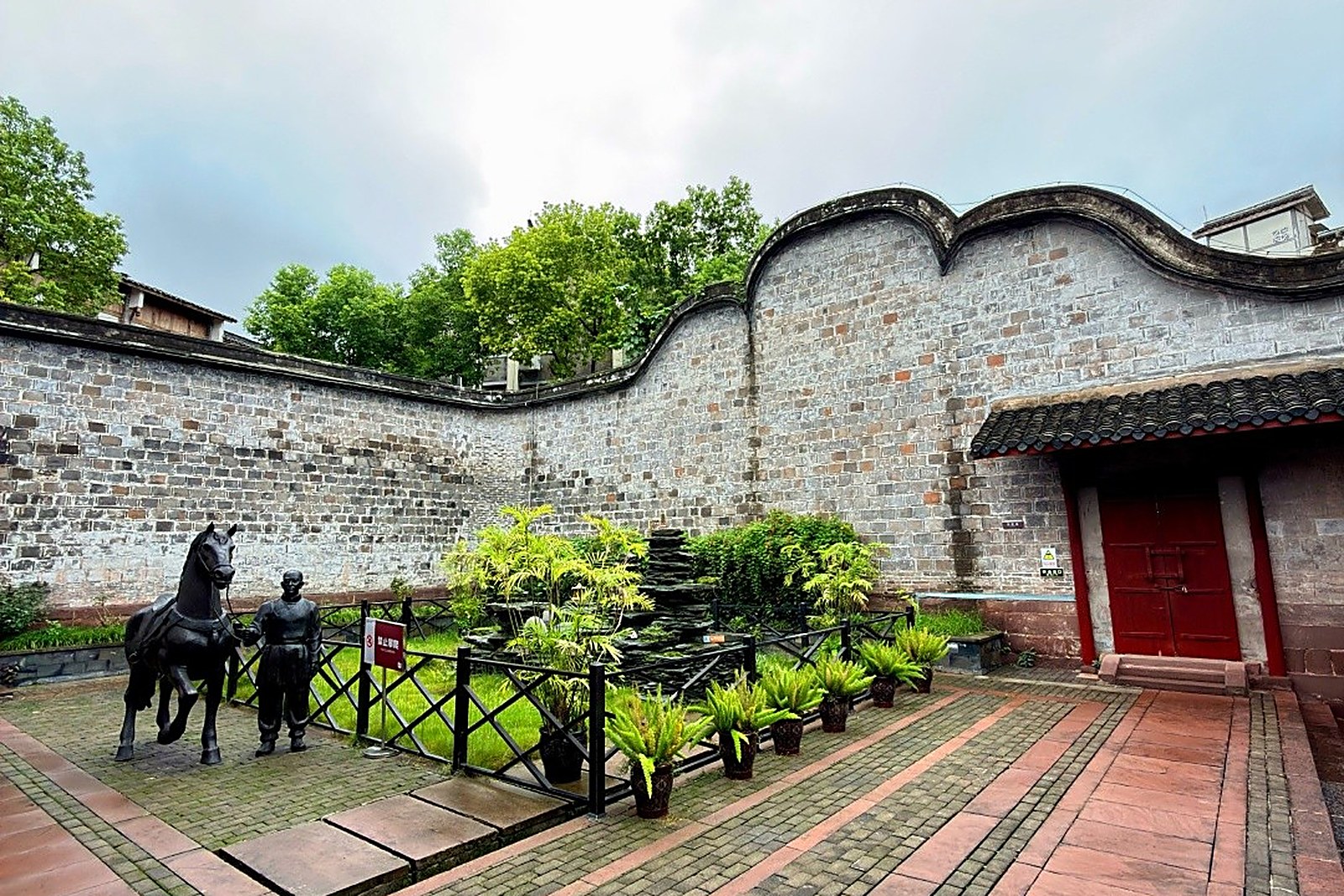
What makes Shuangjiang worth the trip is its honesty as a lived place. The lanes are still used by residents, not only by shops, and the courtyards are real houses rather than rented costume. Mornings belong to locals sweeping stone and carrying water; the tourist fringe is there but thin, and the deeper lanes keep the feel of a town that simply carried on. The 涪江 Fú Jiāng Fu River is never far, and the town’s fortune was always the river’s — a landing and a market where goods moved between the Chongqing hinterland and the lowlands. The restraint of Shuangjiang is that it shows its age plainly, without dressing the past in new paint.
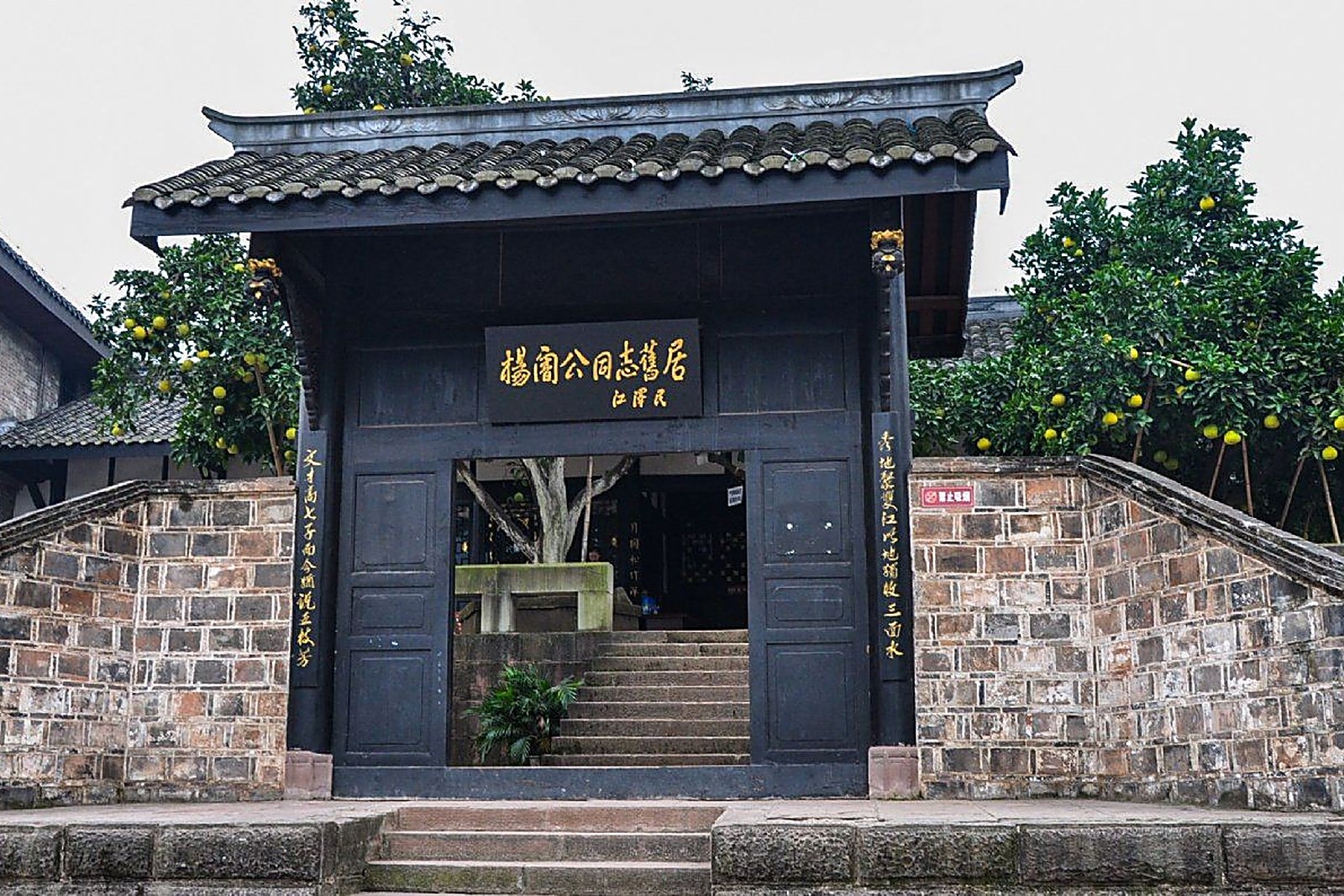
The old town rewards a wanderer. Go early to walk the lanes before the day warms and the few visitors arrive, look for the carved doorways rather than the main street shops, and take the Yang family residence slowly, since its rooms are the clearest window into the town’s gentry past. Because it is a lived town, respect the residents’ courtyards and photograph the architecture rather than intrude on private life.
Words and Names
潼南区 Tóngnán Qū is Tongnan District in northern Chongqing. 双江古镇 Shuāngjiāng Gǔzhèn is Shuangjiang Ancient Town, the district’s best-kept Ming-Qing river town whose name means “double river.” 涪江 Fú Jiāng is the Fu River that shapes the town’s country. 杨氏民居 Yángshì Mínjū is the Yang family residence, a large Qing-dynasty courtyard compound at the town’s heart. 杨氏兄弟 Yángshì Xiōngdì are the Yang brothers, late-Qing reform figures born in Shuangjiang.
What the Locals Know
Shuangjiang is a lived town, not a theme park, so the quietest and most authentic hours are early morning and late afternoon when residents are about their own business rather than the visiting hours. Locals say the deeper lanes and the courtyard residences reward slow walking far more than the main commercial street, and that the Yang family compound is best taken room by room rather than in a single pass. Because the town is genuinely occupied, dress and behave as a guest in someone’s neighbourhood, and do not treat private courtyards as open exhibits. No specific ticket price, homestay name or festival date is invented here; Shuangjiang is a preserved district old town rather than a gated attraction with one operator.
flowcloud would say that Shuangjiang Ancient Town is Tongnan’s best-kept Ming-Qing river town, a coherent grid of stone lanes and carved courtyard residences including the 杨氏民居 Yang family compound, the birthplace of the Yang brothers, lived-in and unstaged rather than rebuilt as a tourist set. All checked October 2026.
Where to find it: 双江古镇 Shuāngjiāng Gǔzhèn Shuangjiang Ancient Town lies in 潼南区 Tóngnán Qū Tongnan District, Chongqing, in the river country of the 涪江 Fú Jiāng Fu River, reached from the district town; its heart is the lane grid and the 杨氏民居 Yángshì Mínjū Yang family residence. No specific ticket office, address or homestay is invented here; the town is a preserved district settlement open as a lived old town rather than one named commercial venue. All checked October 2026.