
四面山 Sìmiàn Shān, the Simian Mountains, fill the far south of 江津区 Jiāngjīn Qū, Jiangjin District, and the national scenic area they carry has one image the district leads with: 望乡台瀑布 Wàngxiāngtái Pùbù, Wangxiangtai Falls, a single unbroken curtain of water dropping 158 metres off a scarred grey cliff into a green boxed gorge – the drop the province bills as the tallest of its kind in China, and the picture the whole district prints. The park arranges itself around the water: a plank road descends the gorge wall to a platform level with the base mist, side paths work the smaller cascades, and 龙潭湖 Lóngtán Hú Longtan Lake sits upstream as the quiet half of the itinerary. This page is written as the falls and the day around them.
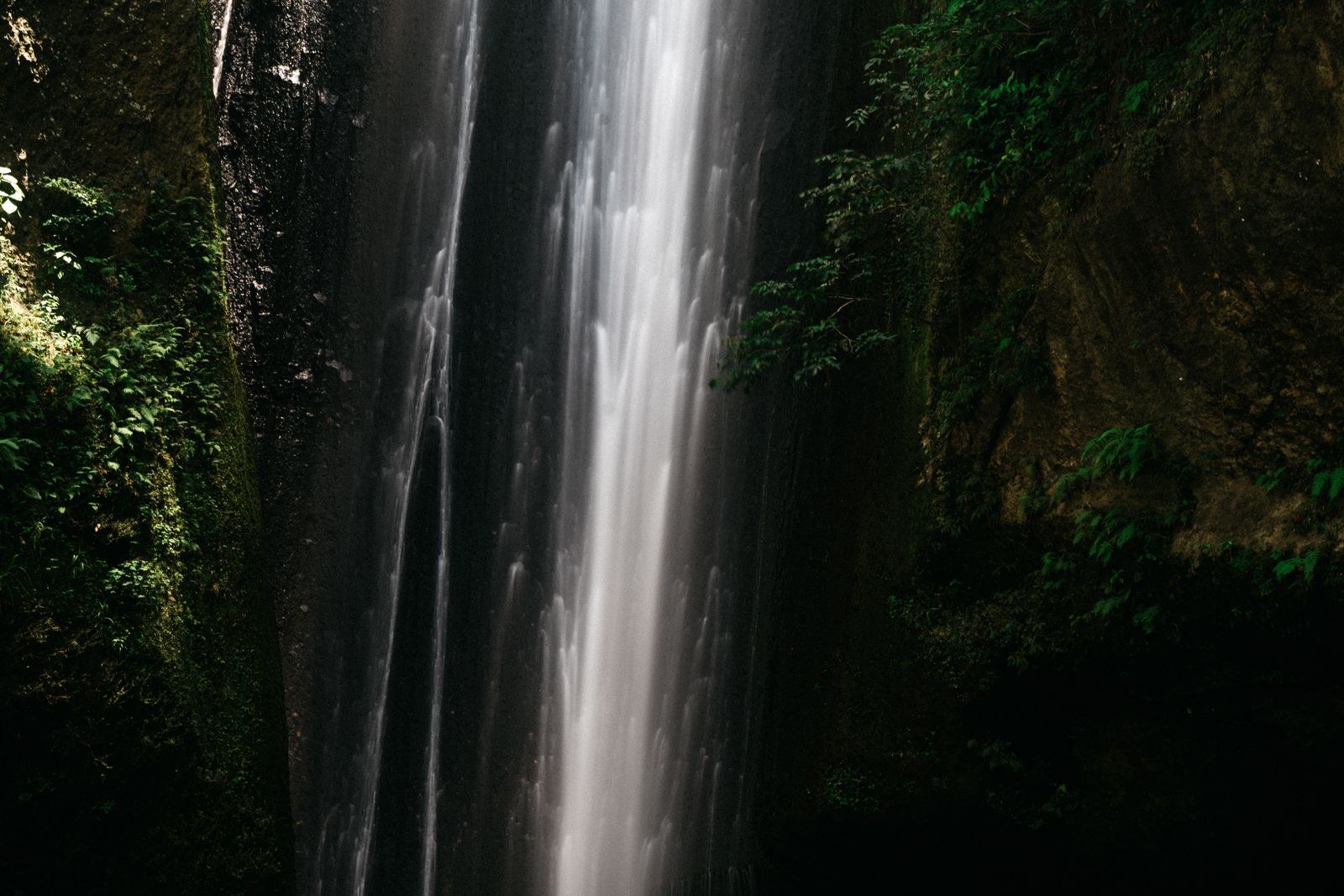
The number is the headline and the gorge is the reason it works. A 158-metre single drop needs a cliff that does not interrupt itself, and Wangxiangtai’s grey face falls clean from the lip to the boulder field, wide enough that the water arrives as a sheet rather than a thread in the wet season. The gorge below is boxed and green – vertical walls, forest crowding the rims – so the amphitheatre the platforms ring holds the sound: the fall is audible before it is visible, and the spray at the base keeps its own small weather. The province’s tallest-of-its-kind billing is the district’s own published claim, and the ground confirms it: the drop looks exactly as tall as advertised.
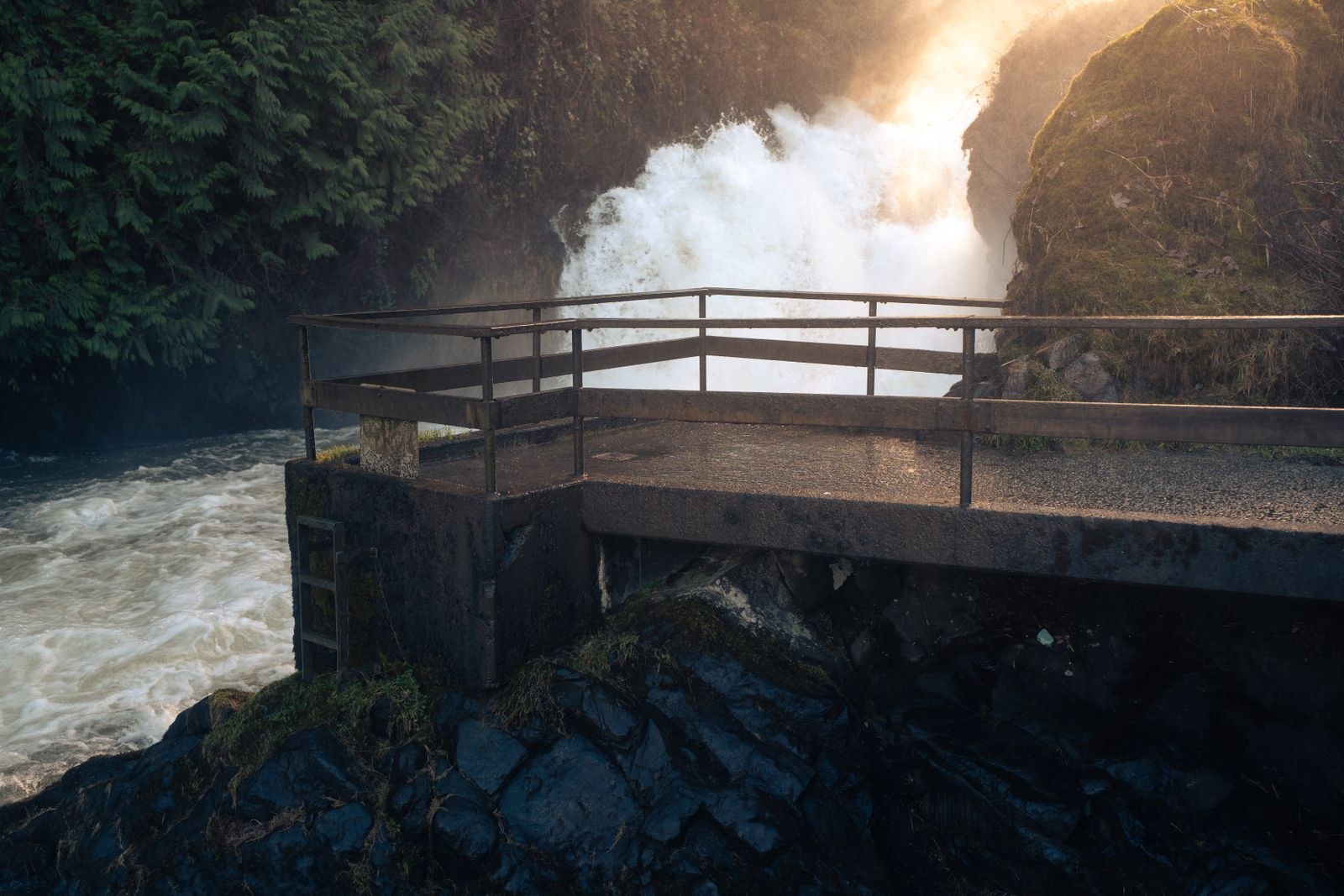
The flow is the mountain’s own, and the season writes the visit. Through the summer rains the fall runs swollen into a thundering sheet, the base mist standing over the platforms and the photograph turning into a study of white water and wet rock; in the dry months the curtain narrows to a ribbon that shows the cliff’s height honestly, every metre of it legible against the rock. The name does its own quiet work: 望乡台 means the terrace of gazing toward home, from the stepped shape of the rock, and the district has never been shy about the sentiment. The plank road is the engineering that makes the drop intimate – it descends the gorge wall to a platform level with the mist, so the visitor meets the fall from above, beside and below in a single circuit, which few waterfalls of this size allow.
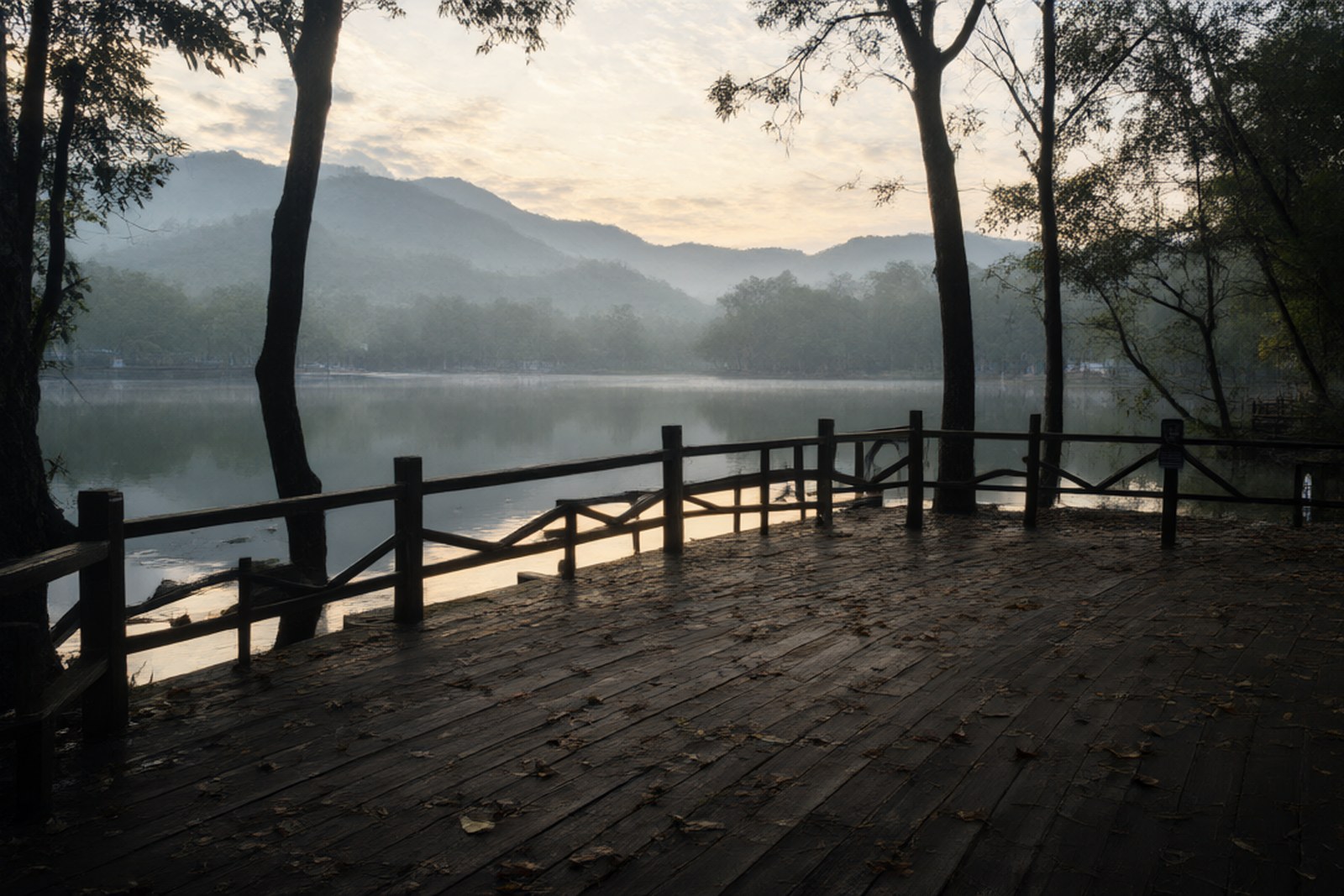
Longtan Lake is the quiet half of the day. Upstream of the falls the park spreads into a still, forest-ringed lake where the water stands green between wooded points, and the park’s paths work the shoreline on the same plank-road discipline. The honest itinerary runs the lake in the early quiet, the falls at mid-morning light, and the smaller cascades of the side gullies as the legs that stitch the loop together. The advice the district’s own material repeats is this page’s too: come early, because by late morning the coach parties own the base platforms, and the mist photograph belongs to the first hour of the day.
What the record supports is the falls, the 158-metre figure, the province’s tallest-of-its-kind billing, the plank road and its base platform, the lake, the side cascades and the name’s meaning; what it does not support is any posted ticket figure, shuttle tariff or hourly schedule, and none is invented here – the scenic area posts its own rates and seasons, and the page leaves the reader to them. The shape of the day needs no numbers: a big-water morning, a lake afternoon, and the drive down the mountain roads before dark.
Words and Names
四面山 Sìmiàn Shān, the Simian Mountains, a national scenic area in southern 江津区 Jiāngjīn Qū, Jiangjin District, whose headline sight is 望乡台瀑布 Wàngxiāngtái Pùbù, Wangxiangtai Falls: a single-drop waterfall of 158 metres, billed by the province as the tallest of its kind in China, pouring off a grey cliff into a green boxed gorge. A plank road descends the gorge wall to a platform at the base mist; side paths work the smaller cascades; 龙潭湖 Lóngtán Hú Longtan Lake lies upstream as the still half of the itinerary. The name means the terrace of gazing toward home, from the stepped shape of the rock. No ticket figure, shuttle tariff or hourly schedule is on the record consulted, and none is invented here.
What the Locals Know
The local knowledge is the hour and the weather. The falls photograph best in the first light after rain, when the flow is up and the mist still stands over the platforms; the locals drive up from the district seat for exactly that window and are down the mountain before the coaches turn in. The second piece is the dry-season trade: the thinner ribbon flow is the local’s favourite, because the cliff reads at full height and the gorge is quiet enough to hear the water land. The lake is the afternoon’s retreat when the platforms fill, and the plank road is wet work – real shoes, and a dry bag for anything electrical. What the record does not carry is any schedule worth quoting, and the page declines one; the weather and the hour are the whole timetable.
Practicalities
Tickets: Wangxiangtai sits inside a ticketed national scenic area – the 四面山 gate charges for the park as a whole, and the posted price is not quoted here because no figure survives in the record consulted. The plank road, the base platform and the lake shore paths all sit inside that gate; the honest statement is the qualitative one, a ticketed scenic area with its rate card posted at the gate, and the page declines the number rather than inventing one.
Opening hours: Daylight hours as the working norm – the gates run the visiting day, the plank road is a daylit walk, and the mist photograph belongs to the first hour after opening, which is the advice the whole page repeats. No posted hours table is on the record consulted; the honest clock is the season’s, with the summer wet-season sheet and the dry-season ribbon the two shows the fall performs.
Closing day: None posted – a headline scenic area of this rank does not close its weeks, and no published rest day is on the record consulted. The real limit is the weather: thunderstorms shut the exposed plank road and the gorge platforms for the duration, the district says so on its own notices, and a wet day in the Simian Mountains is a postponed itinerary rather than a cancelled one.
Getting there: The falls are deep in the 四面山 Sìmiàn Shān national scenic area in southern 江津区 Jiāngjīn Qū, Jiangjin District – reached by mountain road from the district seat, or from the Chongqing side by the expressway run south and the climb into the park; self-drive is the norm and the scenic coaches take the gate-to-sight legs, and no timetable or fare is on the record consulted, so none is invented here.
flowcloud would say that Wangxiangtai Falls is the district’s headline in water – a 158-metre single drop in the 四面山 Simian Mountains, billed the tallest of its kind in China, met from every height on a plank road that descends the gorge wall to the base mist, with 龙潭湖 Longtan Lake as the still half of the same day – and that the correct visit is the first hour after rain, because the mist photograph belongs to early and the platforms belong to the coaches after it. All checked October 2026.