
Where Old China Keeps Its Keys: Songyang’s Ancient Villages
黄墙黛瓦云雾里,一村灯火百年松 Huáng qiáng dài wǎ yúnwù lǐ, yī cūn dēnghuǒ bǎi nián sōng – Yellow walls and black tiles inside the mist; one village’s lamps light pines a hundred years old
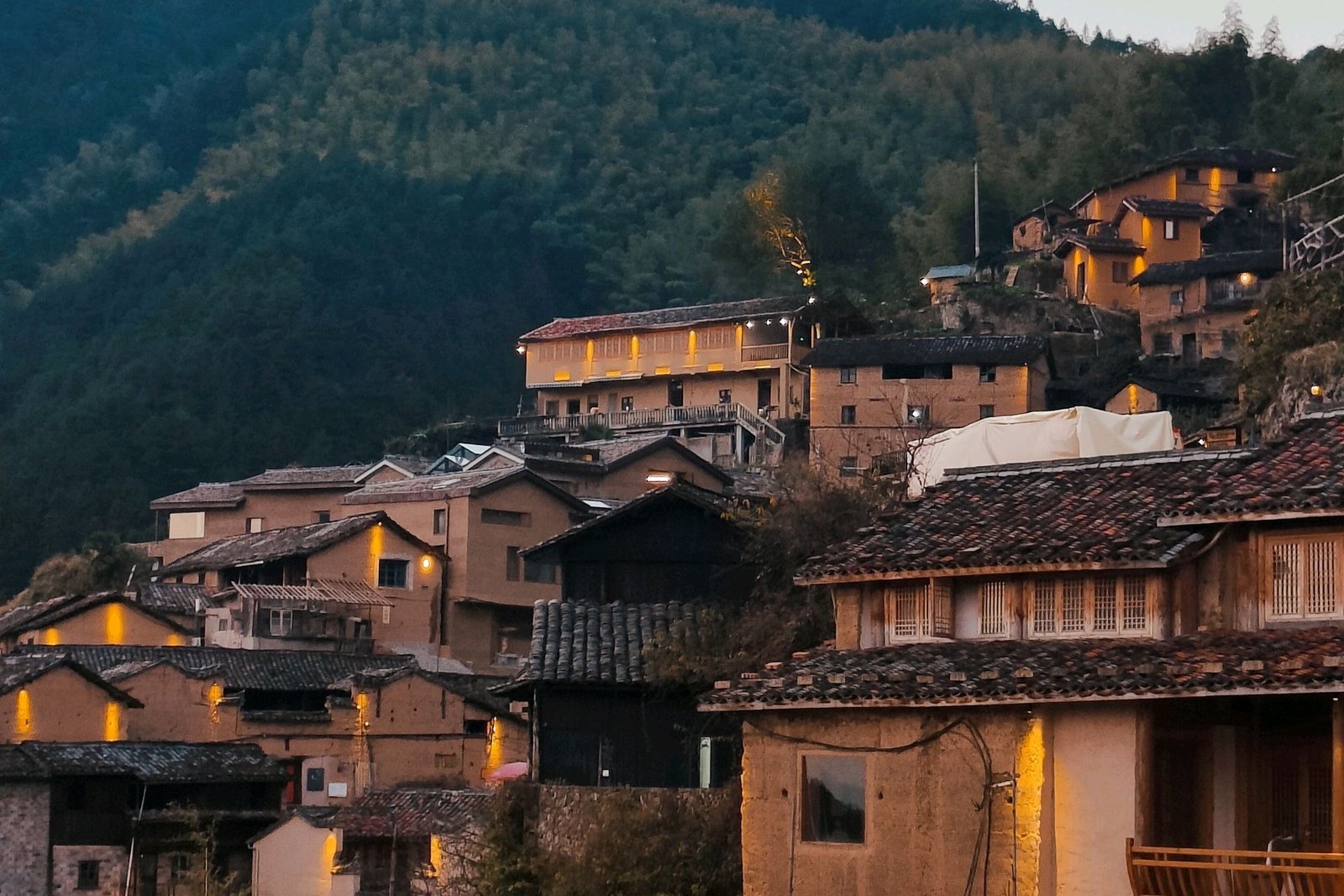
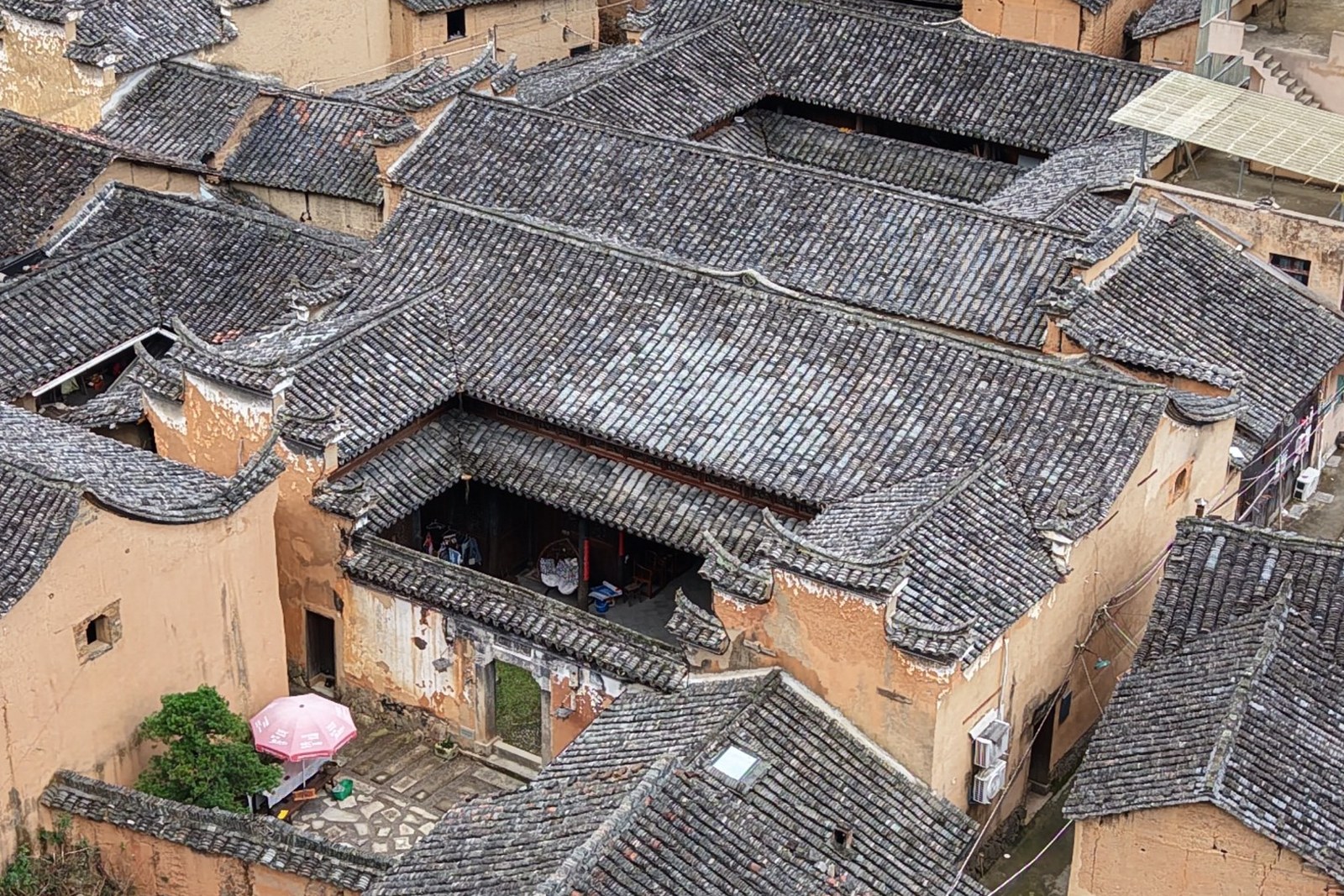
正文:松阳古村落 Sōngyáng Gǔcūnluò the ancient villages of Songyang county are the densest surviving constellation of traditional settlements in East China – more than a hundred intact villages scattered across the tea hills around 丽水市 Lìshuǐ Shì Lishui City, so complete that preservationists call the county “the last secret realm of Jiangnan.” The catalog reads like a genre survey: 杨家堂村 Yángjiātáng Cūn Yangjiatang, its golden terraced houses stacked amphitheater-style until dusk sets the whole wall of dwellings glowing; Xikeng, hanging over a cloud sea at 640 meters; Chenshangpu, where the bookseller Pioneer carved a bookstore into a restored clifftop farmhouse and readers now cross the fog to reach it. Down in the county seat, the Ming-Qing old street still runs on working trades – blacksmiths at the forge, herbalists behind hundred-drawer cabinets, brown-sugar shops cooling slabs on stone tables.
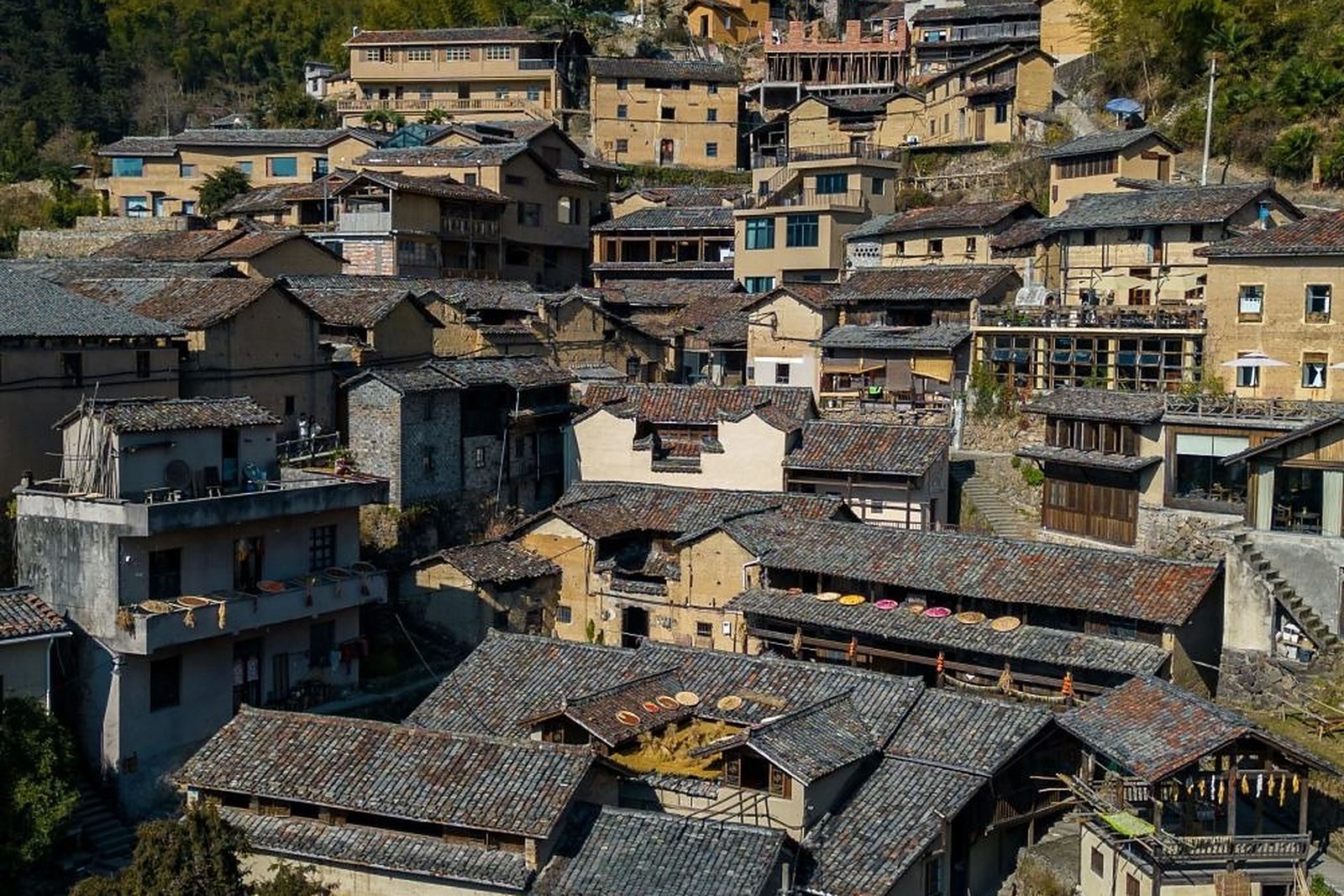
Yangjiatang at golden hour is the county’s signature image: thirty stepped courtyards climbing one slope in gold-plastered terraces, alleys threading upward between them, and the evening sun striking the whole village amber at once. Locals still live and dry chili on the walls – the photograph comes with real life attached.
The old street of Songyang town is the villages’ working heart: smithies hammering by hand, bamboo-weavers, herbal medicine shops and teahouses where farmers station their bamboo hats at the door. Nothing here performs for visitors – the trades survived because the county never rebuilt, and that unbroken normality is exactly what travelers come to stand inside.
Village-hopping is the plan: rent a car or hire a local driver, pick three or four per day, and save one village for fog – any of the high hamlets after rain will do, since the mist that gives the hills their name also redraws them hourly. Tea is Songyang’s cash crop; every village table offers the spring harvest, and guesthouses in restored farmhouses fill the hills for those who overnight in the mist.
Practicalities
Beyond the hundred villages, the same 丽水市 Lìshuǐ Shì Lishui City keeps more places worth the detour: 缙云仙都 Jìnyún Xiāndū the immortal pillar of Xiandu, 云和梯田 Yúnhé Tītián the mirror terraces of Yunhe, 庆元廊桥 Qìngyuán Lángqiáo the roofed bridges of Qingyuan, or 遂昌金矿 Suìchāng Jīnkuàng the gold-mine tunnels of Suichang – four more doors into the same 丽水市 Lìshuǐ Shì Lishui City. Once the villages have shown their lanes, our Lishui food map fills the table.
Practicalities
Words and Names
flowcloud would say Songyang is China’s own spare keys: a county that never threw the old villages away, a street where the smith still strikes, and golden houses stacked like a promise kept for six centuries. All checked November 2026.
Getting there: Songyang’s villages scatter across the county’s hills – the old street sits in the county town, the famous hamlets (Chenjiapu, Yangjiatang) need a car or local bus up winding roads, and tea harvest season brings the hills to life; allow a full day for two or three villages. All checked November 2026.