
Songzhuang Art Village: China’s Largest Community of Original Artists, the Gallery-and-Museum Cluster and the Painter Village of Tongzhou District, Beijing
小堡村中皆画笔,寻常巷陌有丹青。Xiǎobù cūn zhōng jiē huàbǐ, xúncháng xiàngmò yǒu dānqīng – In Xiaopu village every hand keeps a brush; the plainest lanes keep their own colours.
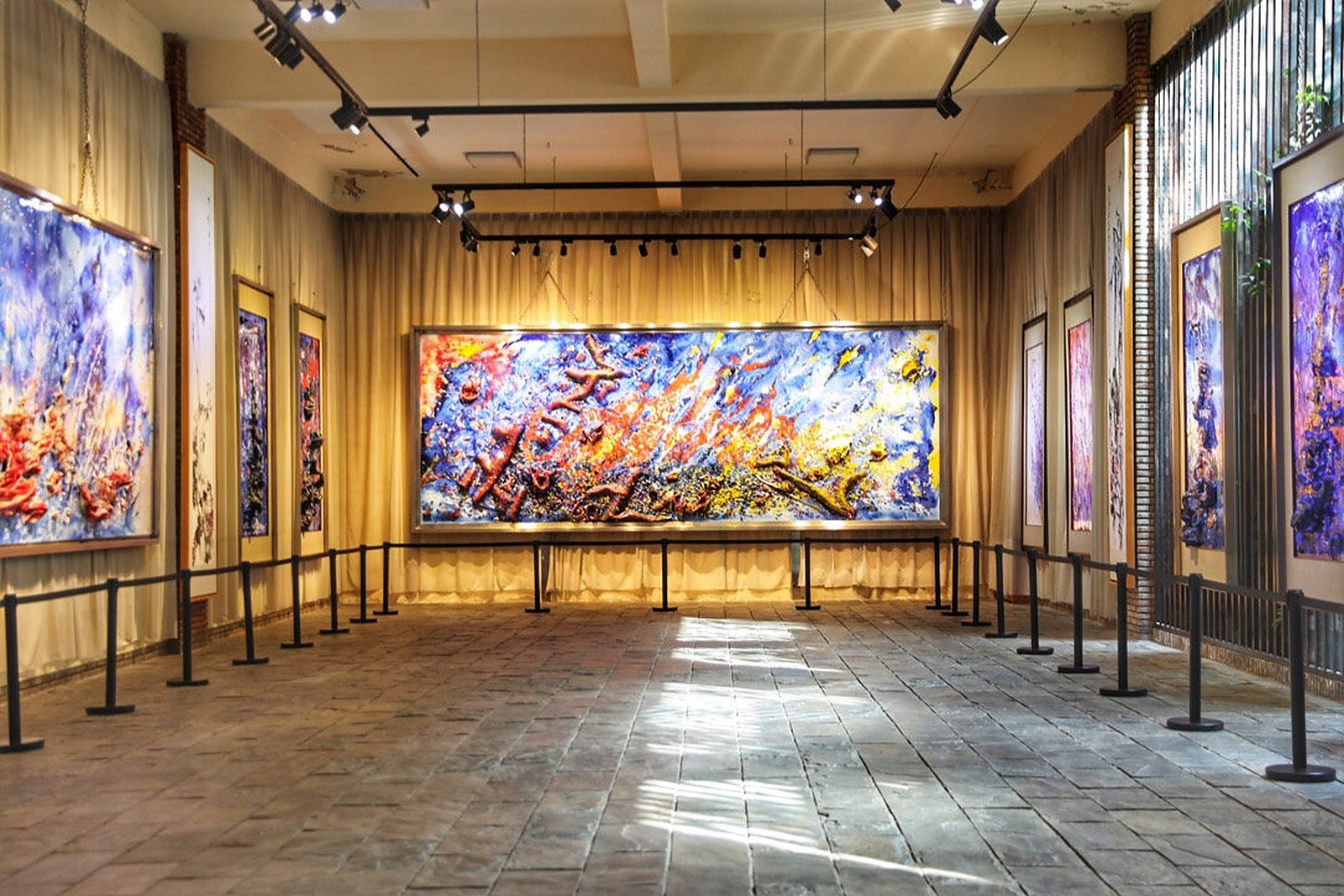
宋庄艺术区 Sòngzhuāng Yìshùqū the Songzhuang Art Area is not one museum with a café — it is, plainly put, a working town of artists: a scatter of villages in northern 通州区 Tōngzhōu Qū Tongzhou District, Beijing, centred on 小堡村 Xiǎobù Cūn Xiaopu village, where thousands of painters, sculptors, photographers, film-makers, musicians and designers of the independent kind live, work and show — counted since the 2000s as the largest community of original artists in China, and by many counts the largest such congregation anywhere. The story begins in the early 1990s, when the 圆明园画家村 Yuánmíngyuán Huàjiācūn, the painters’ village by the old Summer Palace in the city’s north-west, came under pressure; the first artists rented farmhouses in Xiaopu in the winter of 1993, and from 1994 the painter 方力钧 Fāng Lìjūn and the critic 栗宪庭 Lì Xiàntíng led the migration that, once the Yuanmingyuan village dissolved in 1995, made Songzhuang the mainland’s capital of the free artist. What grew since is a diffuse campus of studio courtyards, galleries and museums — the 宋庄美术馆 Sòngzhuāng Měishùguǎn Songzhuang Art Museum of 2006, the 上上国际美术馆 Shàngshàng Guójì Měishùguǎn Shangshang International Art Museum and a crowded list of others — threaded by painted walls, sculpture yards, art-supply shops and the annual 中国·宋庄文化艺术节 Zhōngguó Sòngzhuāng Wénhuà Yìshùjié culture and art festival. What you actually visit is a village-scale art ecology you wander, not a ticketed attraction you complete.
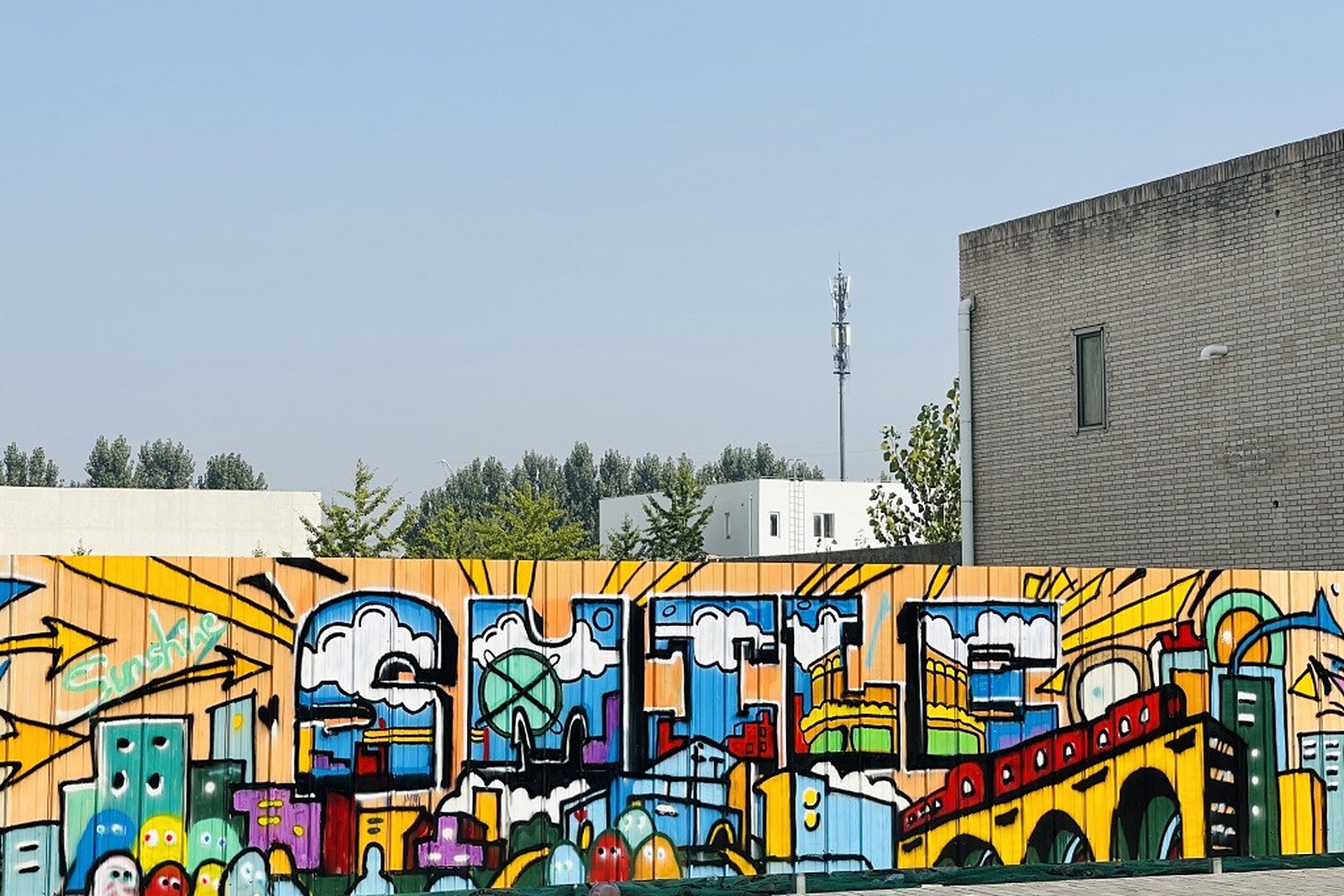
Call it honestly: there is no gate, no ticket and no map that stays true for long — galleries open, close, move and are reborn with the market’s moods, and the honest visit is a wandering one. The core circuit runs through Xiaopu village: the museum anchors, the gallery rows along the main streets, the studio courtyards by appointment, the cafes and bookshops between (worth confirming the details for which museums and exhibitions are currently open, as hours are idiosyncratic and some spaces ask for appointments or small fees). Weekdays are quiet enough to talk with working artists; festival season in autumn brings the crowds, the shows and the street theatre. Eat where the painters eat — the village noodle shops are part of the ecology — and buy nothing you cannot afford to love. Give the place half a day at least: distances are village-sized but the looking is slow.
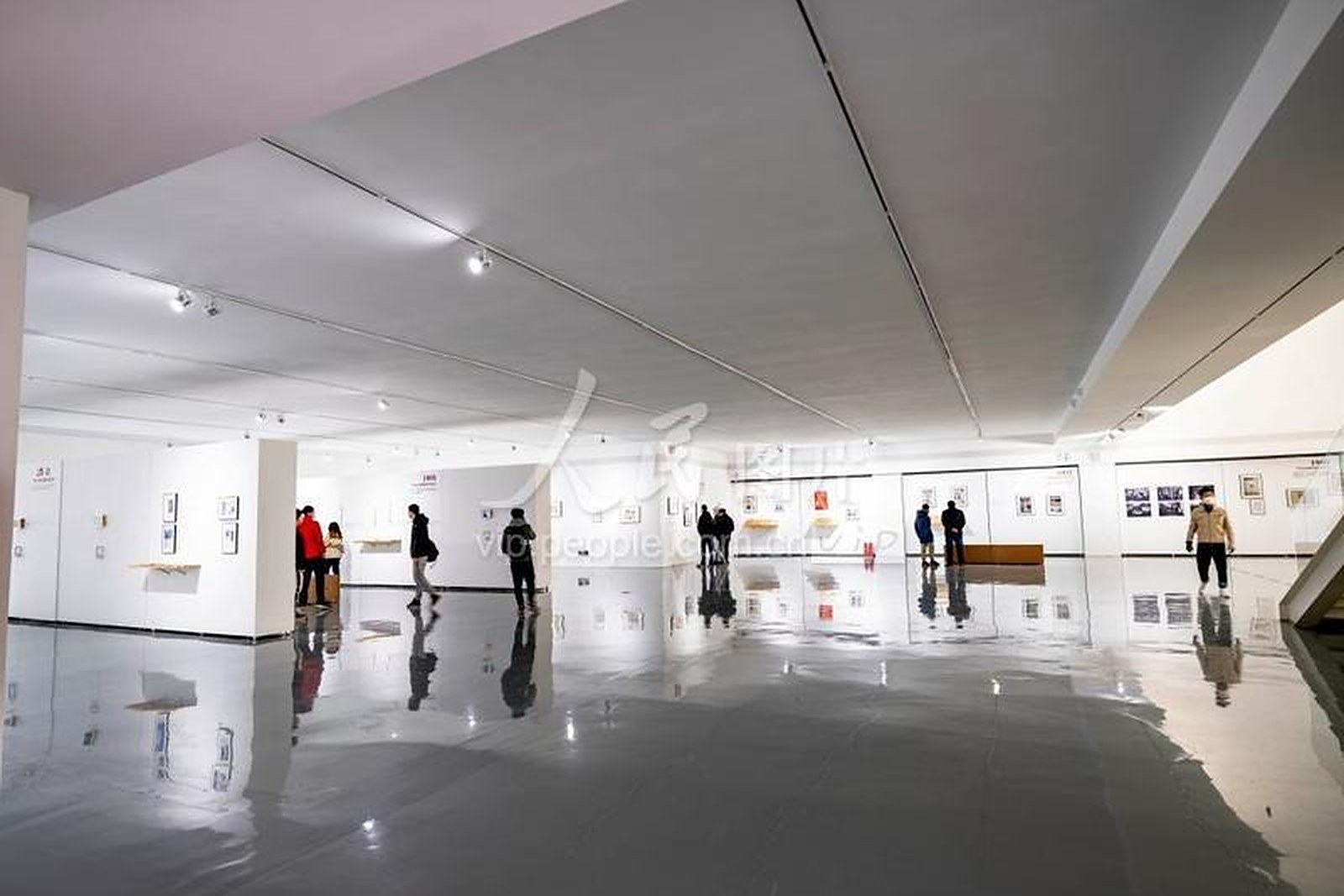
The honest star is the density itself — studio courtyards where canvases dry in the yard, kilns and printing presses sharing lanes with maize-drying farmers, the oldest self-built museum halls standing beside new glass boxes — not any single masterpiece. What gets oversold is the “China’s largest” superlative read as a polished art-mall: Songzhuang remains half working village, half art quarter, its charm granular and sometimes scruffy, its openings as likely to be a courtyard supper as a white-cube night (worth confirming the details for what is showing while you are there). What repays the effort is the history you can still touch — the farmhouse courtyards of the 1994 firstcomers, the museum that a village committee built in 2006 with the critic 栗宪庭 Lì Xiàntíng as its first director — and the chance to watch work being made rather than merely sold. Come for the layering of the place: village, then courtyard, then canvas.
The self-aware postscript: I ducked into an open studio gate to escape a squall and found the painter inside equally shelter-bound; he poured tea, turned his laptop around to show the portrait he was fighting, and said, “in the city I would be alone in a flat — here the village criticises me for free”. That is the visit in miniature. 宋庄艺术区 Sòngzhuāng Yìshùqū suits whoever treats it as an afternoon of working studios first and a gallery crawl second — wander, knock, talk, drink tea — and exhausts anyone expecting the signage-and-audio-guide order of a state museum. Everything else on this Tongzhou list lies within a district drive: the canal-bank woods of 大运河森林公园 Dàyùnhé Sēnlín Gōngyuán, the cloud-reaching 燃灯佛舍利塔 Rándēng Fó Shèlì Tǎ in the old town, the replanted grounds of 城市绿心森林公园 Chéngshì Lǜxīn Sēnlín Gōngyuán, and the big-stage rides of 北京环球度假区 Běijīng Huánqiú Dùjiàqū — all in the same 通州区 Tōngzhōu Qū, which keeps the capital’s oldest pagoda and its newest artists in one pocket.
Practicalities
- Rating: ★★★☆☆ — China’s largest original-artist community and a genuine art ecology, but rough-edged and self-curated; the studio courtyards and the 2006 Songzhuang Art Museum outrank the souvenir walls; go with curiosity, not a checklist.
- Tickets: No gate and no ticket — the villages are open ground; individual museums and galleries keep their own hours, some free and some charging small fees or requiring appointments (worth confirming the details for current openings, festival dates and appointment rules).
- Address: 宋庄艺术区 Sòngzhuāng Yìshùqū, centred on 小堡村 Xiǎobù Cūn, 宋庄镇 Sòngzhuāng Zhèn, northern 通州区 Tōngzhōu Qū, Beijing.
- Time needed: Half a day for the Xiaopu core — museums, gallery rows, a studio visit; a full day adding outlying courtyards and the cafes at festival pace.
Words and Names
宋庄艺术区 Sòngzhuāng Yìshùqū Songzhuang Art Area · the townscape of villages turned artists’ quarter 小堡村 Xiǎobù Cūn Xiaopu Village · the core village where the community began 圆明园画家村 Yuánmíngyuán Huàjiācūn Yuanmingyuan Painters’ Village · the city-side predecessor whose dispersal seeded Songzhuang 栗宪庭 Lì Xiàntíng Li Xianting · the critic who moved here in 1994 and led the first museum 方力钧 Fāng Lìjūn Fang Lijun · the painter among the 1994 firstcomers 宋庄美术馆 Sòngzhuāng Měishùguǎn Songzhuang Art Museum · the village-committee museum of 2006 上上国际美术馆 Shàngshàng Guójì Měishùguǎn Shangshang International Art Museum · the big self-built international hall of 2008 中国·宋庄文化艺术节 Zhōngguó Sòngzhuāng Wénhuà Yìshùjié China Songzhuang Culture and Art Festival · the annual autumn fixture since 2005
flowcloud would say that 宋庄艺术区 Sòngzhuāng Yìshùqū is a village that became an art world — farmers’ courtyards in 小堡村 Xiǎobù Cūn rented from the winter of 1993 by painters fleeing the 圆明园画家村 Yuánmíngyuán Huàjiācūn, the 1994 arrival of 方力钧 Fāng Lìjūn and 栗宪庭 Lì Xiàntíng, and three decades of growth into China’s largest community of original artists with its 宋庄美术馆 Sòngzhuāng Měishùguǎn of 2006, the 上上国际美术馆 Shàngshàng Guójì Měishùguǎn, a gallery crowd and the 中国·宋庄文化艺术节 Zhōngguó Sòngzhuāng Wénhuà Yìshùjié each autumn — and that the honest move is a weekday wander with appointment messages sent ahead, because there is no gate, museum hours are idiosyncratic and spaces turn over with the market (worth confirming the details), the largest-community superlative is the poster half and the courtyard tea with a working painter is the real half, and Songzhuang repays whoever knocks on doors slowly while losing anyone expecting a polished museum mall. All checked October 2026.
Getting there: The honest routes run from central Tongzhou or the city’s east by bus toward 宋庄镇 Sòngzhuāng Zhèn with local rides up 徐宋路 Xú-Sòng lù into 小堡村 Xiǎobù Cūn, and many visitors simply taxi out from the metro corridors toward the old town or the sub-centre; self-drive follows 京榆旧线 Jīngyú jiùxiàn off the 东六环 Dōng Liùhuán and parks along the village lanes (worth confirming the details for current bus numbers, metro-taxi combinations and lane parking). All checked October 2026.