
The Reservoir Weekend: Reeds, Rods and Sunset Pavilions at Tangbahu
苇荡藏鸥鹭,平湖枕塞烟 Wěidàng cáng ōulù, pínghú zhěn sài yān — Reed marshes hide the egrets and gulls; a calm lake pillows the frontier haze
正文:塘巴湖 Tángbā Hú Tangbahu lake is Beitun’s own water garden – a broad, shallow reservoir on the city’s southern rim where the reedbeds start at the car park and the horizon stays water the whole way across. Built to feed the regiment farms’ canals, it has settled into a gentler career: weekend picnics, rod-and-reel evenings, boardwalk strolls to the water pavilions, and the big-sky sunsets that the flat country does best. For a town whose famous lake is two hours away, this is the one locals actually swim, fish and argue beside.
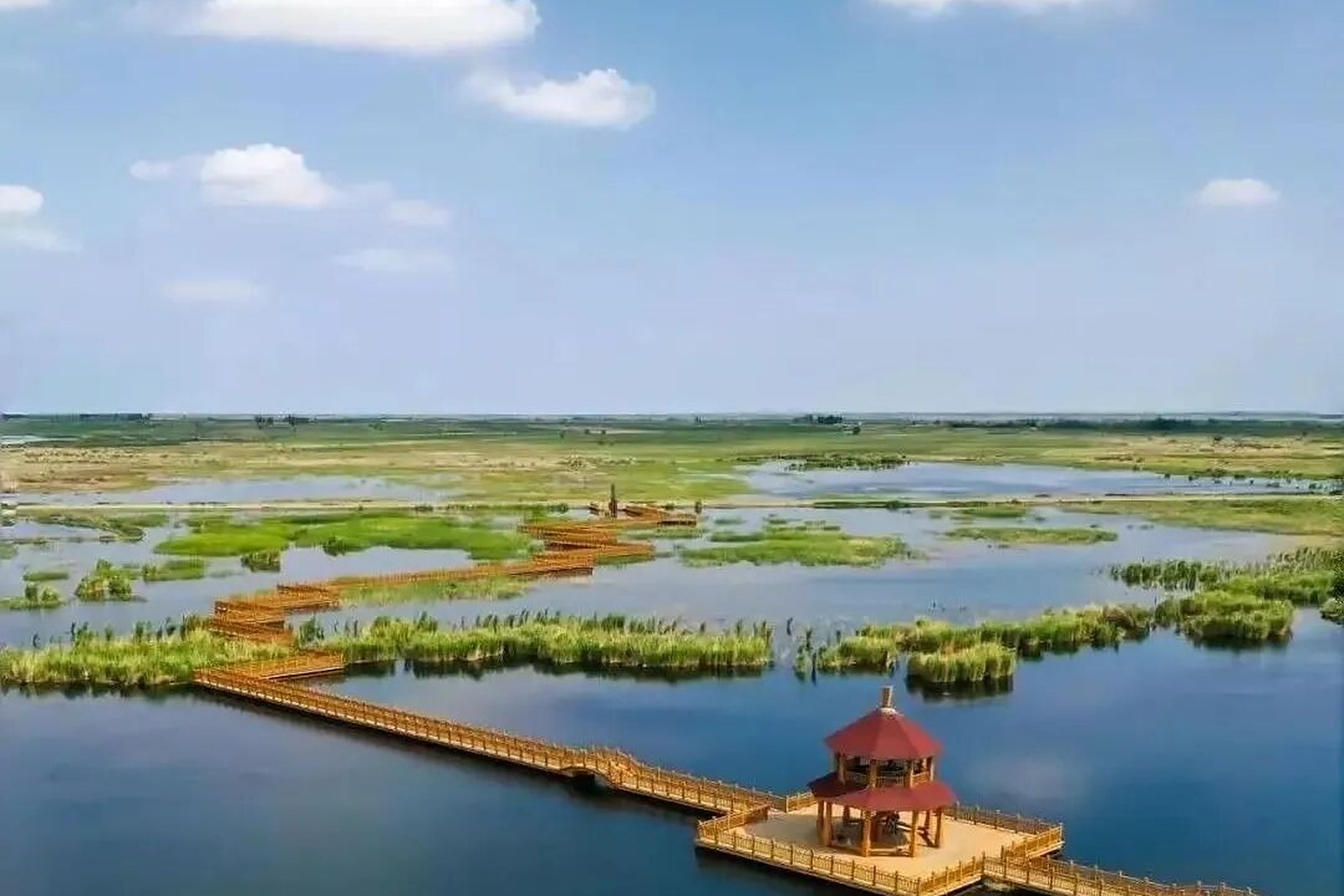
The shoreline is made for slow hours. Boardwalks run out through the reeds to pavilions where the wind arrives on schedule; the shallow margins draw waders and terns through the warm months; and the lawns between fill with families, kilns of roasting corn and kites on the inland breeze. The resort compound at the east end adds boats in season – paddle boats for the kids, bigger craft for the anglers who fish the channel mouths at dawn.
Fishing is the lake’s quiet religion. The reservoir was stocked decades ago and has never really stopped – carp, crucian and the silver fish that keep the market stalls full – and the shore at first light wears a line of patient silhouettes, thermos steaming, rods out over flat water. Summer nights bring the lamp fishers to the piers; autumn brings the serious match anglers and the first hard frost on the boards.
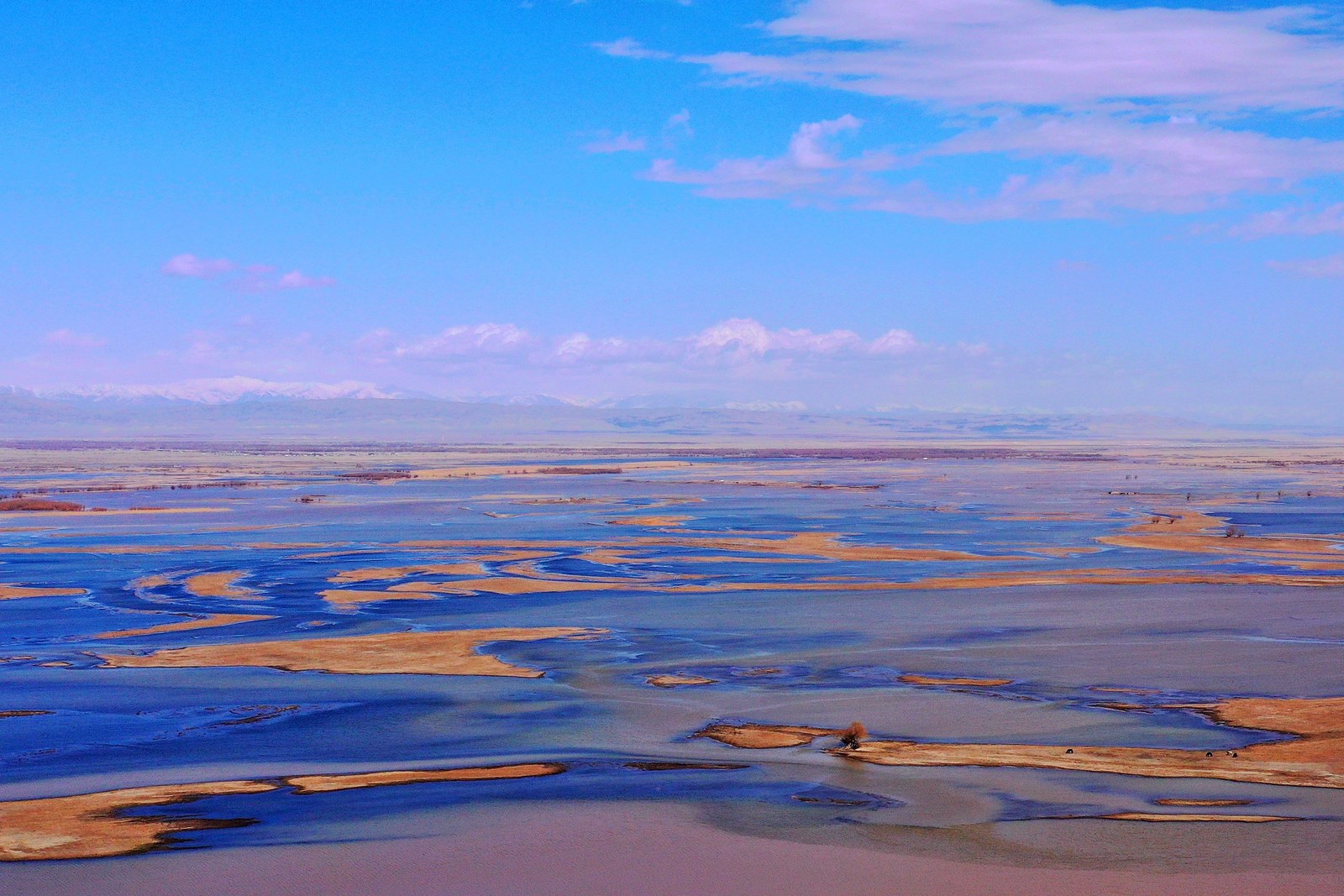
Birds do the second shift. The reedbeds hold bitterns and warblers through summer, and the migration seasons fill the shallows with geese, swans and strings of ducks riding the wind lines. Photographers work the western point at dusk, when the reeds go copper and the water turns to pewter; the sunset pavilion walk is the single best free show within twenty minutes of any hotel bed in Beitun.
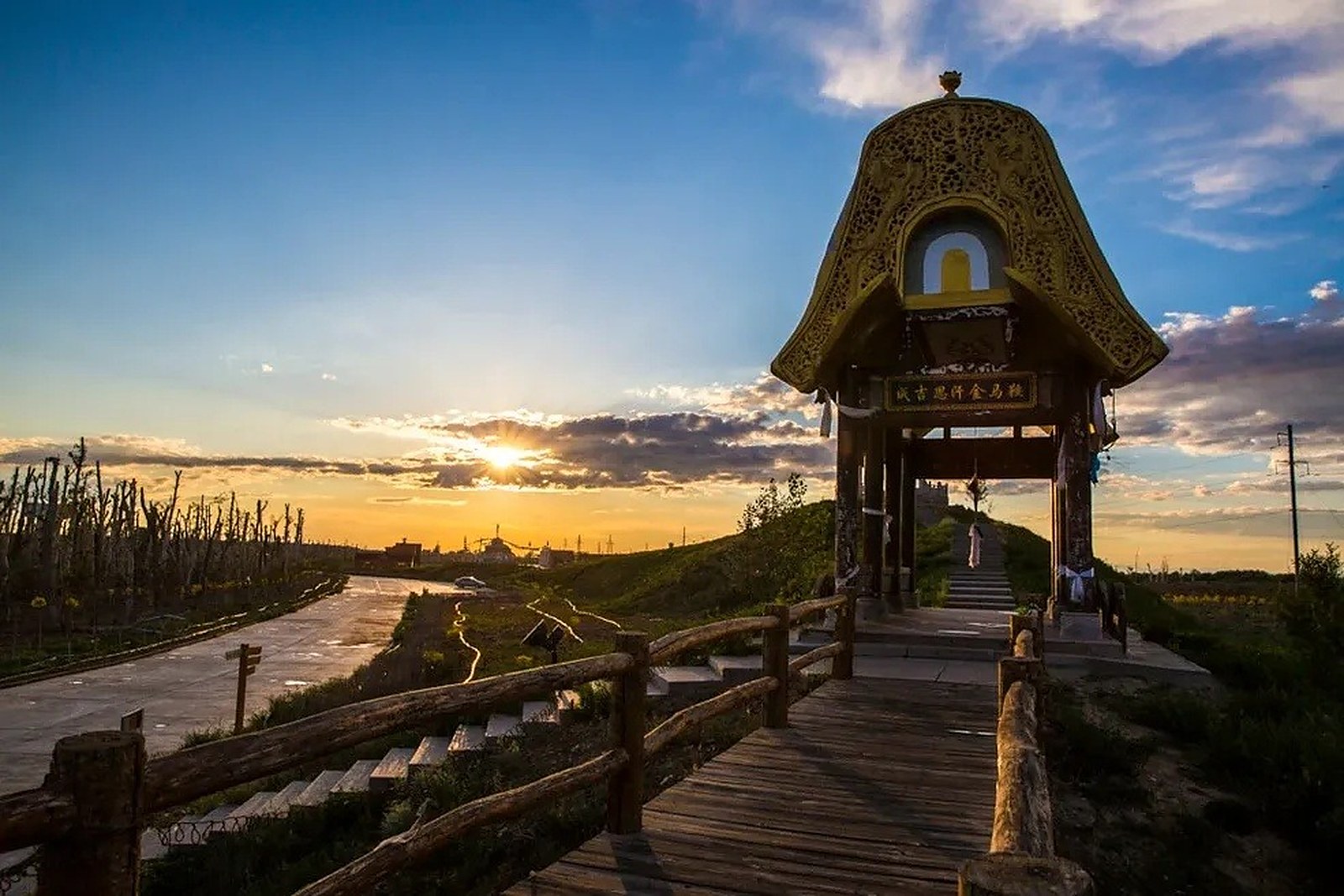
Practicalities first. The lake lies fifteen minutes south of the city center by taxi, with a modest entry at the resort gate and the boardwalks open all day. Summer evenings are the golden hours – cool after the heat, busy with families – while spring and autumn reward the birdwatchers and the wind-proof jacket. Pair it with the river promenade and you have Beitun’s whole water life in one afternoon.
Practicalities
Beyond the lake, the same 北屯市 Běitún Shì Beitun City keeps more places worth the detour: 额尔齐斯河畔 É’ěrqísī Hé Pàn the Irtysh river banks, 得仁山 Dérén Shān Deliang mountain over the avenues, 北屯博物馆 Běitún Bówùguǎn the Beitun museum, or 白沙湖 Báishā Hú Baishahu lake for the desert-lake grand tour – four more doors into the same 北屯市 Běitún Shì Beitun City. Once the lake is seen, our Beitun food map fills the day.
Practicalities
Words and Names
flowcloud would say Tangbahu is Beitun at ease: reeds doing their copper act, rods out over flat water, and pavilions that catch the last light like lanterns – the reservoir the regiments dug for the fields, now spending its evenings on the town’s behalf. All checked November 2026.
Getting there: The lake sits a half hour from the city center by car; the resort shore has parking and boat pontoons, and evenings cool fast so carry a layer. All checked November 2026.