
茶山竹海 Cháshān Zhúhǎi, the Tea Mountain and Bamboo Sea, is a vast tract of rolling hills in 永川区 Yǒngchuān Qū, Yongchuan District, planted in alternating bands of low tea bushes and towering bamboo groves, a landscape so singular that Zhang Yimou chose it as a filming location for his martial-arts epic 《十面埋伏》. This page is the park’s walking day – the forest trails, the working tea plantations, the bamboo-carving workshops and the mist that gathers in the hollows on cool mornings.
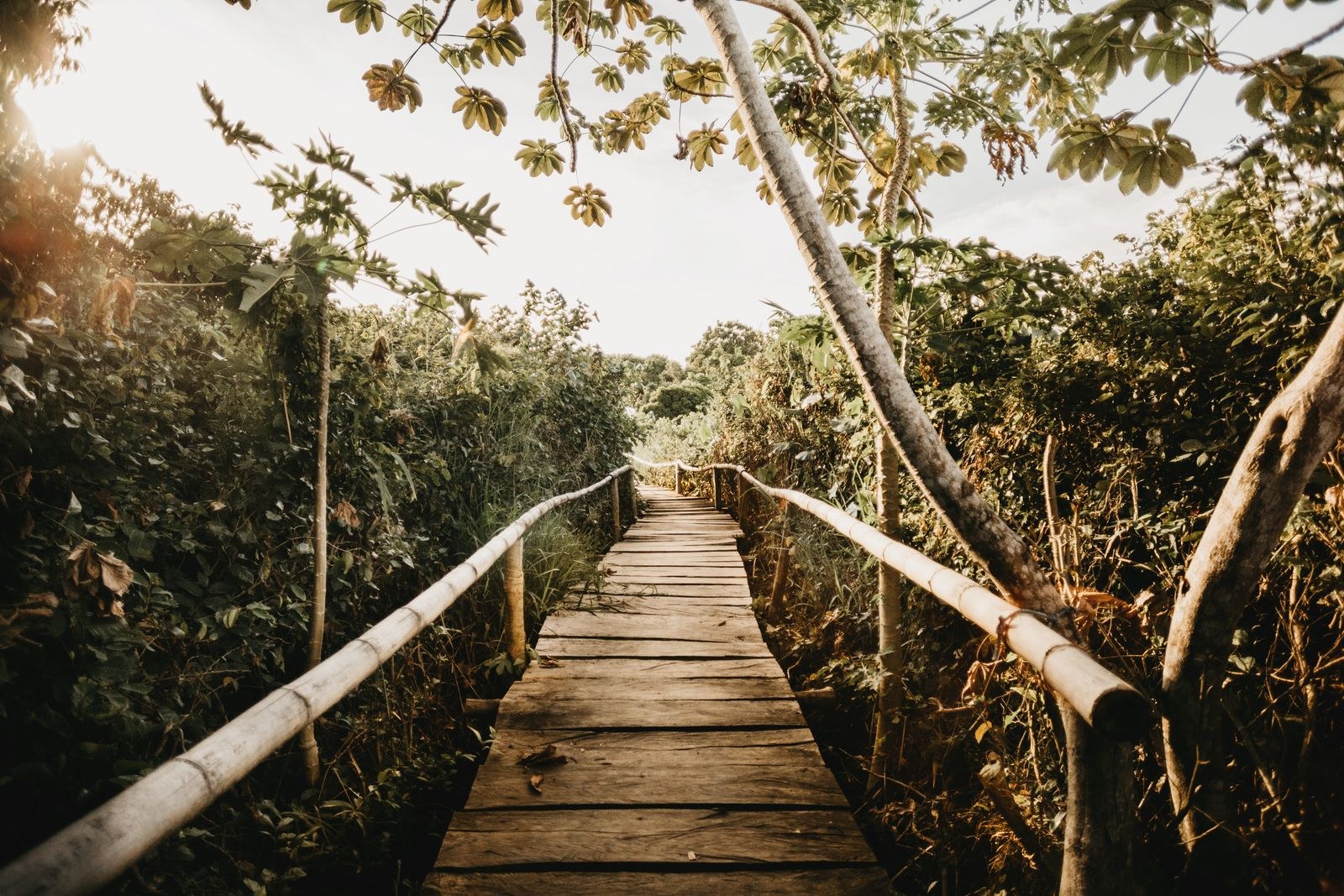
The bands of tea and bamboo explain the park before a word of history does. The tea grows in low terraced hedges that follow the contour of every slope, the pickers moving through them by hand at harvest, and the bamboo rises beside them in groves so dense that the light inside goes green and the floor goes quiet; between the two the trails run on dirt and boardwalk, climbing the ridges where the whole pattern reads at once – green hedge, green wall, green valley, repeat. The forest trails are marked by length rather than by sight, and the honest way to take them is slowly: the park asks for footsteps, not destinations, and the reward is the moment the bamboo closes overhead and the air goes cool and damp with the smell of leaf mould.
The film is the reason many visitors come, and the landscape is the reason the film came. Zhang Yimou’s 《十面埋伏》 used these groves for the fights that turn forest into stage, and the park has leaned into that inheritance without turning it into a theme – there are tea-tasting pavilions where the local leaf is brewed on the spot, and small workshops where craftsmen split and carve the local bamboo into everyday objects and ornaments. The tea itself is the district’s quieter fame: the plantations here feed the local trade, and a cup poured at a ridge pavilion tastes of the hill it grew on. What the record supports is the national-forest-park status, the tea-and-bamboo planting, the hand harvest, the film location and the carving workshops; what it does not support is any ticket figure, any posted hours table or any founding date for the park, and none is invented here – the gate posts its own rate and season, and the page leaves the reader to them rather than quoting a number it does not have.
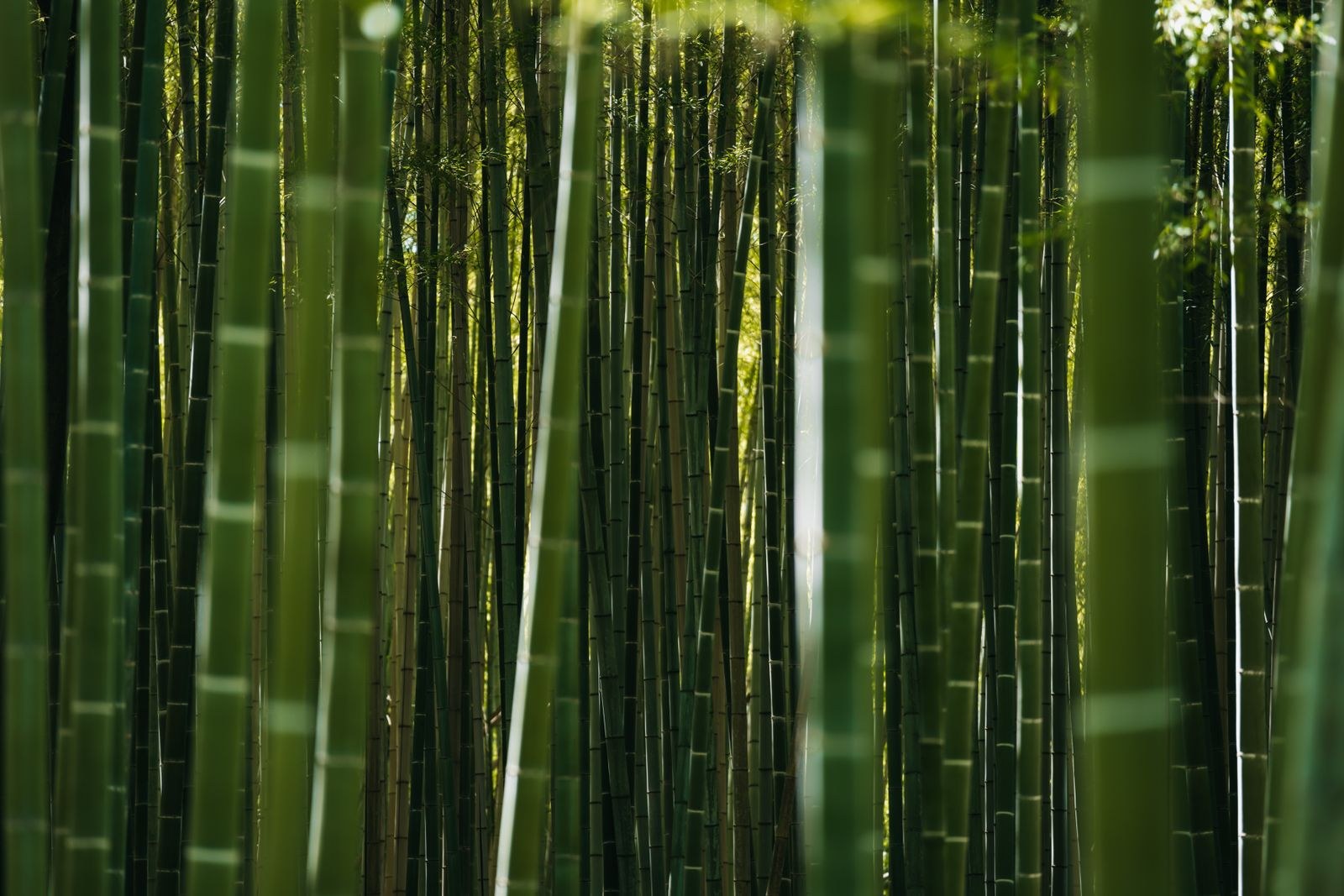
The bamboo sea is the park’s headline and its best argument. Stand inside a mature grove and the stalks rise in every direction to a roof you cannot see, the floor is a soft litter of fallen leaves, and the only movement is the slow sway the wind works through the tops – a green cathedral with no walls and no sermon. The light is the show: on a clear day the sun breaks the canopy in shafts that rake the stems and lay dappled gold across the green, and after rain the whole grove drips and steams and the smell of wet bamboo fills the hollows. The bamboo-carving workshops sit at the grove edges, and the sound of the knife on green wood is the workshop’s own music; the carvers will show the work without a hard sell, and the best pieces are the plain ones that still smell of the stalk they came from.
Give the park the half day or the full day it asks for, because the rhythm is the point. The marked routes run from a short ridge walk to a longer loop that takes in a plantation, a pavilion and a workshop, and none of them hurries the visitor who stops to listen to the bamboo. The park keeps no gated secret beyond its own gate: the trails are public ground inside the fence, and the only thing the record does not carry is a figure worth quoting for entry or a posted hours table, both of which the page declines to invent. The practical shape is the qualitative one – a national forest park of this kind with its rate card at the gate and daylight for its clock – and the visit that suits it is the slow one, boardwalk in the morning mist and bamboo sea in the low light.
Words and Names
茶山竹海 Cháshān Zhúhǎi, the Tea Mountain and Bamboo Sea, in 永川区 Yǒngchuān Qū, Yongchuan District: a national forest park of rolling hills planted in alternating bands of tea bushes and bamboo groves, the filming location for Zhang Yimou’s martial-arts epic 《十面埋伏》. The forest trails run on dirt and boardwalk past hand-harvested tea terraces and bamboo-carving workshops, with mist gathering in the hollows on cool mornings and tea poured at the ridge pavilions. No ticket figure, posted hours table or founding date is on the record consulted, and none is invented here; the gate posts its own rate and season.
What the Locals Know
The local knowledge is the mist and the light. The coaches and the day visitors own the groves from mid-morning, and the locals walk early – the boardwalk in the first cool hours, the ridge while the mist still sits in the hollows – or come for the last light, when the bamboo sea goes gold and the trails empty out. The bamboo interior is cool and damp ground even in summer, so real shoes and a light layer beat sandals. The carving workshops and the tea pavilions keep their own informal hours, and the page declines to quote a schedule it does not have; the honest clock is the daylight’s.
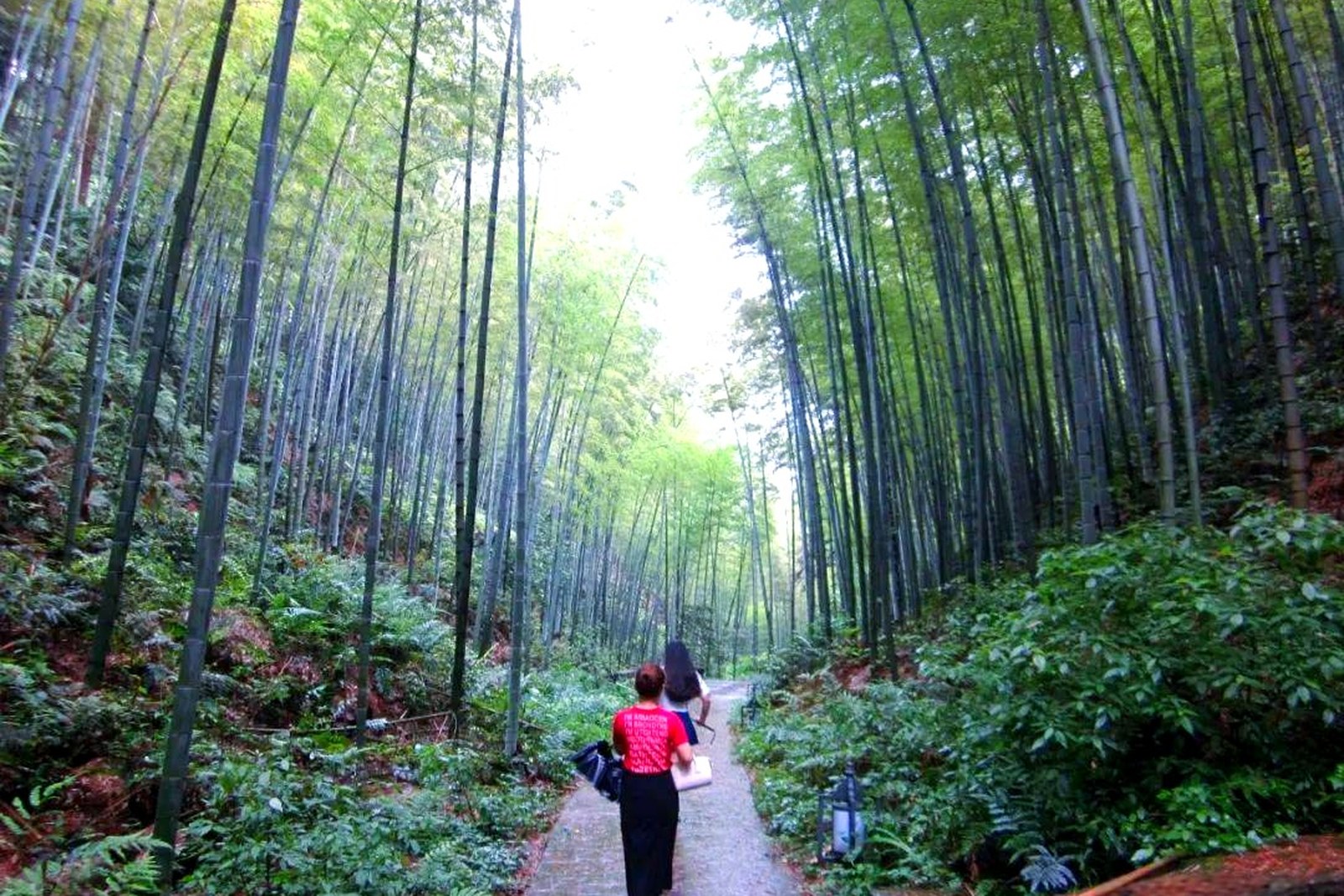
flowcloud would say that the Tea-Bamboo Forest National Park is Yongchuan’s green headline – rolling hills planted in bands of tea and bamboo where Zhang Yimou filmed 《十面埋伏》, walked on boardwalk through the groves and tasted the local leaf at a ridge pavilion – and that the correct visit is the slow one, because the bamboo sea belongs to the low light and the mist belongs to the cool morning hours. All checked October 2026.
Practicalities
Tickets: The park is a gated national forest park; the gate posts its own rate and season, and no ticket figure is on the record consulted, so the page declines to quote one. The trails inside the fence are public ground once paid. Opening hours: Daylight as the working norm – the boardwalk and ridge walks want the sun on the bamboo, and the cool mornings with mist in the hollows are the hours the page recommends above. No posted hours table is on the record consulted; the honest clock is the daylight’s. Closing day: None posted – a forest park of this rank does not close its weeks, and no published rest day is on the record consulted. The only variable is the weather: heavy rain closes the boardwalk for safety, which is a postponed walk rather than a cancelled one.
Getting there: the park stands in the hill country of 永川区 Yǒngchuān Qū, Yongchuan District, reached by road from the district seat and by the forest roads that serve the plantations; no ticket figure, posted hours table or founding date is on the record consulted, so none is invented here. Pair this page with the teabamboo-mountain-stays page in the stay column for the night among the groves, and the songgai-old-town page for the district’s riverfront old town.