
Tianya Haijiao
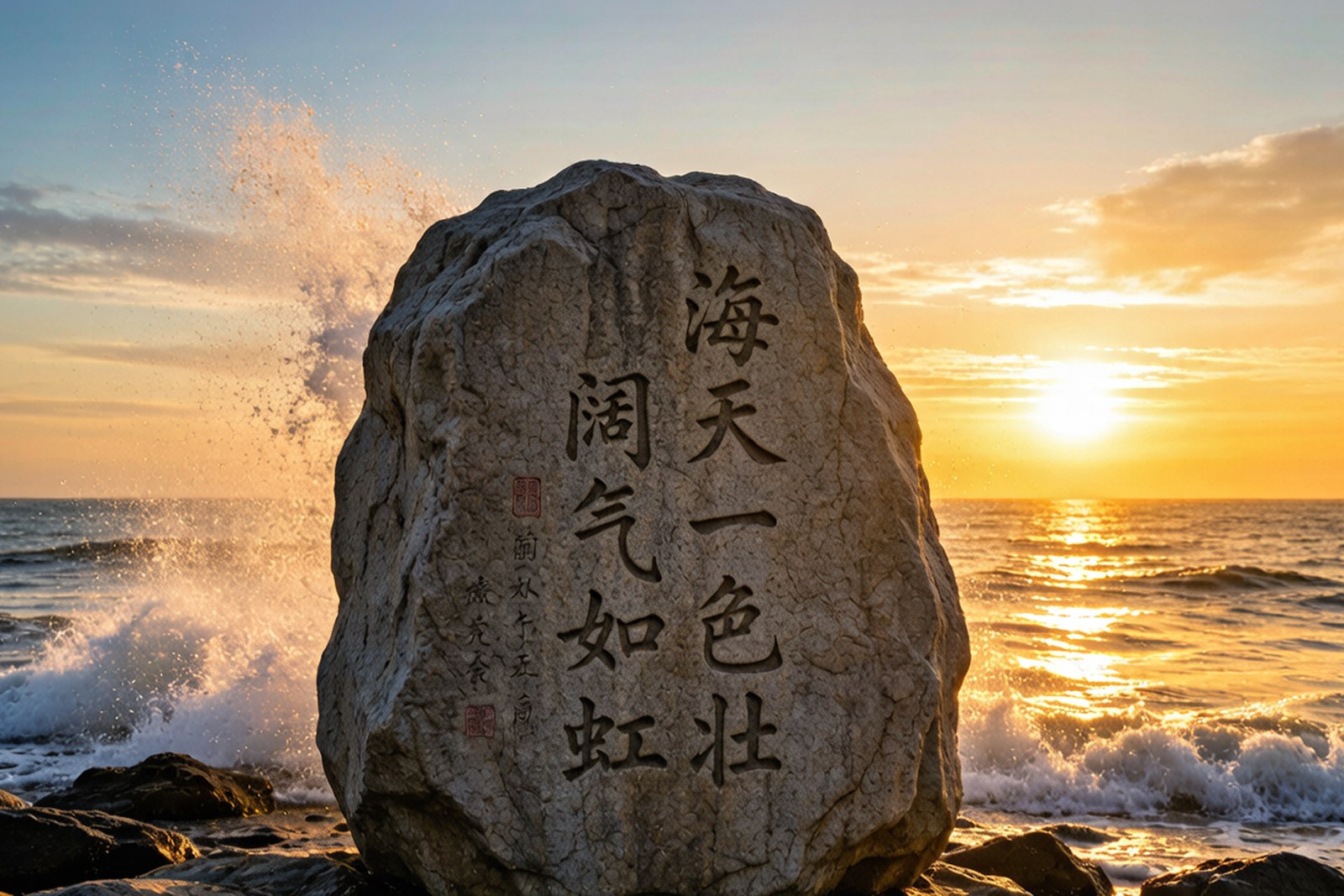
Two rocks, a few metres apart, on the edge of the sea at the south-west corner of Sanya. One is carved 天涯 (tiān yá, the edge of the sky), the other 海角 (hǎi jiǎo, the corner of the sea). For most of the last thousand years this was the place Chinese officials were exiled to when the court had given up on them, and the words are less a boast than a complaint: this is where the world stops.
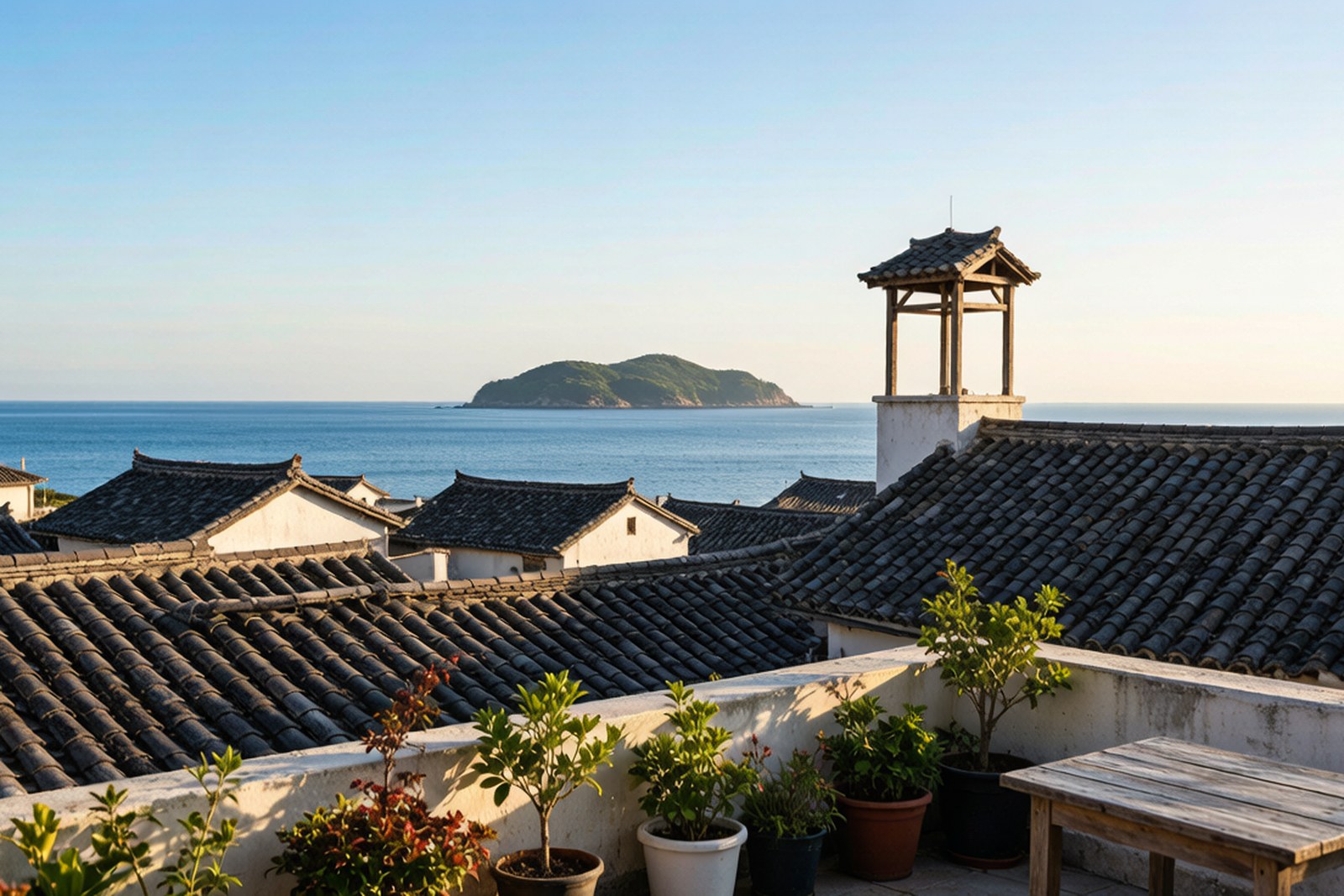
天涯海角 (Tiānyá Hǎijiǎo) has been Sanya’s most famous sight for decades, and it spent those decades being an expensive disappointment — two carved stones and a long hot walk for a ¥68–81 ticket. In 2026 that changed: the gate is now free. It still costs money to get around, and it is still, honestly, two rocks. But free changes the deal, and as a place to walk slowly at golden hour, it has become one of the better afternoons in the city.
Why It Matters
The scenery alone would not justify the fame. The significance is the phrase.
天涯海角 entered the language as a way of saying the ends of the earth — and, by extension, something like whatever happens, however far apart we are. 海内存知己,天涯若比邻 — “a friend within the four seas is a neighbour even at the edge of the sky” — is one of the most-quoted couplets in Chinese poetry, and every Chinese couple who photographs themselves in front of these stones is invoking that resonance directly. The site is a wedding-photography destination for exactly this reason, and there is a wedding hall on the grounds.
The stones themselves are old enough to be genuine: the 天涯 inscription is attributed to a Qing-dynasty official, 程哲, who carved it in the Yongzheng reign; the 海角 inscription was added later. Also here is the 南天一柱 — the “Southern Pillar of Heaven”, a seven-metre rock that appeared on the old ¥2 banknote, which is why older visitors want their picture taken with it specifically.
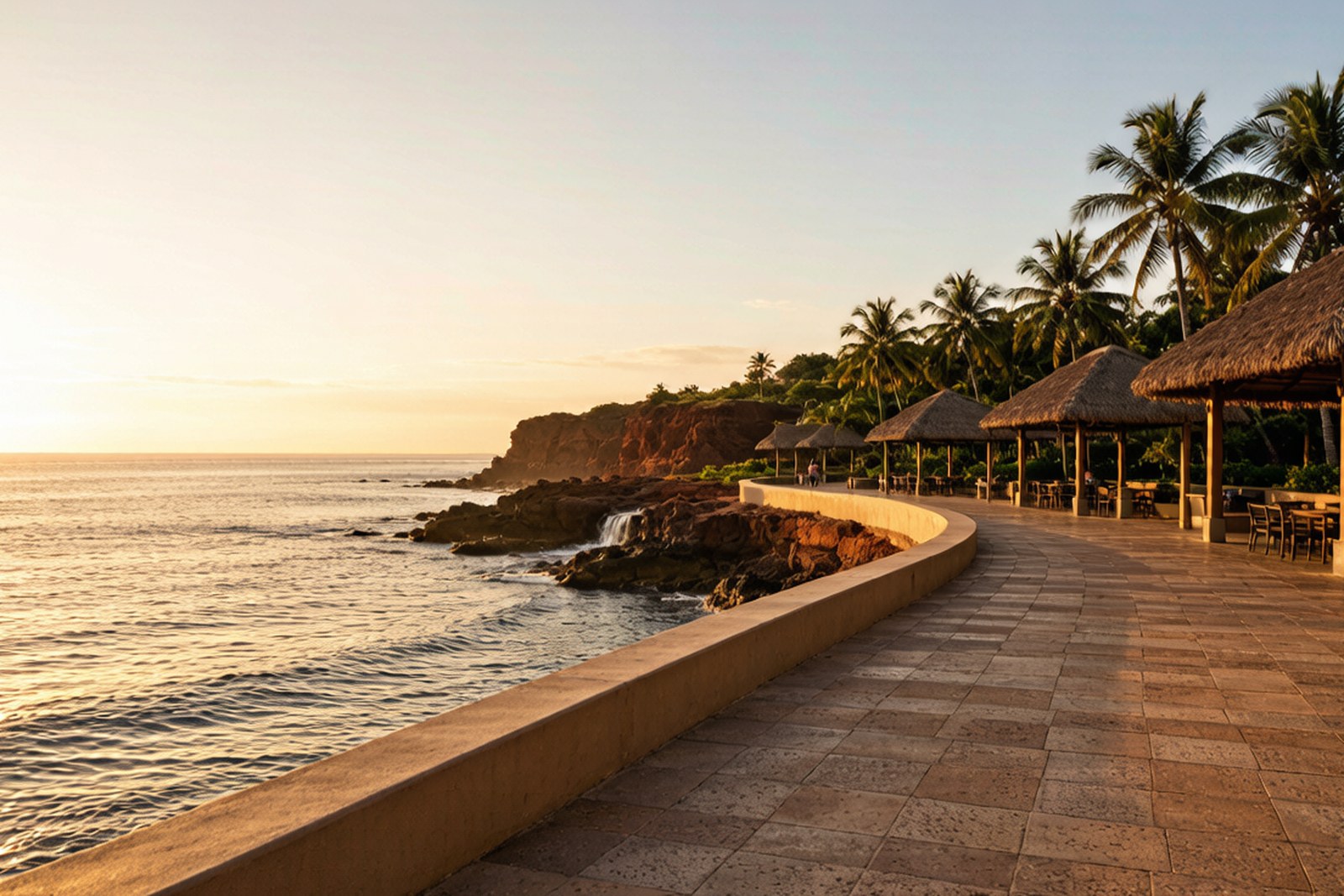
Beyond the rocks, the 4A site is a long stretch of coast — 10.4 square kilometres of land and 6 of sea — backing onto 马岭, with beach, reef, a wooded hillside and a walkable seaside promenade. The promenade, rebuilt in recent years with rest pavilions, is the reason the free version works: it is now a good place to walk rather than a queue between two rocks.
Practicalities
Tickets. Free — ¥0. Since 2026 the gate charge has been abolished entirely; the old figures you will find online, ¥68 off-season and ¥81 in peak, no longer apply and the city’s 12345 hotline confirmed the change in September 2026. What is not free: the 观光车 (electric shuttle) at ¥25 for a return, and the various water activities, which run from around ¥105 for a boat out to the reef up to ¥290–539 for dive packages. There is also a premium sightseeing shuttle at ¥62.
Do you need to book? Yes — free does not mean walk-in. The park is capped at 30,000 visitors a day, and every adult must reserve a slot in advance through the 三亚天涯海角游览区 official WeChat account or the site’s mini-programme, entering name, ID and phone number and generating a QR code. Bring both the QR code and the ID card. Two exceptions: children under 1.2 m and visitors aged 70 and over do not need to book and walk in with ID or senior card. Book one to two days ahead; in Spring Festival and National Day the morning slots can go before noon, and people do get turned away. One reservation per person per day.
Opening hours. 08:00–19:00, with last entry at 19:00 — some notices say 18:30, so arrive with margin. The shuttle stops running at 18:00. There is no weekly closing day.
Timing, which is the actual advice. Come at 15:00–16:00. The coast faces west, the heat has gone, the crowds have thinned, and you are walking into sunset rather than out of the sun. Midday here in summer is punishing — the promenade is long and mostly unshaded.
Getting there. Address: 天涯区225国道, 马岭山麓, about 23 km south-west of Sanya city. No metro. Buses 16, 24, 25 and 29 run from the city to the 天涯海角 stop, roughly 40–60 minutes. A taxi or ride-hail from the centre is about 30–40 minutes. There is a car park at the site; the west gate has been closed at times, so use the main entrance unless signs say otherwise.
What to do with the place. Walk the whole promenade rather than shuttling straight to the rocks. In order, the stops are: the 爱情广场 (Love Square) with its 天涯海角星 sculpture and 伏波将军 statue, looking out to the 日月石; the 天涯书局, a glass seaside bookshop that is a good place to sit; the 南天一柱; and finally the 天涯石 and 海角石 themselves, at the reef-flat end. The 海角 stone takes a short walk over wet rock to reach — the surface is slippery, and people fall here every year, so take it slowly.
Combine with: 天涯小镇 at 马岭, a twenty-minute walk or short drive away — a small blue-and-white seaside neighbourhood that has become the area’s café-and-guesthouse quarter, and a pleasant place to eat after. 西岛 is also close by, with its own ferry from the 肖旗港 side.
flowcloud would say that the Chinese have a word for the end of the world, and that they have spent a thousand years arranging to be photographed there with someone they love, which tells you everything about what the word was really for.
Getting there: 天涯海角游览区 (Tianya Haijiao), 天涯区225国道, Sanya. Admission is free as of 2026, but all adults must reserve a slot through the 三亚天涯海角游览区 official WeChat account and bring the QR code plus ID; children under 1.2 m and visitors 70+ enter without booking. Daily cap 30,000 — book 1–2 days ahead. Open 08:00–19:00 (last entry 19:00); shuttle ¥25 return, last run 18:00. Best visited 15:00–16:00 for the sunset. About 23 km south-west of the city — bus 16/24/25/29 or a taxi of 30–40 minutes.