
The Flyway Lake at Tianjin’s Door: Tuanpo Lake Wetland
团泊湖水接天青,芦荡深处万羽鸣 Tuánpō Hú shuǐ jiē tiān qīng, lúdàng shēnchù wàn yǔ míng – Tuanpo’s water meets a sky of blue; deep in the reed beds, ten thousand wings call
团泊湖鸟类自然保护区 Tuánpō Hú Niǎolèi Zìrán Bǎohùqū spreads the crown wetland of 天津市静海区 Tiānjīn Shì Jìnghǎi Qū Jinghai District across a shallow plain reservoir fringed by reed marshes – the largest lake wetland around Tianjin, and a rest stop on the East Asian flyway where egrets, swans and rare cranes stage by season. The lake reads as one wide horizon: water, reed silver, poplar belts and the fish-pond mosaics that have farmed the rim for generations.
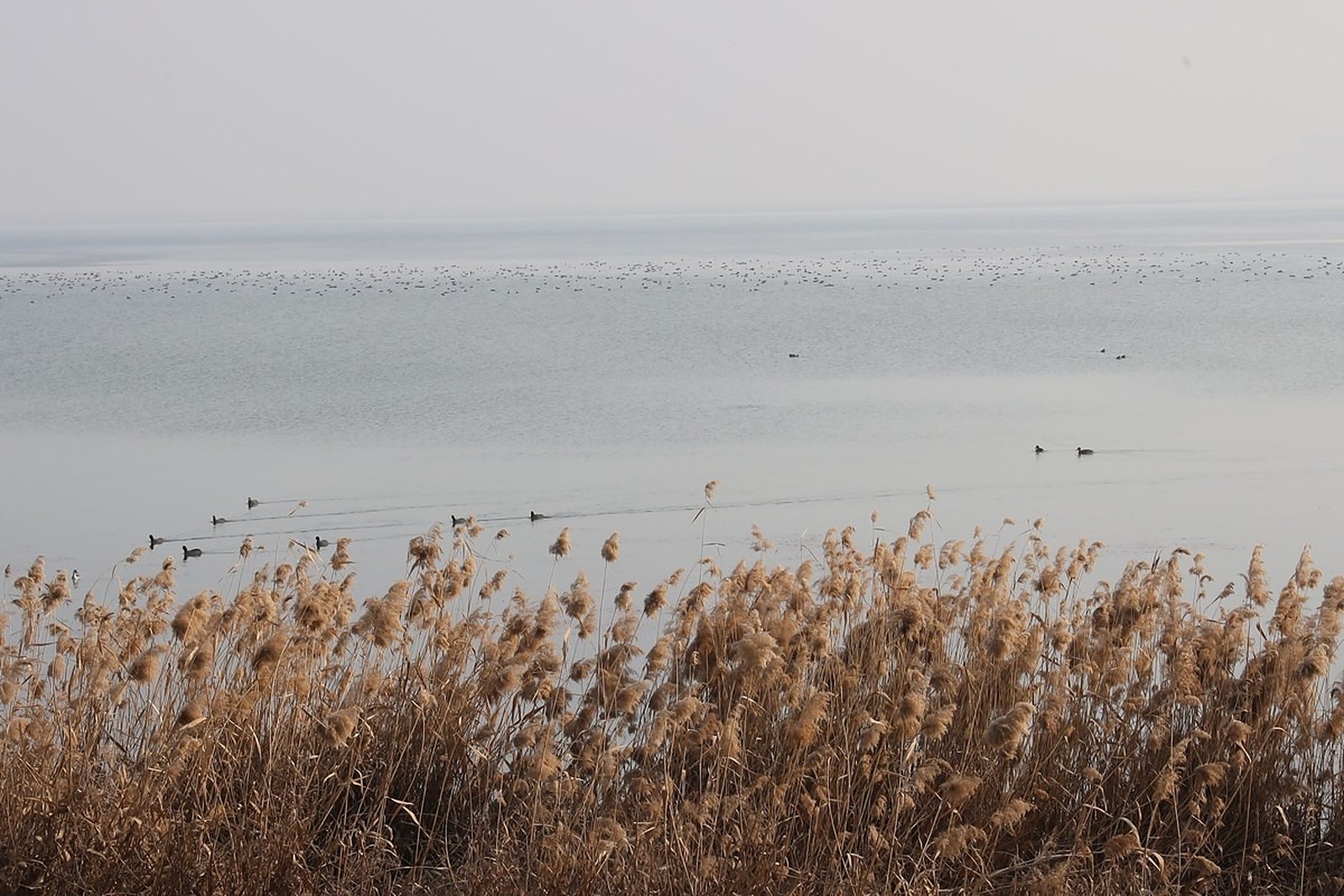
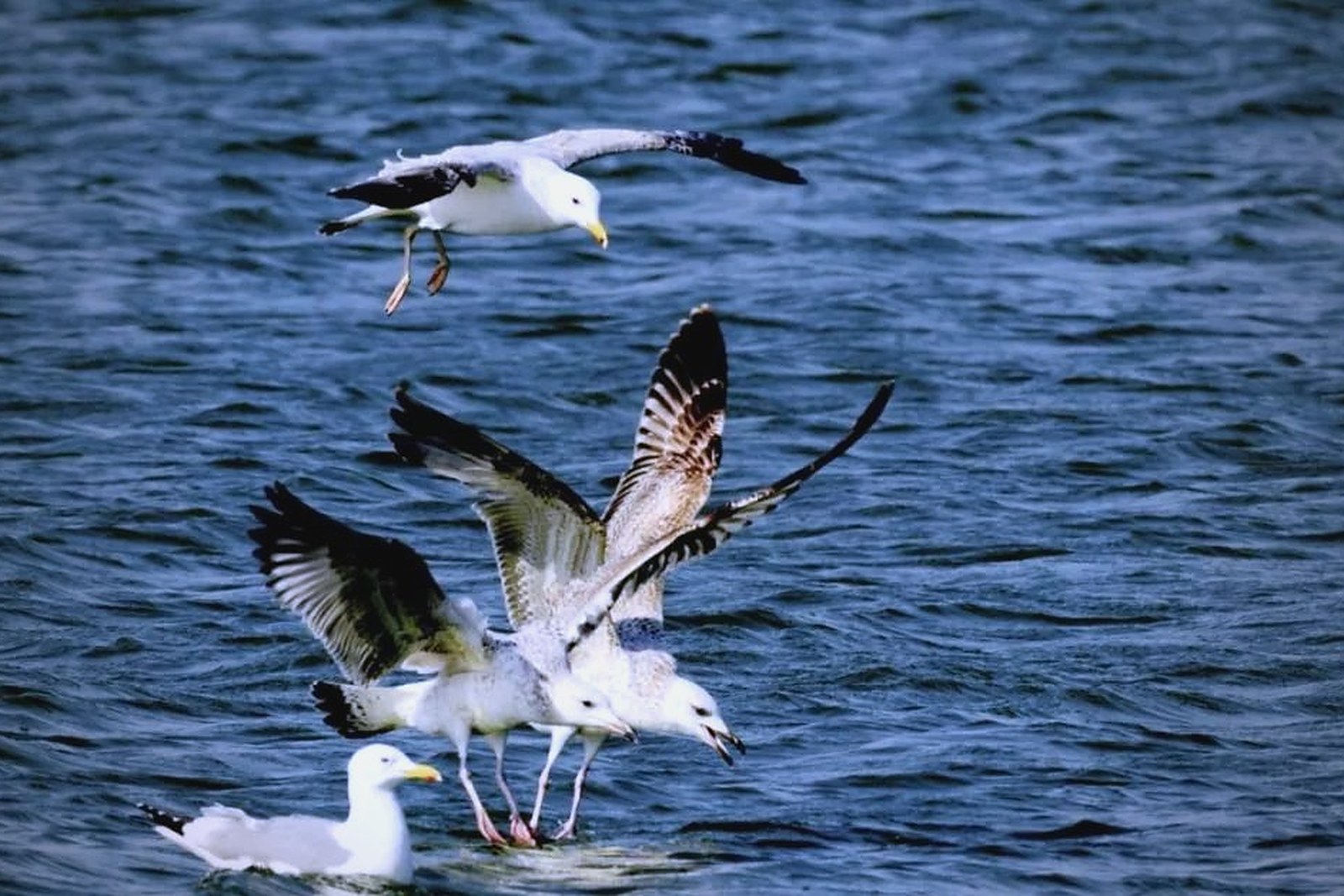
The bird calendar sets the rhythm. Spring and autumn bring the passage crowds – godwits and gulls working the mudflats, osprey over the open water; summer belongs to the herons and the reed-warblers; and winter hands the lake to the swans and the quietest, clearest light of the year. Bring a long lens and let the dyke roads do the walking.
The reed beds work the scene between seasons. Green in June, gold by October, and silver-seeded into winter, the marsh filters the lake and hides the water rails and bitterns that birders cross counties for. The east dyke carries the main watch points; the south reaches keep the fishing platforms and the reed-cutting traditions.
Around the rim, the lake’s working landscape keeps its own charm – fish-pond farms that supply the district’s tables, orchard belts, and the lakeside village stops where the morning catch sells out before nine. The wetland pairs naturally with the resort quarter on the west shore, so a birding dawn and a hot-spring afternoon fit the same day.
Practicalities
- Drive to the bird-watching lots by the east dyke for the shortest walk to the hides.
- Migration windows – April and October – give the fullest species lists; midwinter brings swans.
- The ring road links the lakeside village stops; a car beats the buses for the full circuit.
- Mornings are calm and best for photography; afternoons turn breezy on the open water.
Words and Names
团泊湖 Tuánpō Hú Tuanpo Lake, the district’s crown wetland; 自然保护区 zìrán bǎohùqū nature reserve; 芦苇 lúwěi the reeds that silver in autumn; 候鸟 hòuniǎo the migratory birds of the flyway; 大堤 dàdī the great dyke carrying the watch points. Beyond the lake, the same 天津市静海区 Tiānjīn Shì Jìnghǎi Qū Jinghai District keeps more places worth the detour: 光合谷旅游度假区 Guānghé Gǔ Lǚyóu Dùjiàqū the Guanghe Valley resort, 萨马兰奇纪念馆 Sàmǎlánqí Jìniànguǎn the Samaranch Memorial, 独流古镇 Dúliú Gǔzhèn the old canal town, or 西双塘村 Xīshuāngtáng Cūn the model village of Shuangtang – four more doors into the same Jinghai District. Once the binoculars are packed, our Jinghai food map fills the table.
flowcloud would say Tuanpo Lake is the district’s shared sky: one wide water, a calendar of wings, and a dyke road that does the birding for you. All checked November 2026.
Getting there: The lake rim sits northeast of the district seat – drive the Tuancheng expressway exit to the bird-watching lots by the east dyke, or bus toward the lakeside village stops on the ring road. All checked November 2026.