
Tuanshan Ancient Dwellings: A Living Qing Village of Grey Tile and Woodcarving
灰瓦土墙藏岁月,木雕花窗认人家。Huī wǎ tǔqiáng cáng suìyuè, mùdiāo huāchuāng rèn rénjiā – Grey tiles and earthen walls hide the years; carved wood and lattice windows read the households.
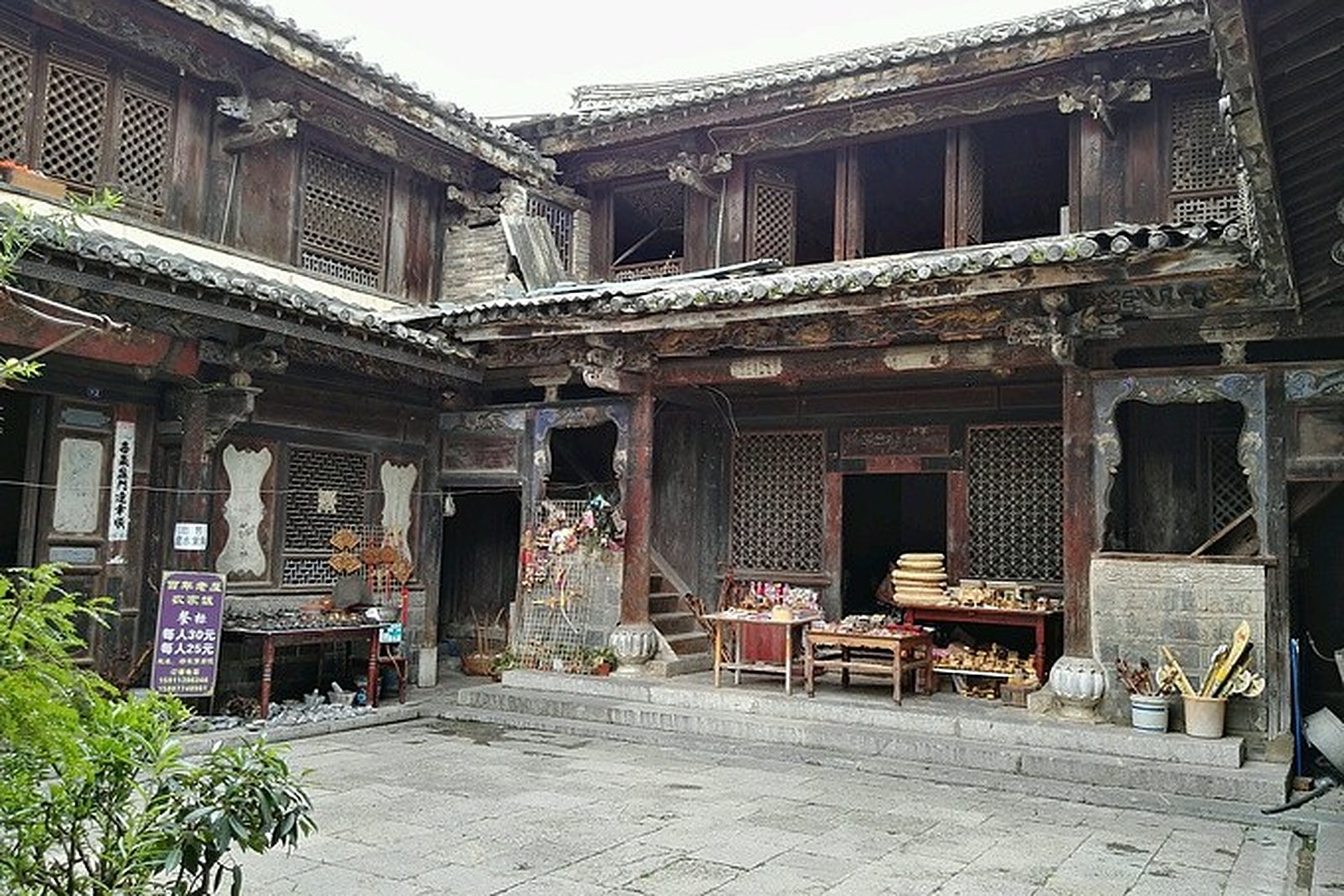
团山民居 Tuánshān Mínjū Tuanshan Ancient Dwellings is not a street of renovated shops — it is, to be plain, a 古村落 gǔ cūnluò ancient village in 团山村 Tuánshān Cūn Tuanshan Village, 西庄镇 Xīzhuāng Zhèn Xizhuang Town, 建水县 Jiànshuǐ Xiàn Jianshui County, where a whole hillside of 清代 Qīngdài Qing-dynasty 民居 mínjū houses has survived with people still living inside them. The village began as a 彝族 Yízú Yi settlement and grew into the compounds of the 张氏 Zhāngshì Zhang family — 张氏宗祠 Zhāngshì Zōngcí the ancestral hall, 张家花园 Zhāngjiā Huāyuán the family garden, and a run of private courtyards — in a style the guidebooks call 彝汉合璧 Yí-Hàn hé bì Yi-Han blended, its 灰瓦 huīwǎ grey tiles, 土墙 tǔqiáng earthen walls and 木雕 mùdiāo woodcarving unchanged in essentials. What you are actually visiting is a working village, not a museum: washing hangs in some courtyards, and the honest frame is a place that was never turned into a souvenir street.
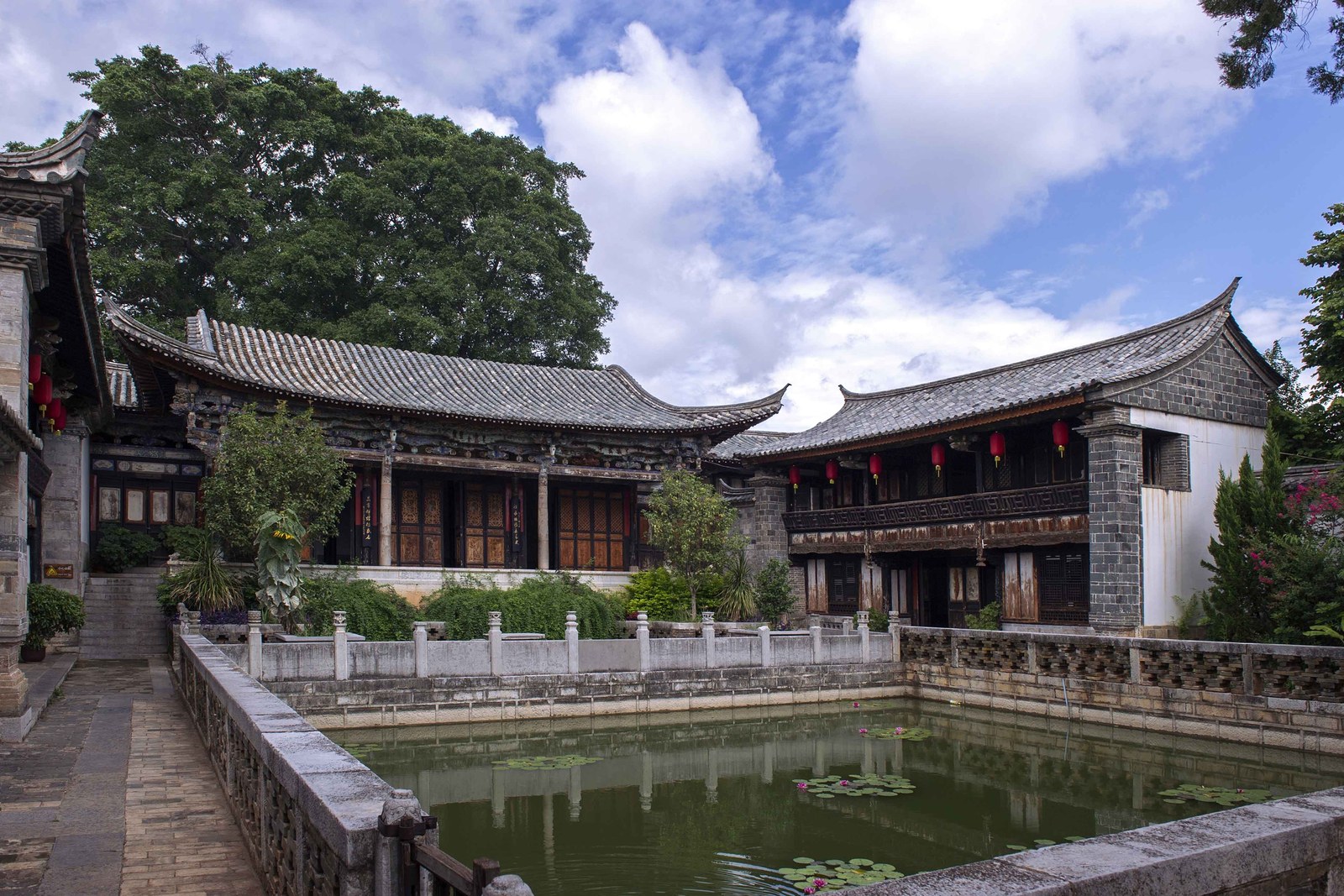
The honest grade is “a living Qing village, half of it still private,” and that is both the charm and the limit. 团山 Tuánshān is quiet in a way the 建水 Jiànshuǐ old town is not — no bar rows, no drum shows, just lanes, wells and 老宅 lǎozhái old houses — but it also means thin services: a few homestays, simple food, and courtyards that open and close with the families who own them (worth confirming which compounds are currently open to visitors and whether guide or 讲解 jiǎngjiě explanation services are available, since the open set changes with the residents). Getting there is the pleasant part: the 古城小火车 gǔchéng xiǎohuǒchē old-town mini train from 建水 Jiànshuǐ terminates near the village (worth confirming the current train route, stop and fare before relying on it), and by road it is a short drive west of the county town.
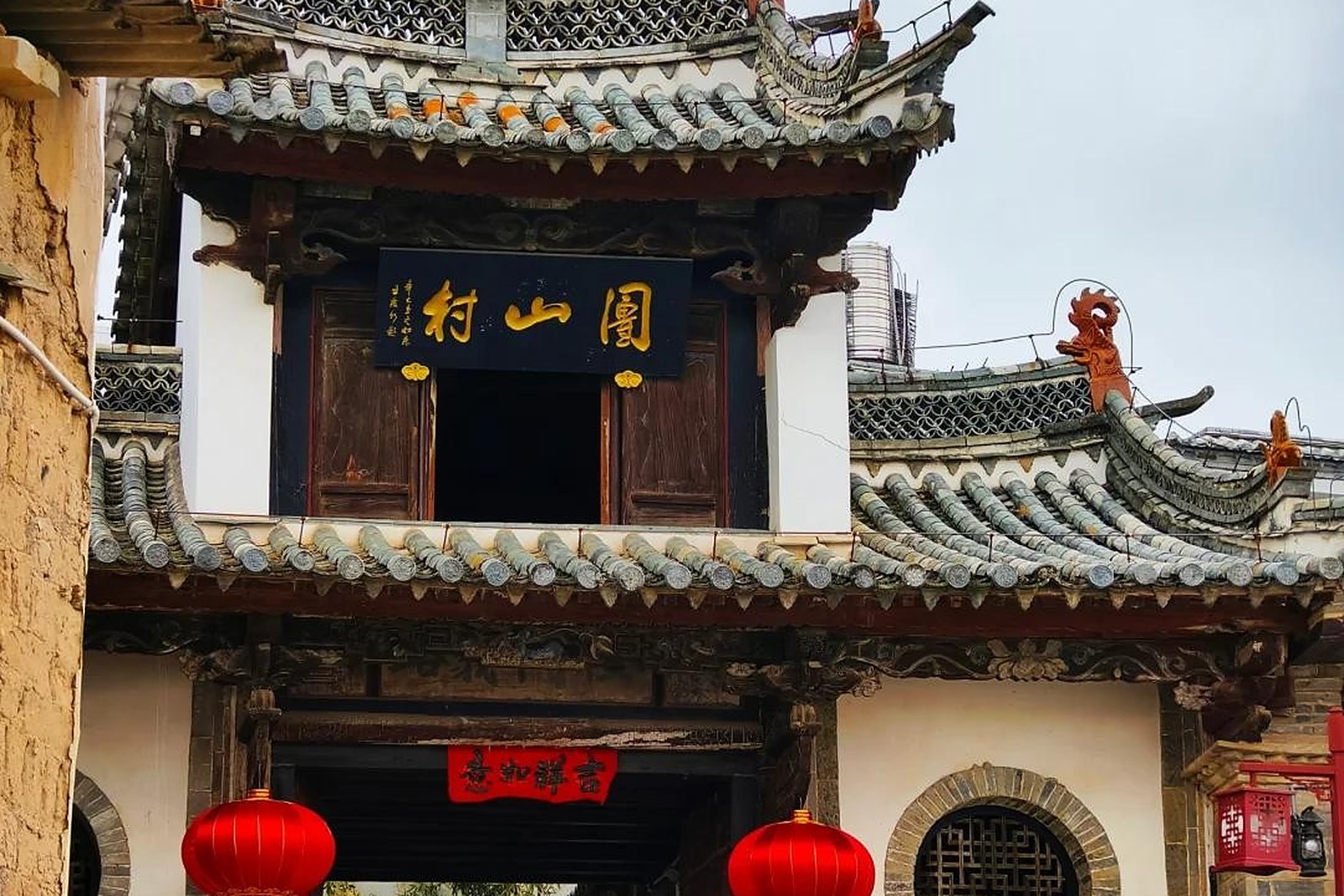
The wry truth is that Tuanshan is sold as the most complete Qing village in southern Yunnan, and complete is fair — but it is a village, not an attraction, and you should come with village expectations. What is overrated is any idea of a curated architectural museum where every courtyard is polished and open: parts of 团山 Tuánshān are simply somebody’s home, and the finest 木雕 mùdiāo in the village may be behind a door that is shut today. What is genuinely worth it is exactly the uncurated life: the 张氏宗祠 Zhāngshì Zōngcí and 张家花园 Zhāngjiā Huāyuán as the showpieces, the 灰瓦土墙 huīwǎ tǔqiáng lanes, and the 彝汉合璧 Yí-Hàn hé bì mix you can actually read in the buildings. Best season is the dry, mild months (autumn through spring) when the lanes are walkable and the light on the 土墙 tǔqiáng is warm; the summer rains turn the lanes muddy and the timber dark. Take a local guide if you can find one, accept that half the doors are closed, and give it a slow two or three hours, because the village rewards the person who likes their heritage inhabited and quietly bores the one who came for a show street.
The self-deprecating footnote: I rode the little train out expecting an open-air museum and found a village where the best courtyard was asleep with a dog in it and a grandmother was shelling beans on the finest threshold in 建水 Jiànshuǐ. 团山民居 Tuánshān Mínjū rewards the person content to wander inhabited lanes and quietly disappoints the one who came for a full set of open doors. Go for the 张氏 Zhāngshì halls, the woodcarving and the quiet; let the closed gates be the proof that it is real.
Practicalities
- Rating: A surviving Qing-dynasty village of Yi-Han blended vernacular compounds at Tuanshan Village, Xizhuang Town, Jianshui County; the Zhang family ancestral hall and garden are the showpieces — a living, quiet, half-private village, not a curated museum street.
- Tickets: The village lanes are largely open and free to walk; individual compounds such as 张氏宗祠 Zhāngshì Zōngcí and 张家花园 Zhāngjiā Huāyuán may charge or take donations (worth confirming the current charging and which courtyards are open — the open set shifts with the resident families, and guide or 讲解 jiǎngjiě services should be confirmed ahead).
- Address: 团山民居 Tuánshān Mínjū, 团山村 Tuánshān Cūn, 西庄镇 Xīzhuāng Zhèn Xizhuang Town, 建水县 Jiànshuǐ Xiàn Jianshui County, 红河哈尼族彝族自治州 Hónghé Hānízú Yízú Zìzhìzhōu Honghe — west of the county town, reachable by the 古城小火车 gǔchéng xiǎohuǒchē old-town mini train (worth confirming current route and fare) or by a short drive.
- Time needed: Two to three hours for the lanes and the open compounds; the mini-train ride makes a pleasant half day combined with 双龙桥 Shuānglóng Qiáo, and there is no reason to stay overnight unless you want the empty village at dawn.
Words and Names
团山民居 Tuánshān Mínjū Tuanshan Ancient Dwellings · the surviving Qing village west of Jianshui 西庄镇 Xīzhuāng Zhèn Xizhuang Town · the Jianshui township that holds Tuanshan Village 张氏宗祠 Zhāngshì Zōngcí Zhang Family Ancestral Hall · the village’s showpiece compound 张家花园 Zhāngjiā Huāyuán Zhang Family Garden · the family garden courtyard of the village 彝汉合璧 Yí-Hàn hé bì Yi-Han blend · the mixed architectural style of the compounds 灰瓦土墙 huīwǎ tǔqiáng grey tile and earthen wall · the vernacular look of the lanes
flowcloud would say that 团山民居 Tuánshān Mínjū is the Qing village at 团山村 Tuánshān Cūn in 西庄镇 Xīzhuāng Zhèn — 张氏宗祠 Zhāngshì Zōngcí, 张家花园 Zhāngjiā Huāyuán and 灰瓦土墙 huīwǎ tǔqiáng lanes in 彝汉合璧 Yí-Hàn hé bì style — and that the honest move is a slow two or three hours on the mini train, because half the village is still private and the open courtyards shift with the residents, the 古城小火车 gǔchéng xiǎohuǒchē route needs verifying, and the place rewards the person who likes their heritage inhabited while quietly boring the one who came for a show street. All checked October 2026.
Getting there: Tuanshan village west of Jianshui county town, about half an hour by road or by the heritage narrow-gauge train from Jianshui (worth confirming the train’s operating days and the village ticket); half a day covers the ancestral halls and the lanes. All checked October 2026.