
The Sacred Spring: Half Wetland, Half Town, Hometown of a Living Fossil Under the Snow Peaks
青色草原涌圣泉 Qīngsè cǎoyuán yǒng shèngquán – On the green steppe the sacred spring still rises
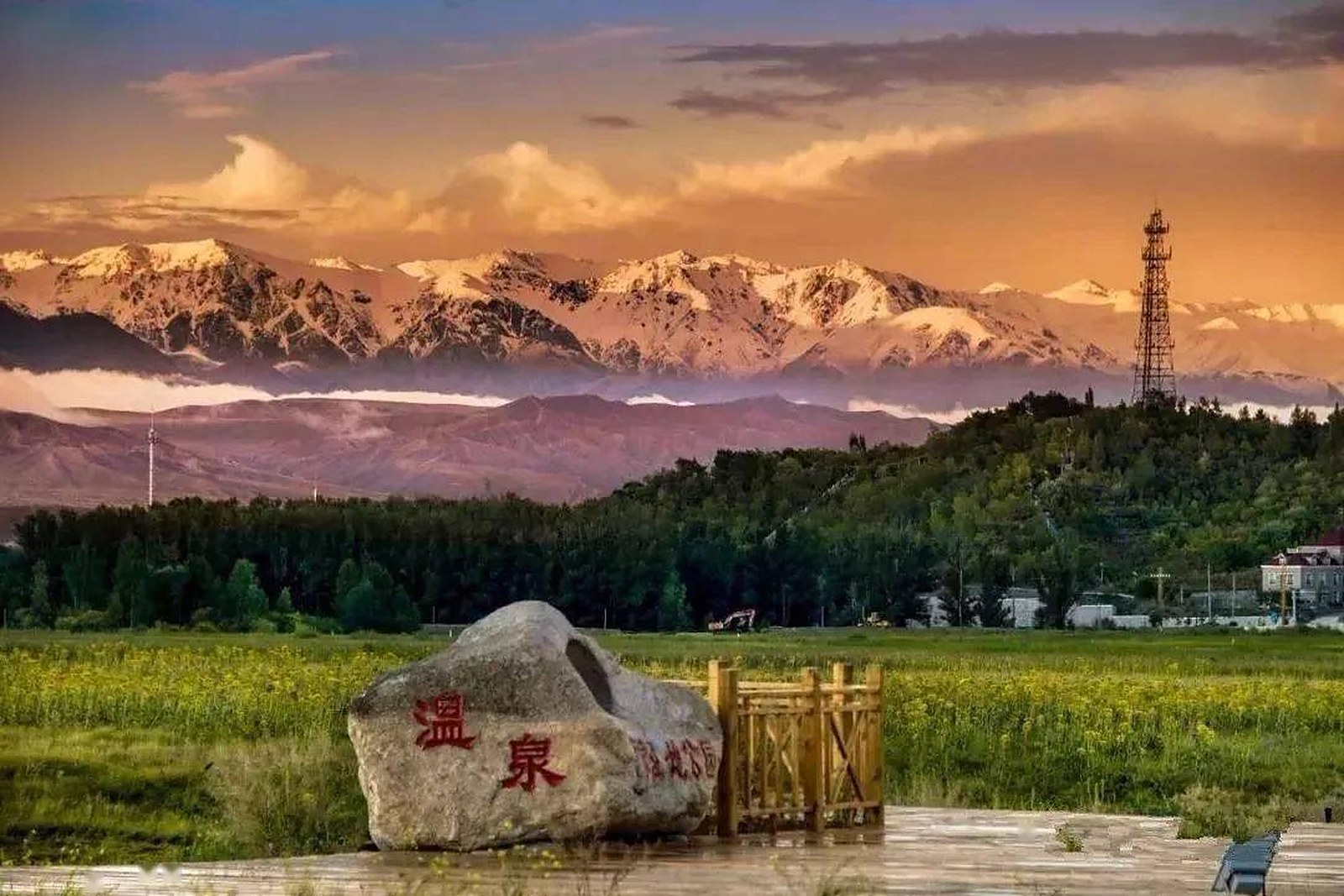
「Bortala」 means 「the green steppe」 in Mongolian, and Wenquan county sits at its far western end, facing Kazakhstan across the ranges. The county takes its name from its springs: the Sacred Spring’s vents hold a constant temperature and never freeze in winter, feeding the wetlands upstream of the Bortala River. The town’s motto is 「half wetland, half city」 – boardwalks run from the streets into the reed beds, and at dawn mist walks the water like a veil laid over the steppe.
The Xinjiang salamander běiní is the county’s crown treasure: an amphibian lineage present on Earth for three hundred million years, its wild population surviving only in these cold spring creeks – rarer than the giant panda. The reserve’s exhibition hall keeps live specimens: palm-sized creatures motionless on stones, skin half translucent, a living fossil in the flesh. Families with children should rank the salamander hall above any amusement park for sheer educational return.
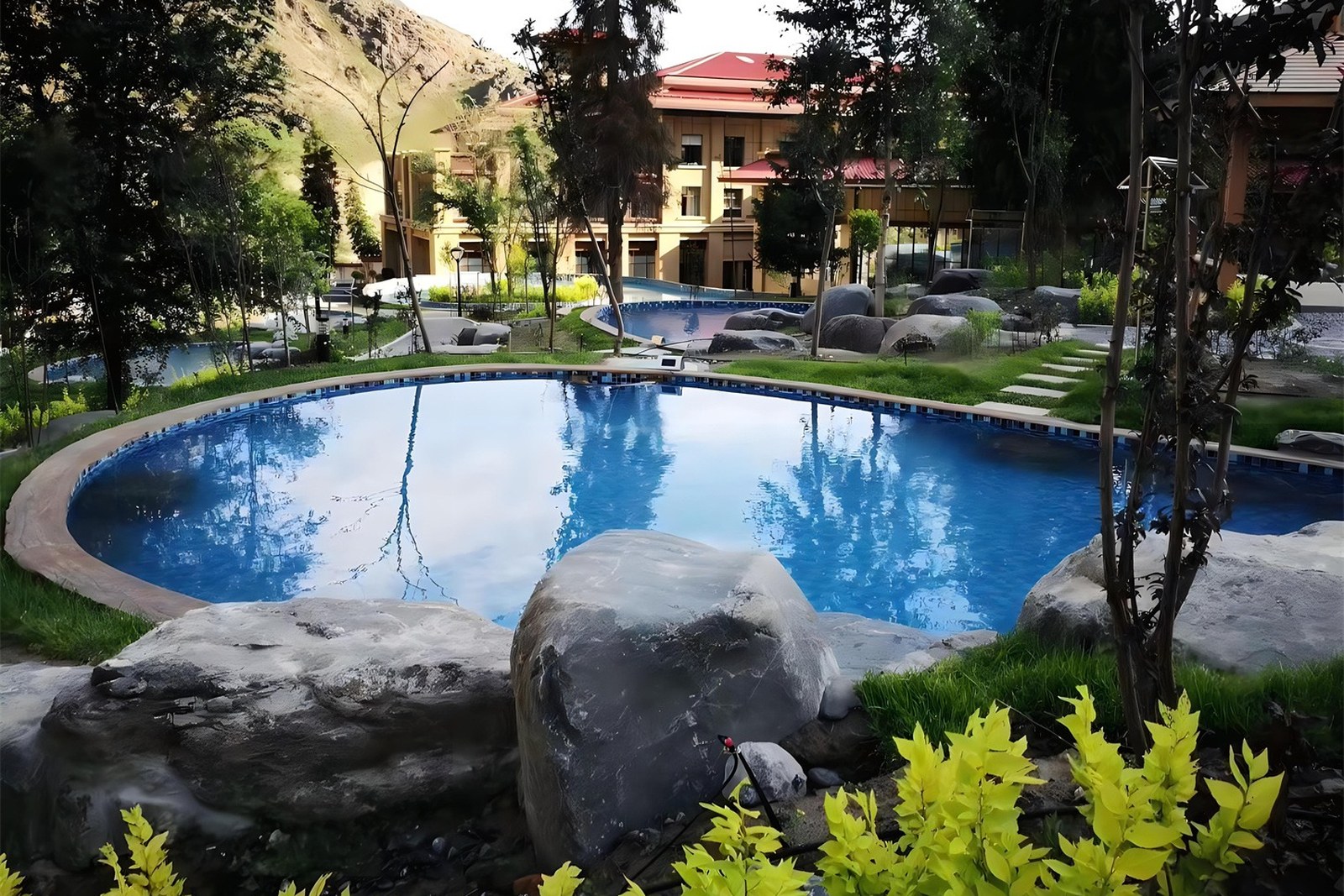
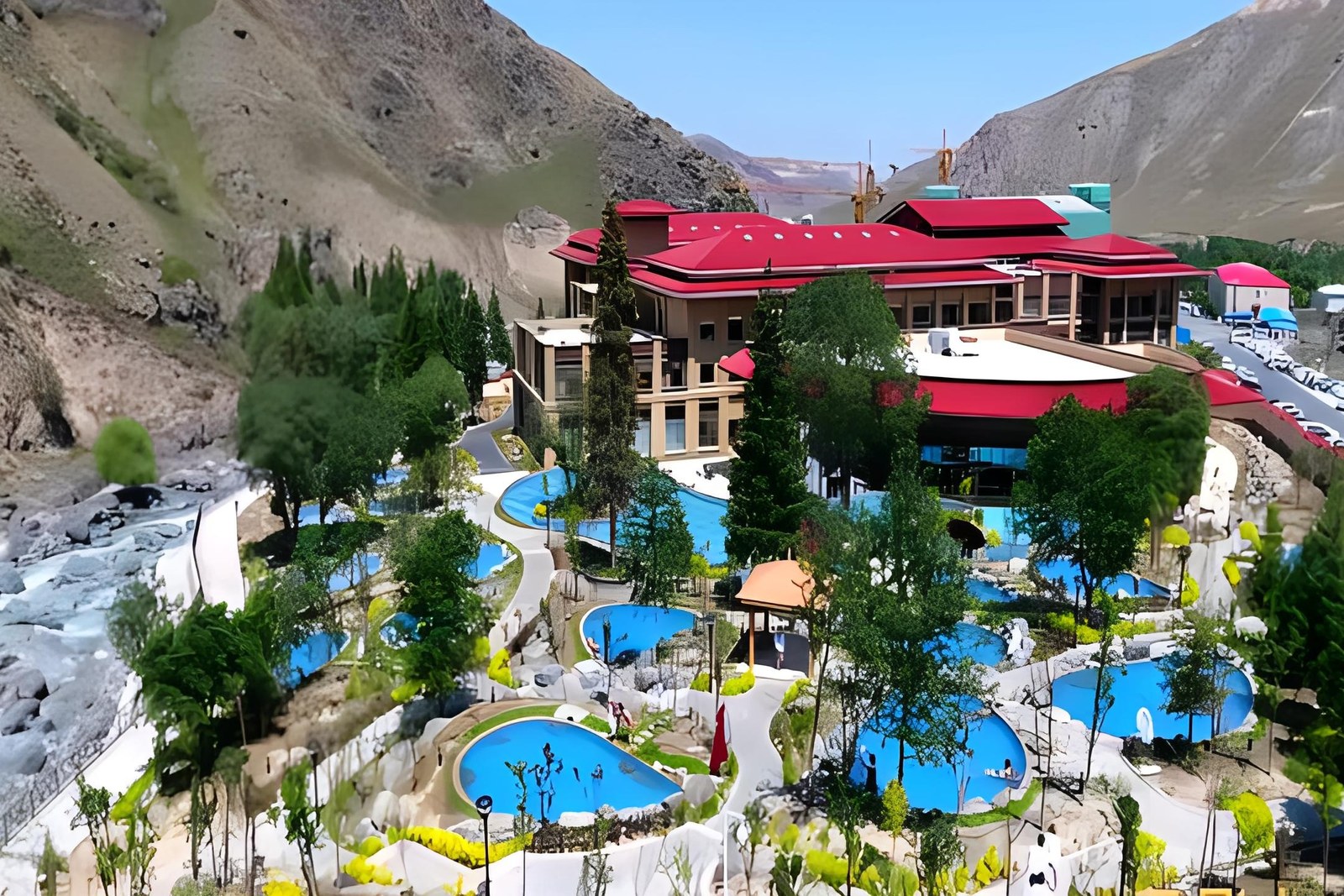
The Sacred Spring holds around thirty degrees year-round – the ancients called it holy water, and the town still keeps the gift: hot-spring resorts of real scale for a town this size, soaking pools framed by snow peaks and the river valley. Winter soaking in steaming water while snow falls is northern Xinjiang’s most comfortable posture. Carved stones stand by the vents; every visitor touches the water once, collecting a wish for health.
The county’s name descends from three spring groups: the Sacred Spring, the Dragon-Head Spring, and the Arxati springs, temperatures from the low thirties to sixty degrees. The earliest therapeutic records reach the Qing, when garrison soldiers treated frostbite and rheumatism in the water. Today spring culture saturates the town – fountain sculpture at the street center, spring pavilions in the parks, spring models in hotel lobbies, and even the souvenir shops sell only bottled spring water and spring-boiled eggs.
The water’s chemistry holds steady year over year, rich in metasilicic acid and trace elements; the local plant bottles it for the whole prefecture. Travertine terraces around the vents glow pale blue-green in sunlight, and vapor rises all four seasons – winter is most theatrical, white plumes standing a dozen metres over the vents on hard-frost mornings, every tree hung with rime: photographers call it 「the smoking spring」.
The county’s other world-class card is that salamander: contemporary of the dinosaurs, one of the planet’s rarest living fossils, confined to a handful of cold spring creeks along the Kazakhstan border, with the reserve set in the valleys around town. On the wetland boardwalks waterbirds rise and land; in autumn birch and reed turn gold together – photographers rate this Bortala’s best 「lying-down photography」 destination.
The border-town atmosphere runs strong: on the frontier road west of town, markers and outposts face Kazakh territory across the wire, and the roadside birches form golden tunnels in autumn. The culture bureau’s border-study route brings visitors close to the markers, where old guides tell patrol stories from decades back – stories that teach the weight of 「home and country」 better than any landscape reel.
Wenquan’s slowness is a slowness with confidence: population modest, planning immaculate – wetland park, hot-spring park, and salamander hall arrayed along the river valley in order. On evening paths, strolling locals and freshly soaked visitors share one unhurried half-beat. Hotels and restaurants sit within walking distance, and the scenic-area tension is entirely absent.
Westbound along the border road, a pass viewpoint looks into Kazakh mountains; returning east toward Bole, the road crosses open valley pasture – cattle and sheep everywhere in summer, fodder grass gold in autumn. This ninety-kilometer round trip is rated Bortala’s easiest scenic corridor.
Soaking here carries local doctrine: alternate hot spring with cold plunge – the steppe herders’ ancestral fatigue cure – and drink water generously before and after; the dry valley sweat goes further than you expect. Spring culture reaches the kitchen too: eggs boiled in spring water with silken yolks, bread steamed with spring-water dough uncommonly soft, the old soup houses stewing meat on spring water for a broth that runs clear and sweet. Before leaving, many travelers take a case of bottled spring water – drivers swear tea brewed with it leaves no scale. The town does not advertise itself; it has simply built 「spring」 into a complete way of life, readable only at slow speed.
The wetland holds a formal seat on the migration map: each spring and autumn, common cranes, whooper swans, and ruddy shelducks stage here in flocks, and birders rank it among northern Xinjiang’s three great watchpoints. The county bird society flies two protection campaigns a year, schoolchildren feeding corn to passing swans – migratory birds in Wenquan are nostalgia written into the class schedule. Bring binoculars to the observation hides on the wetland’s north shore: dawn and dusk each run a full show, and with luck an egret and the local cattle share one frame.
Practicalities
Beyond the springs, the same 博尔塔拉蒙古自治州 Bó’ěrtǎlā Měnggǔ Zìzhìzhōu Bortala Mongol Autonomous Prefecture holds other sights: 赛里木湖 Sàilǐmù Hú Sailimu Lake, 怪石峪 Guàishíyù Guaishiyu, 阿拉山口国门 Ālāshānkǒu guómén the Alashankou gate, and 哈日图热格 Hārìtùrègé Hazireteg – four more doors into the same 博尔塔拉蒙古自治州 Bó’ěrtǎlā Měnggǔ Zìzhìzhōu Bortala Mongol Autonomous Prefecture. With the soak finished, our Bortala food map fills the eating hours.
Practicalities
Words and Names
flowcloud would say Wenquan county is Xinjiang’s most healing small town: wetlands and snow peaks by day, a hot soak under the stars by night, at a pace you stopped believing was possible.All checked November 2026.
Getting there: Wenquan county lies about ninety kilometres west of Bole, an hour and a half by road; daily buses leave Bole’s bus station for the county town, and the spring scenic area sits at the edge of town within walking distance of most hotels – bring swimwear for the pools and expect sharp morning-evening swings in the valley. All checked November 2026.